Enatai Bellevue Washington Auto Insurance: An Overview of Coverage and Regulatory Requirements
Securing auto insurance in the Enatai neighborhood of Bellevue, Washington, requires navigating state-mandated liability minimums, accounting for the unique urban-suburban risk profile of King County, and evaluating personal coverage n...
Securing auto insurance in the Enatai neighborhood of Bellevue, Washington, requires navigating state-mandated liability minimums, accounting for the unique urban-suburban risk profile of King County, and evaluating personal coverage needs. Residents must maintain proof of financial responsibility, typically satisfied through a standard auto insurance policy, to legally operate a vehicle within the state.
Contents
The Regulatory Framework of Washington State Auto Insurance
In Washington, the legal requirement for vehicle operation is governed by the Revised Code of Washington (RCW) 46.30.020. This statute mandates that every person operating a motor vehicle must be covered by an insurance policy, a liability bond, or a certificate of deposit. Because Enatai is a residential enclave within Bellevue, residents often experience commute patterns that cross diverse municipal boundaries, making it essential to understand these baseline legal requirements as the absolute floor for coverage, rather than a recommended ceiling.
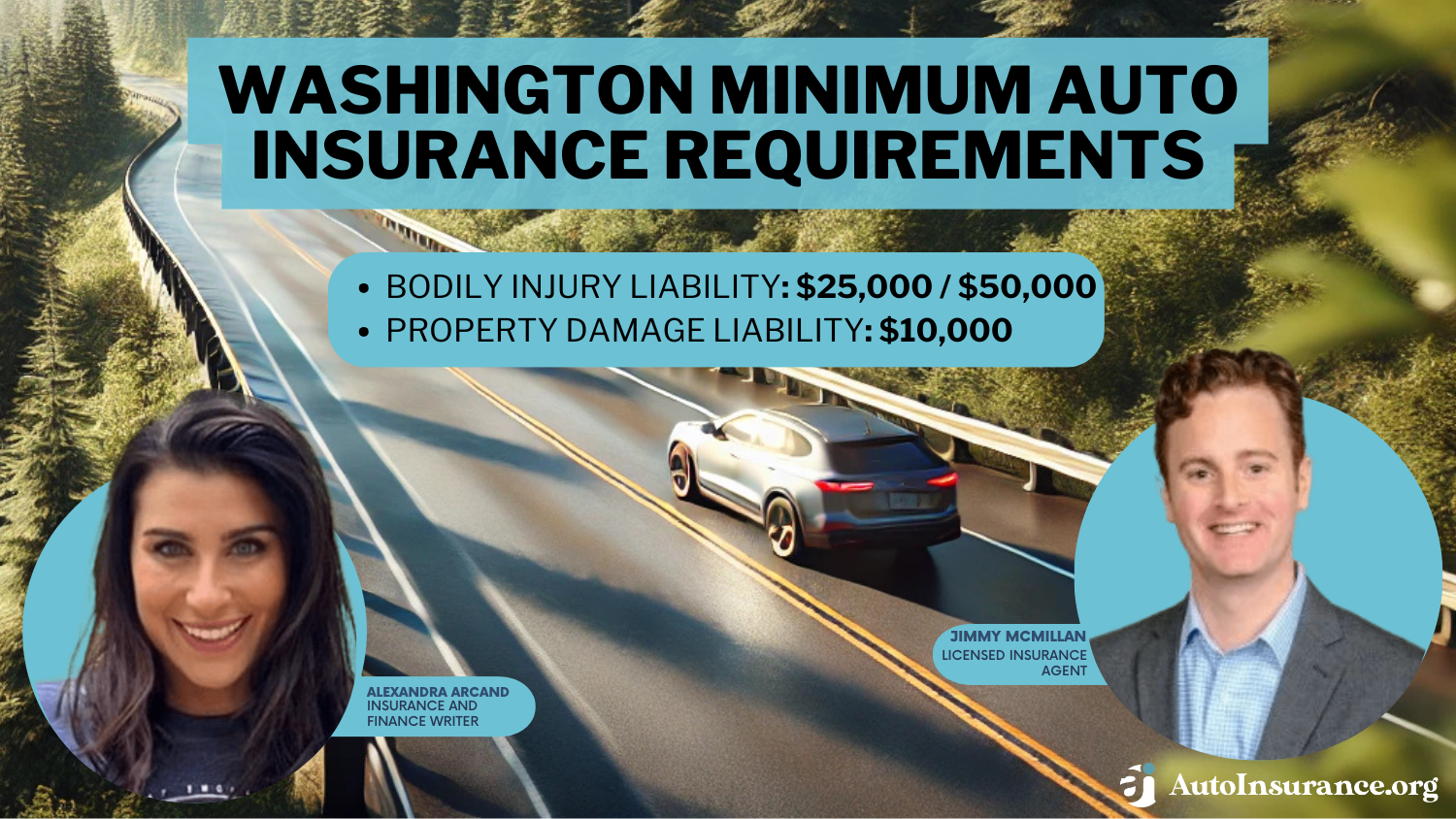
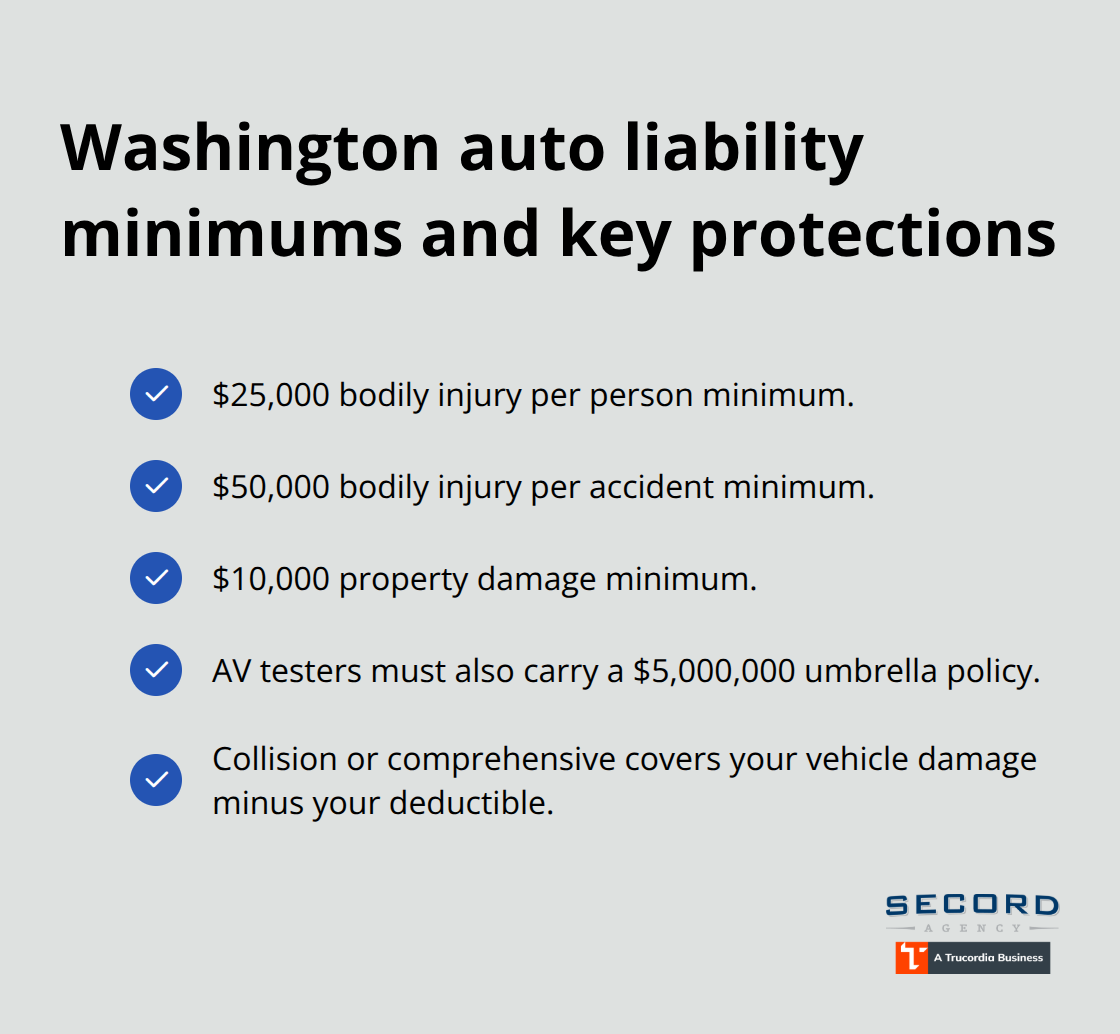
The mandatory minimum liability limits in Washington State currently include:
- $25,000 for bodily injury or death of one person in any one accident.
- $50,000 for bodily injury or death of two or more persons in any one accident.
- $10,000 for injury to or destruction of property of others in any one accident.
While these figures represent the legal threshold for compliance, they are widely considered insufficient to cover the costs associated with modern accidents, which may include medical expenses for severe injuries, property damage to luxury vehicles, or legal defense fees.
Risk Factors for Enatai Residents
Enatai is a geographically distinct area bordered by the I-405 corridor and Lake Washington. The proximity to major arterial roads like I-405, I-90, and SE Bellevue Way introduces specific risk factors that insurance underwriters analyze when calculating premiums.
Traffic density in Bellevue, combined with the region’s notorious weather conditions—including heavy rainfall, reduced visibility, and periodic winter ice—creates a higher probability of low-speed collisions and fender benders. Insurance companies utilize "garaging address" data to determine rates. Because Enatai is considered a high-value residential area, insurers factor in the cost of repairing modern vehicles equipped with Advanced Driver Assistance Systems (ADAS), which significantly elevates the cost of claims even for seemingly minor impacts.
Key Coverage Types Beyond Liability
When reviewing an insurance policy for a vehicle garaged in Bellevue, policyholders should distinguish between mandatory requirements and elective protections. Understanding these categories is essential for mitigating personal financial risk.
Comprehensive and Collision Coverage
Collision coverage pays for damage to your vehicle resulting from a collision with another object or vehicle, regardless of fault. Comprehensive coverage protects against non-collision events, such as theft, vandalism, fire, or damage caused by falling objects—a relevant risk in Washington due to wind-related tree damage.
Uninsured and Underinsured Motorist (UM/UIM)
Given the volume of regional commuters entering Bellevue, the likelihood of an encounter with an underinsured driver is non-zero. UM/UIM coverage protects the policyholder if they are struck by a driver who lacks sufficient insurance to cover the resulting damages. In a state with high medical costs, this coverage is often viewed by local experts as a critical safety net.
Personal Injury Protection (PIP)
Washington allows for PIP coverage, which provides immediate benefits for medical expenses, funeral costs, and loss of income resulting from an accident, regardless of who caused the crash. Unlike liability coverage, which pays others, PIP is designed to provide immediate liquidity to the policyholder and their passengers.
Comparative Factors in Policy Selection
When selecting an insurer, residents should compare policies based on financial strength, claims-handling reputation, and the availability of local representation.
| Coverage Component | Purpose | Financial Impact |
|---|---|---|
| Bodily Injury Liability | Covers others' medical bills | High (Mandatory) |
| Property Damage Liability | Covers others' property | Moderate (Mandatory) |
| Collision Coverage | Repairs your own vehicle | Optional (Lender-required) |
| Comprehensive | Protects against theft/fire | Optional (Lender-required) |
| PIP | Medical/Income protection | Highly Recommended |
Steps for Securing and Managing Coverage
- Inventory Personal Assets: Calculate the total value of your assets. Liability limits should ideally exceed your net worth to protect against potential litigation.
- Verify Your Driving Record: Washington insurers pull data from the Department of Licensing (DOL). Ensure your record is accurate to avoid unnecessary premium surcharges.
- Evaluate Bundling Options: If you reside in Enatai, you may own property. Bundling home and auto insurance with the same carrier often provides a "multi-policy discount" that reduces the overall cost of coverage.
- Review Annually: Insurance rates shift based on actuarial data, inflation, and local traffic trends. Schedule a policy review every 12 months to assess if changes to your vehicle, commute, or household drivers necessitate a plan adjustment.
- Obtain Proof: Always carry digital or physical copies of your insurance card. While Washington law enforcement can often verify status electronically, physical proof remains the standard for seamless interactions during traffic stops.
Navigating Common Pitfalls
One common mistake for Bellevue residents is prioritizing the lowest monthly premium without analyzing the deductible. A low premium often correlates with a high deductible, which can create a significant financial burden during a crisis.
Additionally, drivers who frequently use their vehicles for rideshare or food delivery services often operate under a misunderstanding that their standard personal policy covers these commercial activities. Most standard auto insurance policies explicitly exclude coverage for commercial driving. If you engage in gig economy work within the Bellevue/Greater Seattle area, you must disclose this to your insurer and potentially secure a commercial endorsement.
Frequently Asked Questions
Does Washington require no-fault insurance? No, Washington is a tort-based state. This means that the person found at fault for an accident is responsible for the damages. This makes having adequate liability limits and optional UIM coverage particularly important.
How does my Enatai address affect my premium? Insurers use "territory rating." Your ZIP code is a proxy for local accident statistics, theft rates, and even local repair costs. While you cannot change your location, you can mitigate high rates by maintaining a clean driving record and installing safety features in your vehicle.
What happens if I let my insurance lapse? Operating a vehicle without insurance in Washington is a traffic infraction that can lead to fines, the suspension of your driver’s license, and increased premiums for years to come. If you do not own a car but drive others' vehicles, look into a "non-owner" policy to maintain continuous coverage.
Are electric vehicles more expensive to insure in Bellevue? Generally, yes. While EVs offer fuel savings, their specialized technology and the cost of proprietary parts often lead to higher repair bills, which insurers pass on to the policyholder through higher collision premiums.
Can I get a discount for taking a defensive driving course? Many insurers offer discounts for completion of approved defensive driving courses, especially for drivers under 25 or over 55. Check with your specific carrier to see if they recognize courses certified by the Washington Department of Licensing.
Next Actions for Policyholders
To ensure your coverage remains robust, audit your policy against your current life situation. If you have recently changed jobs, had a change in your daily commute distance, or added a new driver to your household, contact your insurance agent immediately. Transparency with your provider ensures that you are covered in the event of a claim. If you suspect your current rates are not competitive, request quotes from at least three different carriers using identical coverage limits to perform an accurate "apples-to-apples" comparison.
Image Gallery