Navigating the WAF Vendors Landscape: A Technical Overview
The Web Application Firewall (WAF) vendor landscape in 2026 is defined by a shift toward integrated edge security, AI-driven threat mitigation, and the convergence of WAFs with API security and bot management. Organizations selecting a...
The Web Application Firewall (WAF) vendor landscape in 2026 is defined by a shift toward integrated edge security, AI-driven threat mitigation, and the convergence of WAFs with API security and bot management. Organizations selecting a vendor must prioritize deployment flexibility, ease of policy orchestration, and the efficacy of automated threat intelligence updates to secure modern, distributed application architectures.
Contents
Understanding the Role of WAF in Modern Infrastructure
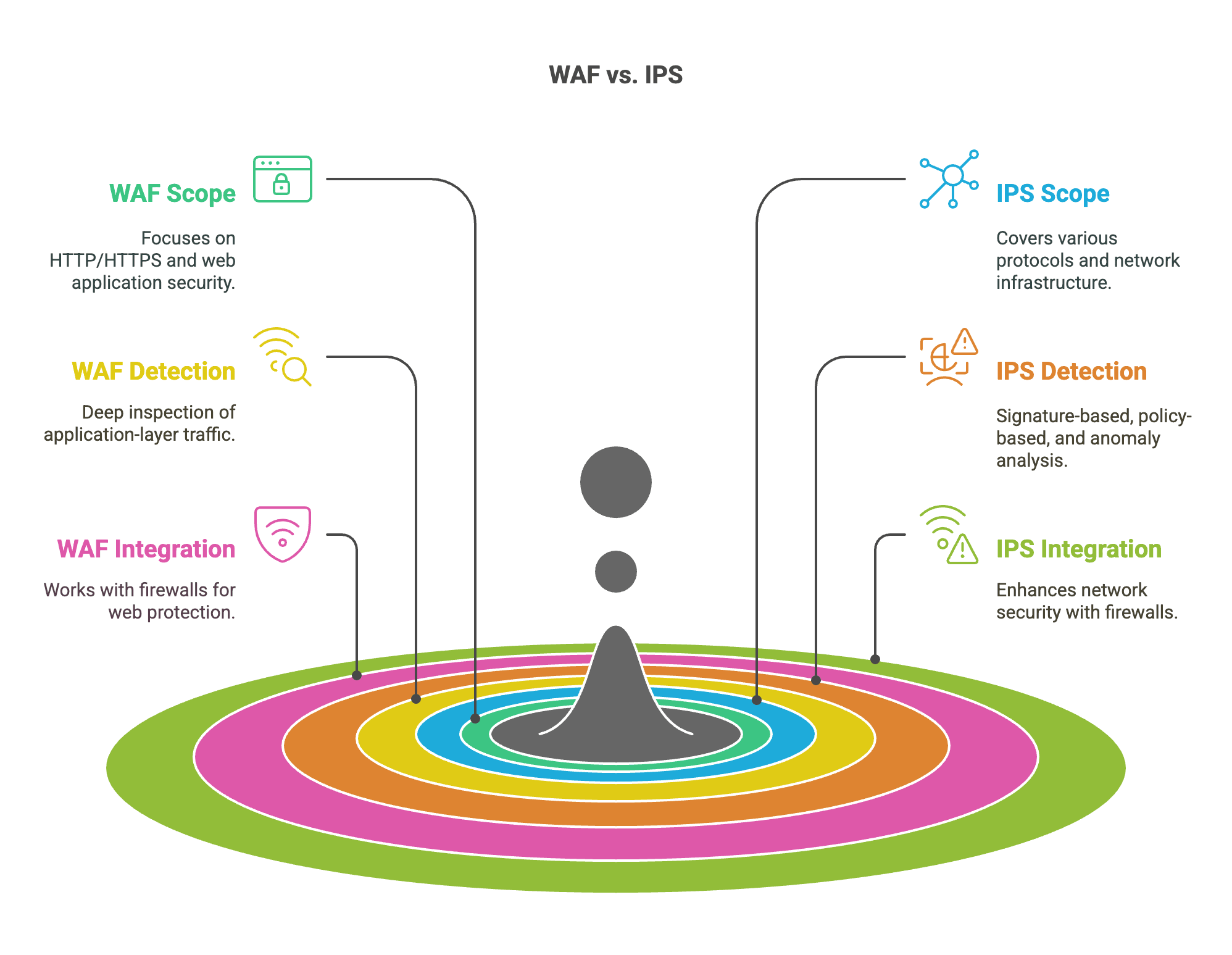
A Web Application Firewall is a critical security layer that sits between a web application and the internet. Its primary purpose is to monitor, filter, and block malicious HTTP/HTTPS traffic. Unlike traditional network firewalls, which operate at the lower layers of the OSI model, a WAF operates at the application layer (Layer 7). It analyzes traffic for common vulnerabilities, such as those cataloged in the OWASP Top 10, including SQL injection, cross-site scripting (XSS), and file inclusion attacks.
In 2026, the WAF is no longer a standalone appliance for most enterprises. It has evolved into a key component of the Web Application and API Protection (WAAP) market. The modern landscape requires WAFs to defend not only traditional browser-based traffic but also the complex API calls that power mobile applications, microservices, and server-to-server communication.
Key Segments of the WAF Vendor Market
The vendor landscape can be categorized based on how the technology is delivered and the primary focus of the service provider. Understanding these segments helps in aligning a vendor choice with your specific operational requirements.
Cloud-Native and Edge-Based Providers
These vendors leverage massive global networks to inspect traffic as close to the user as possible. This approach minimizes latency and provides inherent protection against volumetric Distributed Denial of Service (DDoS) attacks. Providers in this space are often favored by organizations with highly distributed user bases or those requiring rapid deployment without hardware overhead.
Integrated Application Security Platforms
Some vendors position the WAF as one part of a broader "platform play." This often includes API security, bot management, and advanced analytics in a single dashboard. For enterprises already using these providers for content delivery or cloud hosting, the WAF is often a "toggle-on" service, which simplifies procurement and policy synchronization but may lead to platform lock-in.
Specialized Security Vendors
These companies focus almost exclusively on application and API security. They often provide the most granular control, advanced signature-less detection (using machine learning), and deep integration with CI/CD pipelines. This segment is typically preferred by security-conscious organizations that require highly specific tuning for custom application logic.
Criteria for Evaluating WAF Vendors
When vetting potential vendors, decision-makers should move beyond surface-level feature lists and focus on operational realities.
1. Detection Methodology and False Positive Management
A WAF that blocks legitimate traffic is as harmful to a business as a security breach. Evaluate how a vendor manages false positives. Do they offer a "learning mode" that analyzes traffic patterns before moving to a blocking stance? How quickly can your team write and test custom rules to handle unique application behaviors?
2. API Security Capabilities
In 2026, most web traffic consists of API calls. A robust WAF must be capable of inspecting JSON/XML payloads, validating API schemas, and managing authentication tokens. Ask vendors specifically how they handle "Broken Object Level Authorization" (BOLA) and how they secure REST, GraphQL, or gRPC endpoints.
3. Bot Management Integration
Automated traffic (bots) can be beneficial (search engine crawlers) or malicious (credential stuffing, price scraping). A high-quality WAF vendor should provide advanced bot mitigation that uses device fingerprinting and behavioral analysis rather than relying solely on IP reputation, which is easily bypassed by modern residential proxy networks.
4. Operational Maintenance and Support
Consider the "human cost." Some vendors provide "managed WAF" services where their security operations center (SOC) team manages the tuning for you. Others provide self-service consoles that require significant internal expertise. Determine if your organization has the staff to manage daily policy adjustments.
Comparison of WAF Deployment Architectures
| Deployment Model | Primary Benefit | Best For | Potential Drawback |
|---|---|---|---|
| Cloud/SaaS (Proxy) | Minimal latency, DDoS protection | Public-facing websites | Requires DNS/Traffic redirection |
| Cloud-Native (Plugin) | Deep integration with cloud VPC | Internal microservices | Limited to single cloud provider |
| On-Premise Appliance | Full traffic control/privacy | High-compliance, legacy apps | High CAPEX and maintenance |
| Host-Based (Agent) | Visibility into app internals | Dev-heavy, distributed environments | Performance impact on host CPU |
Common Challenges and Implementation Pitfalls
One of the most frequent mistakes organizations make is the "set it and forget it" mentality. Web applications are dynamic; as you push new code, you change the way your application processes input. If your WAF policy is static, you will eventually face either a security gap or a service outage.
Another common pitfall is the failure to integrate the WAF with your incident response workflow. A WAF should act as a telemetry source. If your SIEM (Security Information and Event Management) system does not receive logs from your WAF, you lose the ability to correlate an application attack with other suspicious activities occurring elsewhere in your network.
The Shift Toward AI and Behavioral Analysis
As of 2026, traditional signature-based detection is insufficient against zero-day exploits. Modern vendors are increasingly employing "positive security models"—where the WAF learns the "normal" behavior of an application and blocks anything that deviates from that baseline. While this is significantly more effective, it requires a higher initial investment in time for the model to be trained correctly. When evaluating vendors, prioritize those that provide transparency into why an AI model made a blocking decision.
Frequently Asked Questions (FAQ)
What is the difference between a WAF and a standard firewall?
A traditional network firewall filters traffic based on IP addresses and ports (Layers 3 and 4). A WAF inspects the actual content of the HTTP request (Layer 7), allowing it to identify and block malicious code hidden within legitimate-looking traffic.
Do I need a WAF if I am already using a CDN?
Many Content Delivery Networks (CDNs) include WAF capabilities. However, you should evaluate whether the CDN's WAF is sufficient for your specific security needs. If you have complex, custom-built APIs, a specialized WAAP provider may offer better protection than a general-purpose CDN-based WAF.
How does a WAF handle encrypted (HTTPS) traffic?
A WAF must terminate the SSL/TLS connection to inspect the payload. This means the WAF must be configured with the necessary certificates or be positioned in a location (such as a load balancer or cloud edge) where decryption happens naturally.
What is the role of the OWASP Top 10 in vendor selection?
The OWASP Top 10 is the industry-standard list of the most critical web application security risks. Most reputable vendors test their WAF capabilities against these specific vulnerabilities. When comparing vendors, ask for their compliance record or documentation regarding how their rulesets address each of the current OWASP categories.
Can a WAF prevent all web attacks?
No. A WAF is a defensive tool, not a cure-all. It should be part of a "defense-in-depth" strategy that includes secure coding practices, regular vulnerability scanning, and robust identity management. A WAF cannot fix a vulnerable application; it can only help mitigate the exploitation of that vulnerability.
Next Steps for Organizations
Before engaging with a vendor, perform a thorough audit of your traffic patterns and identify your most critical assets. Document the specific protocols your applications use (e.g., REST, GraphQL) and determine your threshold for latency. Conduct a "Proof of Concept" (PoC) with two top-tier vendors—one that offers an integrated platform and one that specializes in advanced threat detection. Use your own traffic (in "log-only" mode) to verify which vendor catches the most threats while resulting in the fewest false positives for your specific stack.
Image Gallery