Groin Strain Exercises PDF Myth vs Fact: A Comprehensive Guide to Recovery
Recovering from a groin strain requires a structured approach that moves beyond generic "PDF" exercise routines found online. While digital guides offer convenience, they often fail to account for the grade of the injury, the necessity...
Recovering from a groin strain requires a structured approach that moves beyond generic "PDF" exercise routines found online. While digital guides offer convenience, they often fail to account for the grade of the injury, the necessity of inflammatory management, and the specific transition from rest to functional loading. Effective rehabilitation is built on physical assessment rather than static, one-size-fits-all printable documents.
Contents
Understanding the Groin Strain: An Overview of Soft Tissue Injury
A groin strain, often medically referred to as an adductor strain, involves the overstretching or tearing of the adductor muscles—the group of muscles located on the inner thigh. These muscles are essential for pulling the legs toward the midline of the body and stabilizing the pelvis during movement. Strains typically occur due to sudden changes in direction, explosive movements like sprinting, or repetitive overuse in sports such as soccer, hockey, or tennis.
In clinical practice, these injuries are categorized by severity:
- Grade I: Mild stretching or micro-tearing of muscle fibers. The athlete typically feels discomfort but retains functional strength.
- Grade II: Partial tearing of muscle fibers, leading to significant pain, swelling, and a noticeable loss of strength.
- Grade III: A complete rupture of the muscle or tendon. This often presents with extreme pain, significant bruising, and an inability to bear weight.
Relying on a generic "groin strain exercises PDF" can be dangerous because a protocol designed for a Grade I strain is entirely inappropriate for a Grade III tear. Following the wrong exercise intensity at the wrong time can extend recovery time from weeks to months.
Myth vs. Fact: Debunking Common Rehabilitation Misconceptions
The internet is saturated with downloadable guides that promise rapid healing. To effectively manage a groin injury, it is essential to distinguish between pervasive myths and physiological facts.
| Myth | Fact |
|---|---|
| Stretching is the best way to heal a groin strain. | Aggressive stretching of an injured muscle can re-tear healing fibers; strengthening is the priority. |
| Rest means doing nothing until the pain stops. | Complete inactivity leads to muscle atrophy; "active recovery" within pain-free limits is superior. |
| If you can walk, the strain is healed. | Sport-specific movements (cutting, jumping) place different loads on the adductors than walking. |
| Any PDF routine works for all strains. | Rehabilitation must be tailored to the specific grade of injury and the stage of tissue healing. |
The Stretching Myth
Many individuals mistakenly believe that if their groin hurts, it must be "tight" and therefore requires immediate stretching. However, pain in the groin area often results from a muscle being "inhibited" by an injury or instability, not simply from a lack of flexibility. If you force a stretch on a freshly torn muscle, you are likely pulling apart the biological glue—the early collagen fibers—attempting to repair the tissue.
The "Complete Rest" Myth
While rest is vital in the first 48 to 72 hours to manage inflammation (using the PRICE protocol: Protection, Rest, Ice, Compression, Elevation), prolonged bed rest is counterproductive. Research consistently shows that controlled, early mobilization helps realign muscle fibers in a functional pattern, which prevents the formation of disorganized, weak scar tissue.
The Stages of Rehabilitation: Moving Beyond Static Guides
Rather than following a rigid PDF, your rehabilitation should move through distinct biological phases. Each phase requires specific exercises that change as your tissue capacity increases.
Phase 1: Acute Protection and Pain Management
The primary goal in the first week post-injury is to reduce pain and protect the damaged fibers. Avoid "exercises" in the traditional sense. Focus instead on pain-free range of motion (ROM) and isometric contractions. Isometric exercises—where you tense the muscle without moving the joint—are ideal here because they help maintain neurological activation without stressing the tear site.
Phase 2: Controlled Loading and Strengthening
Once pain at rest has subsided, you can transition to concentric and eccentric loading. Eccentric exercises, where the muscle lengthens under tension, are the gold standard for tendon and muscle rehabilitation.
- Adductor Squeezes: Using a small ball or pillow between the knees while lying down.
- Copenhagen Plank (Modified): A highly effective exercise for adductor strengthening that is often missing from basic PDF guides. Start with the knee supported, gradually progressing to the foot only.
Phase 3: Sport-Specific Integration and Return to Play
This final phase is where most "do-it-yourself" guides fail. You must bridge the gap between simple strengthening and the complex, multi-planar movements required in real-world activity. This includes gradual reintroduction to lateral shuffles, light jogging, and finally, explosive cutting movements.
Common Pitfalls in Using Online Exercise Resources
When downloading an exercise PDF, you must exercise critical judgment. Many of these documents are produced by third-party fitness influencers rather than licensed physical therapists or sports medicine doctors.
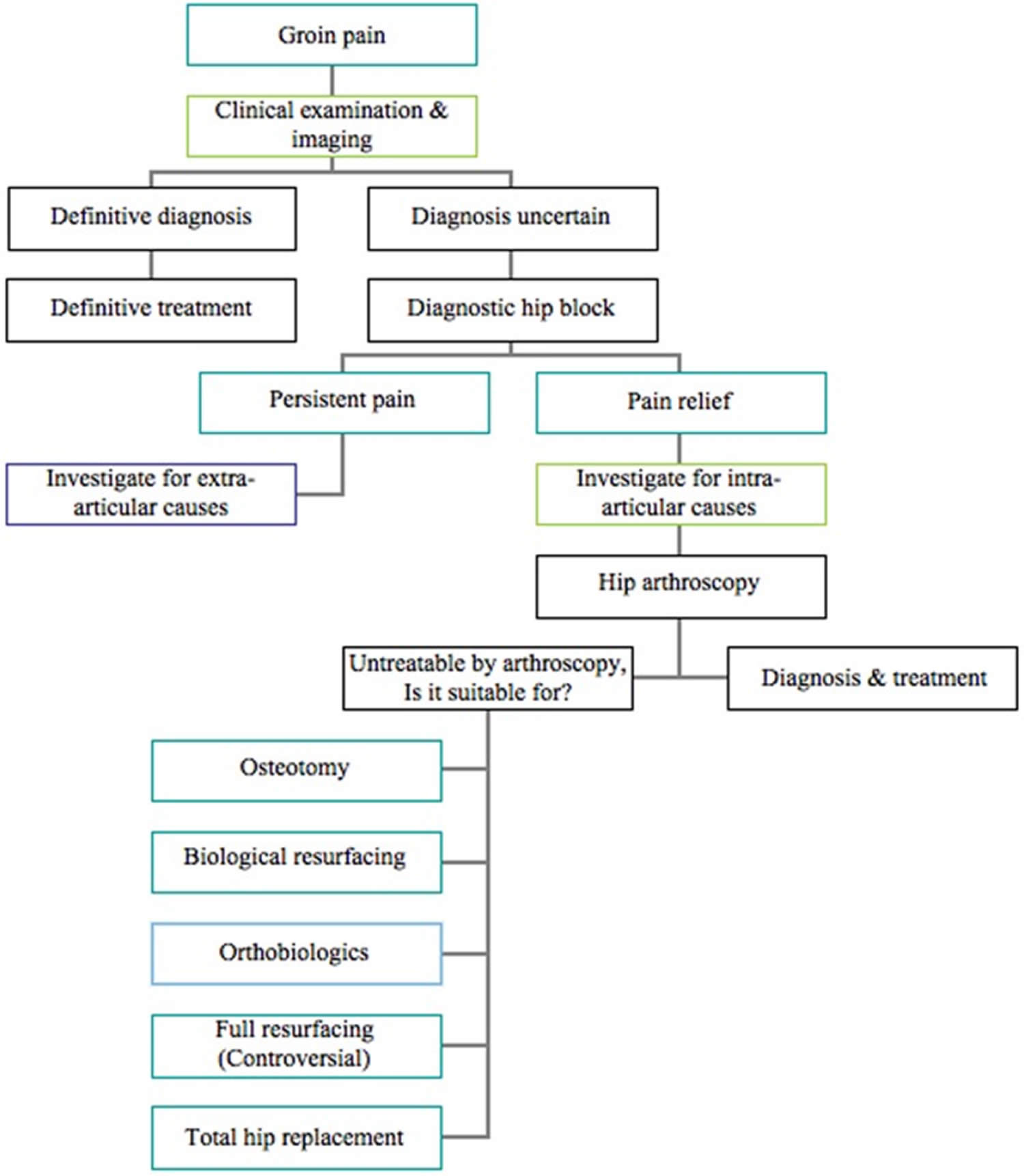
- Lack of Diagnostic Context: An online PDF cannot know if you have an adductor strain, a hip labral tear, or a sports hernia. These conditions can present with nearly identical symptoms but require vastly different treatment protocols.
- Missing Progressions: Effective rehab is progressive. A static PDF cannot provide feedback. If an exercise is too easy or causes sharp, localized pain, a generic document offers no troubleshooting advice.
- Ignoring the Kinetic Chain: The groin does not operate in isolation. Often, a groin strain is secondary to weaknesses in the glutes, core, or pelvic stabilizers. A PDF that focuses only on the inner thigh ignores the root cause, leading to high recurrence rates.
When to Seek Professional Consultation
If you cannot bear weight, notice significant bruising (ecchymosis) that migrates down the inner thigh, or if your pain levels do not improve after one week of cautious management, you must consult a medical professional. A physical therapist can perform a "manual muscle test" to differentiate between a strain and an avulsion fracture or severe tendon detachment. They provide the objective measurement—such as symmetry in strength between your injured and uninjured leg—that is necessary to clear you for high-intensity activity.
Practical Action Plan for Recovery
To optimize your recovery, follow this hierarchical approach:
- Confirm the Diagnosis: Obtain a professional evaluation to rule out tears requiring surgery.
- Prioritize Isometrics: Start with pain-free adductor squeezes (5 sets of 10-second holds) daily.
- Monitor the "24-Hour Rule": Any exercise performed should not cause pain that persists for more than 24 hours after the session. If it does, reduce the volume or intensity immediately.
- Incorporate Core Stability: Integrate exercises like the "Dead Bug" or pelvic bridges. A stable pelvis is the best defense against adductor overload.
- Gradual Progression: Only advance to the next level of intensity when you have demonstrated pain-free completion of the current level for at least three consecutive sessions.
Frequently Asked Questions (FAQ)
Is heat or ice better for a groin strain? Use ice during the first 48 hours to manage inflammation and acute pain. After the initial inflammatory stage, heat can be useful before exercise to increase blood flow and muscle elasticity, but it should not be used on an acutely inflamed, swollen injury.
Can I continue training if I have a Grade I strain? You may continue low-impact activities like swimming or stationary cycling, provided they do not provoke sharp pain in the groin. Avoid sudden changes in direction or explosive leg movements until you have completed a guided strengthening protocol.
How do I know when I am fully recovered? Recovery is not just the absence of pain. You are fully recovered when you possess symmetrical strength and mobility compared to your uninjured side and have completed a full, pain-free simulation of your intended sport or daily activity.
Why does my groin pain return after I stop the exercises? This is typically due to premature cessation of training. Many people stop their exercises the moment the pain disappears. You must continue a maintenance strengthening program (typically 1-2 times per week) to ensure the tissue remains resilient enough to handle future stresses.
Should I wear a compression sleeve or wrap? A compression wrap can provide psychological comfort and mild proprioceptive feedback, but it does not fix the underlying muscular weakness. Use it as a tool for comfort during activity, not as a replacement for rehabilitative strengthening.
Next Steps: If you have recently sustained an injury, begin by documenting your symptoms for 48 hours. If the pain is localized to the inner thigh and follows a specific movement, initiate rest and low-grade isometrics. If pain is systemic or radiating, prioritize an appointment with a physical therapist to prevent long-term functional loss.
Image Gallery