How NY Workers Compensation Impairment Ratings Are Determined
In New York, impairment ratings for workers' compensation are determined by a medical professional—typically the attending physician or an independent medical examiner—using the New York State Workers' Compensation Board’s Medical Guid...
In New York, impairment ratings for workers' compensation are determined by a medical professional—typically the attending physician or an independent medical examiner—using the New York State Workers' Compensation Board’s Medical Guidelines. These ratings quantify the percentage of permanent functional loss of a body part or system, which directly informs the calculation of a claimant’s schedule loss of use (SLU) award.
Contents
Understanding the Role of Impairment Ratings
When an employee sustains a work-related injury that results in a permanent physical impairment, the New York workers' compensation system requires a standardized method to quantify that loss. An impairment rating is essentially a medical estimate of the degree to which an injured body part no longer functions as it did before the injury.
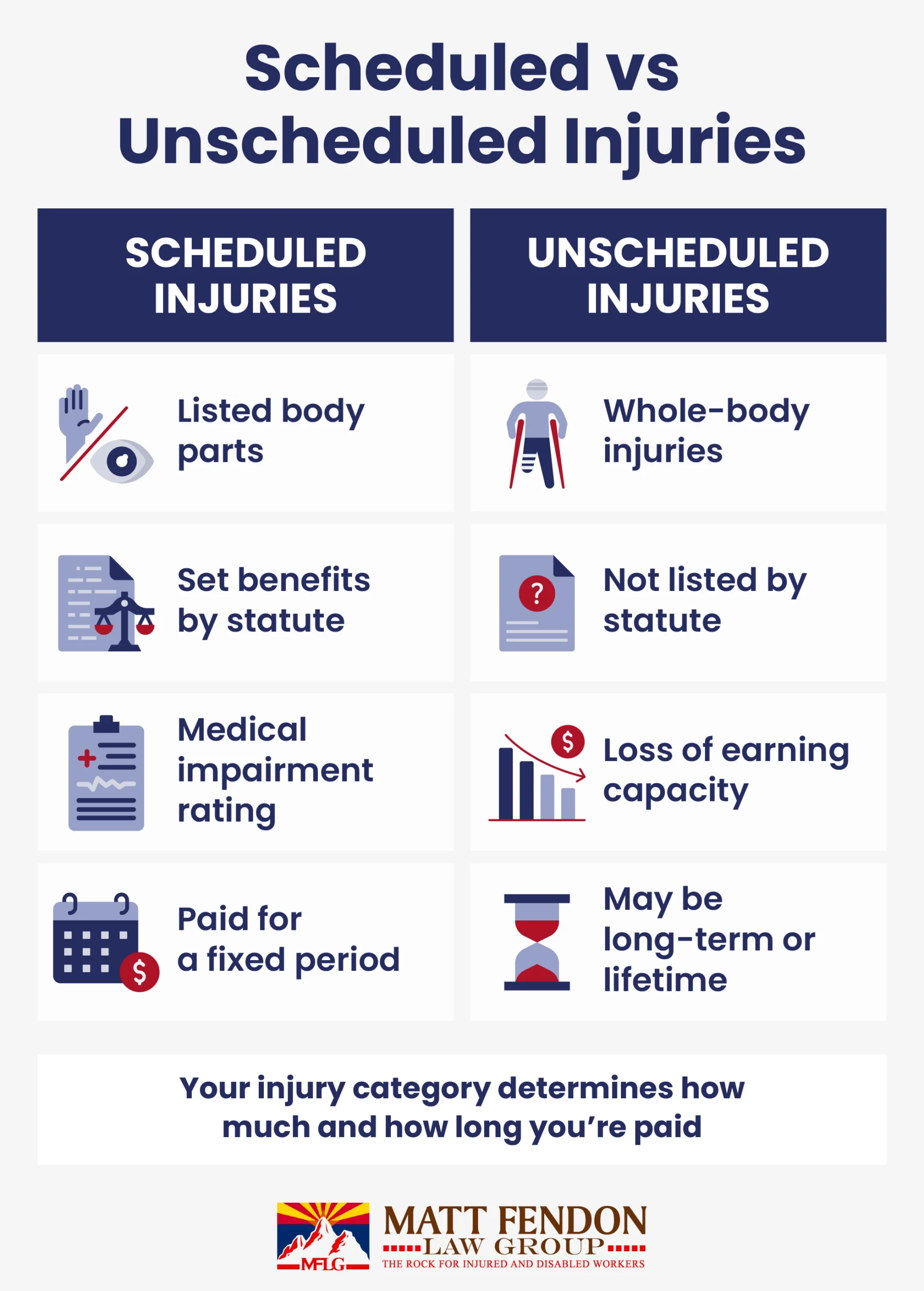
These ratings are the foundation of the Schedule Loss of Use (SLU) process. Under New York law, specific body parts (such as arms, legs, eyes, fingers, or toes) have a maximum number of weeks of compensation assigned to them. If a physician determines that you have a permanent impairment, that impairment is expressed as a percentage. This percentage is then applied to the statutory number of weeks to determine the total financial award. It is important to note that these ratings are strictly for permanent, partial disabilities. If an injury is considered "non-schedule"—meaning it affects the body as a whole, such as a back or neck injury—the rating system for SLU does not apply; instead, the determination shifts to a "permanent partial disability" classification based on loss of wage-earning capacity.
The New York State Medical Guidelines
The New York State Workers' Compensation Board maintains comprehensive Medical Guidelines that dictate how physicians must evaluate permanent impairments. These guidelines are the "rulebook" that doctors must follow to ensure consistency across the state.
Physicians examine several factors when determining a rating, including:
- Range of Motion (ROM): The measurement of how far a joint can move in specific directions compared to the uninjured side.
- Ankylosis: The complete or partial fixation of a joint in a specific position.
- Neurological Deficits: Evaluation of nerve damage, including sensory loss or muscle weakness.
- Loss of Strength and Atrophy: Objective measurements of muscle mass and functional power.
- Surgical Intervention: Whether the injury required surgery and how that surgery influenced the resulting function.
The guidelines emphasize objective medical findings. Subjective complaints, such as "pain," are generally not sufficient on their own to increase a permanent impairment rating. The physician must document clinical evidence, such as diagnostic imaging, physical testing, and standardized measurements, to support their percentage estimate.
The Process of Evaluation
The determination of an impairment rating does not typically occur immediately after an injury. It is only conducted once the claimant reaches "Maximum Medical Improvement" (MMI). MMI is the point at which the injured body part has healed as much as it is expected to heal, and no further significant improvement is anticipated with additional medical treatment.
- Clinical Examination: The attending physician performs a physical examination, noting any limitations in movement, swelling, or sensory changes.
- Reporting: The doctor completes the appropriate form (typically a C-4.3, Doctor's Report of MMI/Permanent Impairment) provided by the Workers' Compensation Board.
- Review by Parties: Once filed, the insurance carrier and the claimant’s legal representative have the opportunity to review the report.
- Independent Medical Examination (IME): If the insurance company disputes the rating provided by the attending physician, they may request an Independent Medical Examination. During an IME, a different doctor hired by the carrier evaluates the claimant.
- Board Adjudication: If there is a discrepancy between the doctor's report and the IME, the case may proceed to a hearing before a Workers' Compensation Law Judge, who will resolve the dispute based on the evidence presented.
Schedule Loss of Use (SLU) Comparison Table
The following table illustrates the statutory relationship between body parts and the maximum potential weeks of compensation. These figures represent the baseline for calculating permanent partial disability awards.
| Body Part | Maximum Weeks of Compensation |
|---|---|
| Arm | 312 |
| Leg | 288 |
| Hand | 244 |
| Foot | 205 |
| Eye | 160 |
| Thumb | 75 |
| Index Finger | 46 |
| Great Toe | 38 |
Note: These figures are based on statutory guidelines and apply to permanent partial injuries to these specific limbs or extremities.
Common Challenges and Disputes
Determining an impairment rating is rarely a seamless process, as medical interpretation is inherently subjective even when guided by rigid standards. One of the most common points of contention is the date of MMI. If an insurance carrier argues that a claimant has not yet reached MMI, they may delay the rating process to avoid paying out an SLU award.
Conversely, claimants often dispute ratings that they feel do not accurately reflect their ongoing limitations. A common mistake is failing to account for secondary effects of an injury. For instance, a shoulder injury might lead to a loss of strength in the hand or arm. If the physician fails to properly document the full range of functional loss, the claimant may receive a lower percentage rating than their actual impairment warrants. To mitigate these risks, it is standard practice for claimants to consult with a workers’ compensation attorney who can ensure that all relevant clinical findings are included in the medical report.
Professional Legal and Medical Guidance
It is essential to understand that workers' compensation laws in New York are highly specialized. This information serves as a general overview and does not constitute legal or medical advice. Because medical ratings involve complex clinical data and legal interpretation, claimants should rely on their treating physicians for medical accuracy and qualified legal counsel to navigate the procedural requirements of the Workers' Compensation Board. Always consult with a licensed attorney or a certified advocate who focuses on New York labor law to ensure your rights are protected during the claims process.
Frequently Asked Questions
Can I increase my impairment rating if my condition worsens? Once a final award has been made, it is generally difficult to reopen a claim unless there is clear evidence of a significant change in condition or a new, unforeseen development related to the original injury. This is known as a "reclassification."
Does "pain" factor into the impairment rating? Generally, no. Under current New York guidelines, permanent impairment ratings are based on objective, clinical findings such as loss of range of motion or nerve deficit. While pain is a valid medical symptom, it is typically excluded from the percentage calculation for permanent partial disability.
What happens if I have a permanent injury to my back or neck? Back and neck injuries are considered "non-schedule" injuries. They are not rated by a percentage of loss of use for a limb. Instead, these are classified based on a loss of wage-earning capacity, which involves a different adjudication process at the Board.
What is the difference between my attending physician and an IME doctor? Your attending physician is the doctor managing your ongoing care and recovery. An IME (Independent Medical Examination) doctor is selected by the insurance carrier to provide a second opinion. When these two opinions differ, the Workers' Compensation Law Judge evaluates both to reach a final decision.
Do I need a lawyer for the SLU hearing? While you are not required to have an attorney, the complexity of medical evidence and the adversarial nature of insurance carrier disputes often make legal representation highly advisable to ensure you receive the appropriate compensation.
Next Steps: If you have been notified that you are at Maximum Medical Improvement, obtain a copy of the C-4.3 form from your physician. Review it for accuracy regarding your physical limitations. If you disagree with the findings or if the insurance carrier denies the rating, contact a workers' compensation attorney to prepare your case for a formal hearing before the Board.
Image Gallery