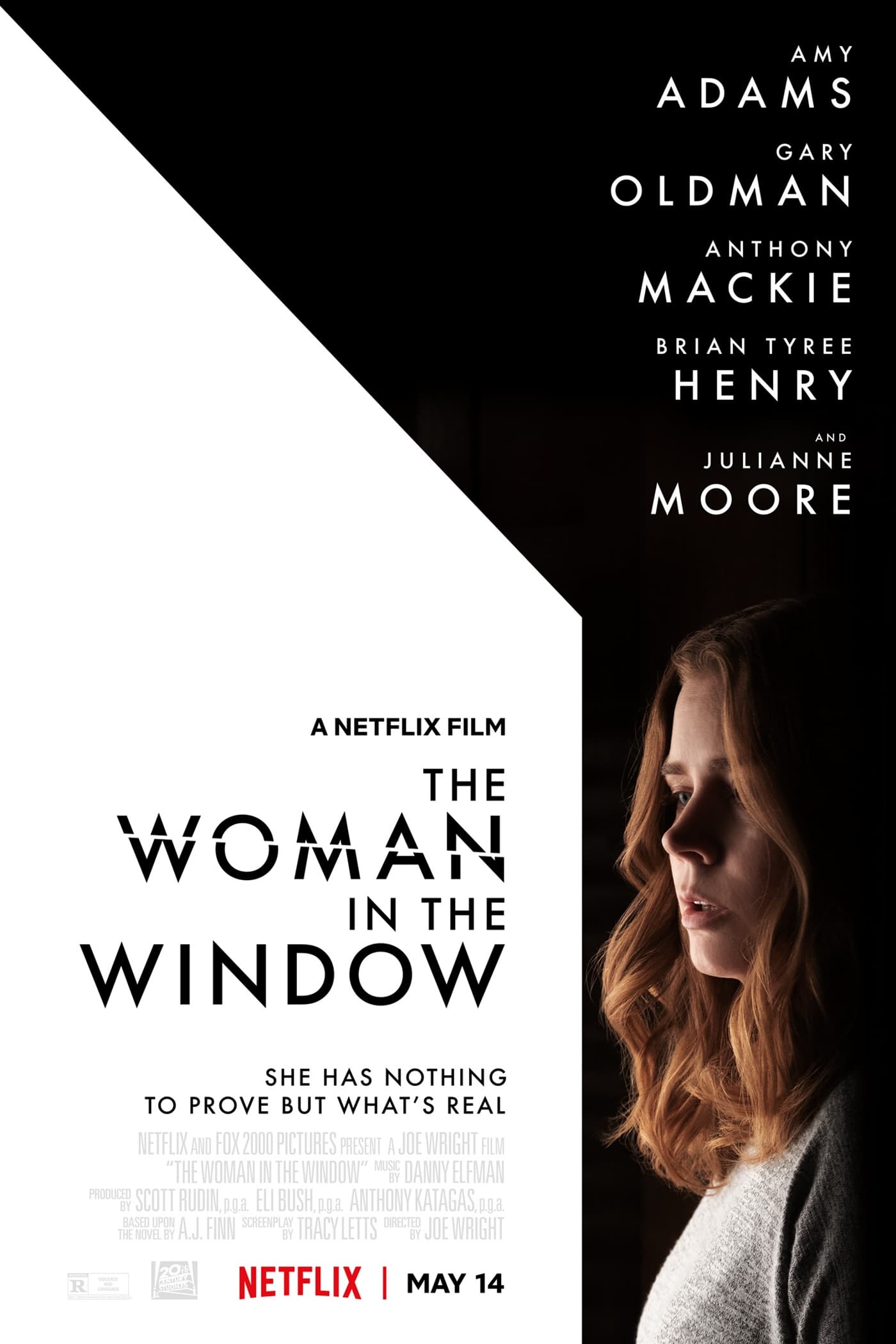
The Woman in the Window: A Comprehensive Comparison of the Book and the Movie
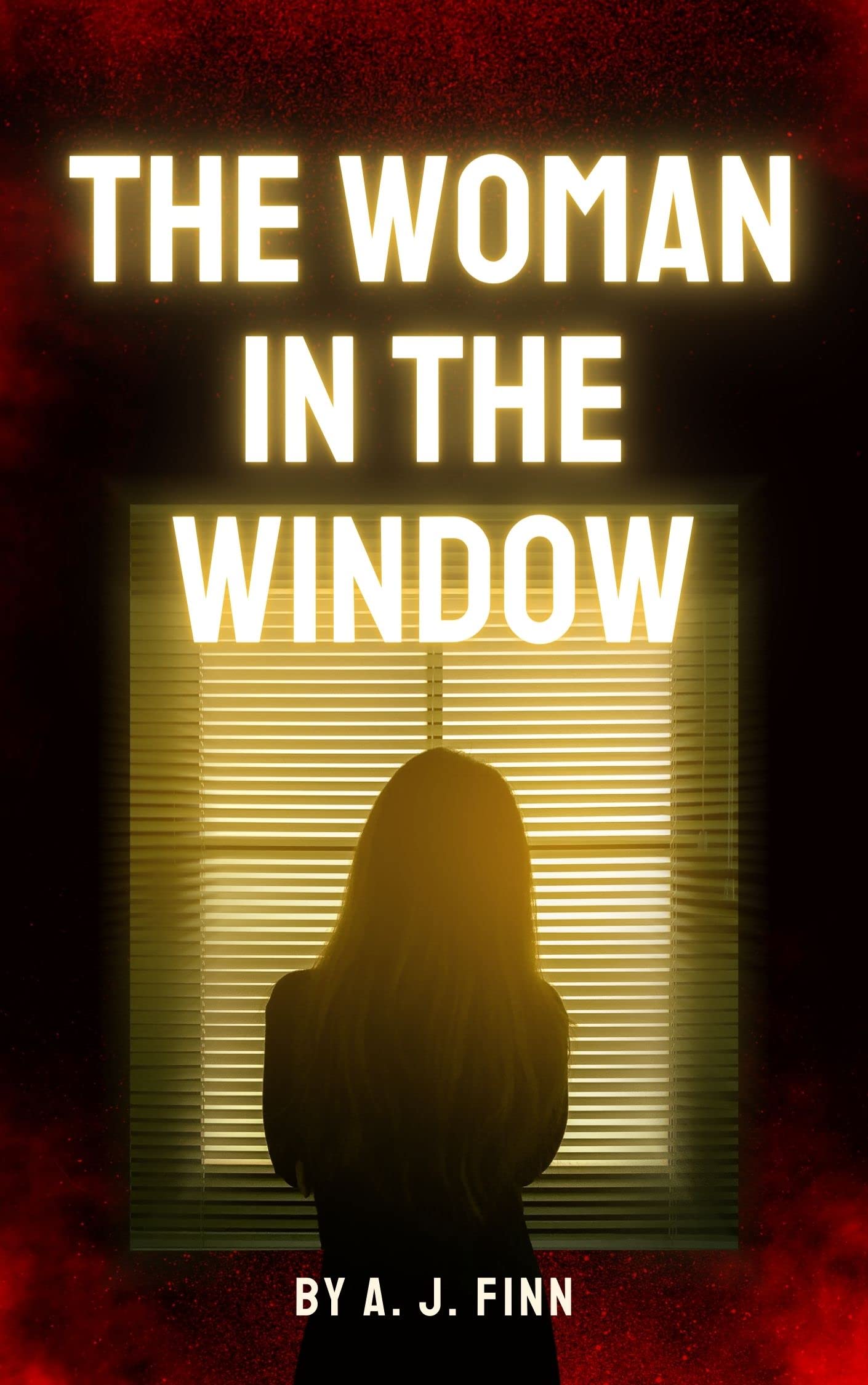
A.J. Finn’s 2018 thriller The Woman in the Window and the 2021 Netflix film adaptation share a fundamental narrative framework centered on Anna Fox, an agoraphobic child psychologist who witnesses a crime in the home across from her ow...
A.J. Finn’s 2018 thriller The Woman in the Window and the 2021 Netflix film adaptation share a fundamental narrative framework centered on Anna Fox, an agoraphobic child psychologist who witnesses a crime in the home across from her own. While both iterations maintain the core mystery of the Russell family, the film significantly streamlines the book’s complex psychological subplots and secondary character motivations to fit a standard cinematic runtime.
Contents
Understanding the Source Material
The 2018 novel by A.J. Finn (the pseudonym for Daniel Mallory) became a publishing phenomenon, heavily influenced by the tropes of psychological suspense, particularly the cinematic language of Alfred Hitchcock’s Rear Window. The story focuses on Anna Fox, who spends her days in her Harlem brownstone drinking wine, mixing medication, and watching her neighbors through her camera lens.
When the Russells move into the house across the street, Anna witnesses what she believes is a brutal attack on Jane Russell. However, when the police investigate, a woman appears who claims to be Jane Russell, and she is very much alive. The primary tension in both the book and the movie is the subjective nature of truth: Is Anna a reliable witness, or has her isolation and substance abuse created a hallucination?
Structural Differences and Pacing
The most immediate difference between the two mediums is the degree of internal monologue. The book functions as a character study, deeply rooted in Anna’s perspective. Because the reader is tethered to her mind, the psychological toll of her agoraphobia and grief is explored with nuance. The novel utilizes slow-burn tension, focusing on the sensory details of the house and the specific, often clinical, observations of a woman trained in psychology but unable to heal herself.
The 2021 film, directed by Joe Wright and starring Amy Adams, compresses these elements. It adopts a more theatrical, stylized approach to represent Anna’s mental state. Where the book relies on text to explain the intersection of trauma and perception, the film uses dramatic lighting, distorted camera angles, and musical cues to convey her disorientation. The film moves significantly faster, sacrificing the deliberate pacing of the novel to reach the climactic reveals, which results in a narrative that feels less like a slow-drip mystery and more like a high-intensity thriller.
Character Development and Backstory
The most significant departure between the book and the film involves the character of Anna Fox.
- The Novel: The book provides an extensive, detailed history of Anna’s past life as a child psychologist, her marriage, and the specific events that led to her estrangement from her husband and daughter. The reader learns about her professional capabilities, which makes her descent into apparent instability more tragic.
- The Film: The movie provides a "need-to-know" version of her backstory. While the core tragedy remains, the film brushes over the clinical details of her professional life, prioritizing the visual manifestation of her current struggle over the analytical breakdown of her past.
Similarly, secondary characters like Ethan Russell and David (the tenant in her basement) undergo subtle transformations. In the book, these relationships are more fleshed out, adding layers of ambiguity to whether or not they are helping or manipulating Anna. The film reduces these characters to primary functions within the plot, streamlining their interactions to keep the viewer moving toward the final confrontation.
Key Narrative Variations
| Feature | The Woman in the Window (Book) | The Woman in the Window (Movie) |
|---|---|---|
| Pacing | Slow, methodical, character-focused | Fast-paced, stylized, thriller-focused |
| Anna's Backstory | Deeply explored; heavy focus on professional trauma | Condensed; focus on emotional aftermath |
| Supporting Characters | Complex motivations; layered suspicion | Streamlined; utilitarian plot devices |
| Climax | Long, tactical struggle within the house | High-octane, heightened visual sequence |
| Hitchcock Homage | Internalized influence and subtle nods | Direct, visual references to classic cinema |
The Impact of Visual Adaptation
The film leans heavily into the Rear Window aesthetic, perhaps more overtly than the book. Since the book is written in the first person, the "camera lens" is a metaphor for Anna’s detachment from reality. In the film, the camera is an literal instrument, and the director uses the frame to dictate what the audience sees—or thinks they see.
A common point of contention for fans of the book is the film's climax. The novel builds to a conclusion that relies on Anna’s realization of the truth through logical deduction and a final, desperate act of survival. The movie amplifies the physical stakes, transforming the final sequence into a more traditional horror-inflected set piece. While this provides a more visceral experience for film audiences, it strips away some of the intellectual satisfaction found in the book’s final pages.
Addressing the Reliability of the Narrator
In both versions, the audience is positioned to doubt Anna. However, the mechanism of doubt differs. In the book, the doubt is derived from the interaction between her alcohol consumption and her prescription medication, which creates a chemical fog the reader must navigate. You are literally inside the head of someone whose brain chemistry is being altered.
The film relies on visual "glitches." Because the viewer is seeing what Anna sees, the film uses editing and cinematography to make the audience doubt their own eyes. When Anna sees something through her lens that vanishes, the film forces the viewer to process that loss of information in real-time. This makes the film a more passive experience than the book, where the reader is an active participant in dissecting Anna’s credibility.
Common Criticisms and Reception
Critics and readers often point to the "twist" as the defining factor of their enjoyment. Both versions follow the same general trajectory regarding the identity of the antagonist, but the impact of that reveal varies based on the setup.
Book readers often appreciate the depth of the betrayal and the structural setup that allows the antagonist to hide in plain sight. Movie viewers, however, often find the final reveal to be abrupt or inconsistent with the tone established in the first two acts. This discrepancy is a frequent critique of adapting dense, character-driven psychological thrillers into shorter cinematic formats; the "why" often gets lost in the rush to get to the "what."
Frequently Asked Questions
1. Is it necessary to read the book before watching the movie? No. The core plot points are consistent between the two. However, reading the book provides a much deeper understanding of Anna’s psychological state, which makes the events in the movie feel more grounded in character motivation rather than plot convenience.
2. Does the movie change the ending of the book? The core resolution remains the same regarding the identity of the perpetrator and the fate of the central characters. However, the execution of the climax is significantly different, shifting from a tactical, suspense-based encounter to a more action-oriented, visual sequence.
3. Which version of Anna Fox is more sympathetic? Most audiences find the version of Anna in the book more sympathetic because her professional history and the specific details of her loss are explored. In the film, the constraints of time make her character feel more erratic, which can make it harder for some viewers to connect with her underlying grief.
4. Is the movie accurate to the "Hitchcockian" themes of the book? Yes, but the movie makes these influences explicit. While the book uses Hitchcockian themes as an undercurrent of isolation and voyeurism, the film uses direct visual references, including clips from classic films being projected onto the walls of Anna’s home, to emphasize these themes.
5. Why did the film receive mixed reviews despite the popularity of the book? The film struggled with the translation of an intensely interior narrative to a visual medium. Many critics felt the stylized, highly aestheticized approach of the film distracted from the raw, character-driven tension that made the book a success, leading to a sense of disconnect between the audience and the protagonist.
Final Recommendation
For the best experience, approach the two as distinct interpretations of the same premise. If you value deep character analysis, psychological layering, and a slow, methodical burn, prioritize reading A.J. Finn’s novel. If you prefer a visual-first approach that emphasizes the Rear Window aesthetic and a condensed, fast-paced thriller experience, the film is a suitable alternative. Regardless of your preference, both works serve as a reminder of how the perception of truth can be easily fractured by isolation and trauma.
Image Gallery