Is a Known Traveler Number the Same as TSA PreCheck?
A Known Traveler Number (KTN) is the unique identifier assigned to individuals enrolled in a trusted traveler program, while TSA PreCheck is the specific security screening program that utilizes that number to expedite the airport chec...
A Known Traveler Number (KTN) is the unique identifier assigned to individuals enrolled in a trusted traveler program, while TSA PreCheck is the specific security screening program that utilizes that number to expedite the airport checkpoint process. While the terms are frequently used interchangeably, the KTN acts as the "key," and TSA PreCheck is the "door" that the key opens.
Contents
The Distinction Between Identity and Access
Understanding the difference between a Known Traveler Number and TSA PreCheck is essential for any frequent traveler looking to navigate airport security efficiently. The confusion often stems from the fact that they are presented simultaneously during the booking process.
A Known Traveler Number is a nine-digit identifier issued by the U.S. Department of Homeland Security (DHS). Think of it as a digital badge that verifies your status as a low-risk traveler. This number is not exclusive to TSA PreCheck; it is also issued to members of other programs such as Global Entry, NEXUS, and SENTRI.
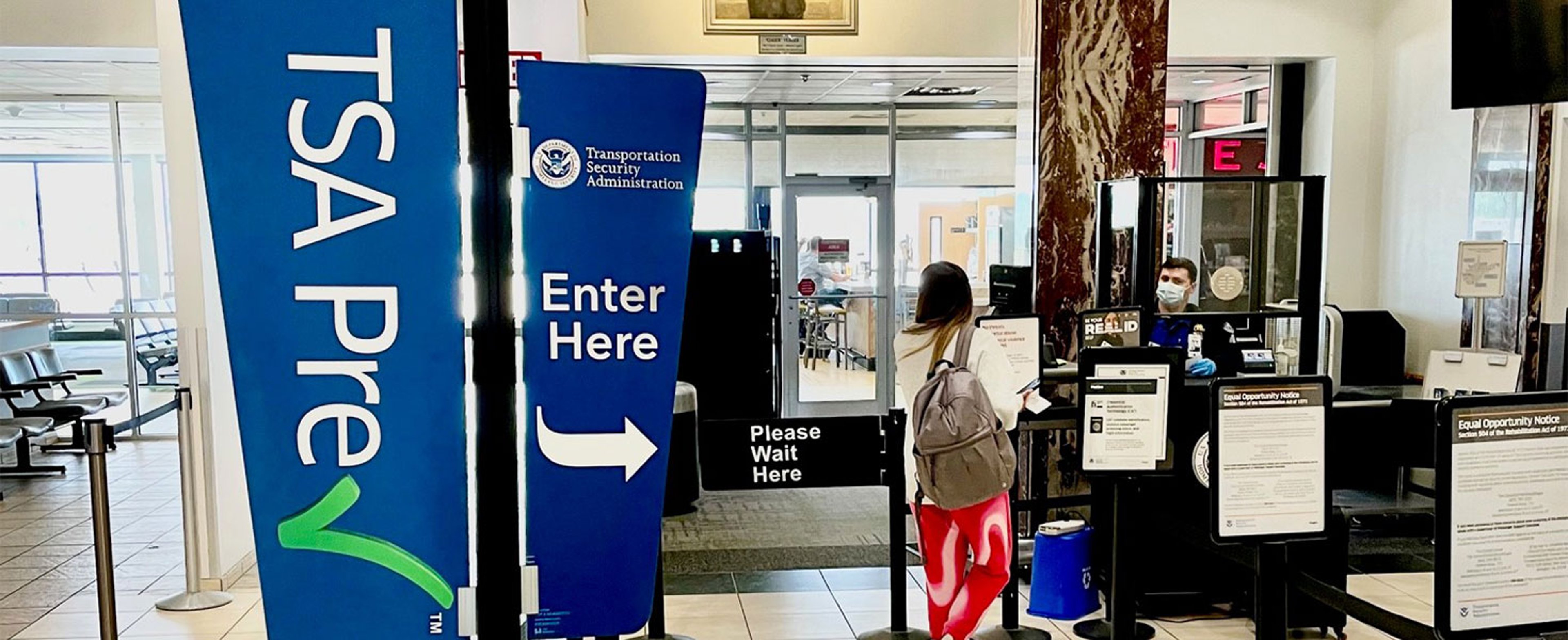
TSA PreCheck, by contrast, is a specific program managed by the Transportation Security Administration. When you enroll in TSA PreCheck, you are granted a KTN. However, the reverse is also true: if you have a KTN through Global Entry or another government-vetted program, that same number grants you access to the benefits of TSA PreCheck. Essentially, TSA PreCheck is the benefit, and the KTN is the mechanism used to link your personal identity to that benefit within the airline’s reservation systems.
Understanding the Role of the KTN
The primary purpose of the KTN is to allow the TSA to cross-reference your flight reservation with their internal database of pre-vetted passengers. When you enter your KTN into your airline’s website or mobile application, the airline transmits this data to the TSA through the Secure Flight program.
The TSA’s Secure Flight system then verifies the status of the KTN. If the number is active and valid, the TSA instructs the airline to print the "TSA PRECHK" indicator on your boarding pass. Without this indicator appearing on your boarding pass, you cannot access the expedited security lanes, regardless of whether you are an enrolled member of a program.
Programs That Issue a Known Traveler Number
Many travelers mistakenly believe that they must apply specifically for TSA PreCheck to receive a KTN. In reality, several programs under the Customs and Border Protection (CBP) umbrella also provide a KTN that is fully compatible with TSA PreCheck.
- TSA PreCheck: A program specifically for expedited domestic screening in the United States.
- Global Entry: Primarily for expedited international customs clearance upon re-entry into the U.S., but it includes TSA PreCheck benefits automatically.
- NEXUS: For travelers frequently moving between the United States and Canada.
- SENTRI: For travelers frequently crossing the U.S.-Mexico border.
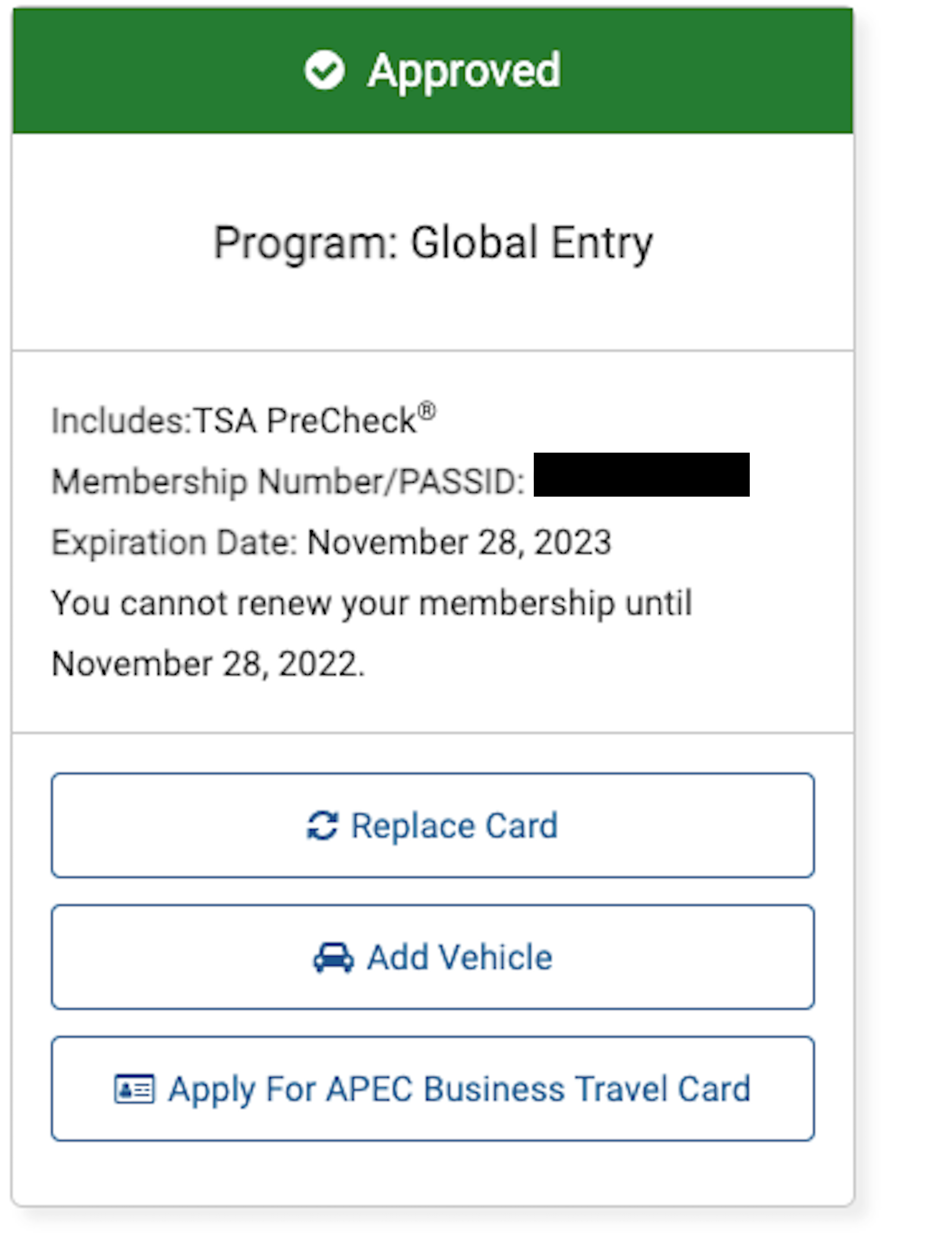
If you are enrolled in any of these programs, you already possess a KTN. You do not need to apply for TSA PreCheck separately. Simply locate the member ID or PASSID provided on your membership card or through your TTP (Trusted Traveler Program) dashboard and enter it into the "Known Traveler Number" field when booking airfare.
How to Properly Apply Your KTN
A common point of frustration for travelers is discovering at the airport that their TSA PreCheck benefits were not applied to their ticket. This usually occurs because the KTN was omitted during the booking process.
To ensure the benefit is applied correctly:
- Enter at Booking: The most reliable method is to enter your KTN into the dedicated field during the initial flight reservation process on the airline's website.
- Add to Frequent Flyer Profiles: To avoid manual entry for every trip, log into your frequent flyer account for each airline you use. Add your KTN to your traveler profile. The airline system will then automatically associate it with every flight you book under that account.
- Post-Booking Updates: If you forgot to add the number during booking, most major airlines allow you to add it via the "Manage Booking" or "My Trips" section on their website or mobile app.
- Boarding Pass Verification: Always check your boarding pass before proceeding to security. If the "TSA PRECHK" text or the corresponding barcode indicator is missing, return to the airline check-in counter or visit a kiosk to have the agent manually add your KTN.
Comparative Overview of Trusted Traveler Programs
The table below clarifies how different programs provide access to expedited screening benefits.
| Program | Primary Function | Includes TSA PreCheck? | KTN Issued? |
|---|---|---|---|
| TSA PreCheck | Domestic Security | Yes | Yes |
| Global Entry | International Customs | Yes | Yes |
| NEXUS | U.S.-Canada Border | Yes | Yes |
| SENTRI | U.S.-Mexico Border | Yes | Yes |
Limitations and Troubleshooting
Possessing a KTN does not guarantee expedited screening on every single flight. Several factors can affect your eligibility or result in a temporary loss of the benefit for a specific journey.
Random Screening: The TSA maintains the right to conduct random security checks. Even if you are a TSA PreCheck member, you may occasionally be selected for standard screening. This is a security measure designed to maintain the unpredictability of the system.
Airline Compatibility: While most major international and domestic carriers participate in the TSA PreCheck program, not every airline worldwide does. If you are flying on a small regional airline or a foreign carrier that does not participate in the TSA PreCheck program, your KTN will not provide the benefit. Always verify the list of participating airlines on the official TSA website before assuming coverage.
Name Discrepancy: Your name on your airline reservation must match the name associated with your KTN exactly. If your ticket lists "John A. Smith" but your trusted traveler account is under "John Smith," the system may fail to match the records. If you experience persistent issues, verify that your identification documents and your TTP profile are perfectly aligned.
Membership Expiration: KTN status is not permanent. Most memberships are valid for five years. Once your membership expires, your KTN will be deactivated by the TSA, and you will lose access to the expedited lanes until you renew your status and pay the associated fees.
Strategic Considerations for Frequent Travelers
For those who travel internationally at least once every year, obtaining Global Entry is often the superior financial and functional choice. While the initial application fee for Global Entry is higher than that of a standalone TSA PreCheck enrollment, it provides both international clearance benefits and the same KTN that grants TSA PreCheck.
If you are only interested in domestic travel, a standard TSA PreCheck enrollment remains the most cost-effective solution. However, always prioritize using your official government portal (the Trusted Traveler Programs website) for applications. As of 2026, third-party "application assistance" services often charge significant premiums above the standard government fees while offering no actual advantage in the approval process.
Frequently Asked Questions
Does having a KTN mean I am always approved for TSA PreCheck? No. While your KTN indicates you are a low-risk traveler, the TSA reserves the right to screen any passenger. Factors such as international flight requirements or random security cycles can necessitate that a traveler use the standard security lane instead of the PreCheck lane.
Where can I find my Known Traveler Number? If you are a member of a program like Global Entry, your KTN is the "PASSID" printed on the back of your physical membership card. You can also log into your account on the official U.S. Customs and Border Protection Trusted Traveler Programs website to view your number.
Can I use my KTN on international flights departing from other countries? No. TSA PreCheck benefits apply only when departing from airports within the United States and its territories. Once you are outside the U.S., you must follow the security screening protocols of the country you are departing from.
What should I do if my boarding pass does not show TSA PreCheck? First, ensure you are flying with an airline that participates in the program. If they do, verify that you entered your KTN correctly into your reservation. If both are correct, contact the airline's customer service or speak to an agent at the airport check-in desk to verify your information.
Does a KTN ever expire? Yes. Your KTN is tied to your membership in a trusted traveler program, which typically lasts for five years. You must renew your membership and pay the renewal fee to maintain the validity of your KTN.
If I lose my KTN, can I recover it? Yes. You can recover your number by logging into the Trusted Traveler Program portal or, in some cases, by checking the official documentation sent to you when you were first approved. It is recommended to store your KTN securely in a password manager or a secure digital document folder.
Next Steps for Your Travel Status
If you do not currently have a KTN, determine your travel habits before applying. If you travel internationally, initiate an application for Global Entry. If you strictly fly domestic, proceed with the TSA PreCheck application. Once you receive your PASSID or KTN, immediately update your frequent flyer profiles across all airlines you use. This proactive step ensures that you receive your expedited benefits automatically for every flight, reducing the need to manually enter your number for every reservation.
Image Gallery