Understanding Perfusionist Qualifications Required in the US
To practice as a certified clinical perfusionist in the United States, candidates must earn a bachelor’s degree, graduate from a perfusion education program accredited by the Commission on Accreditation of Allied Health Education Progr...
To practice as a certified clinical perfusionist in the United States, candidates must earn a bachelor’s degree, graduate from a perfusion education program accredited by the Commission on Accreditation of Allied Health Education Programs (CAAHEP), and pass the two-part examination administered by the American Board of Cardiovascular Perfusion (ABCP). Candidates must also fulfill state licensure laws where applicable.
Contents
What Does a Clinical Perfusionist Do?
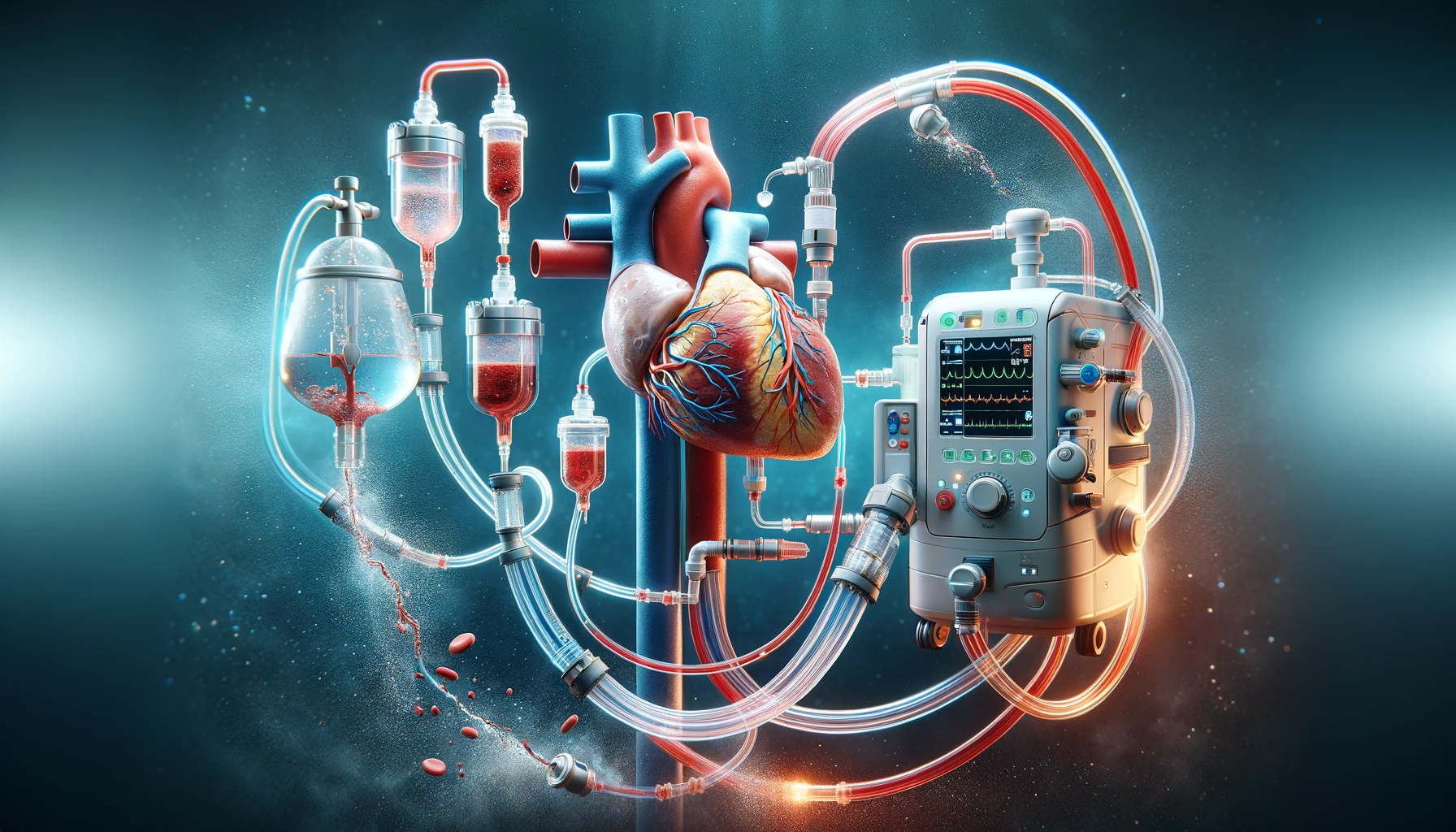
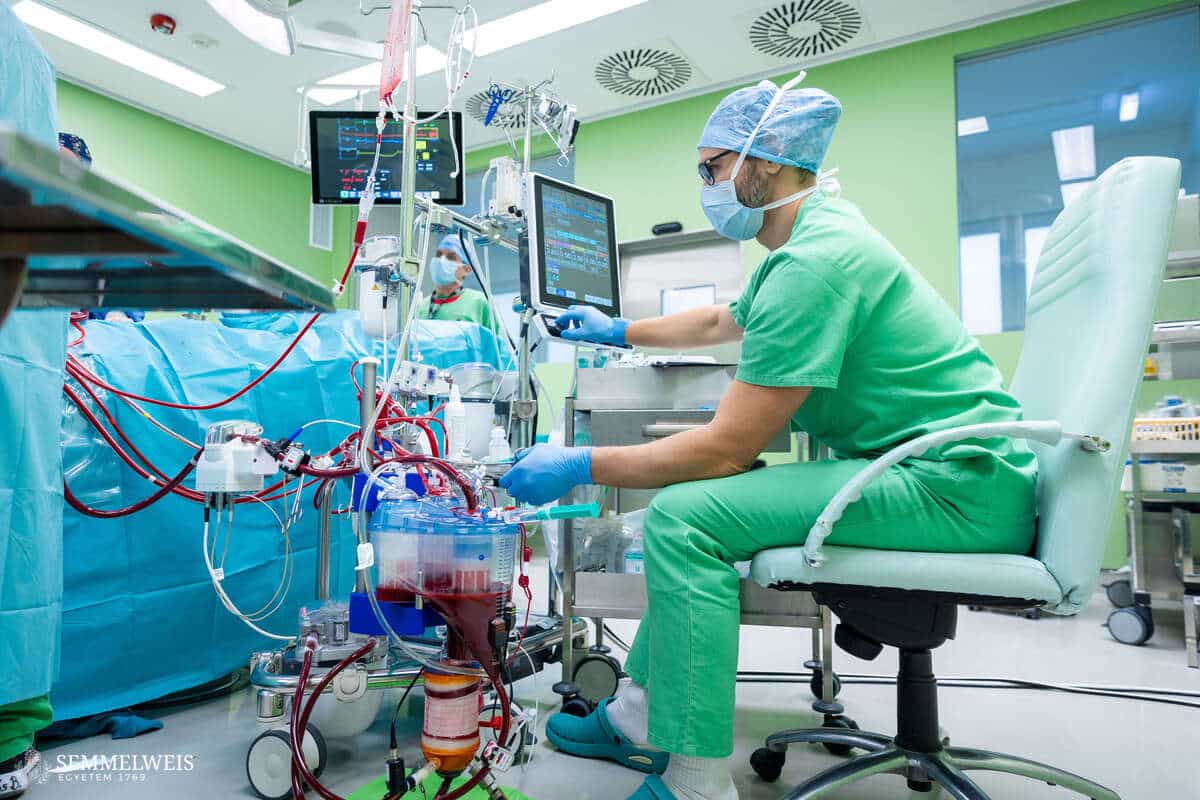
A clinical perfusionist is a specialized allied health professional who operates extracorporeal circulation equipment during medical procedures where a patient’s circulatory or respiratory functions must be artificially supported or temporarily replaced. Most prominently, perfusionists manage the cardiopulmonary bypass (CPB) machine—commonly referred to as the heart-lung machine—during open-heart surgeries such as coronary artery bypass grafting (CABG), heart valve repairs or replacements, and aortic aneurysm repairs.
Beyond open-heart surgery, the perfusionist's scope of practice encompasses several advanced blood-management and circulatory support technologies:
- Extracorporeal Membrane Oxygenation (ECMO): Providing long-term respiratory and cardiac support for critically ill pediatric and adult patients suffering from severe heart or lung failure.
- Autologous Blood Recovery (Cell Salvage): Collecting, washing, and reinfusing a patient’s own blood lost during major surgical procedures to minimize external blood transfusions.
- Ventricular Assist Devices (VADs): Managing short-term and long-term mechanical circulatory support systems used as a bridge to heart transplantation or destination therapy.
- Intra-Aortic Balloon Pumps (IABP): Operating counterpulsation devices to lower myocardial workload and enhance coronary artery perfusion.
- Therapeutic Apheresis and Organ Preservation: Assisting with specialized blood filtration techniques and maintaining donor organs during transport or ex vivo normothermic perfusion evaluation.
Because perfusionists directly control blood oxygenation, systemic arterial pressure, body temperature, and anticoagulation levels during life-critical operations, the qualifications required to enter and practice in this field are rigorous, standardized, and subject to continuous professional evaluation.
Educational Prerequisites and Accredited Perfusion Programs
Securing admission to a post-baccalaureate or graduate-level cardiovascular perfusion program requires a strong foundational background in hard sciences and clinical care concepts. While entry requirements vary slightly across academic institutions, candidates must satisfy explicit academic prerequisites prior to enrollment.
Required Undergraduate Coursework
Most accredited perfusion education programs require applicants to hold a Bachelor of Science (BS) or Bachelor of Arts (BA) degree from an accredited college or university. Popular undergraduate majors include biology, chemistry, nursing (BSN), exercise physiology, and health sciences. Regardless of the chosen major, applicants generally must complete the following college-level prerequisites with a minimum GPA (typically 3.0 on a 4.0 scale):
- Human Anatomy and Physiology: Two semesters with laboratory components.
- General Chemistry: Two semesters with laboratory components.
- Organic Chemistry or Biochemistry: One to two semesters with laboratory components.
- General Physics: One to two semesters covering fluid mechanics, thermodynamics, and electricity.
- College Algebra, Calculus, or Biostatistics: One semester.
- Microbiology or Cell Biology: One semester (recommended or required depending on the institution).
In addition to academic metrics, competitive applicants often possess direct patient care experience, such as working as a registered nurse (RN), respiratory therapist (RT), emergency medical technician (EMT), or surgical technologist, along with documented shadowing hours spent with a Certified Clinical Perfusionist in an operating room.
Accreditation Standards: CAAHEP and AC-PE
Educational programs offering cardiovascular perfusion training in the United States must be accredited by the Commission on Accreditation of Allied Health Education Programs (CAAHEP) upon the recommendation of the Accreditation Committee for Perfusion Education (AC-PE). CAAHEP accreditation ensures that the curriculum meets strict national standards regarding didactic instruction, laboratory simulation, and clinical rotations.
Accredited programs typically award one of two credentials upon graduation:
- Master of Science (MS or MSCP) in Cardiovascular Perfusion: Advanced two-year graduate programs incorporating clinical research, clinical rotations, and advanced coursework in pharmacology, pathology, and biomaterials.
- Post-Baccalaureate Certificate in Perfusion Technology: Intensive 12-to-18-month certificate tracks designed for applicants who already possess a bachelor’s degree (and often existing healthcare licenses) seeking direct clinical training.
Clinical Training and Internship Requirements
Didactic instruction alone does not qualify a candidate for national certification. CAAHEP-accredited programs integrate structured clinical internships within tertiary-care hospitals and academic medical centers.
During the clinical phase of training, student perfusionists work directly under the continuous supervision of licensed, certified clinical perfusionists. Students are trained to setup, prime, operate, and troubleshoot cardiopulmonary bypass circuits, cardioplegia delivery systems, and ancillary blood-handling devices across diverse surgical populations.
Case Load Minimums for Graduation and Certification
To graduate and qualify for national certification examinations, candidates must log a specified number and variety of clinical perfusion cases. The Accreditation Committee for Perfusion Education and the American Board of Cardiovascular Perfusion mandate that a student must participate as the primary perfusionist in a minimum of 75 clinical perfusion procedures during their training program.
These documented cases must include a balanced distribution of cardiac surgical procedures, such as:
- Routine adult cardiopulmonary bypass operations (CABG, valve replacement).
- Complex aortic reconstructions and reoperations.
- Pediatric and congenital heart surgeries (where available or simulated).
- Emergency surgical interventions and intra-operative blood management.
Accurate documentation of clinical cases—signed off by clinical preceptors and program directors—is submitted to the American Board of Cardiovascular Perfusion during the exam application process.
The ABCP Certification Process: Becoming a CCP
The national credential for practicing perfusionists in the United States is the Certified Clinical Perfusionist (CCP), issued by the American Board of Cardiovascular Perfusion (ABCP). Obtaining the CCP credential involves passing a comprehensive two-part national examination series.
- CAAHEP-Accredited Perfusion Program
- Part 1: PBSE Examination (Perfusion Basic Science Examination)
- Accumulate Clinical Cases Post-Graduation (Fulfill minimum case requirements for CAPE)
- Part 2: CAPE Examination (Clinical Applications in Perfusion Exam)
- Certified Clinical Perfusionist (CCP)
1. Perfusion Basic Science Examination (PBSE)
The PBSE is the first step in the national certification pathway. Candidates are eligible to sit for the PBSE after successfully completing all didactic and clinical requirements of a CAAHEP-accredited perfusion program or upon final graduation.
The computer-based exam evaluates fundamental knowledge across primary domains:
- Anatomy, physiology, and pathology related to cardiopulmonary systems.
- Pharmacology, hemodynamics, and blood coagulation kinetics.
- Perfusion equipment, oxygenator design, tubing materials, and pumps.
- Physiologic monitoring and laboratory value interpretation.
2. Clinical Applications in Perfusion Examination (CAPE)
The CAPE is the second exam required to earn the CCP credential. Candidates can take the CAPE after passing the PBSE and fulfilling the mandatory post-graduation clinical experience requirements.
The CAPE evaluates practical clinical decision-making, crisis management, troubleshooting extracorporeal circuits, surgical support strategies, and specialized perfusion techniques (such as hypothermic circulatory arrest and pediatric bypass strategies).
Earning the CCP Credential
Upon passing both the PBSE and the CAPE and presenting verified clinical logs, the candidate is designated a Certified Clinical Perfusionist (CCP) by the ABCP. This designation represents the national benchmark of competence in cardiovascular perfusion technology.
State Licensure vs. Hospital Credentialing
While national certification demonstrates professional competency, the legal authority to practice as a perfusionist is governed at the state level and through individual hospital medical staff privileging processes.
State Licensure Requirements
As of 2026, roughly half of US states mandate a specific state license to practice cardiovascular perfusion within their borders (including states such as Texas, California, Pennsylvania, Florida, Illinois, and New York). In states with formal licensure laws:
- Practicing without an active license is illegal.
- State licensing boards verify ABCP certification, educational credentials, and criminal background checks.
- Provisional or temporary licenses may be issued to recent graduates who have passed the PBSE and are actively preparing to take the CAPE under supervision.
In states that do not maintain explicit perfusion licensure acts, perfusionists practice under national certification standards and state medical board guidelines governing allied health personnel.
Hospital Credentialing and Privileging
Regardless of state licensure status, every hospital and surgical center requires perfusionists to undergo formal credentialing before granting clinical privileges in the operating room. Hospital credentialing committees review:
- Active ABCP certification status (CCP).
- State license (where applicable).
- Basic Life Support (BLS) and Advanced Cardiovascular Life Support (ACLS) certifications.
- Immunization records, health screenings, and background verifications.
- Peer references and verified surgical outcome history.
Summary Matrix of US Perfusionist Pathway Requirements
| Stage | Prerequisites / Requirements | Primary Certifying/Accrediting Body | Typical Duration |
|---|---|---|---|
| Undergraduate Education | Bachelor’s Degree (BS/BA) with coursework in Chemistry, Anatomy, Physiology, Physics, and Math. | Regional Accrediting Agencies / Universities | 4 Years |
| Perfusion Education | Graduation from an accredited Certificate or Master's Program; minimum 75 supervised clinical cases. | CAAHEP / AC-PE | 1 to 2 Years |
| Basic Certification | Pass the Perfusion Basic Science Examination (PBSE). | ABCP | Taken at/near graduation |
| Full Certification | Pass the Clinical Applications in Perfusion Exam (CAPE); submit verified clinical logs. | ABCP (CCP Credential) | Within 1-2 years of graduation |
| State Licensure | CCP designation, state application fee, background check, CPR/ACLS. | Individual State Medical / Perfusion Boards | 1-3 Months (Renewal: 1-2 Years) |
| Annual Maintenance | Minimum 40 clinical cases/year; 15 Continuing Education Units (CEUs)/year. | ABCP | Ongoing Annual Cycle |
Maintaining CCP Credential and Continuing Education
Maintaining active CCP status requires demonstrating continuous clinical activity and ongoing professional education. The American Board of Cardiovascular Perfusion mandates annual recertification to ensure that practitioners stay current with evolving surgical techniques, blood conservation standards, and mechanical circulatory support technologies.
Minimum Clinical Case Volume
To recertify, a Certified Clinical Perfusionist must document a minimum of 40 primary clinical perfusion cases per year. If a perfusionist fails to meet this annual clinical threshold due to administrative roles or medical leave, they may be placed on conditional status and required to fulfill supervised clinical cases or retake certification modules to regain active status.
Continuing Education Units (CEUs)
Perfusionists must earn continuing education credits over a designated cycle (typically 15 CEUs annually or 30 CEUs over a two-year reporting period). The ABCP categorizes CEUs into distinct categories:
- Category 1 (Primary Perfusion Education): Attending national or international perfusion conferences, publishing peer-reviewed research, participating in approved webinars, or completing certified self-study courses.
- Category 2 & 3 (Related Professional Activities): Participating in hospital committee work, attending general medical education seminars, or instructing students and medical staff.
Common Challenges and Career Advancement Pathways
Entering and sustaining a career in perfusion involves navigating competitive education programs and demanding clinical schedules.
Program Admissions Competition
Because there are fewer than 20 CAAHEP-accredited perfusion programs across the United States, admission is highly selective. Cohort sizes generally range from 4 to 20 students per class. Successful applicants distinguish themselves by combining strong science GPAs with healthcare experience and demonstrated knowledge of cardiopulmonary physiology gained through shadow experiences.
Work Environment and On-Call Demands
Perfusion is a critical-care discipline with non-standard working hours. Operating room cases can extend unexpectedly, and emergent heart surgeries (such as acute aortic dissections, heart transplants, or sudden ECMO deployments) require perfusionists to share frequent night, weekend, and holiday call coverage.
Career Growth
Experienced perfusionists can expand their career trajectory into specialized roles:
- Lead or Chief Perfusionist: Overseeing department administration, staffing schedules, budgeting, and hospital equipment procurement.
- ECMO Coordinator: Managing hospital-wide extracorporeal life support programs and training bedside ICU nurses and respiratory therapists.
- Clinical Educator / Program Director: Teaching in CAAHEP-accredited academic institutions.
- Industry Specialist: Working for medical device manufacturers in clinical research, product development, or field support for oxygenators, pumps, and autologous blood systems.
Frequently Asked Questions
What degree is best for getting into a perfusionist program?
A Bachelor of Science in Nursing (BSN), Biology, Chemistry, Physiology, or Health Sciences offers the ideal prerequisite background. The specific major is less important than satisfying all science prerequisites (Anatomy, Physiology, General Chemistry, Organic Chemistry, and Physics) with a strong GPA.
Can a registered nurse (RN) become a perfusionist without getting a second bachelor's degree?
Yes. Registered nurses who hold a Bachelor of Science in Nursing (BSN) and have completed all required science prerequisites can apply directly to post-baccalaureate certificate programs or Master of Science in Cardiovascular Perfusion programs without earning a new undergraduate degree.
How long does it take to become a Certified Clinical Perfusionist in the US?
It generally takes between 5 and 6 years in total: 4 years to complete a bachelor's degree, followed by 1 to 2 years to complete an accredited perfusion education program and pass the ABCP credentialing exams.
Do all US states require a license to practice perfusion?
No. Approximately half of US states have enacted formal perfusion licensure laws. In states without specific perfusion licenses, perfusionists must still maintain national certification (CCP) and meet local hospital credentialing and medical staff bylaws to practice.
What happens if a perfusionist does not complete enough clinical cases to recertify?
If a perfusionist fails to log the mandatory 40 clinical cases annually, their CCP credential may become inactive or probationally restricted. To regain active certification status, the perfusionist must complete supervised clinical cases or fulfill specific ABCP re-entry protocols, which may include re-examination.
Next Steps for Prospective Perfusionists
If you are considering a career as a cardiovascular perfusionist in the United States, follow these practical steps to build a competitive application profile:
- Audit Your Undergraduate Prerequisites: Review the prerequisite lists of accredited programs through the Accreditation Committee for Perfusion Education (AC-PE) to identify any missing chemistry, physics, or physiology courses.
- Arrange Clinical Shadowing: Contact local cardiovascular surgical departments or perfusion contract service providers to request shadowing hours. Documenting direct exposure to cardiopulmonary bypass operations is essential for program interviews.
- Gain Healthcare Experience: If you do not currently work in healthcare, consider gaining experience in critical care settings as an anesthesia technician, surgical technologist, or monitoring assistant.
- Verify Board Exam Guidelines: Review the official credentialing candidate handbook provided by the American Board of Cardiovascular Perfusion (ABCP) to familiarize yourself with the PBSE and CAPE exam structures and clinical log requirements.
Image Gallery