Choosing a Term Life Insurance Agency in Ohio: A Comprehensive Buyer's Guide
Choosing a term life insurance agency in Ohio requires verifying that the agency and its agents hold active licenses with the Ohio Department of Insurance, evaluating whether an independent or captive agency best fits your financial si...
Choosing a term life insurance agency in Ohio requires verifying that the agency and its agents hold active licenses with the Ohio Department of Insurance, evaluating whether an independent or captive agency best fits your financial situation, and ensuring the agency places policies with financially sound carriers holding strong financial strength ratings from independent rating agencies.
Contents
Understanding Agency Models: Independent vs. Captive Agencies in Ohio
When shopping for term life insurance in Ohio, the structure of the agency you choose directly impacts the variety of rates, policy structures, and underwriting guidelines available to you. Insurance agencies generally fall into two primary operational models: captive agencies and independent agencies.
| Captive Agencies | Independent Agencies |
|---|---|
| • Represent 1 single insurance carrier. | • Represent multiple insurance carriers (often 10 to 30+). |
| • Deep product knowledge for proprietary lines. | • Broad price & underwriting comparisons. |
| • May offer multi-policy discounts (home/auto). | • Ideal for impaired risks or niche coverage needs. |
| • Limited to proprietary pricing & terms. |
Captive Insurance Agencies
Captive agents work exclusively for a single insurance company, such as State Farm, Allstate, or Farmers.
- Advantages: Captive agents possess exhaustive knowledge of their specific company's proprietary term products, rider packages, and internal administrative workflows. If you already maintain personal lines (such as home or auto coverage) with that specific carrier, a captive agent can often apply multi-policy discounts across your account.
- Limitations: Captive agents are bound to a single underwriting manual and rate table. If their parent company considers a mild medical condition high-risk, or if their term rates for your age demographic are uncompetitive, the agent cannot shop your application across alternative carriers.
Independent Insurance Agencies
Independent agencies operate as non-exclusive brokers contracted with multiple life insurance companies—frequently ranging from a dozen to more than thirty different carriers (such as Prudential, Banner Life, Mutual of Omaha, and Pacific Life).
- Advantages: Independent agencies act as objective buyers on your behalf. Because term life rates vary significantly based on how individual carriers evaluate build, blood pressure, family history, and occupational risks, an independent agent can submit your profile to the carrier offering the most favorable underwriting classification.
- Limitations: Independent agencies may lack the deep multi-line bundling capabilities offered by captive personal-lines agencies, and customer service quality can vary depending on the agency's internal staffing and back-office resources.
Ohio Regulatory Verification and Consumer Protections
Life insurance products and the agents selling them are regulated at the state level. In Ohio, policyholder rights, licensing mandates, and market conduct standards are overseen by the Ohio Department of Insurance. Verifying regulatory compliance before disclosing sensitive medical or financial information protects you against unauthorized entities and predatory sales tactics.
- Ohio Department of Insurance
- Agent Licensing & Compliance
- Agent Search Tool
- License Status
- Disciplinary Records
- Consumer Protections
- 10-Day Free Look
- 31-Day Grace Period
- OLHIGA Safety Net ($300,000 Cap)
- Agent Licensing & Compliance
Verifying Agent and Agency Licensing
Before engaging an agency, verify that both the corporate entity and the individual producer hold active licenses in Ohio:
- Access the Ohio Department of Insurance (ODI) License Lookup portal.
- Confirm that the producer holds an active Life qualification.
- Review the database for any formal administrative actions, license suspensions, or regulatory sanctions.
Licensed producers in Ohio are legally required to adhere to suitability standards, ensuring that any policy recommendation aligns with your disclosed financial objectives and risk capacity.
Statutory Consumer Protections Under Ohio Law
Ohio insurance statutes establish several mandatory safeguards for term life policyholders:
- 10-Day Free Look Period: Under Ohio Revised Code § 3915.05, policyholders are granted a mandatory minimum 10-day "free look" period starting from the date the physical or electronic policy is delivered. During this window, you may cancel the coverage for any reason and receive a full refund of all premiums paid.
- 31-Day Grace Period: Ohio requires life insurance policies to include a grace period of at least 30 or 31 days for overdue premium payments. If the insured dies during this window, the death benefit remains payable, minus the unpaid premium balance.
- Incontestability Clause: After a policy has been in force for two years during the lifetime of the insured, the insurer cannot contest claims based on misstatements in the application, except in cases of deliberate fraud or non-payment of premiums.
The Ohio Life and Health Insurance Guaranty Association (OLHIGA)
If a licensed life insurance company becomes insolvent, the Ohio Life and Health Insurance Guaranty Association provides a statutory safety net for state residents. OLHIGA coverage for life insurance death benefits is capped at $300,000 per individual policyholder, regardless of the number of policies held with the insolvent carrier. Selecting an agency that partners with financially robust insurance carriers helps ensure you never need to rely on guaranty fund interventions.
Key Criteria for Evaluating a Term Life Insurance Agency
Evaluating an agency requires looking beyond basic price quotes. Assess an agency’s technical competence, carrier access, operational transparency, and administrative capabilities using these specific criteria.
1. Carrier Portfolio and Financial Ratings
A reputable agency should place policies exclusively with insurance companies holding high financial strength ratings from independent credit rating agencies. Financial ratings reflect an insurer's capital reserves, liquidity, and long-term ability to honor death benefit claims decades into the future. Look for carriers evaluated by:
- A.M. Best: Excellent (A, A-) or Superior (A+, A++)
- Standard & Poor's (S&P): Strong (A, A-, A+) or Very Strong (AA-, AA, AA+)
- Moody's: Good (A1, A2, A3) or Excellent (Aa1, Aa2, Aa3)
Agencies offering products from carriers rated below "A-" by A.M. Best present elevated credit risk over a 20- or 30-year term duration.
2. Underwriting Expertise and Impaired Risk Handling
If you have pre-existing medical conditions (such as type 2 diabetes, elevated cholesterol, or a history of cancer), an agency’s underwriting expertise becomes paramount. Superior agencies employ dedicated underwriting specialists who conduct pre-underwriting field assessments. They collect your medical records anonymously and submit informal inquiries to multiple carriers to identify which underwriter will offer the best rate class (e.g., Preferred Best, Preferred, Standard Plus, or Standard) without triggering a formal application decline.
3. Policy Conversion Privileges
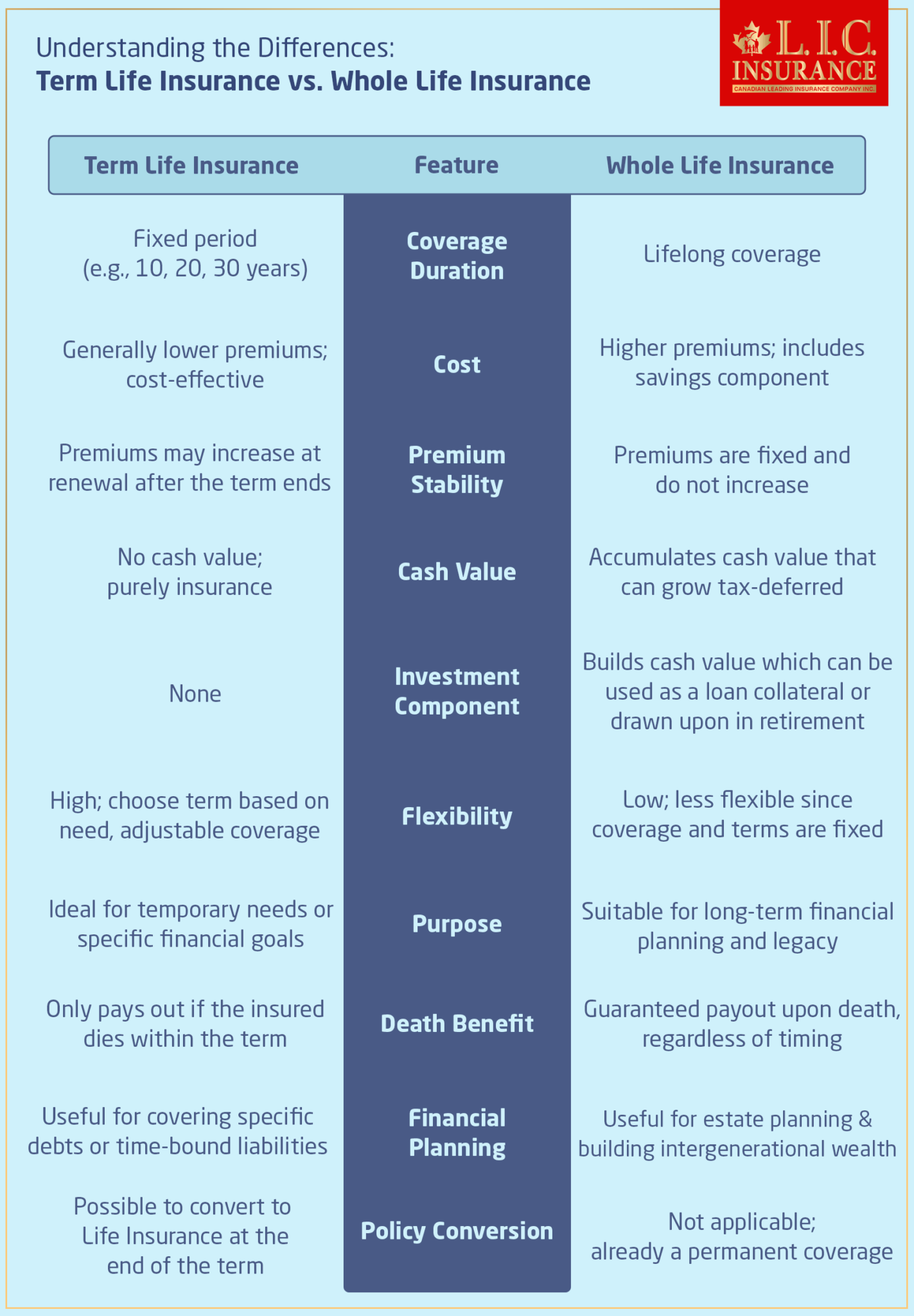
Term life insurance provides temporary coverage for a specified term (typically 10, 15, 20, 25, or 30 years). A critical quality marker for an agency is whether they proactively recommend policies featuring robust term conversion riders.
A conversion privilege allows you to exchange your term policy for a permanent cash-value policy (such as Whole Life or Universal Life) before a specified age (often age 65 or 70) without undergoing medical underwriting or proving evidence of insurability. This feature protects your insurability if you develop a severe medical condition during the term. High-quality agencies analyze the carrier's permanent product lineup to ensure conversion options are competitively priced, not just available on paper.
4. Fee Structure and Compensation Transparency
Life insurance agencies in Ohio are compensated primarily through commissions paid directly by the insurance carrier. These commissions are built into the state-filed policy premiums; consequently, you should not pay out-of-pocket agency consulting fees or application processing charges for standard term life policies. Be wary of agencies that attempt to levy separate administrative fees for policy quotes or processing.
Comparing Agency Models and Features
The table below compares the primary agency structures available to Ohio consumers to assist in matching your personal profile with the right distributor.
| Agency Feature / Metric | Independent Local Agency | Captive National Agency | Direct-to-Consumer Online Brokerage |
|---|---|---|---|
| Number of Carriers Represented | Multiple (typically 10 to 30+) | Single proprietary carrier | Multiple (varies by platform) |
| Primary Advantage | Customized shopping across underwriters | Seamless multi-line bundling (Home/Auto) | Rapid digital intake & automated quoting |
| Best Suited For | Complex medical histories, high net worth, custom estate needs | Existing policyholders seeking simple policy add-ons | Healthy individuals seeking standard accelerated underwriting |
| Licensing Jurisdiction | Ohio Department of Insurance | Ohio Department of Insurance | Ohio Department of Insurance (National Non-Resident) |
| Conversion Guidance | Evaluates conversion options across multiple carriers | Limited to parent carrier’s permanent products | Often self-service; variable post-sale support |
| In-Person Consultations | Available locally across Ohio | Available locally across Ohio | Rarely available (call center/digital portal) |
| Underwriting Depth | High (handles informal pre-assessments) | Moderate (bound by single carrier guidelines) | Moderate to Low (focused on automated algorithms) |
Step-by-Step Guide to Working with an Ohio Term Life Agency
Navigating the term life procurement process involves clear, sequential steps to secure accurate pricing and contract enforceability.
- Step 1: Calculate Need (DIME Method)
- Determine coverage amount & term length.
- Step 2: Verify Agency Licensing
- Confirm active Ohio Department of Insurance status.
- Step 3: Formal Intake & Application
- Complete health, lifestyle, & beneficiary disclosures.
- Step 4: Underwriting & Medical Exam
- Complete paramedical exam or digital record retrieval.
- Step 5: Policy Delivery & Free-Look Review
- Review policy terms during mandatory 10-day window.
Step 1: Calculate Your Required Coverage and Term Length
Before contacting an agency, estimate your financial obligations using established calculation frameworks, such as the DIME Method:
- Debt: Credit cards, auto loans, and personal debt balances.
- Income Replacement: Annual salary multiplied by the number of years your dependents require support.
- Mortgage: Outstanding principal balance on your home.
- Education: Projected college tuition and living expenses for surviving children.
Select a term length (10 to 30 years) that matches your longest financial liability, such as the duration of a home mortgage or the years remaining until retirement.
Step 2: Verify Agency Credentials
Search the Ohio Department of Insurance database to confirm the agency holds an active resident or non-resident business entity license, and verify that your specific agent is actively appointed in the state.
Step 3: Complete a Comprehensive Intake Application
During your initial consultation, provide accurate data regarding:
- Personal and family medical history
- Tobacco, nicotine, or cannabis usage
- Hazardous hobbies (e.g., private aviation, scuba diving)
- Foreign travel plans
- Driving record and criminal history
Note: Withholding medical details leads to incorrect initial quotes and can result in policy rescission under Ohio law if material misrepresentations are discovered during the two-year contestability window.
Step 4: Navigate Medical Underwriting or Accelerated Processing
Depending on your age, coverage amount, and medical profile, the agency will guide you through one of two underwriting paths:
- Accelerated Underwriting: Uses electronic health records, prescription history databases, and motor vehicle reports to approve coverage within days without requiring physical fluids.
- Fully Underwritten Coverage: Involves a paramedical examination (blood draw, urinalysis, height/weight check, and ECG) performed at your home or office by a licensed examiner at the carrier's expense.
Step 5: Review Policy Documents During the Free Look Period
Once the policy is issued, review the physical or electronic contract carefully. Confirm that the death benefit, premium payment schedules, beneficiary designations, and attached riders (such as Accelerated Death Benefits or Waiver of Premium) match your application expectations. If discrepancies exist, return the policy within the 10-day free look window for correction or cancellation.
Common Pitfalls to Avoid When Selecting an Agency
Avoid these critical errors when evaluating term life insurance agencies in Ohio:
- Focusing Exclusively on Initial Premium Cost: Selecting an agency solely because it presents the lowest software-generated quote can backfire. If the agency fails to account for a minor health condition during intake, the carrier's actual underwritten offer may be significantly higher than quoted.
- Ignoring Policy Conversion Terms: Many low-cost term contracts restrict conversion privileges to the first 5 years of a 20-year term or limit conversion options to expensive, non-competitive permanent products. Ensure your agent explains the exact contractual conversion rules.
- Overlooking Accelerated Death Benefit Riders: Most top-tier agencies include Living Benefit or Accelerated Death Benefit riders at no extra upfront cost. These riders allow policyholders to access a portion of the death benefit if diagnosed with a terminal illness. Avoid agencies that charge excessive administrative fees for these standard inclusions.
- Failing to Update Beneficiary Designations Post-Purchase: An agency should provide ongoing policy administration. Life changes—such as marriage, divorce, births, or trust creations—require updated beneficiary filings. Select an agency with a dedicated client services division rather than a transaction-only sales outlet.
Frequently Asked Questions
How do I verify if a life insurance agency is licensed in Ohio?
Visit the official Ohio Department of Insurance (ODI) website and use their public License Lookup tool. You can search by individual agent name, agency business name, or license number to confirm active standing and review any past regulatory or disciplinary actions.
What is the statutory limit for guaranty fund protection in Ohio?
Under the Ohio Life and Health Insurance Guaranty Association (OLHIGA), the maximum statutory protection for life insurance death benefits is $300,000 per insured individual. This coverage applies if a licensed insurer becomes financially insolvent.
Does Ohio law require a "free look" period for life insurance policies?
Yes. Ohio Revised Code § 3915.05 mandates a minimum 10-day free look period starting from the date you receive the policy. During this timeframe, you can cancel the contract for any reason and receive a complete refund of all premiums paid.
What is the difference between an independent agency and a captive agency?
An independent agency represents multiple insurance carriers, allowing them to compare rates and underwriting guidelines across competing companies. A captive agency represents a single insurance company and can only offer products and rates approved by that specific carrier.
Can I convert my term life policy to permanent coverage later without a medical exam?
Yes, provided your policy includes a contractual term conversion rider. This privilege allows you to convert all or a portion of your term policy into a permanent policy offered by the carrier without submitting medical records or undergoing a physical exam, provided the conversion occurs within the specified contractual deadline.
Summary and Next Steps
Selecting the right term life insurance agency in Ohio requires balancing regulatory verification, operational independence, and underwriting sophistication. To secure financial protection for your beneficiaries:
- Calculate your coverage timeline and total financial obligations using the DIME framework.
- Confirm agency licensing status on the Ohio Department of Insurance database.
- Partner with an independent agency if you require access to multiple carrier underwriting platforms or have pre-existing health conditions.
- Demand written policy proposals from carriers rated A- or higher by A.M. Best.
- Review policy conversion language and verify rider inclusions during your mandatory 10-day free look period.
EDITORIAL CATEGORY METADATA:
Image Gallery