How Much Does Elon Musk Make Per Day? Calculating Net Worth vs. Cash Earnings
Elon Musk does not earn a standard daily cash salary. Instead, his financial growth is driven almost entirely by equity appreciation in companies like Tesla, SpaceX, and xAI. Depending on stock market performance and valuation updates,...
Elon Musk does not earn a standard daily cash salary. Instead, his financial growth is driven almost entirely by equity appreciation in companies like Tesla, SpaceX, and xAI. Depending on stock market performance and valuation updates, Musk’s net worth has historically fluctuated by anywhere from $50 million to over $300 million per day on paper.
Contents
Understanding how much Elon Musk "makes" per day requires separating daily liquid cash earnings from unrealized net worth growth. Because Musk repeatedly declines standard cash salaries, traditional income metrics do not apply. His wealth rises and falls alongside public market valuations and private fundraising rounds, meaning his daily earnings are best understood as changes in asset value rather than direct paycheck deposits.
Salary vs. Equity Growth: How Elon Musk Gets Paid
To calculate Elon Musk's daily financial gains accurately, one must first recognize that cash salary accounts for virtually zero percent of his overall compensation.
Historically, Musk accepted the minimum standard wage mandated by California state law for his role as CEO of Tesla, which amounted to roughly $56,000 per year. However, he never accepted these paychecks, letting the funds accumulate uncashed or officially waiving them. Instead, Musk’s entire financial structure relies on performance-based equity incentives and ownership stakes in the enterprises he founded or leads.
Total Economic Gain = (Unrealized Stock Appreciation) + (Vested Options) - (Asset Depreciation)
Because his wealth is tied directly to equity, analyzing his earnings per day depends on the metric used:
- Cash Compensation: $0 per day. Musk receives no standard bi-weekly paycheck, direct deposit, or cash bonus from Tesla or SpaceX.
- Unrealized Net Worth Growth: Variable. Over multi-year bull runs, his paper net worth has increased by an average of $100 million to $300 million per day. On down days, his net worth can decrease by billions within hours.
- Vested Stock Options: Milestone-dependent. When performance packages vest, billions of dollars in stock options become executable at once, translating to massive single-day equity additions.
Calculating the Daily Figures: Historical Trajectories
Because daily market volatility produces wildly different results, reviewing specific historical periods illustrates how dramatically Musk’s daily gain calculations shift over time.
The 2020–2021 Boom Era
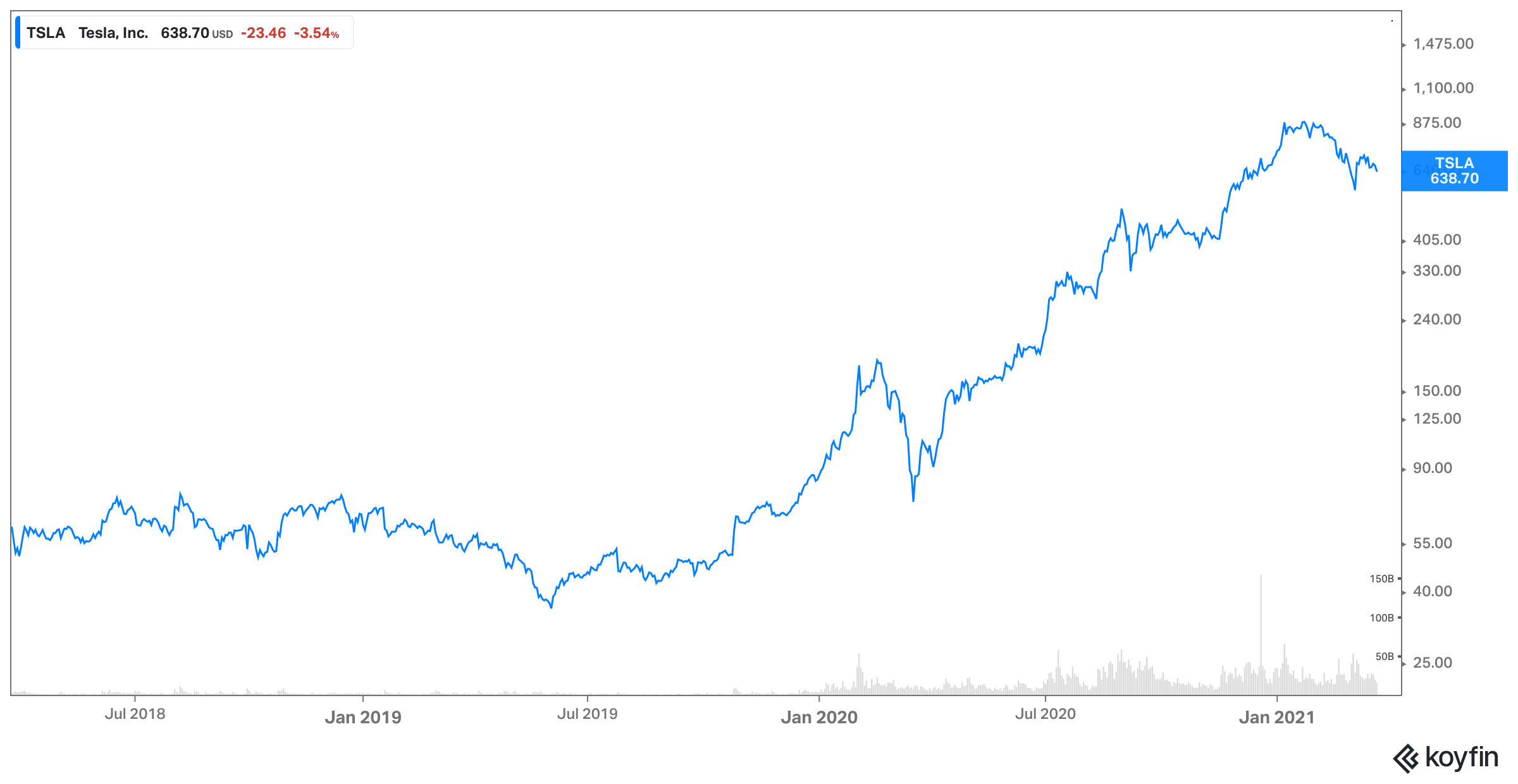
Between January 2020 and November 2021, Tesla’s market capitalization surged from under $100 billion to over $1 trillion.
- Starting Net Worth (Early 2020): Approximately $27 billion.
- Peak Net Worth (Late 2021): Approximately $340 billion.
- Total Gain: $313 billion over roughly 670 days.
- Average Daily Growth: ~$467 million per day.
During this historic rally, high-volume trading days occasionally added $10 billion to $20 billion to his net worth in a single 6.5-hour trading window—translating to paper earnings exceeding $1.5 billion per hour on peak market days.
Market Adjustments and Stabilization
Following peak valuations, market contractions and public acquisitions (such as the purchase of Twitter, later rebranded to X) led to sharp valuation declines. Throughout 2022, overall tech sector adjustments reduced Musk's paper net worth by more than $100 billion over 365 days, showing a calculated daily net loss of roughly $273 million per day.
Recent Multi-Year Averages
When averaged across broader 5-year periods incorporating both rapid expansions and market contractions, Musk’s net worth growth generally stabilizes to an average increase of $70 million to $120 million per calendar day.
Core Engines Driving Elon Musk’s Daily Valuation
Musk’s paper earnings fluctuate based on several distinct corporate entities, each with unique valuation dynamics and reporting mechanisms.
- Elon Musk's Primary Assets
- Tesla (TSLA) (Public Shares/Options)
- SpaceX (Private Valuation)
- xAI / X (Equity Ownership)
1. Tesla, Inc. (NASDAQ: TSLA)
Tesla remains the primary source of Musk’s liquid equity and net worth volatility. As of recent filings, Musk owns approximately 12% to 20% of Tesla’s outstanding common stock (depending on whether unexercised option packages are included). Because Tesla is publicly traded, every $1 shift in TSLA share price alters Musk’s personal net worth by hundreds of millions of dollars instantly.
2. SpaceX (Space Exploration Technologies Corp.)
Unlike Tesla, SpaceX is a privately held enterprise. Its contribution to Musk's net worth does not change minute-by-minute on an open exchange. Instead, SpaceX’s valuation updates periodically through insider tender offers and private funding rounds.
- Private tender valuations for SpaceX have scaled from $46 billion in 2020 to well over $200 billion.
- Because Musk maintains an estimated 40% to 50% ownership stake, a single private secondary market revaluation can raise his calculated net worth by $10 billion to $25 billion overnight, translating to massive step-function increases in daily average calculations.
3. xAI and X (Formerly Twitter)
Musk’s artificial intelligence venture, xAI, alongside his stake in holding entity X Corp, represents a growing share of his portfolio. Early-stage venture valuations in AI move rapidly during capital raises. When xAI secures new funding rounds at multi-billion-dollar valuations, Musk’s paper wealth experiences immediate, step-level gains.
4. Neuralink and The Boring Company
While contributing a smaller fraction to his aggregate wealth, private entities like Neuralink (brain-computer interfaces) and The Boring Company (infrastructure and tunneling) add several billion dollars of combined enterprise value to his overall asset sheet.
The Mechanics of Executive Equity: The 2018 Tesla CEO Pay Package
To understand how executive wealth accumulates without a cash salary, one must examine structured performance awards. The landmark 2018 Tesla CEO Performance Award serves as the primary template for how Musk’s equity scales.
Rather than receiving guaranteed annual cash or simple time-vested stock, the 2018 incentive structure made compensation entirely conditional on aggressive corporate milestones:
- Market Cap Hurdles: Market capitalization targets starting at $100 billion and increasing in $50 billion increments up to $650 billion.
- Operational Targets: Specific annual revenue and adjusted EBITDA (Earnings Before Interest, Taxes, Depreciation, and Amortization) thresholds.
- Tranche Structures: The agreement contained 12 distinct tranches of stock options. Each tranche allowed Musk to purchase roughly 1% of Tesla’s outstanding stock at a deeply discounted strike price once paired market-cap and operational goals were satisfied.
When these performance milestones were unlocked, tens of billions of dollars in equity value materialized over distinct evaluation periods. While legal challenges and corporate re-votes surrounding executive compensation plans create occasional procedural delays, the underlying mechanism remains the core driver of how major CEO equity awards operate.
Realized Cash vs. Unrealized Wealth: How Billionaires Fund Daily Expenses
A common question arises: If Elon Musk makes millions per day on paper but takes zero cash salary, how does he pay for personal purchases, investments, and taxes?
Borrowing Against Equity (Securities-Backed Loans)
Instead of selling stock—which triggers immediate capital gains taxes—high-net-worth executives frequently use Securities-Backed Lines of Credit (SBLOCs).
Executive Shares (Tesla/SpaceX): Pledges Equity to Financial Bank (Lender).
Financial Bank (Lender): Extends Cash Line of Credit.
Repays Loan via Stock Sales/Refinance.
Collateral: Musk pledges a portion of his Tesla or private equity holdings to financial institutions as collateral.
Liquidity: The lending institution provides cash access at competitive interest rates.
Tax Efficiency: Borrowed funds are not classified as taxable income under standard tax codes.
Exercising Stock Options and Tax Events
When stock options are exercised or shares are sold outright to cover tax obligations or acquisitions (such as the acquisition of Twitter in 2022), paper wealth converts into realized taxable income.
For instance, when Musk exercised a substantial block of expiring options in late 2021, he sold tens of billions of dollars in Tesla stock, generating a record personal federal tax bill exceeding $11 billion for a single calendar year. During those specific transaction windows, his realized income surpassed hundreds of millions of dollars per day in cash equivalent.
Comparing Daily Financial Metrics
The table below contrasts different ways to measure Elon Musk’s daily financial gains against standard compensation models.
| Metric / Category | Estimated Value / Rate | Valuation Mechanism | Taxable Status |
|---|---|---|---|
| Direct Cash Salary | $0 / day | Declined or waived base pay | N/A |
| Average Daily Net Worth Growth (5-Yr Avg) | ~$70M – $120M / day | Market appreciation of TSLA, SpaceX, and xAI | Unrealized (Untaxed until sold) |
| Peak Rally Daily Net Worth Growth (2020-2021) | ~$300M – $450M / day | Rapid equity evaluation shifts | Unrealized |
| Major Option Tranche Unlocks | Multi-Billion single-day events | Exercise of performance-based option awards | Taxable upon exercise |
| Average U.S. Full-Time Worker Income | ~$220 / day | Standard hourly wage or salary | Immediate income tax |
Frequently Asked Questions
Does Elon Musk get paid a regular paycheck?
No. Elon Musk does not receive a standard bi-weekly or monthly cash paycheck from Tesla, SpaceX, or any of his other companies. His income is structured almost exclusively around equity growth, stock options, and ownership stakes.
How much money does Elon Musk make in one second?
Using an average net worth growth figure of $100 million per day during expansion periods, Musk earns roughly $1,157 per second. However, because this is paper appreciation driven by stock prices, his wealth can also decrease by thousands of dollars per second during market declines.
Why does Musk’s daily income fluctuate so wildly?
Because the vast majority of his assets are tied to public stock (Tesla) and private corporate valuations (SpaceX, xAI). Public market swings driven by economic reports, corporate earnings, and investor sentiment immediately alter his calculated net worth every minute the stock exchange is open.
How does Elon Musk pay taxes if he has no regular income?
Musk pays taxes when he realizes capital gains—either by selling stock shares on the open market or when exercising taxable stock option grants. In years where he exercises massive option blocks, his tax liability reaches billions of dollars.
Is Elon Musk’s daily wealth gain considered taxable income?
Unrealized net worth growth is not taxed under standard tax regulations. As long as Musk holds his equity stakes without selling shares or executing specific options transactions, paper gains of $100 million or more per day remain untaxed capital growth until a liquidity event occurs.
Financial Context and Key Takeaways
When evaluating queries about how much high-profile executives earn per day, it is essential to distinguish between liquid cash flow and unrealized asset equity.
- Understand the Math: Quotes stating Musk makes tens or hundreds of millions per day are derived by dividing annual changes in paper net worth by 365 days.
- Recognize the Risk Profile: High daily gains in bull markets directly correlate with massive daily declines during market downturns.
- Differentiate Income Types: Traditional earnings come from salaries subject to standard payroll withholding, whereas billionaire wealth accumulation primarily relies on non-cash, performance-linked equity options and private enterprise valuations.
Image Gallery