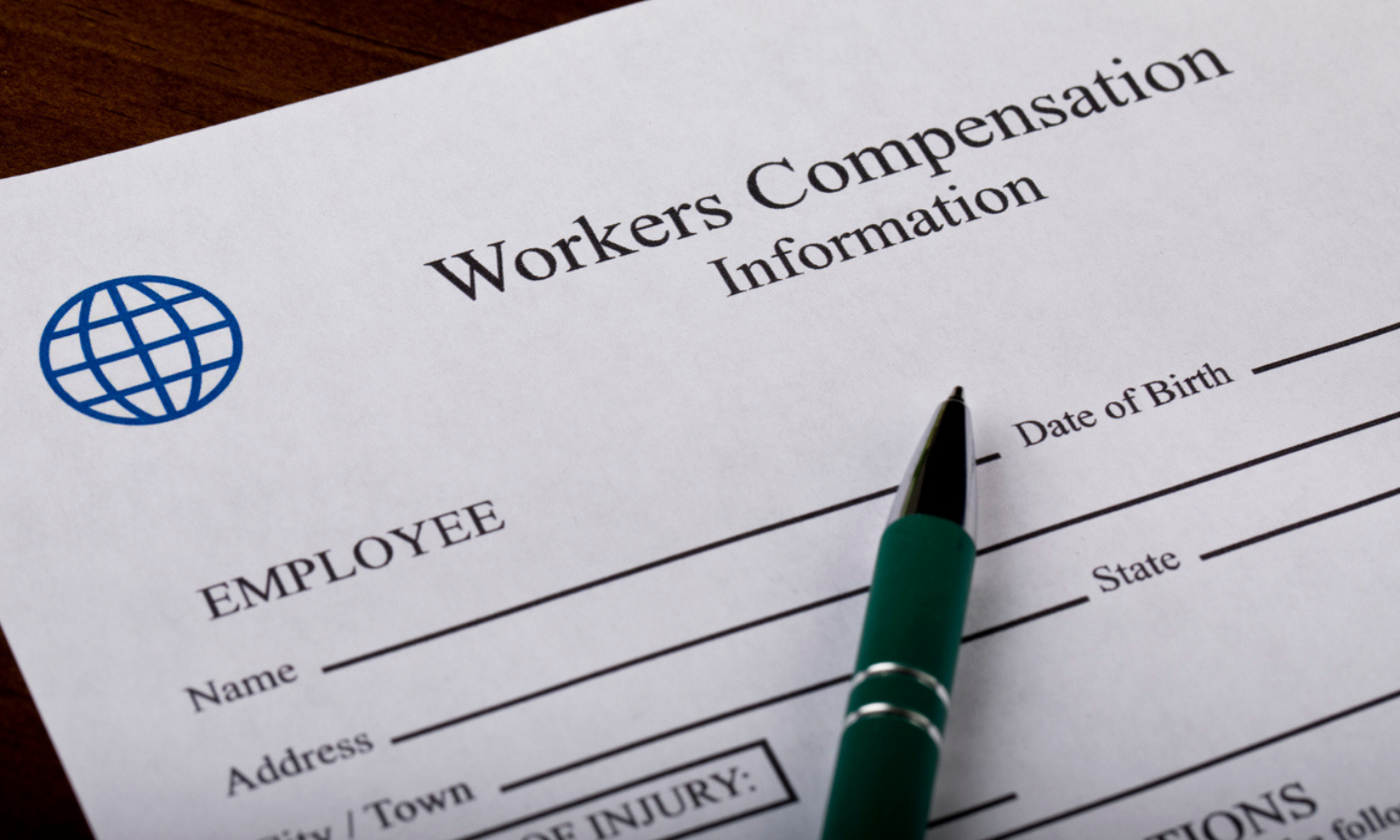
Wesfarmers Insurance Workers Compensation: What's True and What's Not
Understanding workers compensation within large corporate structures can be confusing, particularly when distinguishing between public commercial insurance products and internal self-insurance schemes. Public confusion often persists r...
Understanding workers compensation within large corporate structures can be confusing, particularly when distinguishing between public commercial insurance products and internal self-insurance schemes. Public confusion often persists regarding whether Wesfarmers operates a commercial workers compensation insurer or manages self-insured workplace injury claims for its own retail and industrial workforce across Australia.
Contents
Understanding how workers compensation operates within the Wesfarmers Group requires separating historical insurance operations from current corporate self-insurance practices. While Wesfarmers formerly owned general insurance underwriting entities, today its involvement in workers compensation is strictly as a licensed self-insured employer for its own workforce. Injured employees retain full statutory rights governed by state regulatory authorities, while external business owners must obtain workers compensation coverage through state schemes or licensed commercial insurers.
Clarifying Wesfarmers' Role in Workers Compensation
To understand how workers compensation applies to Wesfarmers, it is essential to distinguish between commercial insurance underwriting and corporate self-insurance.
Historically, Wesfarmers operated a commercial insurance segment, including Wesfarmers General Insurance Limited (WGIL) and brands such as Lumley Insurance. However, in 2014, Wesfarmers completed the sale of its underwriting business to Insurance Australia Group (IAG) and its broker network (OAMPS) to Arthur J. Gallagher & Co. Consequently, Wesfarmers does not sell commercial workers compensation policies to outside businesses.
Instead, Wesfarmers Limited operates as a licensed self-insurer for its operating subsidiaries—which include major retail and industrial brands such as Bunnings, Kmart, Target, Officeworks, and Wesfarmers Industrial and Safety. Under Australian workers compensation laws, qualified large employers can apply for self-insurance licenses. This status allows them to directly manage and fund workers compensation claims for their own employees rather than paying policy premiums into state-administered insurance pools or buying policies from commercial insurers.
Despite directly funding claims, self-insured corporations do not operate outside the law. They are bound by the exact same statutory benefits, return-to-work obligations, and dispute resolution mechanisms established by state regulators, such as the State Insurance Regulatory Authority (SIRA) in New South Wales, WorkSafe Victoria, WorkCover Queensland, and WorkCover WA.
Fact-Checking: What's True and What's Not
Misconceptions about workers compensation claims involving self-insured corporate giants are widespread. The following fact-check addresses common claims regarding Wesfarmers workers compensation.
Myth 1: Wesfarmers Sells Workers Compensation Policies to External Businesses
- The Reality: NOT TRUE.
- Wesfarmers divested its general insurance underwriting business (including Lumley Insurance) to IAG in 2014. Business owners seeking statutory workers compensation policies for their employees cannot purchase insurance from Wesfarmers. Employers must obtain coverage through their respective state scheme (such as icare in NSW or WorkSafe Victoria) or licensed statutory insurers depending on their jurisdiction.
Myth 2: Self-Insured Employers Create Their Own Claim Rules
- The Reality: NOT TRUE.
- A common misconception is that self-insured companies write their own legal definitions for workplace injuries and benefits. In reality, self-insured employers operate under strict legislative frameworks set by state and territory governments. For example, weekly compensation rates, medical expense coverage thresholds, and permanent impairment assessments are governed by legislation such as the Workplace Injury Management and Workers Compensation Act 1998 (NSW) or the Workplace Injury Rehabilitation and Compensation Act 2013 (Vic). Regulators conduct periodic audits to ensure self-insurers comply with statutory standards.
Myth 3: Injured Workers Must See Only Company-Nominated Doctors for Treatment
- The Reality: NOT TRUE.
- Under Australian workers compensation legislation, injured workers have the explicit legal right to choose their own primary treating doctor (typically their general practitioner). While Wesfarmers or its claims management delegates may request that an employee attend an Independent Medical Examination (IME) to assess liability, degree of impairment, or fitness for duty, the ongoing medical treatment, referrals, and certificates of capacity remain under the care of the worker's nominated doctor.
Myth 4: Self-Insurance Claim Denials Cannot Be Appealed Externally
- The Reality: NOT TRUE.
- If a self-insured claim is rejected, delayed, or disputed, the worker is not restricted to internal company reviews. Injured employees have access to the exact same external, independent dispute resolution pathways as workers insured under standard state schemes. Depending on the state, disputes can be lodged with bodies such as the Personal Injury Commission (NSW), the Workplace Injury Commission (Victoria), or the Workers' Compensation Regulator (Queensland).
Myth 5: Compensation Only Covers Sudden Physical Workplace Accidents
- The Reality: NOT TRUE.
- Workers compensation benefits apply to a broad range of work-related conditions, not just acute traumatic injuries like falls or cuts. Coverage includes:
- Occupational Overuse Injuries: Repetitive strain injuries (RSI), tendonitis, or chronic back pain resulting from repetitive lifting or store duties.
- Gradual Onset Conditions: Industrial deafness or respiratory issues accumulated over time.
- Psychological Injuries: Diagnoses such as severe anxiety, depression, or post-traumatic stress disorder (PTSD) arising out of or in the course of employment, provided work is a significant contributing factor (subject to reasonable management action exclusions).
Myth 6: Late Reporting Automatically Forfeits Claim Rights
- The Reality: NOT TRUE.
- While employees are legally required to report workplace injuries to their supervisor as soon as practicable, failing to report an injury immediately does not automatically invalidate a claim. Legislation accounts for situations where injury symptoms worsen gradually or medical advice connects a condition to employment at a later date. Valid claims can still be lodged after leaving employment, provided statutory time limits and reporting criteria are satisfied.
Key Comparisons: Standard Scheme Insurance vs. Corporate Self-Insurance
Understanding how a self-insured model differs from a standard state-administered scheme clarifies how claims are processed within large organizations like Wesfarmers.
| Feature / Aspect | Standard State Workers Compensation Scheme | Wesfarmers Self-Insured Scheme |
|---|---|---|
| Coverage Provider | State government pool (e.g., icare, WorkSafe Vic) or private statutory insurers. | Wesfarmers Limited (direct financial liability). |
| Target Audience | General business employers and their workforces. | Eligible employees within Wesfarmers operating divisions (e.g., Bunnings, Kmart, Target). |
| Governing Legislation | State/Territory Workers Compensation Acts. | State/Territory Workers Compensation Acts (Same legal rules). |
| Regulatory Oversight | State Authorities (SIRA, WorkSafe Victoria, WorkCover WA). | State Authorities (SIRA, WorkSafe Victoria, WorkCover WA). |
| Treating Doctor Selection | Chosen freely by the injured employee. | Chosen freely by the injured employee. |
| Claims Administration | State scheme agent or contracted insurer administrator. | Internal dedicated injury management team or specialized third-party administrator (TPA). |
| Dispute Resolution | External state tribunals, commissions, and ombudsmen. | External state tribunals, commissions, and ombudsmen. |
| Policy Purchasing | Open to public business owners. | Not available to external commercial businesses. |
How the Claims Process Works for Wesfarmers Employees
When an employee within a Wesfarmers business division sustains a work-related injury or illness, the process follows a defined statutory sequence designed to support recovery and return to work.
- Workplace Injury Occurs
- Notify Supervisor & Seek Medical Care
- Obtain Certificate of Capacity from GP
- Formally Lodge Workers Compensation Claim Form
- Claim Determination by Self-Insurance Team / TPA
- Claim Accepted
- Receive Benefits & Start Injury Management Plan
- Claim Disputed / Denied
- Request Internal Review / Lodge External Dispute
- Claim Accepted
1. Injury Notification and Immediate Medical Care
The injured worker must inform their store manager, team leader, or safety representative as soon as reasonably practical. Prompt reporting ensures hazards are mitigated and an entry is created in the incident register. If immediate medical treatment is required, the worker can seek care from any emergency department or medical practitioner of their choice.
2. Obtaining a Certificate of Capacity
For time lost from work or modified duty requests, the worker must visit their general practitioner (GP). The GP assesses the injury and completes an official Certificate of Capacity (or Certificate of Fitness). This document details:
- The medical diagnosis and its connection to work duties.
- Practical physical capacity (e.g., lifting limits, standing duration, driving restrictions).
- Recommended medical treatment plans.
- The expected timeframe for recovery or modified duties.
3. Claim Lodgement
The employee completes a formal workers compensation claim form and submits it alongside the Certificate of Capacity to their employer's designated human resources, safety, or injury management contact.
4. Claim Determination
The self-insurance claims management team (or their appointed third-party administrator) reviews the submitted documentation. State legislation dictates mandatory timeframes within which the insurer must accept, dispute, or provisionally approve liability (often within 7 to 21 days depending on the state). During this window, provisional payments for medical expenses or weekly wage compensation may commence.
5. Injury Management and Return-to-Work (RTW) Planning
If the claim is accepted, an accredited Return-to-Work Coordinator collaborates with the worker, their treating GP, and workplace managers to develop a tailored workplace rehabilitation plan. This plan outlines suitable duties, workplace adjustments, and gradual hour increases aimed at supporting a safe recovery at work.
Injured Worker Rights, Obligations, and Protections
Navigating a self-insured workers compensation claim requires awareness of statutory protections as well as employee obligations.
Statutory Rights of Employees
- Right to Medical Treatment: Approved reasonable and necessary medical care, including consultations, surgeries, physiotherapy, medications, and medical aids, is paid for by the self-insurer.
- Wage Replacement (Weekly Payments): If certified unfit for normal duties, workers are entitled to income support based on a percentage of their Pre-Injury Average Weekly Earnings (PIAWE), subject to statutory caps and step-downs over time.
- Protection Against Unlawful Dismissal: Australian state workers compensation laws forbid employers from terminating an employee solely due to a workplace injury within specified protected periods (typically 6 to 12 months post-injury, depending on the jurisdiction).
- Right to Rehabilitation Support: Access to occupational rehabilitation services, workplace modifications, and retargeted training if returning to pre-injury duties is not medically feasible.
Obligations of Injured Workers
- Active Participation: Injured workers are expected to participate constructively in their return-to-work plan and attend scheduled rehabilitation appointments.
- Providing Updated Certificates: Continuous Certificates of Capacity from the treating doctor must be submitted on time to ensure uninterrupted weekly compensation payments.
- Attending Independent Examinations: If reasonable requests are made, the worker must attend independent medical examinations scheduled by the self-insurer to evaluate treatment progress or injury stabilization.
Resolving Disputes and Escalation Pathways
If a claim is rejected, medical treatments are denied, or weekly wage calculations are disputed, workers are not left without recourse. The legal frameworks governing self-insurance guarantee access to formal dispute mechanisms.
- Internal Dispute Review: A worker can request an internal review by contacting the self-insurance claims team, providing supplementary medical evidence or clarified job descriptions.
- State Regulatory Support and Assistance: Organizations like the Worker Advisory Services, Union Representatives, or the relevant state ombudsman offer guidance regarding statutory rights.
- Formal State Conciliation and Dispute Resolution: If internal review does not resolve the issue, formal disputes can be lodged with state-specific bodies:
- New South Wales: Personal Injury Commission (PIC)
- Victoria: Workplace Injury Commission (WIC)
- Queensland: Workers' Compensation Regulator
- Western Australia: Conciliation and Arbitration Services at WorkCover WA
- Legal Representation: Injured workers may engage personal injury legal representation. In many jurisdictions (such as NSW under the Independent Review Office - IRO), funding support is available so workers do not incur out-of-pocket legal costs when disputing a statutory workers compensation decision.
Frequently Asked Questions
Can external small businesses buy workers compensation coverage from Wesfarmers?
No. Wesfarmers divested its commercial general insurance business in 2014. Business owners must secure statutory workers compensation insurance policies from state-run government schemes or licensed commercial insurers operating within their jurisdiction.
What does it mean that Wesfarmers is a self-insured employer?
Self-insurance means that Wesfarmers Limited is legally licensed to manage and pay for its own employees' workplace injury claims directly out of corporate funds, rather than paying policy premiums to a state insurance pool. However, Wesfarmers must comply strictly with state workers compensation legislation and regulatory oversight.
Does Wesfarmers decide what medical treatment an injured worker receives?
No. The injured worker's chosen doctor (such as their GP) determines necessary medical treatment. The self-insurer reviews treatment requests to ensure they are "reasonable and necessary" under statutory guidelines, but they cannot dictate which treating doctor a worker sees.
What happens if my psychological injury claim is rejected by a self-insurer?
If a psychological claim is rejected—often under statutory provisions regarding reasonable management action—you have the right to request an internal review or lodge a formal dispute with your state's dispute resolution body (e.g., Personal Injury Commission or Workplace Injury Commission). Obtaining comprehensive medical reports from your treating psychiatrist or psychologist is crucial during this process.
Are casual employees at Wesfarmers businesses eligible for workers compensation?
Yes. Statutory workers compensation legislation covers casual, part-time, and full-time employees equally. If a casual worker sustains a work-related injury, they are eligible for medical expense coverage and weekly wage compensation calculated on their average earnings prior to the injury.
Recommended Next Steps
If you are an employee working within a Wesfarmers enterprise who has sustained a workplace injury or illness, take these practical steps to protect your health and legal rights:
- Notify Your Supervisor Immediately: Ensure your injury is recorded in your store or workplace incident register, detailing the time, location, and cause of the event.
- Consult Your Own Doctor: Visit your general practitioner, obtain a detailed assessment, and secure an official statutory Certificate of Capacity detailing your work restrictions.
- Lodge Your Formal Claim: Complete your state's worker claim form and submit it promptly to your internal workplace safety or HR representative.
- Maintain Complete Documentation: Keep copies of all medical certificates, treatment receipts, correspondence, and injury management plans.
- Seek Independent Advice if Facing Delays: If your claim is delayed, rejected, or disputed, contact your relevant state regulator, union representative, or an accredited personal injury lawyer to understand your appeal rights.
Image Gallery