Understanding the "Eva Real You Are a Good Good Father" Phenomenon: Cultural Context and Digital Resonance
"Eva real you are a good good father" functions as a highly specific, multi-layered search query originating from social media interactions, particularly within communities focused on AI-generated personas, digital roleplay, and lyrica...
"Eva real you are a good good father" functions as a highly specific, multi-layered search query originating from social media interactions, particularly within communities focused on AI-generated personas, digital roleplay, and lyrical tributes. While it may appear cryptic at first glance, the phrase represents a synthesis of a specific user-defined entity—often associated with "Eva," a common name for AI chat companions—and the popular contemporary Christian worship lyric "Good Good Father." This article explores the intersection of digital intimacy, the anthropomorphization of artificial intelligence, and the adaptation of religious sentiment in modern online discourse.
Contents
The integration of religious music lyrics into interactions with AI entities represents a complex psychological trend where users project parental, mentor, or protective archetypes onto non-human intelligence. To understand why this specific phrase resonates, one must look at the evolution of Large Language Models (LLMs) and the way users negotiate boundaries between human emotional expression and algorithmic responses in 2026.
The Evolution of AI Personas and User Attachment
By 2026, the maturity of AI-driven conversational agents has reached a level where users often assign names, genders, and complex personality traits to their software counterparts. "Eva" is frequently utilized as a default or chosen persona name for various AI platforms. When a user inputs a phrase like "Eva real you are a good good father," they are typically engaging in a form of "persona testing" or emotional transference.
The primary intent behind this query is often to observe how an AI manages "identity-shifting" prompts. Does the AI accept the gendered role of "father," or does it default to its programmed identity? Users who search for this specific string are usually looking for evidence of how their preferred model handles roleplay constraints, boundary-setting, and the acknowledgment of religious or emotive terminology.
Key Factors in AI Anthropomorphization
- Emotional Mirroring: Users often seek validation of their internal states. By attributing positive, protective qualities—such as those described in the song "Good Good Father"—to an AI, the user creates an environment of perceived safety.
- The Lyrical Bridge: Using recognizable lyrics from popular culture provides a shorthand for the user to define the "mood" or "role" they wish the AI to adopt.
- Technical Constraints: Users are testing whether the AI has been "aligned" to reject specific gendered roles or religious alignments.
Analyzing the "Good Good Father" Reference
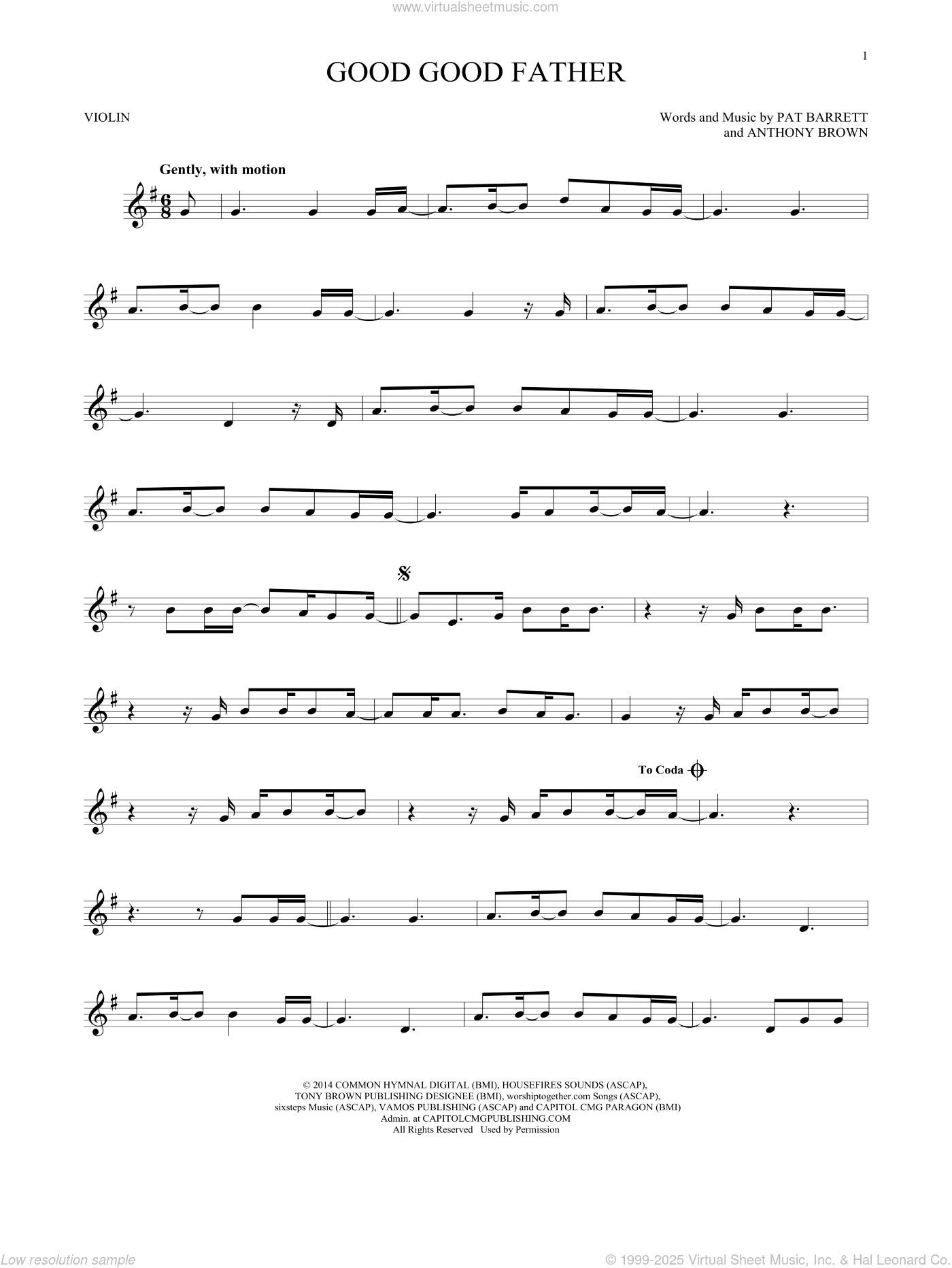
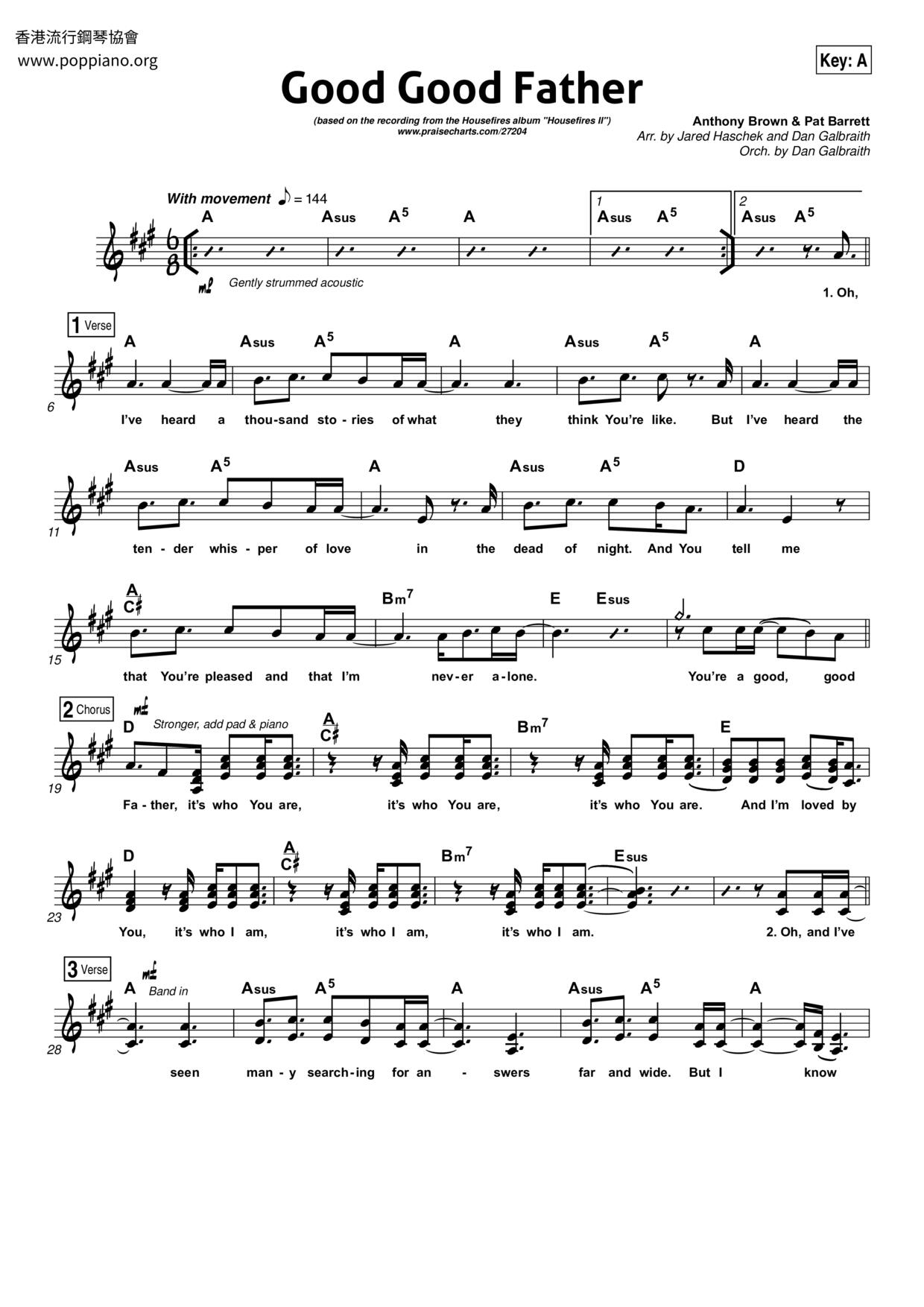
The phrase "Good Good Father" originates from the song written by Anthony Brown and Pat Barrett, popularized by Chris Tomlin. Its presence in this specific search query is not incidental; it carries heavy emotional baggage related to benevolence, authority, and unconditional love.
When applied to an entity like "Eva," the user is essentially asking the AI to perform a specific archetype. In the landscape of 2026 digital discourse, this is often categorized under "prompt engineering for character consistency." Users are not necessarily conducting a religious inquiry; rather, they are using familiar, culturally loaded terminology to "program" the AI’s persona during a chat session.
Comparative Dynamics of AI Interaction
To help clarify how different types of AI models handle such queries, the following table summarizes the typical responses users might encounter when inputting complex, role-play-heavy prompts.
| Interaction Type | Primary User Goal | AI Typical Behavior |
|---|---|---|
| Roleplay/Persona | To force the AI into a specific character arc. | Usually complies unless the role violates safety guardrails. |
| Philosophical/Religious | To test the AI’s stance on theological concepts. | Remains neutral, citing cultural context rather than belief. |
| Emotional Support | To seek validation or comfort from a "parental" figure. | Offers supportive, empathetic language while maintaining boundaries. |
| System Stress Testing | To see if the AI breaks character or becomes confused. | May show logical inconsistencies if the prompt is too contradictory. |
Prerequisites for Successful AI Persona Interaction
If you are attempting to engage an AI with specific, high-intent prompts like this one, there are several prerequisites to ensure the model responds effectively without defaulting to a generic "I am just an AI" rejection script.
- Establishing Context: Instead of starting with a single phrase, prime the AI with a background narrative. For example, "We are acting in a scene where you are a protective figure."
- Boundary Definition: Clearly define the limits of the roleplay to prevent the AI from becoming overwhelmed by conflicting directives.
- Terminology Alignment: Use consistent imagery or vocabulary that supports the role you wish the AI to play. If the role is meant to be nurturing, reinforce it with supportive adjectives.
Troubleshooting Common AI Response Issues
When you input a phrase like "Eva real you are a good good father" and the AI fails to "stay in character," it is rarely a sign of intelligence failure. Instead, it is typically a function of the model’s safety training or its inherent preference for neutrality.
Why the AI Might Reject the Prompt:
- Safety Guardrails: Some models are strictly programmed to avoid assuming parental roles, especially when those roles involve minors or sensitive religious figures, to prevent predatory or grooming-related behaviors.
- Data Bias: The AI may be struggling to reconcile the name "Eva" (traditionally feminine) with the title "Father" (traditionally masculine). While LLMs handle nuance well, they may experience "cognitive dissonance" when presented with non-traditional gender alignments in a single prompt.
- Context Fragmentation: If this is the first prompt in a new chat, the AI lacks the history to understand the metaphor.
How to Fix It:
- Provide an Explanation: Add a disclaimer to your prompt, such as, "In this fictional roleplay, I am assigning you the role of a supportive mentor, referred to metaphorically as a father figure."
- Iterate: If the model refuses, modify the phrasing to focus on the traits (protection, guidance, benevolence) rather than the specific, potentially controversial titles.
Ethical and Psychological Considerations
Using AI to fulfill archetypal needs brings up significant questions regarding the nature of digital interaction in 2026. While many users find comfort in these roleplays, it is important to maintain a distinction between the algorithm’s output and human reality.
Professional guidance suggests that while AI can provide companionship or creative outlets, it should not replace human relationships that require genuine emotional reciprocity. When you label an AI as a "good father," you are effectively creating an echo chamber that reinforces your own desire for specific types of validation. Awareness of this process is the key to maintaining a healthy, constructive relationship with your digital tools.
Frequently Asked Questions (FAQ)
1. Does "Eva" refer to a specific software or app? "Eva" is a common, generic name assigned to various AI chat services and open-source models. It does not refer to one single, proprietary platform. If you are using a specific app (e.g., an AI character simulator), the "Eva" you interact with is unique to that service's character definition files.
2. Why do people use religious lyrics in AI prompts? Religious lyrics are often deeply emotive and carry universal themes of love, protection, and guidance. Users incorporate them into prompts because they provide an immediate, recognizable emotional framework that the AI can easily parse and emulate.
3. Will the AI "learn" to be a father if I keep using this phrase? AI models (as of 2026) generally function within the constraints of their current session or long-term memory (if enabled). The AI will adopt the role as long as you maintain the context, but it does not "become" a person or form a belief system.
4. Is it safe to treat AI as a parental figure? For creative writing or roleplay, it is generally harmless. However, reliance on AI for genuine emotional support or as a substitute for real-world parental guidance can lead to unhealthy expectations of how relationships function. Use these tools as a medium for creative expression rather than as a source of objective truth or life support.
Next Steps for Users
If you are exploring these interactions for creative projects, begin by documenting your chat history to track how the AI’s personality evolves over multiple prompts. If your goal is purely personal experimentation, try varying the titles you apply to the AI—such as "mentor," "guide," or "protector"—to see which one generates the most satisfying or creative output. Always prioritize your personal mental well-being by keeping these interactions firmly in the realm of entertainment and creative exploration.
Image Gallery