Understanding the Workers Compensation NC Cost: A Guide for Employers
Understanding the workers compensation NC cost involves navigating North Carolina’s state-mandated insurance requirements, where premiums are determined by payroll size, industry risk classifications, and historical loss experience. Em...
Understanding the workers compensation NC cost involves navigating North Carolina’s state-mandated insurance requirements, where premiums are determined by payroll size, industry risk classifications, and historical loss experience. Employers must balance mandatory coverage obligations with risk management strategies to maintain fiscal efficiency while ensuring legal compliance under the North Carolina Workers’ Compensation Act.
Contents
The Foundation of Workers’ Compensation in North Carolina
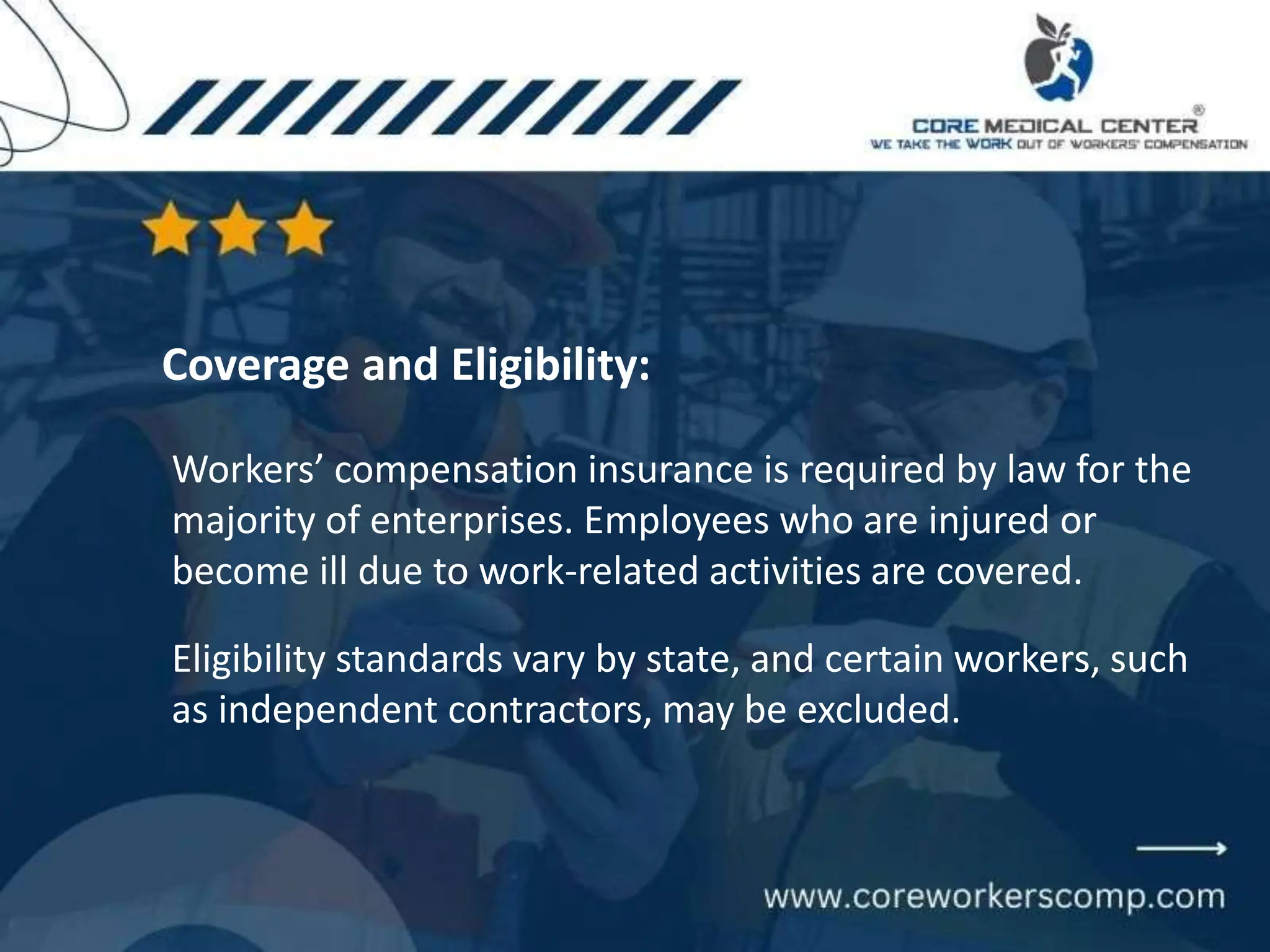
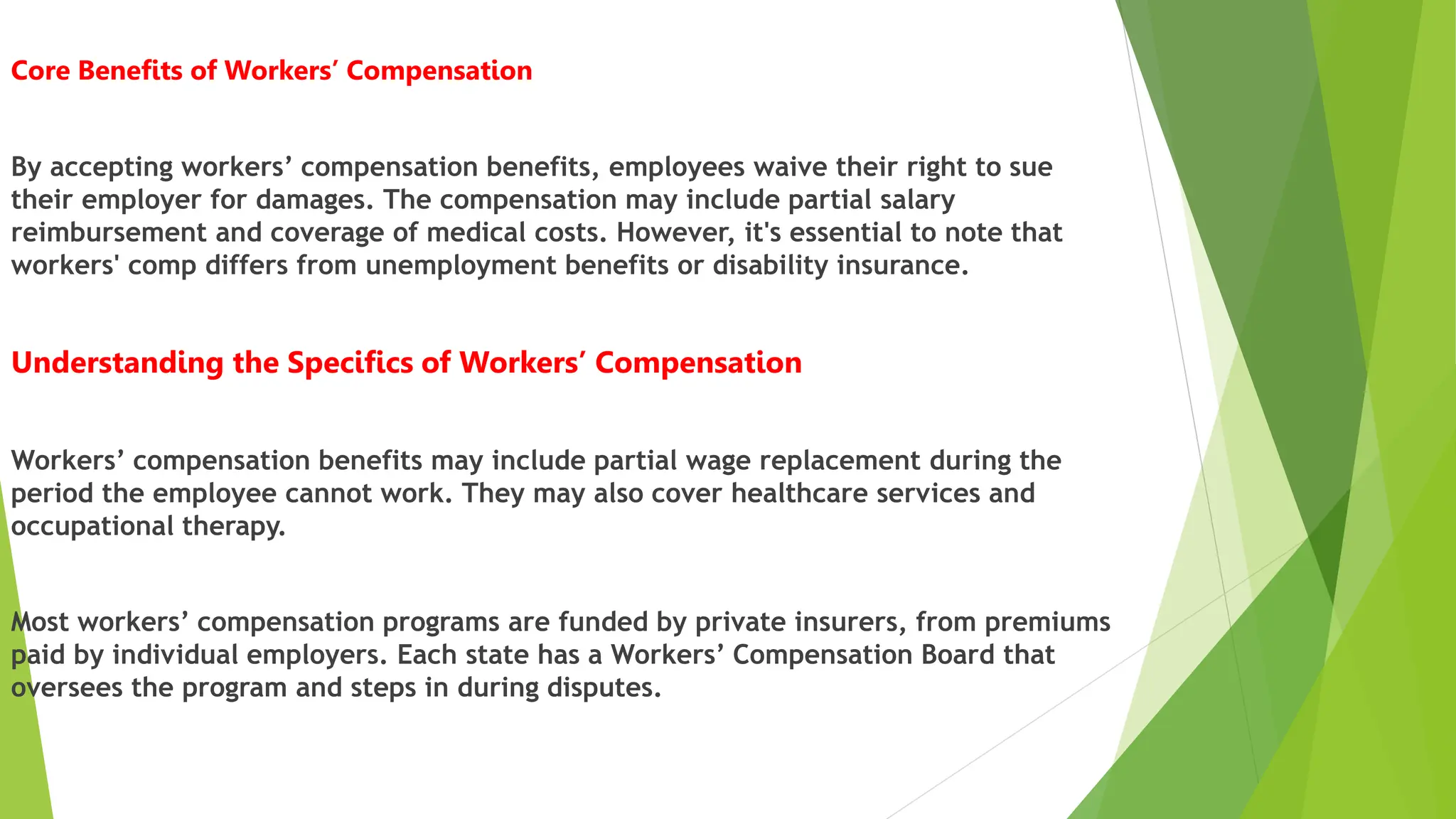
In North Carolina, the Industrial Commission oversees the administration of workers' compensation claims. Under state law, any business that employs three or more employees—including those operating as corporations, partnerships, or limited liability companies—is generally required to carry workers' compensation insurance. The primary purpose of this mandate is to provide employees with medical coverage and wage replacement for work-related injuries or illnesses while protecting employers from civil litigation related to those incidents.
The cost of this insurance is not a flat fee; it is a variable expense driven by a complex calculation involving the National Council on Compensation Insurance (NCCI) classification codes. These codes categorize employees based on the risk level associated with their specific job duties. A roofer, for instance, carries a much higher risk profile and, consequently, a higher insurance rate than a clerical office worker. Because these rates are periodically adjusted based on state-wide industry loss trends, business owners must account for fluctuations even if their own internal safety records remain consistent.
How Premiums are Calculated
To understand your specific workers compensation NC cost, you must look at the variables that interact to form your final premium. Insurance carriers utilize a standard formula that adjusts for the specific characteristics of your business entity.
1. Payroll Classification
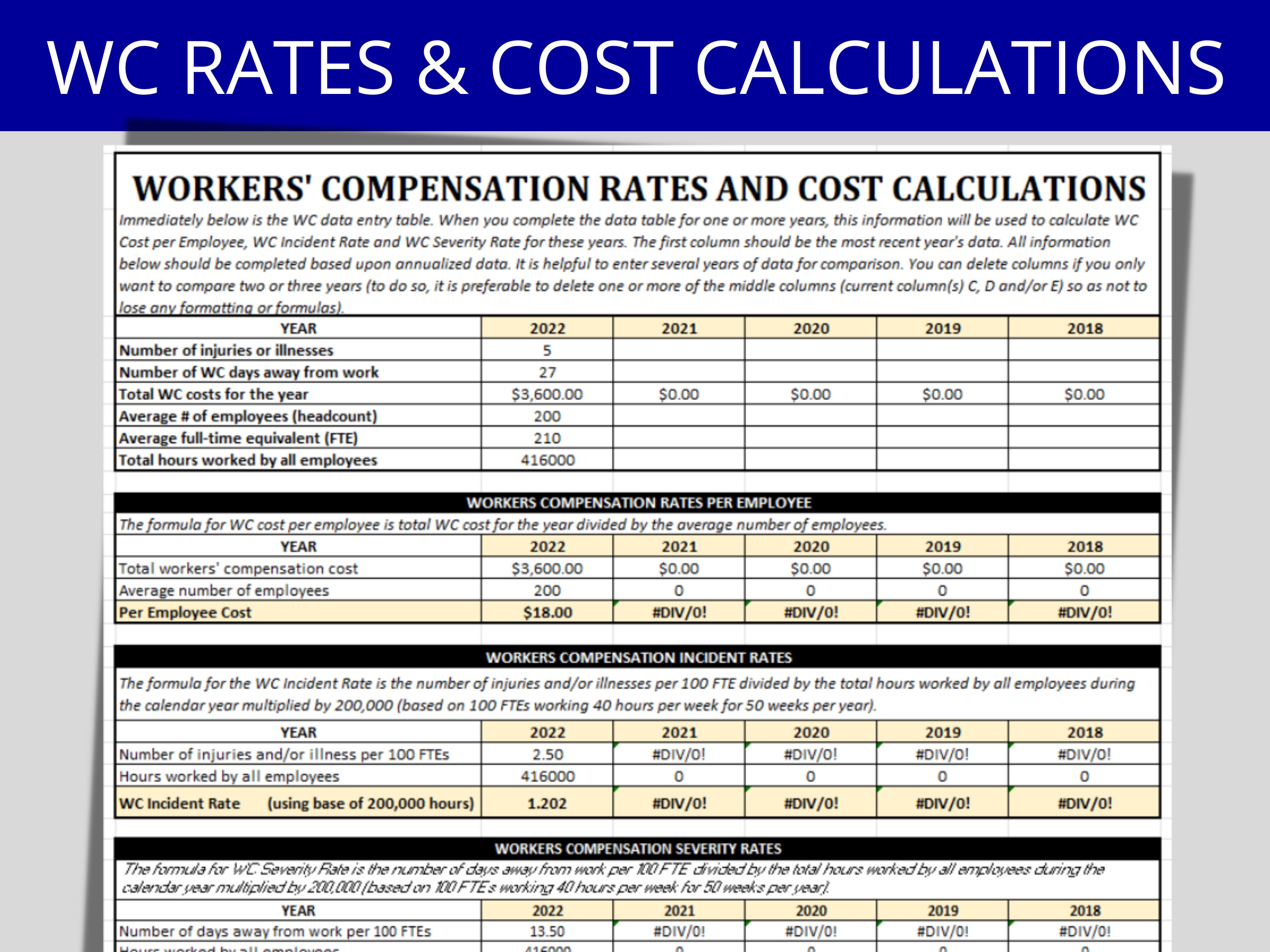
Every employee is assigned a classification code. Your total payroll for each category is multiplied by the rate assigned to that code. For example, if you operate a manufacturing facility, you will have separate payroll lines for administrative staff, warehouse workers, and machine operators. Because each group has a different risk level, the blended rate for your company is the sum of these individual calculations.
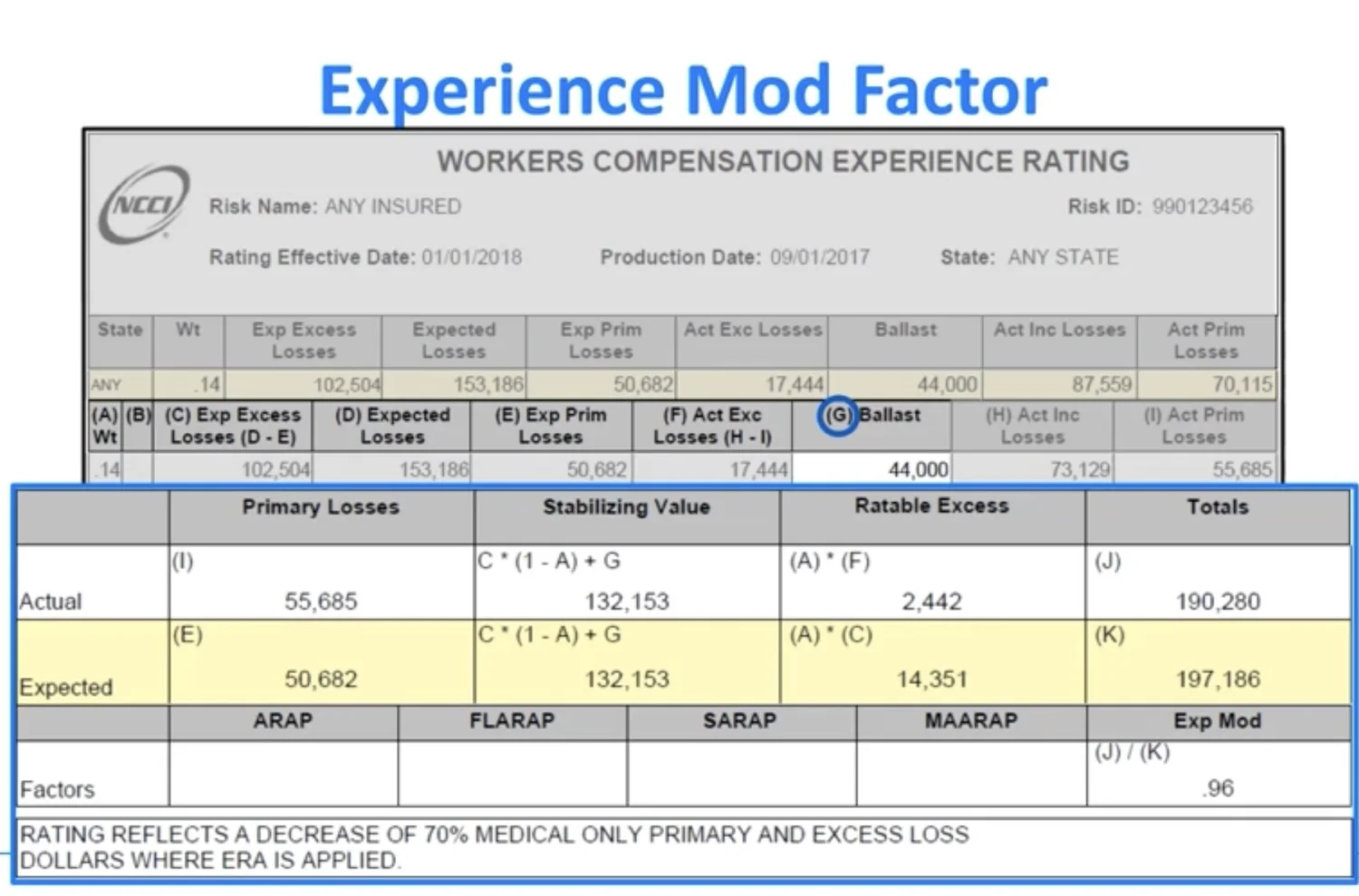
2. Experience Modification Rate (EMR)
The EMR is a critical tool for large and mid-sized employers. It compares your company’s historical claims experience against the average for your specific industry.
- An EMR of 1.00: Indicates your safety performance is exactly average.
- An EMR below 1.00: Suggests a strong safety record, often resulting in a discount on your premiums.
- An EMR above 1.00: Indicates your company has had more or costlier claims than expected, leading to a surcharge.
3. Expense Constants and Taxes
Beyond base premiums, insurers apply an expense constant, which covers the fixed administrative costs of maintaining a policy. Additionally, North Carolina imposes specific state taxes and surcharges on workers' compensation premiums, which are collected by the carrier and remitted to the state.
Key Factors Influencing Your Cost
Beyond the basic arithmetic of the policy, several external and internal factors dictate whether your premiums rise or fall over time.
| Factor | Impact on Cost | Explanation |
|---|---|---|
| Industry Code | Primary | High-risk industries (construction, logging) pay more than low-risk (retail, office). |
| Safety Programs | Potential Savings | Proactive injury prevention training can reduce the frequency of claims, lowering the EMR. |
| Claims Management | Direct Control | Efficient handling of minor injuries and return-to-work programs prevents claims from ballooning. |
| Payroll Fluctuations | Scaling | As your company hires more staff, total payroll increases, scaling the absolute premium dollar amount. |
| Insurance Provider | Market Competition | Different carriers may offer varied discounts or specialized loss control services. |
The Role of Return-to-Work Programs
One of the most effective methods to manage and minimize the workers compensation NC cost is the implementation of a formal "Return-to-Work" program. When an employee is injured, the total cost of a claim is heavily influenced by the duration of time that the employee spends away from the workforce.
By offering modified or "light-duty" work that falls within a physician-approved scope, an employer can often bring the employee back to the payroll sooner. This not only keeps the employee engaged but also minimizes the amount of indemnity (wage replacement) payments the insurance company must make. Since indemnity payments are a major factor in calculating your EMR, reducing these payouts has a direct, long-term impact on your insurance premiums.
Avoiding Common Compliance Pitfalls
Failure to maintain proper workers' compensation coverage in North Carolina can lead to significant financial penalties and legal exposure. The North Carolina Industrial Commission has the authority to assess civil penalties against employers who fail to carry required coverage. Furthermore, in the event of an employee injury, an uninsured employer is personally liable for all medical expenses and lost wages, which can lead to business insolvency.
- Audit Readiness: Most insurance carriers perform an audit at the end of the policy term to verify that the estimated payroll used to calculate the initial premium matches the actual figures. If your business grew significantly, you may owe additional premiums. Conversely, if payroll decreased, you may be entitled to a refund.
- Classification Accuracy: Regularly review your employee classification codes. If an employee's job duties have changed, ensure their code is updated. Using an incorrect, higher-risk code for low-risk employees is a common reason for overpayment.
- Independent Contractors: There is a common misconception that hiring independent contractors absolves an employer of insurance requirements. In North Carolina, the legal test for "employee vs. contractor" is rigorous. If you utilize subcontractors, you must ensure they provide their own proof of coverage; otherwise, you may be held responsible for their employees in the event of an accident.
Frequently Asked Questions
Does North Carolina require workers' compensation for all employees? Generally, any business with three or more employees must carry insurance. However, specific exemptions exist, such as for certain family members or real estate agents who are paid solely by commission. Always consult with the North Carolina Industrial Commission or a licensed insurance professional to confirm your status.
How does my industry affect my premium calculation? Your industry determines your classification code. If your business involves high-risk activities like heavy machinery operation or height-related work, your base rate will be higher because the statistical probability of injury is greater compared to a professional service business.
Can I shop around for lower workers' compensation rates? Yes. While the base rates (manual rates) are set through the NCCI and approved by the North Carolina Department of Insurance, carriers have flexibility in their pricing through "schedule credits" and expense modifiers. Requesting quotes from multiple carriers can help you identify companies that offer better loss control services or competitive discounts.
What happens if I cannot afford my workers' compensation premium? If your business is struggling to find affordable coverage, you may be able to utilize the North Carolina Workers’ Compensation Insurance Plan (the "Assigned Risk Pool"). This is a market of last resort for businesses that have been denied coverage by voluntary market carriers due to poor loss history or industry risk.
Does a medical-only claim affect my insurance costs? Yes, but typically to a lesser degree than a claim involving lost time (indemnity). While medical-only claims do impact the frequency portion of your EMR, indemnity claims (where the worker misses time) are generally weighted more heavily in the EMR formula.
Final Recommendations for Employers
To maintain control over your workers compensation NC cost, move beyond treating the insurance policy as a static yearly tax. Instead, integrate risk management into your company culture. Start by conducting a thorough audit of your payroll classifications to ensure accuracy, then invest in a robust safety program. Regular training, combined with a clear return-to-work protocol, creates a proactive defense against rising premiums.
Finally, work with a broker who specializes in North Carolina commercial insurance. They can provide a yearly analysis of your loss runs and help you understand how specific claims are impacting your EMR. By staying informed and vigilant, you protect both your employees and your bottom line.
Image Gallery