Navigating Life in Siberia Today: Reality, Infrastructure, and Environmental Adaptation
Life in Siberia today is characterized by a sophisticated balance between extreme continental environmental conditions and the demands of a modern, industrialized society. Residents manage daily existence through highly adapted urban i...
Life in Siberia today is characterized by a sophisticated balance between extreme continental environmental conditions and the demands of a modern, industrialized society. Residents manage daily existence through highly adapted urban infrastructure, specialized logistics for resource extraction, and a resilient approach to seasonal climate fluctuations that range from extreme winter cold to rapid, warm summers.
Contents
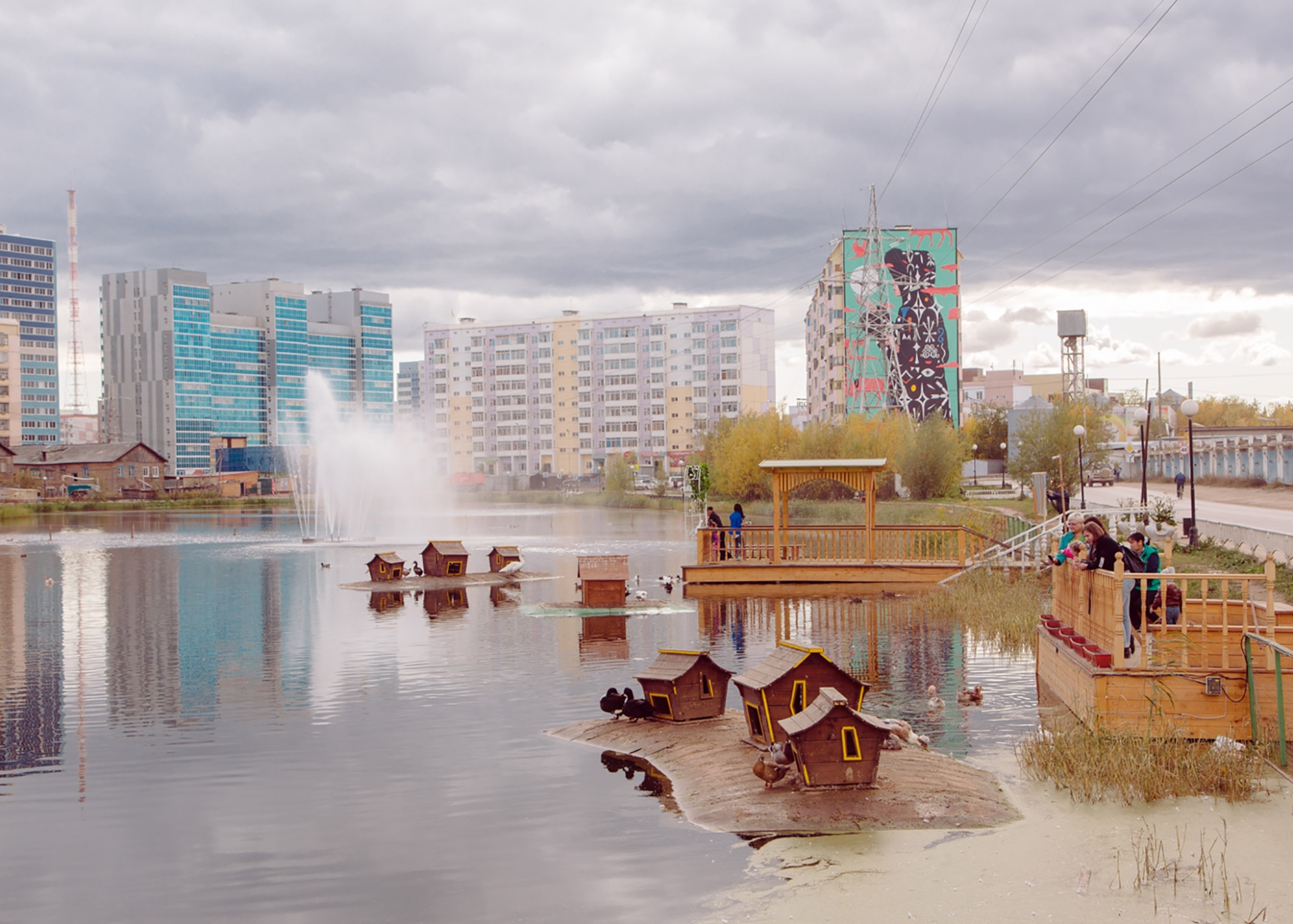
Siberia encompasses a vast territory spanning over 13 million square kilometers, covering roughly 77% of Russia’s landmass. Despite its reputation for isolation, the reality of life in the region is defined by its role as a global powerhouse for natural resources, energy production, and critical logistics. Modern Siberian urban centers, such as Novosibirsk, Omsk, and Krasnoyarsk, function as major industrial and educational hubs, providing amenities, digital connectivity, and transportation networks that mirror other major metropolitan areas, albeit with specialized adaptations for sub-zero conditions.
Urban Infrastructure and Climate Resilience
The most significant challenge for life in Siberia today is the maintenance of critical infrastructure under conditions of permafrost and extreme temperature swings. In cities, district heating systems are the lifeline of the population. Unlike many regions where heating is a secondary convenience, Siberian infrastructure is built around massive, centralized thermal power plants that pump hot water and steam through insulated underground networks to residential high-rises and public buildings.
Construction methods have evolved to address the instability of the soil. Many buildings are constructed on reinforced concrete stilts to prevent heat from the building from melting the underlying permafrost, which would otherwise compromise the foundation’s structural integrity. In recent years, urban planning has shifted toward better thermal insulation standards to enhance energy efficiency, reflecting a broader modernization of the housing stock in regional capitals.
The Role of Natural Resources and Employment
The regional economy is primarily driven by the extractive industries, including oil, natural gas, coal, and precious metals. For a significant portion of the workforce, life revolves around industrial cycles. While some residents work in traditional office or service roles in urban centers, others participate in "shift work" (vakhthoviy metod). This involves flying into remote, specialized industrial zones for several weeks of intensive work before returning to home cities.
This economic structure creates a unique social dynamic where long-distance travel and digital communication are essential. Technology has played a transformative role; high-speed fiber-optic connectivity reaches most major Siberian municipalities, allowing for a modern service economy, banking, and education to flourish alongside heavy industry.
Environmental Factors and Seasonal Adaptation
Adapting to the seasonal cycle is a learned skill for residents. During the winter, which can last from October to April, the management of mobility and personal health is paramount. Automotive infrastructure includes specialized cold-weather lubricants, engine pre-heaters, and garage heating solutions that are standard for vehicle owners.
Conversely, the summer months bring a rapid change in pace. In many parts of Siberia, the growing season is short but intense, resulting in a robust culture of dacha (summer cottage) gardening. The shift from the deep freeze of winter to the active, mosquito-prone, and verdant summers necessitates a highly adaptable wardrobe and social lifestyle.
| Season | Typical Activities | Infrastructure Challenges |
|---|---|---|
| Winter | Intensive indoor activity, shift-work rotations | Heating maintenance, ice management |
| Spring | Seasonal thaw management, logistical adjustments | Road degradation due to frost heaving |
| Summer | Gardening, construction, outdoor recreation | Forest fire risk, pest control |
| Autumn | Preparation for winter, harvest, fuel stocking | Rapid temperature drops, transit prep |
Logistics and Transportation Networks
Transportation in Siberia relies on a mix of the Trans-Siberian Railway and an extensive, albeit geographically challenging, road network. The railway remains the most critical artery for both freight and passenger travel, connecting the Far East to Western Russia. For remote settlements, seasonal "winter roads" (zimniki) are constructed over frozen rivers and marshlands during the coldest months. These temporary paths are vital for delivering food, fuel, and medical supplies to isolated communities that are otherwise inaccessible for the remainder of the year.
Education and Social Services
Siberia is home to several high-tier research universities, most notably Novosibirsk State University, which is part of the Akademgorodok—a dedicated scientific town. These institutions attract domestic and international students, creating a vibrant academic sub-culture. Education in these areas is often focused on physics, chemistry, geology, and engineering, reflecting the technical demands of the local economy. Healthcare services are centralized in these urban hubs, with telemedicine increasingly used to bridge the gap for residents living in rural or remote extraction settlements.
Frequently Asked Questions
Is it always cold in Siberia? No. While winters are famously long and harsh, Siberia experiences significant continental warming in the summer. In southern regions, summer temperatures frequently exceed 30°C (86°F), providing a stark contrast to the sub-zero winter temperatures.
How do people travel between cities in such a large region? The primary modes of long-distance transport are the Trans-Siberian Railway and domestic flights. Within cities, public transit is the standard, though private car ownership is common and necessitates specialized winter maintenance equipment.
What is the "vakhthoviy" system? This is a shift-work system where employees work on a rotation basis, often in remote oil or gas fields. Workers live in temporary, purpose-built camps for several weeks, followed by a period of rest in their home regions.
Are there modern amenities available? Yes. Major Siberian cities offer the same digital, retail, and social amenities found in major Western urban centers, including high-speed internet, modern shopping centers, and diverse restaurant scenes.
What is the impact of permafrost on daily life? Permafrost impacts civil engineering and agriculture. It dictates construction techniques, requiring specialized foundations for buildings and roads to prevent collapse during the seasonal thaw. It also limits large-scale agriculture in northern territories.
Expert Guidance for Understanding the Region
To gain a clearer perspective on the region, it is essential to distinguish between the highly urbanized south and the sparsely populated, resource-heavy north. If you are researching Siberia for logistical, professional, or academic purposes, focus on the specific administrative region, as conditions in the Krasnoyarsk Krai vary significantly from those in the Omsk Oblast. For those traveling or moving, prioritize understanding local seasonal requirements—specifically the need for winter-rated gear and the distinct limitations of transportation during the spring "rasputitsa" (thaw) period, when unpaved roads can become impassable.
Image Gallery