Bun E. Carlos and the Musical Legacy of His Band Affiliations
Bun E. Carlos, born Brad Carlson, is widely recognized as one of the most influential rock drummers of the late 20th century, primarily due to his foundational role in the band Cheap Trick. His rhythmic precision and distinctive drummi...
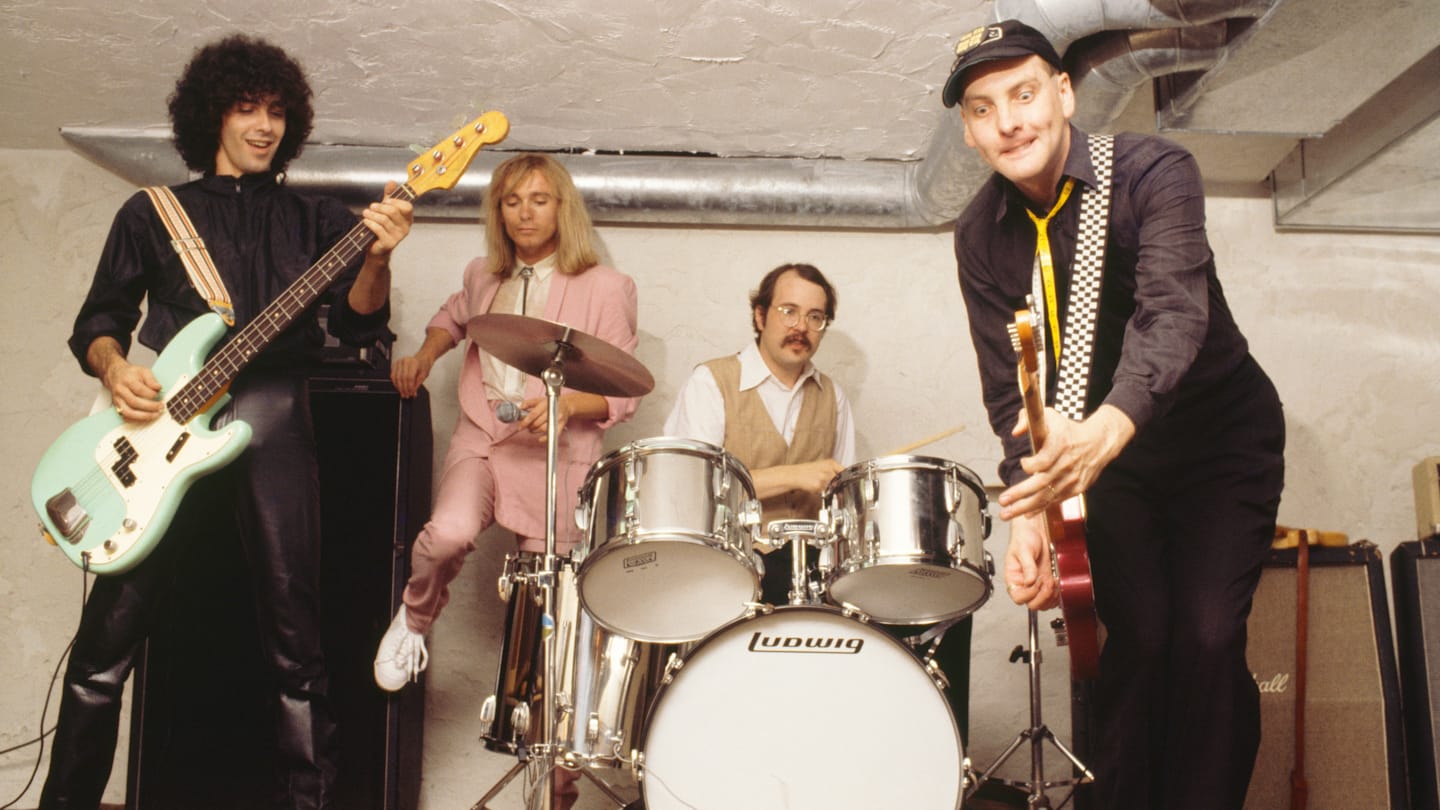
Bun E. Carlos, born Brad Carlson, is widely recognized as one of the most influential rock drummers of the late 20th century, primarily due to his foundational role in the band Cheap Trick. His rhythmic precision and distinctive drumming style helped define the power-pop and hard rock sound of the 1970s and 1980s. While he remains synonymous with the success of Cheap Trick, his career involves a complex web of band affiliations, professional transitions, and collaborative projects that have left a lasting mark on the music industry.
Contents
The Foundation: Cheap Trick and the Rise to Global Prominence
Bun E. Carlos was a founding member of Cheap Trick, established in Rockford, Illinois, in 1973. The band—consisting of Carlos, Rick Nielsen, Tom Petersson, and Robin Zander—developed a signature sound that blended British Invasion melodies with heavy, aggressive instrumentation. Carlos’s drumming was instrumental in this synthesis; he provided a driving, swing-influenced backbeat that distinguished Cheap Trick from the more rigid hard rock bands of the era.
The band’s commercial breakthrough arrived with the 1978 release of Cheap Trick at Budokan. This live album captured the frenetic energy of the band’s Japanese tour and showcased Carlos’s ability to maintain complex, driving rhythms under the high-pressure environment of a sold-out stadium. The track "I Want You to Want Me" became a global anthem, relying heavily on Carlos’s crisp, snare-driven percussion to maintain the song’s upbeat, pop-oriented tempo.
Stylistic Contributions to the Power-Pop Genre
Carlos utilized a classic "Ludwig" drum kit setup that mirrored the straightforward, punchy production values of 1960s rock. Unlike many of his contemporaries who favored elaborate, multi-tome setups, Carlos focused on consistency and "the pocket." His approach prioritized the song’s structural needs over showmanship, an ethos that influenced generations of alternative and power-pop drummers.
Professional Transitions and The End of an Era
By the early 2010s, the relationship between Carlos and his original bandmates began to experience significant strain, leading to a well-documented professional separation. In 2010, Carlos stopped touring with Cheap Trick, though he remained a formal member of the band for several years following. By 2013, a legal dispute emerged regarding his continued involvement and compensation.
This period serves as a case study in the complexities of legacy bands and legal contractual obligations. The transition marked a shift in the band’s internal dynamics, with the drumming duties being assumed by Daxx Nielsen, the son of guitarist Rick Nielsen. For fans and music historians, this transition highlighted the difficulty of balancing long-term collaborative history with the evolving operational needs of a touring entity.
Collaborative Ventures and Post-Cheap Trick Projects
Following his step back from the touring schedule of Cheap Trick, Carlos did not retire from the music scene. Instead, he pursued various projects that highlighted his versatility as a musician and his enduring influence within the rock community.
Tinted Windows: A Supergroup Endeavor
One of his most notable side projects was the band Tinted Windows, formed in 2009. This supergroup featured members from high-profile bands, including Taylor Hanson (Hanson), James Iha (Smashing Pumpkins), and Adam Schlesinger (Fountains of Wayne). Tinted Windows allowed Carlos to return to his power-pop roots in a collaborative setting that prioritized melody and collaborative songwriting. His work on the self-titled Tinted Windows album demonstrated his ability to adapt to a modern studio environment while retaining the classic percussive textures that defined his early career.
The 2016 Rock and Roll Hall of Fame Induction
A significant milestone in Carlos’s later career occurred in 2016, when he was inducted into the Rock and Roll Hall of Fame as a member of Cheap Trick. This event served as an official recognition of his contributions to rock history and effectively bridged the gap between his past and present associations. During the ceremony, Carlos performed alongside his original bandmates, reinforcing the enduring importance of the band’s original lineup to their classic sound.
Comparative Overview of Career Phases
Understanding the scope of Bun E. Carlos's career requires a look at how his professional footprint has evolved across decades and different musical environments.
| Period | Primary Association | Role | Key Focus |
|---|---|---|---|
| 1973–2010 | Cheap Trick | Founding Member / Drummer | Global touring and studio albums |
| 2009–2010 | Tinted Windows | Drummer | Supergroup collaboration and pop-rock |
| 2013–2016 | Independent / Legal | Performer / Legacy Figure | Professional transition and Hall of Fame |
| 2016–Present | Legacy Contributor | Guest / Legacy Artist | Periodic appearances and industry impact |
Technical Impact and Drumming Methodology
Bun E. Carlos’s technical approach is frequently cited by drum educators as a prime example of "servant drumming." In a genre where musicians often compete for sonic space, Carlos’s priority was always to support the vocal line and the guitar riffs. His preference for a lighter touch on the cymbals and a heavy, consistent hand on the snare gave Cheap Trick’s records a specific "bite."
Those interested in studying his technique should look at the following elements:
- The Snare Backbeat: Carlos often utilized a "fat" snare sound, avoiding excessive reverb to keep the percussion punchy and immediate.
- Swing Feel: His influence from classic R&B and 60s pop gave his playing a natural swing that many heavy metal drummers of the same era lacked, contributing to the "pop" in power-pop.
- Economy of Movement: He rarely employed unnecessary fills, choosing instead to emphasize the transition between song sections with dynamic shifts rather than complex rhythmic gymnastics.
Frequently Asked Questions (FAQ)
1. Is Bun E. Carlos currently a member of Cheap Trick?
As of 2026, Bun E. Carlos is no longer an active touring or recording member of Cheap Trick. His formal involvement concluded following the disputes and subsequent legal resolutions that followed his departure from the touring lineup in 2010.
2. What was the primary reason for his departure from the band?
The departure was the result of a combination of personal friction and differing professional goals regarding the band's touring schedule and management. While specific terms of the legal settlement remain private, the transition was formalized over several years, leading to the current arrangement where Daxx Nielsen serves as the band's drummer.
3. Did Bun E. Carlos play on all major Cheap Trick hits?
Yes. From the debut album Cheap Trick (1977) through the band's most commercially successful era—including the seminal Cheap Trick at Budokan (1978) and Dream Police (1979)—Carlos served as the primary drummer. His rhythmic signature is present on virtually every classic track associated with the band's rise.
4. What other bands did Bun E. Carlos join?
Besides his foundational work with Cheap Trick, he is best known for the supergroup Tinted Windows. He has also participated in various session work and guest appearances for artists looking to capture the "vintage power-pop" sound that he helped pioneer.
5. How can I learn more about his specific drum gear?
Collectors and drummers often refer to vintage drum forums and interviews from the late 1990s and 2000s where Carlos discussed his use of Ludwig drums and Zildjian cymbals. His gear choices were remarkably consistent throughout his career, favoring reliability and classic aesthetics.
Next Steps for Enthusiasts and Students
If you are researching Bun E. Carlos for the purpose of musical analysis or historical documentation, the most reliable path is to examine the original studio master recordings of the late 1970s. These tracks provide the clearest evidence of his rhythmic philosophy. For those interested in the legal and industrial side of the music business, the 2013-2016 period of the band's history serves as an illustrative case study in contract law and the challenges of legacy act management.
To gain a deeper understanding of his influence, listen to contemporary power-pop drummers, many of whom cite his work on In Color and Heaven Tonight as formative influences on their own playing styles.
Image Gallery