The Countries With Most Oil and How They Compare
Global crude oil reserves are concentrated in a handful of sovereign nations, shaping geopolitics, global energy markets, and economic stability. Venezuela, Saudi Arabia, Iran, Canada, and Iraq consistently rank as the top five countri...
Global crude oil reserves are concentrated in a handful of sovereign nations, shaping geopolitics, global energy markets, and economic stability. Venezuela, Saudi Arabia, Iran, Canada, and Iraq consistently rank as the top five countries with the largest proven oil reserves. While these nations share vast petroleum wealth, they differ dramatically in extraction costs, oil quality, political stability, and export infrastructure.
Contents
Understanding Proven Oil Reserves
To understand how countries with the most oil compare, it is essential to define what constitutes a "proven oil reserve." In the energy industry, proven reserves refer to quantities of crude oil that geological and engineering data demonstrate with reasonable certainty to be recoverable in future years from known reservoirs under existing economic and operating conditions.
Estimates of these reserves are periodically published by authoritative bodies such as the Organization of the Petroleum Exporting Countries (OPEC), the U.S. Energy Information Administration (EIA), and the BP Statistical Review of World Energy. However, these figures can fluctuate due to technological innovations, discoveries of new fields, and shifting economic thresholds that make previously unprofitable oil economically viable to extract.
The Top 5 Oil-Holding Nations at a Glance
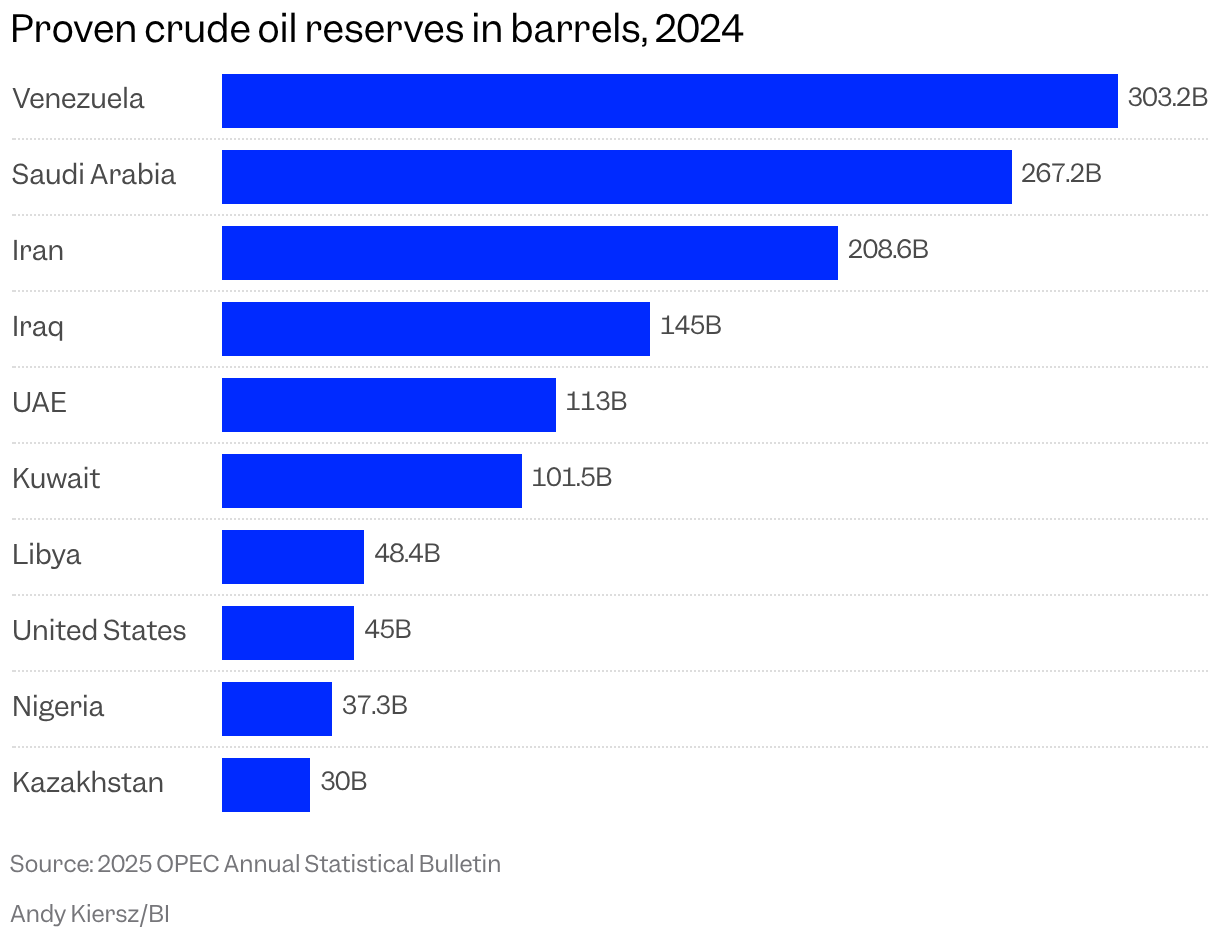
The global distribution of oil is heavily skewed toward the Middle East, though North and South America also house massive deposits. The following table compares the top five oil-holding countries based on their estimated proven reserves, primary oil types, and unique production dynamics.
| Country | Estimated Proven Reserves (Approximate Barrels) | Primary Oil Quality / Type | Main Production & Economic Challenges |
|---|---|---|---|
| Venezuela | ~303 billion | Heavy / Extra-heavy crude | Severe economic sanctions, infrastructure degradation, and high refining complexity. |
| Saudi Arabia | ~267 billion | Light, sweet crude | Geopolitical tensions, production quota constraints, and economic diversification pressures. |
| Iran | ~208 billion | Medium to heavy crude | International sanctions limiting export capacity and foreign investment. |
| Canada | ~171 billion | Bitumen / Oil sands | High extraction costs, landlocked reserves, and environmental pipeline opposition. |
| Iraq | ~145 billion | Medium, sour crude | Post-conflict infrastructure rebuilding and regional security risks. |
Detailed Comparison of Major Oil Powers
1. Venezuela: The Volume Leader Facing Structural Constraints
Venezuela holds the largest volume of proven crude oil reserves in the world, largely concentrated in the Orinoco Belt. However, possessing the most oil does not automatically translate to being the top producer.
- Oil Characteristics: Venezuelan crude is predominantly heavy and extra-heavy. It requires specialized upgrading facilities, diluents, and complex refining processes to flow through pipelines and be processed into usable petroleum products.
- Operational Hurdles: Decades of underinvestment, mismanagement, and sweeping international sanctions have severely impaired Venezuela’s state-owned oil company, Petróleos de Venezuela, S.A. (PDVSA). As a result, actual daily production sits far below its historical capacity.
2. Saudi Arabia: The Pivot of Global Supply
Saudi Arabia ranks second in total proven reserves but functions as the undisputed anchor of the global oil market due to its unmatched production capacity and low extraction costs.
- Oil Characteristics: Saudi oil is generally light and sweet (low sulfur content), making it easier and cheaper to refine into gasoline and diesel compared to heavy crudes.
- Operational Hurdles: The kingdom possesses massive conventional onshore fields, such as Ghawar, which allow for high-volume, low-cost extraction. Saudi Arabia's primary challenges are macroeconomic and geopolitical: managing global supply quotas through OPEC+ to balance prices while funding long-term national diversification strategies away from petroleum dependency.
3. Iran: High Potential Restricted by Geopolitical Friction
Iran commands a formidable position in global energy rankings, possessing immense reserves in both onshore and offshore fields, notably the South Pars gas-condensate field and various southwestern oil basins.
- Oil Characteristics: Iranian crude spans a mix of light and heavy grades, which historically found a ready market across Asia and Europe.
- Operational Hurdles: Continuous economic sanctions and trade restrictions have hindered Iran’s ability to attract foreign technology, upgrade aging extraction infrastructure, and export at full capacity. Despite these barriers, Iran remains a major regional player capable of altering global supply dynamics when geopolitical conditions shift.
4. Canada: Unconventional Resources and Environmental Realities
Canada is unique among the top oil holders because the vast majority of its reserves are stored in oil sands (tar sands) located primarily in Alberta.
- Oil Characteristics: Canadian petroleum is found as bitumen—a heavy, viscous form of petroleum that does not flow naturally at surface temperatures. It must be mined or extracted in situ using steam-assisted gravity drainage (SAGD) and subsequently upgraded into synthetic crude oil.
- Operational Hurdles: Extraction is energy-intensive and water-reliant, leading to higher operational costs and significant greenhouse gas emissions. Furthermore, because Canada's primary export market is the United States, pipeline bottlenecks and transportation logistics have historically complicated getting Canadian crude to broader global markets.
5. Iraq: Post-Conflict Resurgence and Expansion Potential
Iraq holds immense reserves located largely in super-giant fields in the southern and central regions of the country.
- Oil Characteristics: Iraqi crude ranges from medium to heavy, with varying sulfur levels depending on the specific geological formation.
- Operational Hurdles: Following decades of conflict, internal instability, and infrastructure damage, Iraq has steadily rebuilt its production capacity through partnerships with international oil companies. Water availability for reinjection into aging reservoirs and regional geopolitical tensions remain ongoing operational considerations for Iraqi energy ministries.
Technical and Economic Factors Beyond Reserve Size
Comparing countries solely by the number of barrels in the ground provides an incomplete picture. Energy analysts evaluate petroleum sectors using several crucial technical metrics:
- Finding and Development (F&D) Costs: The capital expenditure required to discover and commercialize new barrels. Middle Eastern producers enjoy some of the lowest F&D costs globally, whereas oil sands and deepwater offshore projects demand massive initial capital investments.
- Break-Even Prices: The market price per barrel required for a country or company to cover production, operational, and capital expenditures. National oil companies in the Middle East often boast break-even costs well below $30 per barrel, while unconventional producers face higher thresholds.
- Reserve-to-Production (R/P) Ratio: This metric calculates how many years a country's reserves would last if production continued at current rates. While countries with massive reserves boast high R/P ratios, actual longevity depends heavily on shifting global energy transitions and decarbonization policies.
Frequently Asked Questions
Which country has the most oil in the world?
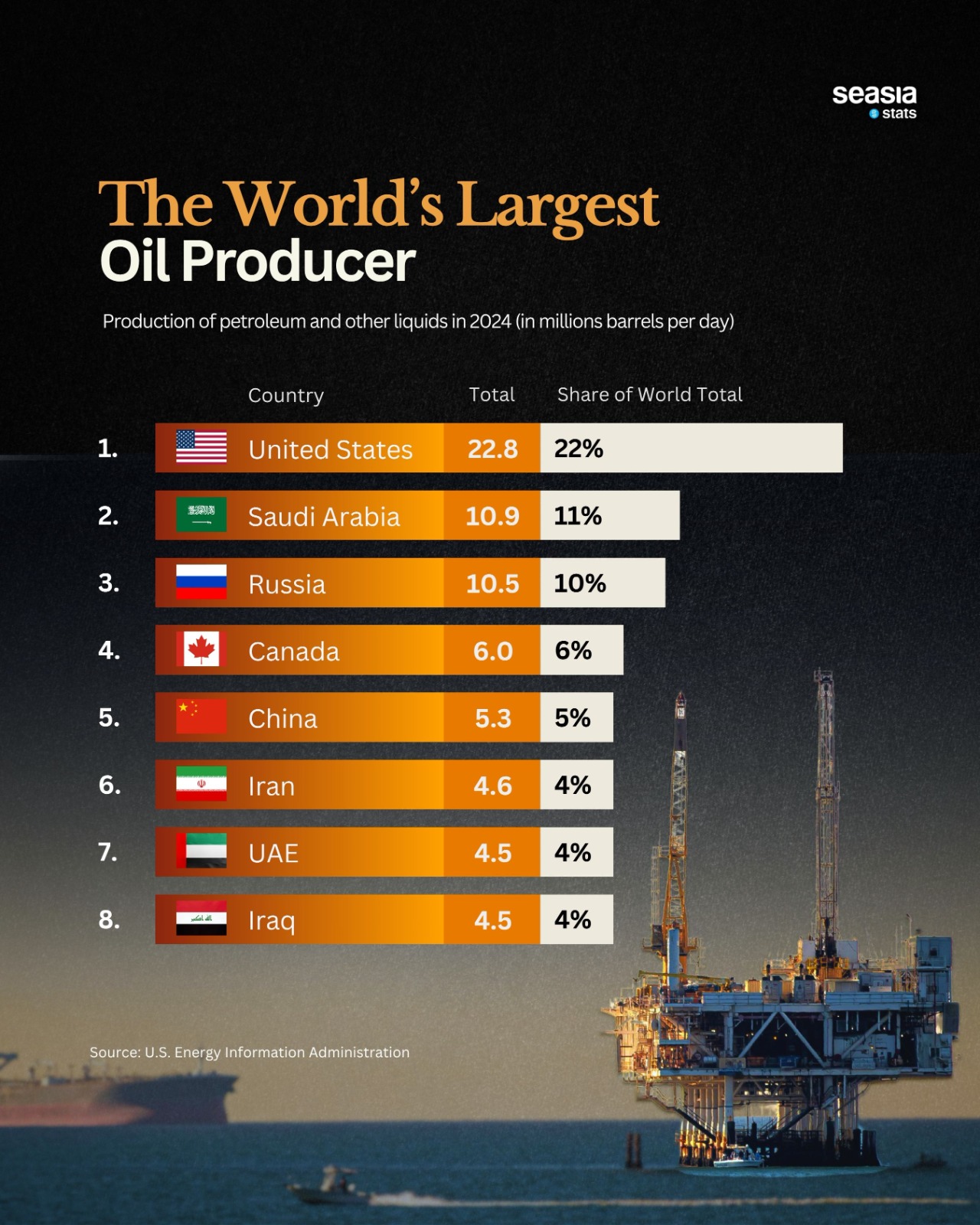
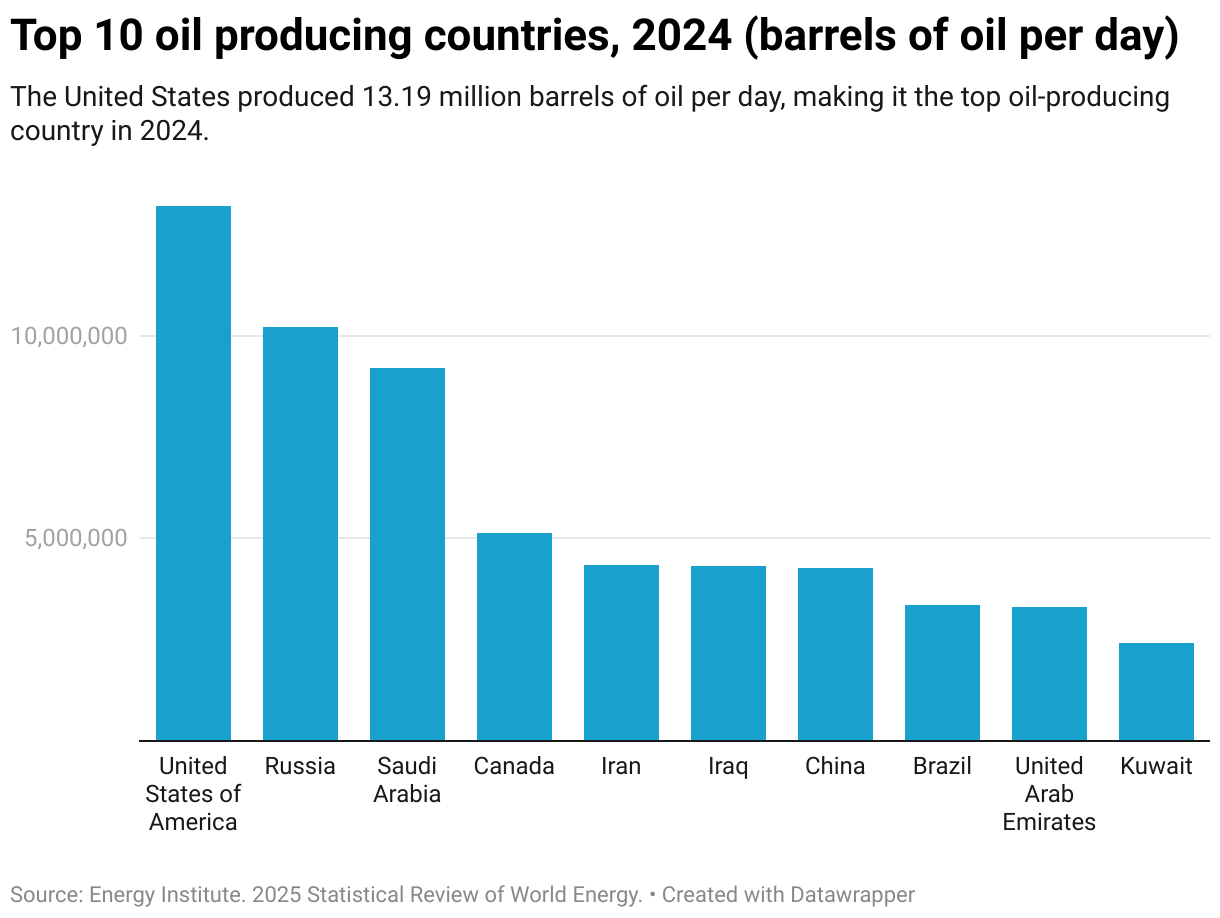
Venezuela holds the largest volume of proven crude oil reserves globally, estimated at approximately 303 billion barrels. However, actual daily production and export volumes are led by other nations, such as the United States, Saudi Arabia, and Russia, due to differing extraction capabilities and operational infrastructure.
Why doesn't Venezuela produce the most oil if it has the most reserves?
Venezuela's oil is predominantly extra-heavy crude located in the Orinoco Belt, requiring specialized diluents and complex refining processes. Combined with years of underinvestment, maintenance backlogs, and international sanctions, the state petroleum sector struggles to maintain the infrastructure needed to pump at maximum capacity.
What is the difference between proven reserves and daily production?
Proven reserves refer to the total estimated volume of oil underground that can be recovered with reasonable certainty under current economic and technical conditions. Daily production measures the actual volume of crude oil extracted and brought to the surface on any given day. A country can have massive reserves but low daily production due to technological limits, policy decisions, or infrastructure constraints.
How do extraction costs vary between countries?
Extraction costs depend heavily on geology. Conventional onshore fields in the Middle East allow for inexpensive drilling and pumping. In contrast, extracting bitumen from Canadian oil sands or drilling in deepwater offshore environments requires advanced technology, heavy energy consumption, and significantly higher capital expenditures.
How do global energy transitions affect oil-rich nations?
The global shift toward renewable energy sources and electric vehicles introduces long-term demand uncertainty for oil-holding nations. Major producers are responding by diversifying their economies, investing in petrochemical integration, and exploring lower-carbon technologies such as carbon capture, utilization, and storage (CCUS) to remain economically resilient.
Conclusion and Next Actions
Evaluating the countries with the most oil requires looking past raw reserve totals to examine extraction economics, geopolitical stability, and infrastructure quality. While Venezuela, Saudi Arabia, Iran, Canada, and Iraq dominate global reserve tables, their long-term economic viability depends on how they navigate production costs and evolving global energy markets. For industry analysts, policymakers, and investors, monitoring these foundational variables provides essential clarity on future energy security and market pricing trends.
Image Gallery