Incorporating Antidepressant Exercise into Everyday Routines
Integrating physical activity as a non-pharmacological strategy for mood management—often referred to as antidepressant exercise—involves leveraging consistent movement to stimulate neurochemical shifts that support mental well-being....
Integrating physical activity as a non-pharmacological strategy for mood management—often referred to as antidepressant exercise—involves leveraging consistent movement to stimulate neurochemical shifts that support mental well-being. By structuring daily routines around manageable, repetitive, and intentional physical tasks, individuals can utilize exercise as a complementary tool to regulate stress hormones and enhance serotonin and dopamine signaling.
Contents
The Neurobiology of Movement as Medicine
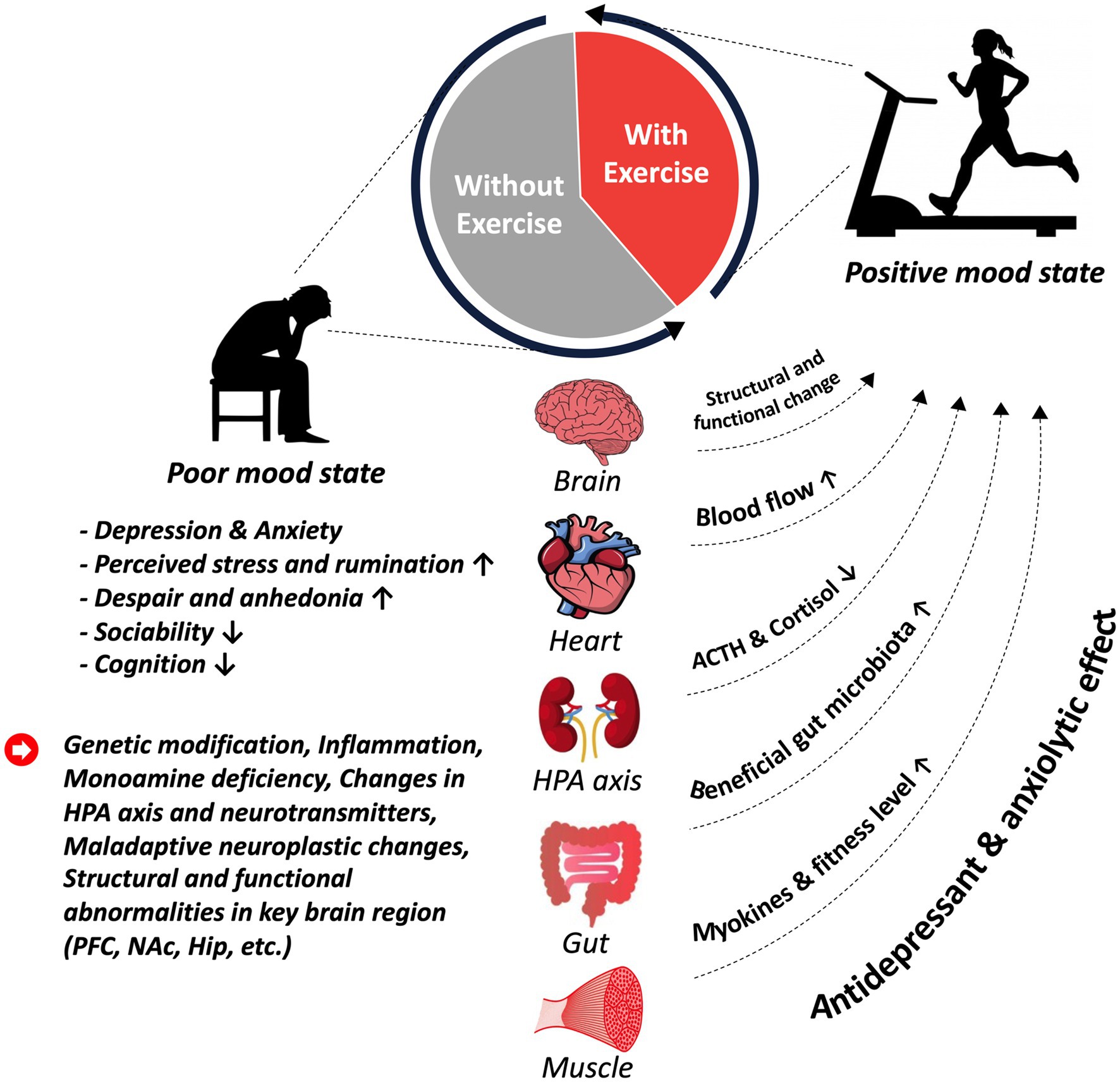
The concept of antidepressant exercise is rooted in the physiological response of the brain to physical exertion. When the body engages in sustained movement, several complex processes occur simultaneously. Primarily, exercise facilitates the release of neurotransmitters, including endorphins, serotonin, and dopamine, which are foundational to mood regulation.
Furthermore, regular physical activity is linked to the increased production of Brain-Derived Neurotrophic Factor (BDNF). BDNF acts similarly to a fertilizer for the brain, supporting the health of existing neurons and promoting the growth of new synaptic connections, particularly within the hippocampus—an area of the brain frequently impacted by chronic stress and depressive symptoms. By prioritizing movement, you are essentially providing the brain with the biochemical environment necessary to build resilience against mood fluctuations.
Prerequisite Considerations and Medical Oversight
Before altering your routine to include intensive exercise for mood regulation, it is essential to consult with a primary care physician or a licensed mental health professional. Physical activity is not a replacement for prescribed medical interventions or psychological therapy; rather, it functions most effectively as a component of an integrative treatment plan.
Your medical team can help you assess your current physical capacity, identify potential contraindications based on existing health conditions, and establish safe baseline intensity levels. If you are currently taking medication for depression or anxiety, do not adjust your dosage based on your exercise routine without explicit authorization from your prescribing doctor.
Structuring Your Daily Routine for Consistency
The "antidepressant" effect of exercise is most pronounced when the activity is regular and predictable. The goal is not necessarily to achieve elite-level fitness, but to create a sustainable "behavioral activation" pattern.
- Start with Incremental Micro-Habits: If energy levels are low, begin with just 5 to 10 minutes of movement. The physiological benefits begin long before you reach the point of exhaustion.
- Anchor to Existing Triggers: Use "habit stacking" by attaching exercise to a daily necessity. For example, perform light stretching immediately after morning coffee or engage in a brisk 15-minute walk immediately following your final email of the workday.
- Choose Low-Barrier Activities: Eliminate the friction of complex setups. If gym attendance feels daunting, prioritize activities that require no specialized equipment, such as walking, body-weight movements, or rhythmic home exercises.
- Prioritize Rhythmic, Aerobic Movement: Activities that involve rhythmic, repetitive motion—such as walking, swimming, or cycling—are often cited in psychological research for their ability to induce a meditative state, which can help quiet intrusive thought loops.
Comparing Exercise Modalities for Mental Health
Not all physical activity produces the same mental health outcomes. The following table compares common modalities based on their accessibility and reported cognitive impact.
| Modality | Intensity Level | Primary Mental Benefit | Barrier to Entry |
|---|---|---|---|
| Brisk Walking | Low to Moderate | Stress reduction; meditative rhythm | Minimal |
| Strength Training | Moderate to High | Sense of mastery; cortisol regulation | Low (with proper form) |
| Yoga/Pilates | Low to Moderate | Mindfulness; body awareness | Moderate (needs instruction) |
| High-Intensity Interval Training | High | Rapid mood shift; endorphin release | High (requires conditioning) |
Overcoming Common Barriers to Implementation
One of the greatest challenges in utilizing exercise for mood management is the "inertia of apathy"—a common symptom where the lack of motivation prevents the very behavior that would improve it. To combat this, frame your movement as a non-negotiable health task, similar to brushing your teeth or taking a medication, rather than an elective leisure activity.
If you find yourself struggling to maintain momentum, focus on the "post-movement window." Documenting how you feel immediately after exercise—noting shifts in tension, clarity, or energy—can serve as a powerful psychological reinforcement for the next day. If you miss a day, avoid "all-or-nothing" thinking; simply resume your planned routine at the next opportunity without penalty.
Monitoring Progress and Adjusting Expectations
It is important to manage expectations regarding the timeframe of results. While some individuals report immediate "exercise-induced euphoria," the stabilization of mood through physical activity is typically a cumulative process.
Monitor your progress by tracking both the activity duration and your subjective mood score on a scale of 1 to 10. Over several weeks, you may notice that the intensity required to feel a "lift" in mood changes, or that you become more resilient to daily stressors. If you experience persistent fatigue, muscle pain, or worsening of depressive symptoms, pause your routine and revisit your medical strategy with your healthcare provider.
Frequently Asked Questions
How long does it take to notice the antidepressant effects of exercise? While some neurochemical changes occur during the first session, significant improvements in baseline mood and emotional regulation are generally reported after four to six weeks of consistent, moderate-intensity activity.
Should I exercise if I am feeling extremely low on energy? Yes, but intensity should be adjusted. When energy is at a nadir, low-impact movement like walking or light stretching is often more effective than strenuous exercise, as it promotes blood flow without overtaxing a depleted system.
Is outdoor exercise more effective than indoor exercise? Research suggests that "green exercise"—physical activity performed in natural environments—can provide additional benefits due to exposure to natural light and the psychological impact of nature, though any movement is better than no movement at all.
Does weightlifting count as an antidepressant exercise? Yes. Strength training provides a unique benefit known as "mastery"—the sense of accomplishment and improved self-efficacy that comes from tracking measurable progress against weights or resistance, which can be highly beneficial for those struggling with feelings of helplessness.
Can exercise replace therapy for depression? No. Exercise is a powerful tool for nervous system regulation, but it is not a substitute for clinical therapy or pharmacological support when treating a diagnosed mood disorder. It should be used as a supportive pillar within a comprehensive health strategy.
Recommendation for Immediate Action
Begin by identifying one 15-minute window in your schedule tomorrow that is currently occupied by sedentary activity—such as scrolling through a phone or sitting idle. Replace that time with a brisk, continuous walk or a structured routine of body-weight movements. Focus exclusively on maintaining this 15-minute habit for seven consecutive days before considering any increase in duration or intensity. This establishes the neural pathway for consistency, which is the most critical factor in utilizing exercise as a functional tool for mood regulation.
Image Gallery