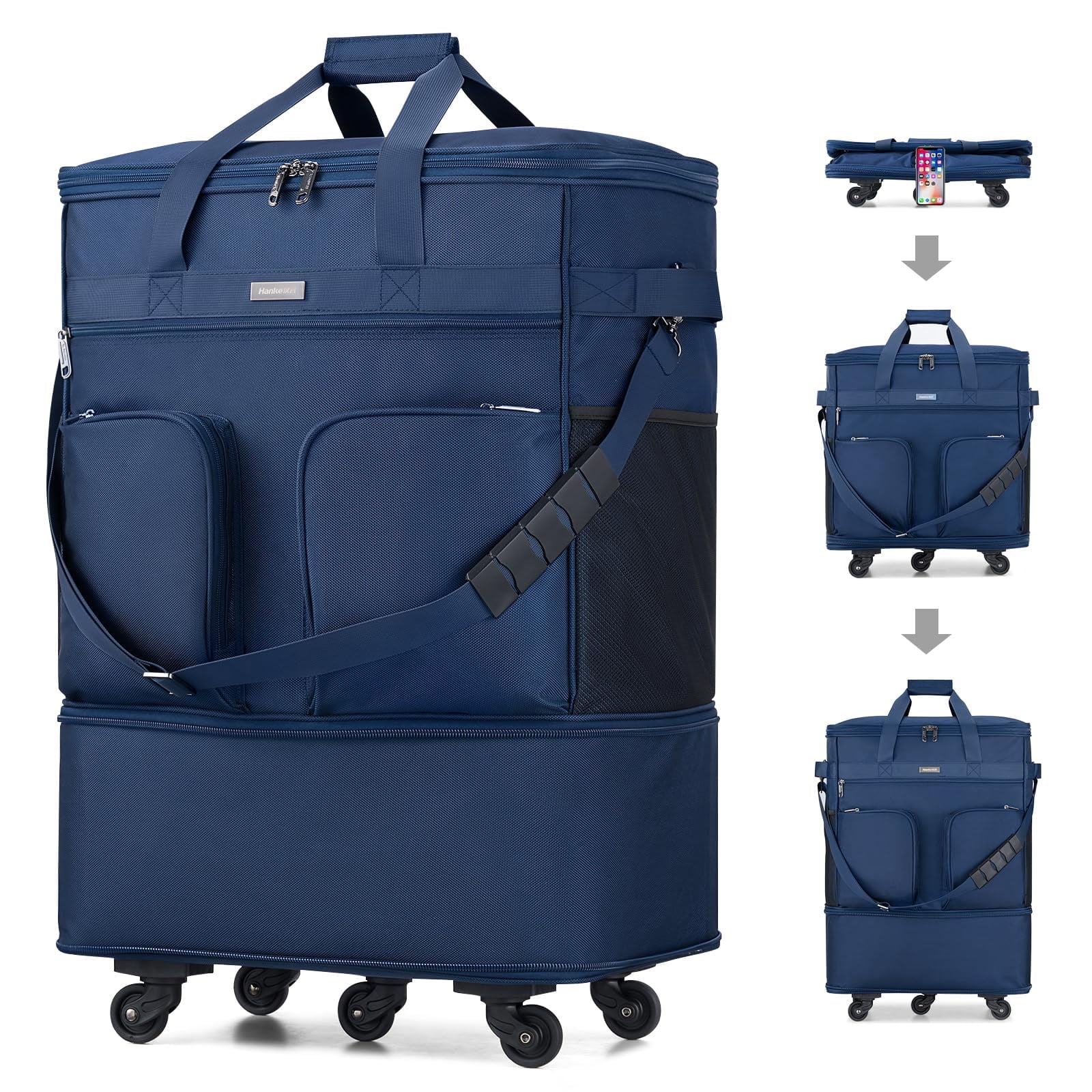
5 Benefits of a 4-Wheel Lightweight Suitcase for Modern Travel
A 4-wheel lightweight suitcase, often referred to as a spinner, revolutionizes travel by combining effortless 360-degree mobility with significant weight reduction. This luggage configuration minimizes physical strain during transit, s...
A 4-wheel lightweight suitcase, often referred to as a spinner, revolutionizes travel by combining effortless 360-degree mobility with significant weight reduction. This luggage configuration minimizes physical strain during transit, simplifies navigation through crowded terminals, and optimizes packing capacity, ensuring travelers can move through complex environments with minimal friction and maximum efficiency.
Contents
Enhanced Maneuverability and 360-Degree Mobility
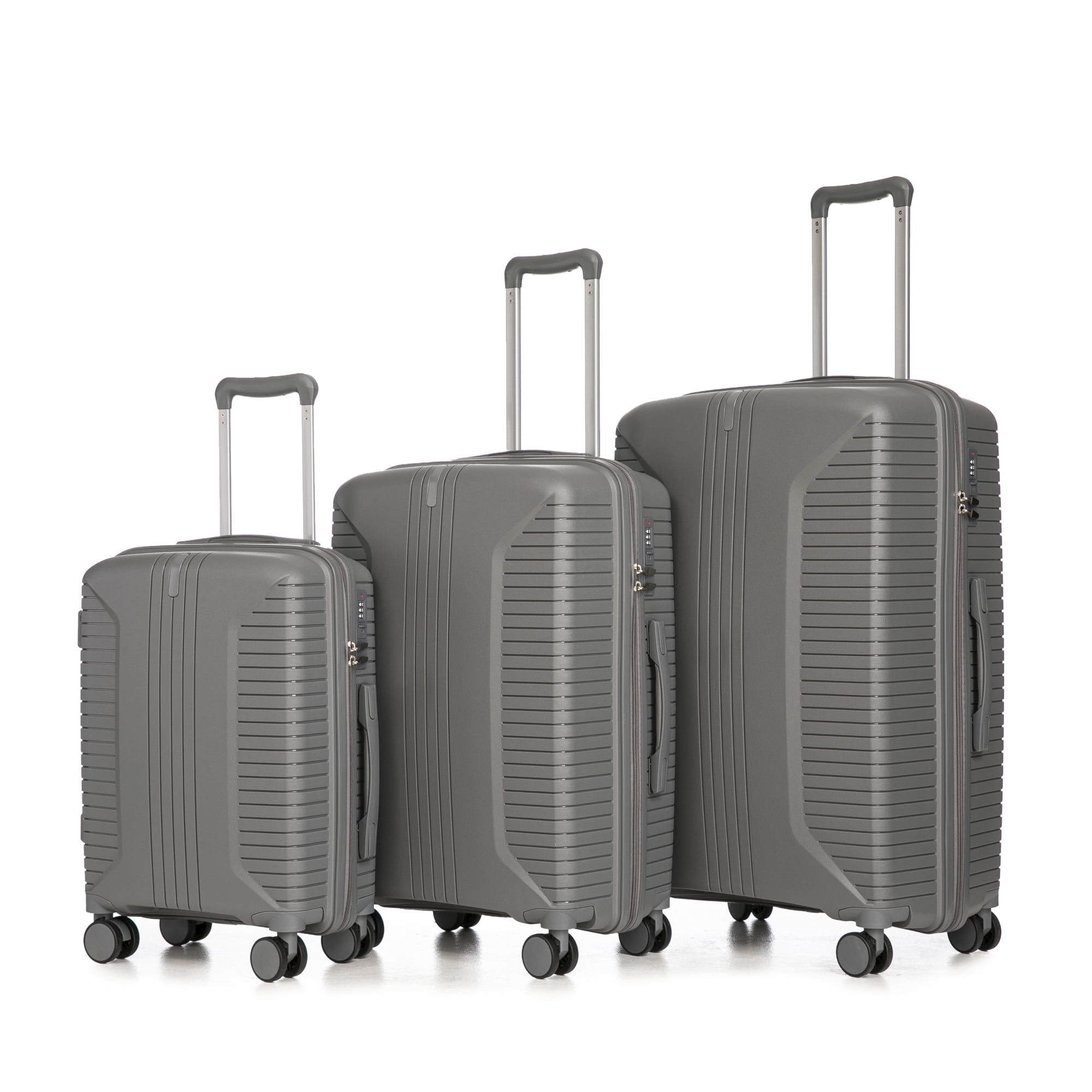
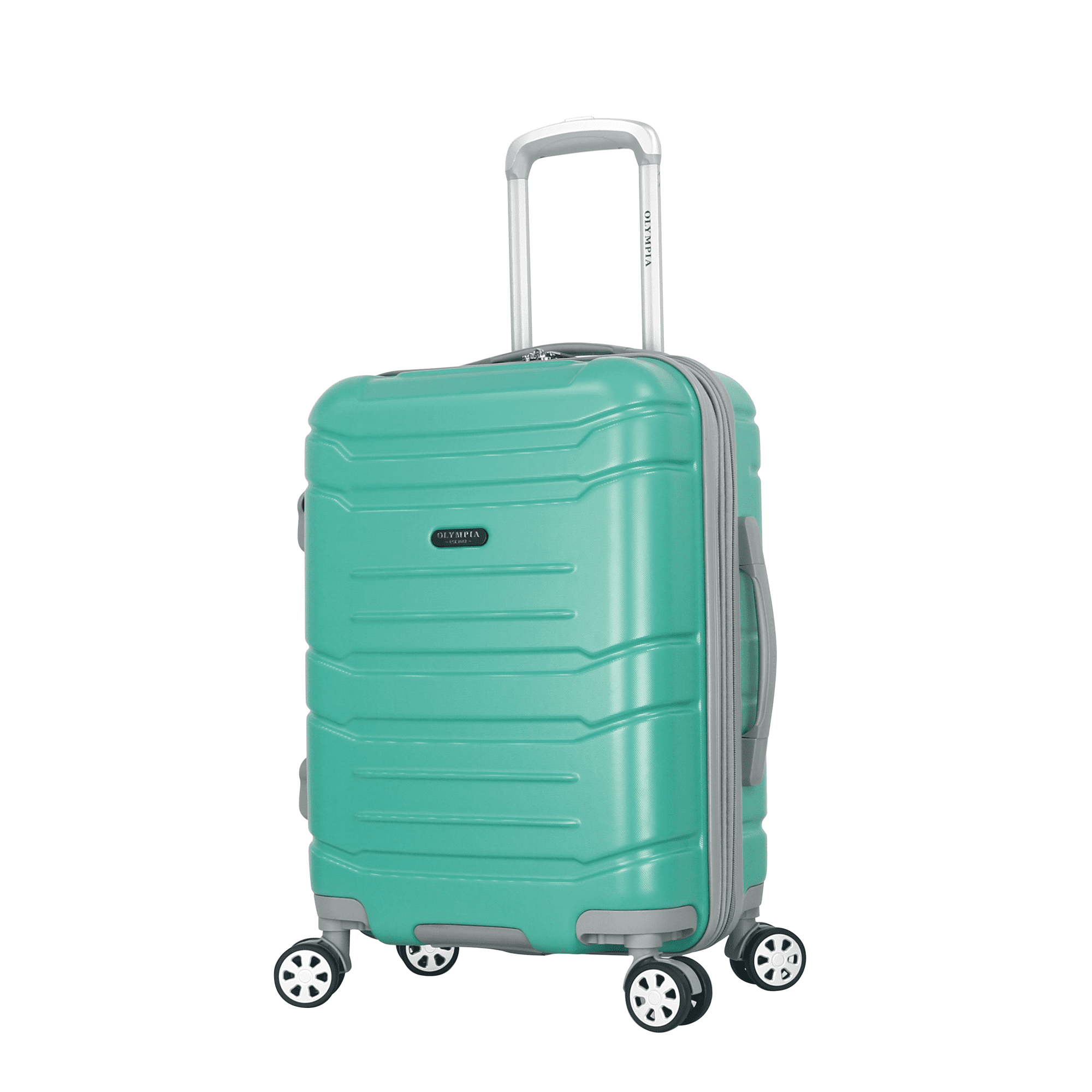
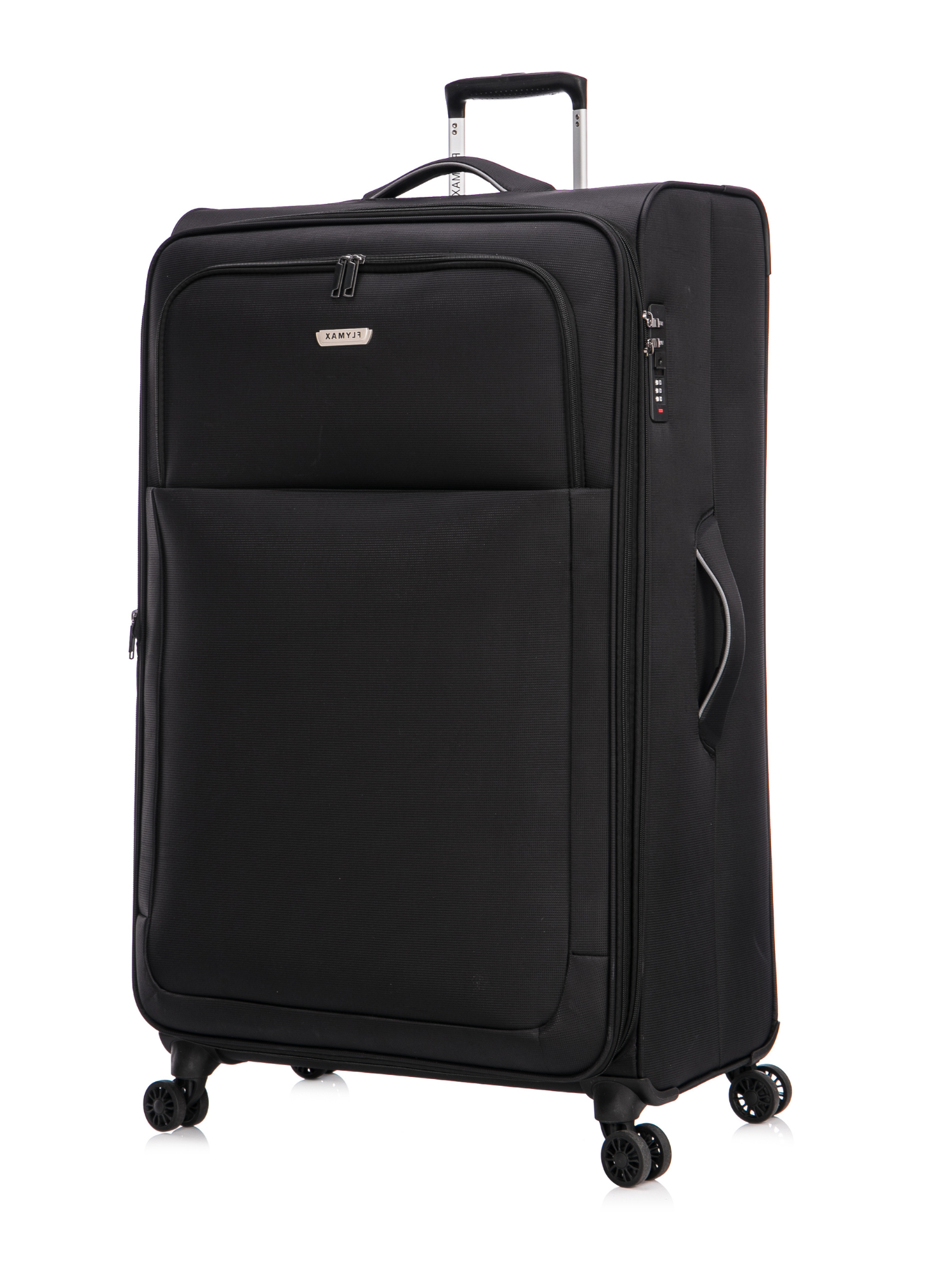
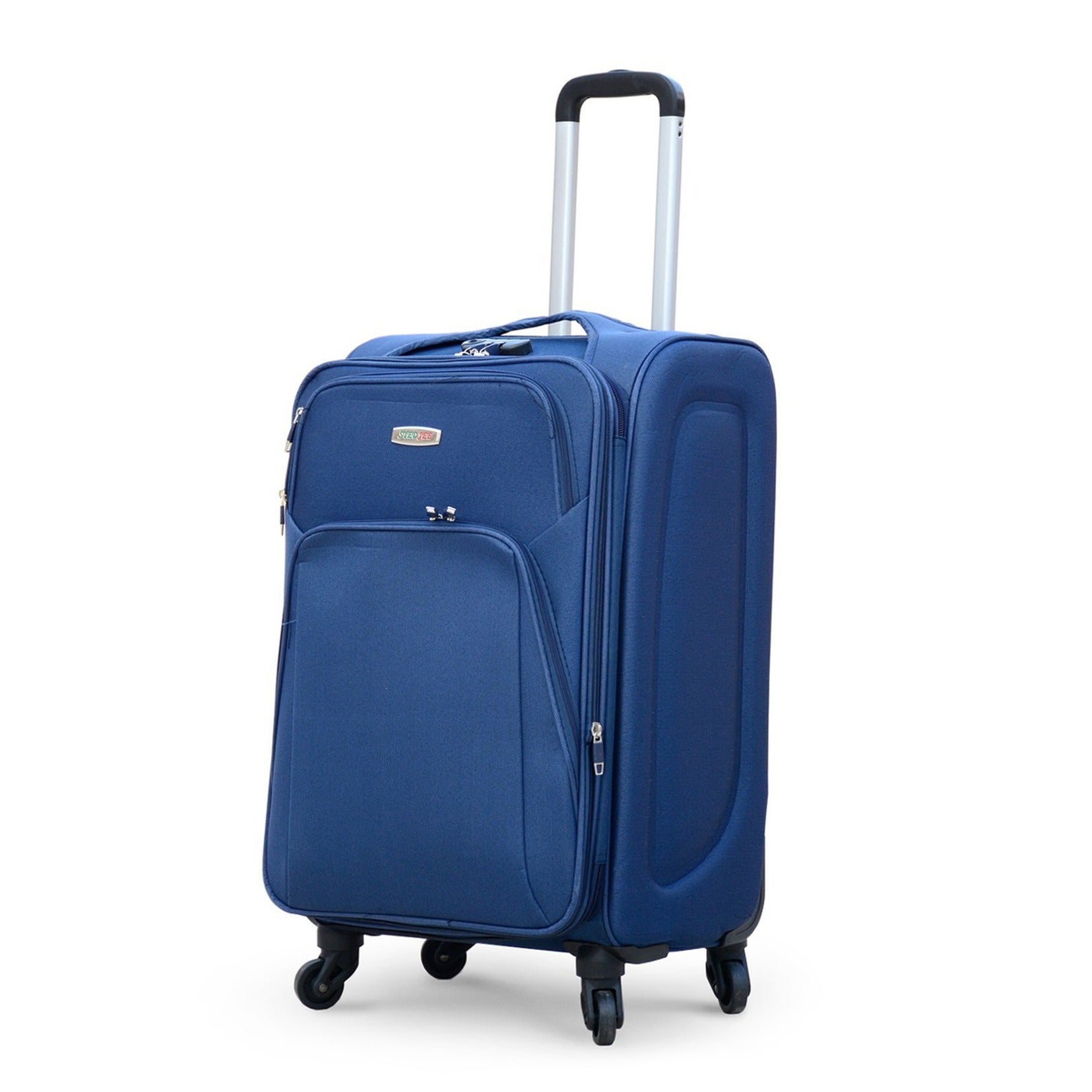
The most immediate advantage of a 4-wheel suitcase is its mobility. Unlike traditional 2-wheel suitcases that require the user to tilt the bag and drag it behind them, a 4-wheel spinner utilizes multidirectional casters. These wheels allow the suitcase to stand upright on its own, providing a stable base that can be pushed, pulled, or guided effortlessly alongside the traveler.
This 360-degree capability is particularly beneficial in tight spaces, such as narrow aircraft aisles, crowded security checkpoints, or busy hotel lobbies. By keeping the suitcase at your side, you eliminate the "tail-dragging" problem, where a 2-wheel bag can accidentally strike bystanders or get caught on obstacles. The ergonomic benefit is significant; it reduces the torsion on the wrist and shoulder joints because the weight of the bag is distributed evenly across all four contact points rather than being partially supported by the traveler’s arm.
Superior Weight Management for Airlines
In an era of increasingly stringent baggage policies, weight management is critical. Every airline maintains specific checked and carry-on weight limits, and exceeding these thresholds often results in significant financial penalties at the check-in counter. Lightweight suitcases are engineered using high-strength, low-density materials such as advanced polycarbonate, ballistic nylon, or specialized polypropylene composites.
By selecting a suitcase with a lightweight shell and a streamlined chassis, you subtract valuable kilograms from the "tare weight" of your luggage. This allows for a higher volume of personal items, electronics, or business equipment to be packed without hitting the airline’s maximum weight allowance. For the frequent traveler, this efficiency effectively increases the utility of the suitcase, allowing you to maximize your packing potential while maintaining compliance with aviation standards.
Ergonomic Load Distribution
Physical exertion is a leading cause of traveler fatigue. Traditional rolling luggage forces the body into an unnatural, inclined position, which can exacerbate lower back pain or joint discomfort over long periods. A 4-wheel suitcase allows the traveler to maintain an upright posture while walking. Because the wheels carry the full load of the case, you are merely guiding the bag rather than acting as the primary support for its weight.
This is especially advantageous when navigating long distances through large international transit hubs. The ability to push the bag next to you—rather than pulling it behind you—keeps your center of gravity neutral and allows for a natural gait. For travelers dealing with minor physical injuries or those who simply wish to arrive at their destination feeling refreshed rather than strained, the 4-wheel design is a superior ergonomic choice.
Optimization of Packing Efficiency
The integration of 4-wheel systems often coincides with modern interior design innovations. Because the wheel housing for spinners is typically recessed into the corners of the case to prevent damage during baggage handling, engineers often maximize the remaining volume within the frame. Many lightweight models incorporate integrated compression systems, dual-compartment designs, and specialized pockets that take advantage of the case's structural stability.
When a suitcase can stand upright independently, packing becomes an easier task. You can utilize the vertical space within the hotel room or stateroom efficiently, keeping the suitcase open without needing to sprawl it across a bed or floor space. This stability also protects the contents of the suitcase, as the case is less likely to tip over when fully packed or when placing a personal bag on top of the handle.
Durability and Maintenance Considerations
While spinners are sometimes perceived as more fragile due to their external wheels, modern luggage manufacturing has addressed these concerns through advanced engineering. High-quality 4-wheel suitcases utilize recessed wheels protected by reinforced corner caps, which shields the casters from direct impact against conveyor belts and rough surfaces.
Comparative Analysis of Luggage Mobility Systems
| Feature | 2-Wheel Upright | 4-Wheel Spinner |
|---|---|---|
| Mobility | Linear, trailing behind | 360-degree, side-glide |
| Ergonomics | Wrist/shoulder strain risk | Neutral, upright posture |
| Surface Versatility | Better on rough/uneven ground | Optimal on flat surfaces/airports |
| Packing Volume | Often higher due to wheel design | Often limited by internal wheel wells |
| Stability | Needs support to stay upright | Free-standing |
Selecting the Right Model for Your Needs
When choosing your next 4-wheel lightweight suitcase, focus on the material density and the quality of the wheel bearings. Polycarbonate shells offer the best balance between impact resistance and weight, while high-denier nylon fabrics provide flexibility for overpacking.
Consider the following prerequisites before your purchase:
- Handle Durability: Ensure the telescopic handle has minimal "wobble" and locks securely at multiple height intervals.
- Wheel Housing: Verify that the wheels are recessed into the frame; protruding wheels are significantly more susceptible to shearing off during airport handling.
- Internal Organization: Look for modular dividers or compression straps that prevent your contents from shifting during transport, which is particularly important in lightweight models that may lack a rigid structure.
Frequently Asked Questions
Are 4-wheel suitcases suitable for cobblestone streets or uneven terrain? While spinners excel on smooth airport and hotel floors, they can struggle on uneven surfaces. If you travel frequently in older cities with cobblestones, you may find yourself tilting the bag to roll it on two wheels. For such environments, ensure your model has slightly larger, rubber-coated wheels, which offer better traction and durability.
Do 4-wheel systems take up more internal packing space? Yes, to some extent. Because the wheels are mounted to the external base, their housing often intrudes slightly into the interior space. However, manufacturers mitigate this by using low-profile housing designs. The trade-off is usually considered worth it for the enhanced maneuverability gained.
Can I replace the wheels if they break? Most reputable luggage manufacturers offer user-replaceable wheel kits. Before purchasing, verify if the company provides customer support for parts or if the wheels are permanently riveted to the chassis. Opting for a brand with a strong warranty and modular parts is a wise long-term investment.
How does lightweight material affect the security of my belongings? The strength of modern lightweight materials like polycarbonate is exceptional. While flexible, these materials absorb impact better than rigid, heavy plastics. For maximum security, focus on the quality of the zippers—look for puncture-resistant or double-coil zippers, which provide more security than standard options regardless of the shell weight.
Is there a height limit for the telescopic handle? Yes, handles vary by manufacturer. If you are taller than average, prioritize suitcases with an "extra-long" telescopic handle. This ensures you can comfortably push the bag beside you without needing to stoop, maintaining the ergonomic benefits for which these bags were designed.
Conclusion and Next Actions
Choosing a 4-wheel lightweight suitcase is a strategic move to optimize your travel experience in 2026. By reducing the physical effort required to transport your belongings and maximizing the utility of your luggage allowance, you are investing in a more fluid, less stressful transit process.
Before your next trip, check the baggage dimensions and weight limits of your specific airline. If you are replacing an older model, prioritize brands that offer modular repairs, as the wheels are the component most likely to see wear over time. By selecting a high-quality model that emphasizes recessed wheels and high-denier or composite materials, you ensure that your investment will withstand the rigors of modern travel.
Image Gallery