Why the EDM CNC Machine Is Worth Your Workshop Investment
Investing in an Electrical Discharge Machining (EDM) CNC machine offers a transformative advantage for workshops tackling complex geometries, hardened materials, and high-precision requirements that traditional milling or turning cente...
Investing in an Electrical Discharge Machining (EDM) CNC machine offers a transformative advantage for workshops tackling complex geometries, hardened materials, and high-precision requirements that traditional milling or turning centers cannot achieve. By utilizing controlled electrical sparks to erode conductive material, these machines deliver unmatched accuracy and surface integrity, making them essential for sectors ranging from aerospace manufacturing to medical instrument prototyping.
Contents
Understanding the EDM Technology Advantage
At its core, EDM is a non-traditional manufacturing process. Unlike CNC milling, which relies on mechanical force and sharp cutting edges, EDM uses thermal energy. A series of rapidly recurring electrical discharges between an electrode and a workpiece—separated by a dielectric fluid—erodes material to create precise shapes.
This fundamental difference eliminates mechanical stress on the workpiece. Because the electrode never physically touches the material, there is no vibration or tool pressure. This allows for the machining of extremely thin walls, deep cavities, and complex internal contours that would otherwise cause conventional tools to deflect or break. For shops focusing on high-value components, this capability is the primary justification for the capital expenditure.
Material Versatility and Hardness
The most compelling reason to incorporate EDM into your shop is its independence from material hardness. Conventional CNC machining struggles with exotic alloys, hardened tool steels, and conductive ceramics. As materials become harder, the cost of tool wear in traditional machining skyrockets, often requiring frequent tool changes and slower feed rates.
EDM, conversely, is indifferent to the hardness of the material, provided it is electrically conductive. Whether you are working with heat-treated mold steel at 60+ HRC, titanium, or tungsten carbide, the erosion process remains consistent. This reliability reduces the bottleneck of "waiting for parts to be heat-treated" and allows you to machine complex features after the hardening process, ensuring final dimensions are not compromised by thermal distortion during secondary heat treatment.
Comparing Die-Sinking and Wire EDM
When evaluating an investment, it is critical to distinguish between the two primary types of EDM machines, as they serve different technical purposes:
- Sinker (Die-Sinking) EDM: Uses a custom-shaped electrode (usually copper or graphite) to "sink" a negative impression into the workpiece. This is the gold standard for producing complex cavities, blind pockets, and internal corners with sharp radii.
- Wire EDM: Uses a thin, traveling brass wire as an electrode to "cut" through a workpiece, acting like a band saw for hardened metals. It is capable of producing extreme precision in through-hole features, tapered parts, and intricate gears.
| Feature | Sinker (Die-Sinking) EDM | Wire EDM |
|---|---|---|
| Tooling | Requires custom-machined electrodes | Uses standard wire consumables |
| Primary Use | Blind cavities, complex 3D shapes | Through-cuts, intricate profiles |
| Setup Time | High (due to electrode design) | Low (direct from CAD) |
| Material Limit | Conductive materials | Conductive materials |
Strategic ROI and Workshop Throughput
The financial argument for EDM often centers on "throughput efficiency." While EDM is generally slower than high-speed milling in terms of metal removal rate, it excels in reducing secondary operations.
- Reduced Tooling Costs: Since there are no cutting edges to wear out in the traditional sense, you avoid the recurring cost of expensive carbide end mills that fail prematurely on hardened steel.
- Lights-Out Manufacturing: Modern EDM systems are highly stable and require minimal supervision. Once the process is dialed in, machines can operate during "off" hours, effectively increasing your shop’s total available production time without increasing payroll.
- Accuracy and Repeatability: The ability to hold tolerances within microns (often +/- 0.002 mm) significantly reduces scrap rates. In industries like medical or aerospace, the cost of a single scrapped part can exceed the hourly operating cost of an EDM machine, making the precision an inherent insurance policy.
Operational Prerequisites and Technical Requirements
Before committing to an EDM purchase, your workshop must be prepared to handle the specific operational demands of the technology:
- Dielectric Fluid Management: EDM requires a dielectric fluid (typically deionized water for Wire EDM or hydrocarbon oil for Sinker EDM). This fluid must be kept clean, chilled, and at the correct conductivity levels. Filtration systems are the heartbeat of the machine; failure to maintain them will result in poor surface finishes and increased cycle times.
- Workholding and Grounding: Because the process is electrical, workpiece grounding is non-negotiable. Your staff must be trained in specialized clamping systems that ensure electrical continuity without marring the surface of the finished part.
- Environment Control: EDM machines are sensitive to temperature fluctuations. A climate-controlled environment is essential for maintaining the sub-micron tolerances these machines are capable of achieving.
Addressing Common Implementation Mistakes
Many shops fail to realize the expected ROI because they treat EDM like a standard CNC mill. One common mistake is neglecting the "electrode-to-part" gap calculation. In EDM, the spark requires a specific gap; if the CAD/CAM software does not account for this "overcut," the final dimensions will be oversized. Investing in high-quality CAM software designed for EDM is just as important as the hardware itself.
Furthermore, do not underestimate the learning curve. While modern controllers are user-friendly, the physics of spark erosion—managing flushing, pulse duration, and discharge frequency—is a specialized skill. Budgeting for staff training or hiring an experienced operator should be included in your initial capital outlay.
Frequently Asked Questions
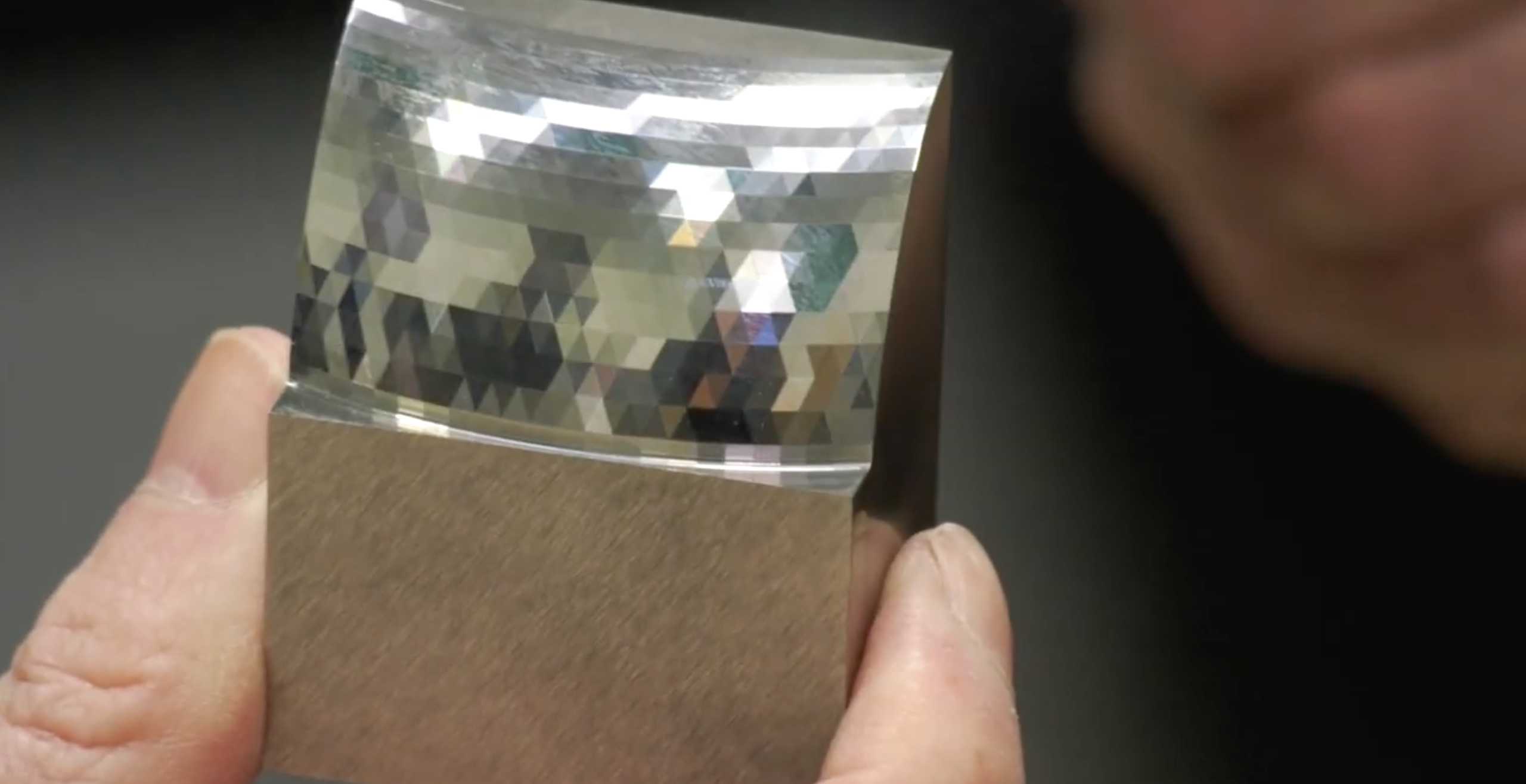
Does EDM require post-processing for surface finish? In many cases, no. EDM can achieve mirror-like finishes (Ra values below 0.2 micrometers) depending on the pulse settings. By using "finishing passes," the machine effectively polishes the surface during the final erosion stages, eliminating the need for manual bench work.
What are the primary recurring costs of EDM? The main consumables are the electrode material (for Sinker EDM), the wire (for Wire EDM), dielectric fluid, and filters. Additionally, you must factor in the power consumption, which can be significant depending on the frequency of use and the size of the machine.
Is EDM suitable for non-conductive materials? No. EDM relies entirely on the electrical conductivity of the workpiece to create the discharge. If you need to machine materials like glass, plastic, or ceramics, traditional CNC milling or laser cutting would be the appropriate technology.
How does EDM impact the structural integrity of the metal? The process creates a thin, hardened layer known as the "recast layer." While this layer is generally hard, it can be brittle and susceptible to micro-cracking under stress. Depending on the application, you may need to perform secondary grinding or chemical etching to remove this layer.
Can one machine perform both Wire and Sinker EDM? Generally, no. These are distinct technologies. While some advanced hybrid systems exist in high-end industrial R&D environments, the vast majority of workshops benefit more from choosing the technology that solves their most frequent bottleneck.
Next Actions for Your Workshop
To determine if an EDM investment is right for your shop, begin by auditing your current workflow. Identify how many hours are currently spent on manual benching, grinding, or struggling with difficult-to-machine alloys. If these tasks represent a significant portion of your billable hours, calculate the potential savings from consolidating those steps into a single EDM process.
Start by reaching out to reputable manufacturers for a "test cut" on your most challenging part. Seeing the machine handle your actual geometry—and comparing the final surface finish and tolerance accuracy to your current method—will provide the data-driven confidence needed to justify the expansion of your production capabilities.
Image Gallery