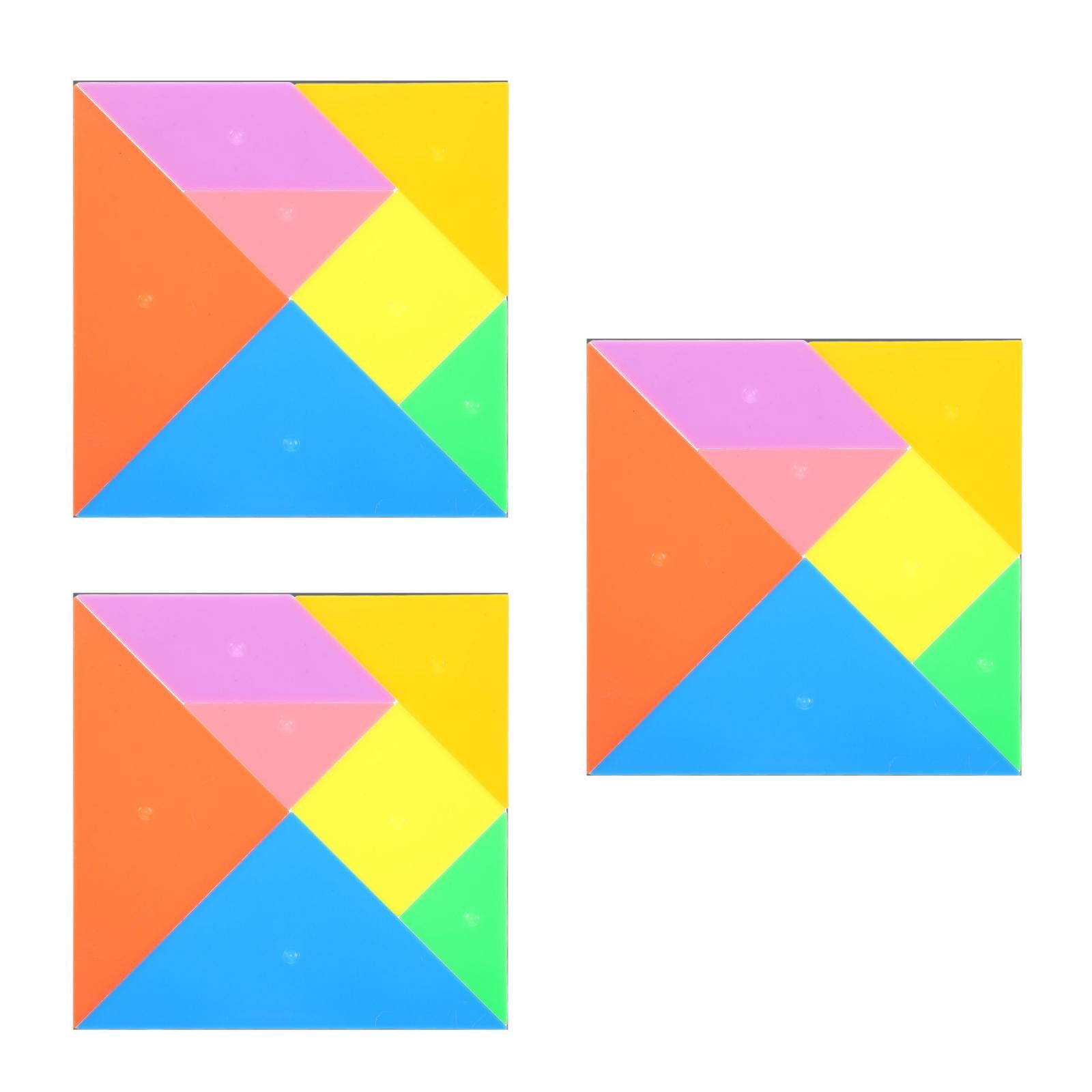
The Evolution of the Printable Jigsaw Puzzle: How Custom Designs Are Shaping Modern Home Play
Printable jigsaw puzzles bridge the gap between digital creativity and tactile engagement, allowing hobbyists, families, and educators to transform custom artwork, photographs, and text into bespoke tabletop challenges using specialize...
Printable jigsaw puzzles bridge the gap between digital creativity and tactile engagement, allowing hobbyists, families, and educators to transform custom artwork, photographs, and text into bespoke tabletop challenges using specialized adhesive sheets, cardstock, and precision cutting tools.
Contents
The landscape of home recreation and leisure has undergone a significant transformation, driven by an increasing desire for personalization, offline engagement, and creative expression. Among the various hobbies experiencing a renaissance, jigsaw puzzles occupy a unique space. Once limited to mass-produced cardboard boxes featuring landscape photography or classic fine art, the puzzle market has expanded heavily into customization. Today, the concept of the printable jigsaw puzzle sits at the intersection of digital design and traditional hands-on play. By enabling individuals to generate, print, and cut their own tactile challenges at home, custom designs are fundamentally reshaping how families, hobbyists, and educators approach domestic leisure.
Understanding the Printable Jigsaw Puzzle Phenomenon
At its core, a printable jigsaw puzzle is any puzzle manufactured or assembled from a digitally created or sourced image that has been printed onto a substrate—such as heavy cardstock, magnetic sheets, or specialized puzzle blanks—and subsequently divided into interlocking or geometric pieces. Unlike standard retail puzzles purchased off the shelf, printable variants put the design phase entirely in the hands of the end-user.
This shift is powered by accessible home printing technology, high-resolution digital cameras, smartphone photography, and user-friendly graphic design software. Whether someone wants to turn a cherished family vacation photograph into a weekend project, design a custom trivia puzzle for a classroom, or create promotional merchandise for a small business, the mechanics of printable puzzles offer an immediate, low-barrier solution. The appeal lies not just in the final assembly of the puzzle, but in the authorial control over the image, difficulty level, and physical format.
Materials and Technical Requirements for DIY Creation
Creating a durable, high-quality printable jigsaw puzzle at home requires careful selection of substrates, printing media, and cutting tools. Without proper planning, homemade puzzles can suffer from warped cardstock, frayed edges, or poor image adherence.
Selecting the Right Substrate
The foundation of any good puzzle is its backing material. Standard office paper lacks the rigidity required for repeated handling and interlocking stability. Creators typically choose from several specialized materials:
- Heavy Cardstock (110lb to 130lb): An accessible and cost-effective option for light use, especially suitable for children's activities or temporary classroom templates.
- Mounting Board or Chipboard: Offers a rigid, traditional feel similar to commercial puzzles. Printed images are typically adhered to the chipboard using spray adhesive or double-sided mounting sheets.
- Magnetic Sheets: Printable or adhesive magnetic sheeting allows the finished puzzle to be assembled on refrigerators, magnetic whiteboards, or metal lap trays, adding a unique dynamic to home play.
- Pre-cut Blank Puzzles: Blank puzzle blanks made of cardboard or wood come pre-cut with interlocking patterns, allowing users to print directly onto them (if compatible with specialized flatbed printers) or apply a custom sticker sheet over the surface.
Printing and Cutting Equipment
Achieving crisp lines and vibrant colors requires a reliable inkjet or laser printer capable of handling heavy weights. Inkjet printers are generally favored for photographic reproduction, though users must ensure their inks are water-resistant to prevent smudging during handling.
For cutting, precision is paramount. While traditional crafting involves fine-tip utility knives or sharp embroidery scissors, modern hobbyists increasingly rely on digital cutting machines (such as Cricut or Silhouette plotters). These machines use specialized vector templates to cut intricate puzzle pieces with a level of uniformity that manual cutting cannot easily replicate.
Custom Designs and Their Impact on Home Play Dynamics
The integration of custom designs into puzzle play alters the psychological and social dynamics of the activity. Traditional puzzles offer a neutral challenge; the solver must decode a landscape or abstract pattern chosen by a manufacturer. Custom puzzles introduce personal narrative, emotional resonance, and targeted education.
Personal Narrative and Family Engagement
When a puzzle features a personal milestone—such as a wedding portrait, a pet's birthday, or a drawing made by a child—the motivation to complete it shifts. The solver is no longer just solving a spatial problem; they are reconstructing a memory. This emotional investment changes how families interact around the table. Parents and children collaborate more naturally when discussing the details of their own shared experiences hidden within the image pieces.
Educational and Developmental Applications
Educators and therapists utilize printable jigsaw puzzles as dynamic tools for cognitive development and localized learning. Teachers can design puzzles featuring historical maps, vocabulary lists, mathematical formulas, or foreign language phrases. Because these assets can be printed and cut on demand, curricula can be updated instantly without purchasing entirely new classroom kits. For younger children, tactile puzzle-making enhances fine motor skills, spatial awareness, and hand-eye coordination while reinforcing specific learning objectives.
Comparative Overview of Puzzle Production Methods
To understand where printable puzzles fit into modern play, it helps to compare them against traditional commercial options and professional custom-printing services.
| Feature / Aspect | Home Printable Puzzles | Professional Custom Puzzles | Traditional Retail Puzzles |
|---|---|---|---|
| Turnaround Time | Immediate (Minutes to hours) | 3 to 10 business days | Immediate (In-store or shipping) |
| Cost per Unit | Low (Material cost only) | Moderate to High (Per-item printing fee) | Low to Moderate (Mass-produced economy) |
| Design Flexibility | Absolute (Any image, size, or cut pattern) | High (Online customizer templates) | None (Pre-set manufacturer catalog) |
| Durability | Variable (Depends on home tools and substrates) | High (Industrial press, die-cut, and sealing) | High (Commercial grade blue-board) |
| Minimum Order | 1 puzzle | 1 puzzle | Mass production or single retail box |
Common Challenges and Troubleshooting
While crafting printable puzzles is an engaging endeavor, users frequently encounter specific technical hurdles that can impact the quality of the final product.
Image Resolution and Scaling
A common mistake is utilizing low-resolution digital images downloaded from the internet or compressed via messaging apps. When printed at full puzzle size, these images appear pixelated or blurry, making the puzzle frustrating to assemble. Creators must ensure source images maintain a minimum of 300 dots per inch (DPI) at the target physical dimensions.
Curling and Moisture Distortion
Paper and cardstock are hygroscopic, meaning they absorb moisture from the air and printer ink, which can cause the material to curl or warp. To prevent this, creators should allow printed sheets to dry completely, use mounting adhesives evenly across the entire surface, and press the assembled layers under a heavy flat object for several hours before cutting.
Edge Fraying During Cutting
Manual cutting with blades often leads to fuzzy or frayed edges on cardboard substrates. Using a brand-new craft blade, applying a light coat of clear acrylic sealer over the printed surface before cutting, or utilizing a mechanical die-cut system helps maintain clean, sharp edges that fit together smoothly.
Frequently Asked Questions
What is the best paper weight for making a printable puzzle at home?
Heavy cardstock ranging from 110lb to 130lb is ideal for lightweight or temporary puzzles. For a more rigid, traditional feel, printing the image on standard photo paper and adhering it to a thick mounting board or chipboard yields the best structural integrity.
Can I use a standard home printer for puzzle making?
Yes, most standard inkjet and laser printers can handle heavy cardstock or specialized adhesive sticker sheets, provided the printer's manual feed tray or rear path supports thicker media weights without jamming.
How do I prevent puzzle pieces from sticking together or tearing?
To prevent tearing, ensure your cutting tool is sharp. If using a digital cutting machine, adjust the pressure and blade depth settings specifically for the thickness of your layered substrate. Sealing the printed surface with a light matte fixative spray can also prevent ink flaking along cut lines.
Are printable puzzles suitable for young children?
Printable puzzles are excellent for children, especially because parents can customize the piece count and complexity. For younger children, fewer pieces (12 to 24 pieces) cut into larger, simpler geometric shapes work best.
How can I make my homemade puzzle last longer?
Laminating the printed image before cutting it out or applying a clear protective spray sealant protects the puzzle from moisture, oils from hands, and general wear and tear during repeated assembly.
Practical Next Actions
For those looking to explore printable jigsaw puzzles, start with a small, manageable test project. Select a high-resolution personal photograph, print it onto heavy cardstock or adhesive sticker paper mounted to chipboard, and test your cutting method on a small 12-piece or 24-piece grid layout. Assessing the durability and fit of these initial pieces provides a solid baseline before scaling up to larger, more complex designs for gifts or educational use.
Image Gallery