Can Bed Bugs Live on You? Understanding Bed Bug Biology and Behavior
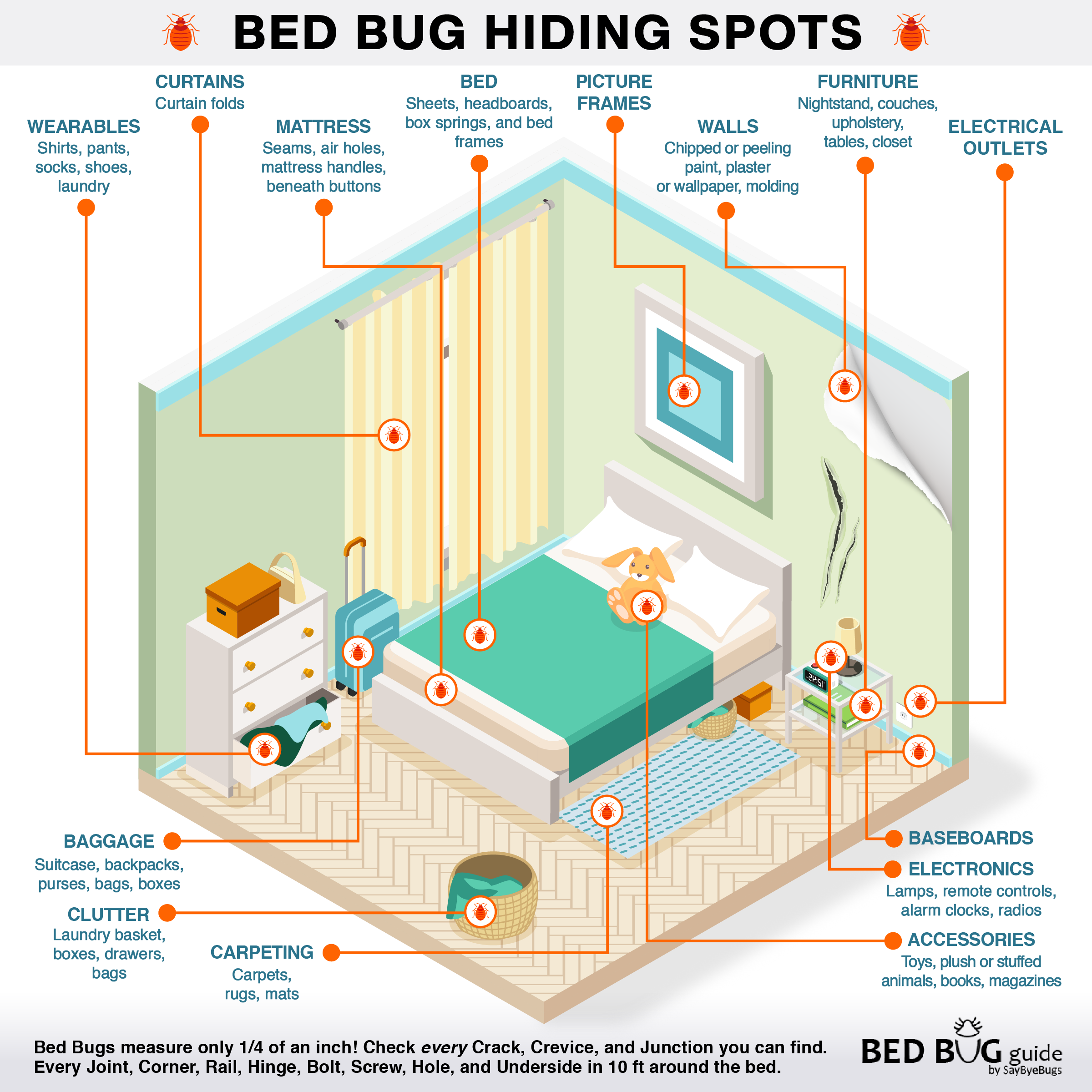
Bed bugs do not live on the human body. Unlike lice or scabies mites, bed bugs are "nest parasites" that reside in furniture, baseboards, and clutter. While they may crawl on you to feed for 5 to 10 minutes, they promptly return to the...
Bed bugs do not live on the human body. Unlike lice or scabies mites, bed bugs are "nest parasites" that reside in furniture, baseboards, and clutter. While they may crawl on you to feed for 5 to 10 minutes, they promptly return to their hiding spots once finished.
Contents
The Biological Reason Bed Bugs Don’t Inhabit Human Bodies
To understand why bed bugs (Cimex lectularius) do not live on humans, one must look at their specialized biology and evolutionary history. Bed bugs have evolved as "transient ectoparasites." This means they interact with their host only long enough to secure a blood meal. Unlike head lice, which possess specialized claws designed to wrap around human hair shafts, bed bugs have small, hooked feet meant for navigating textured surfaces like fabric, wood, and paper.
Furthermore, bed bugs are sensitive to high temperatures. While they require warmth to locate a host, the sustained 98.6°F (37°C) temperature of human skin is generally too warm for them to inhabit permanently. They prefer "micro-climates" found in the seams of mattresses or the joints of bed frames, where the temperature is stable and cooler than the human body.
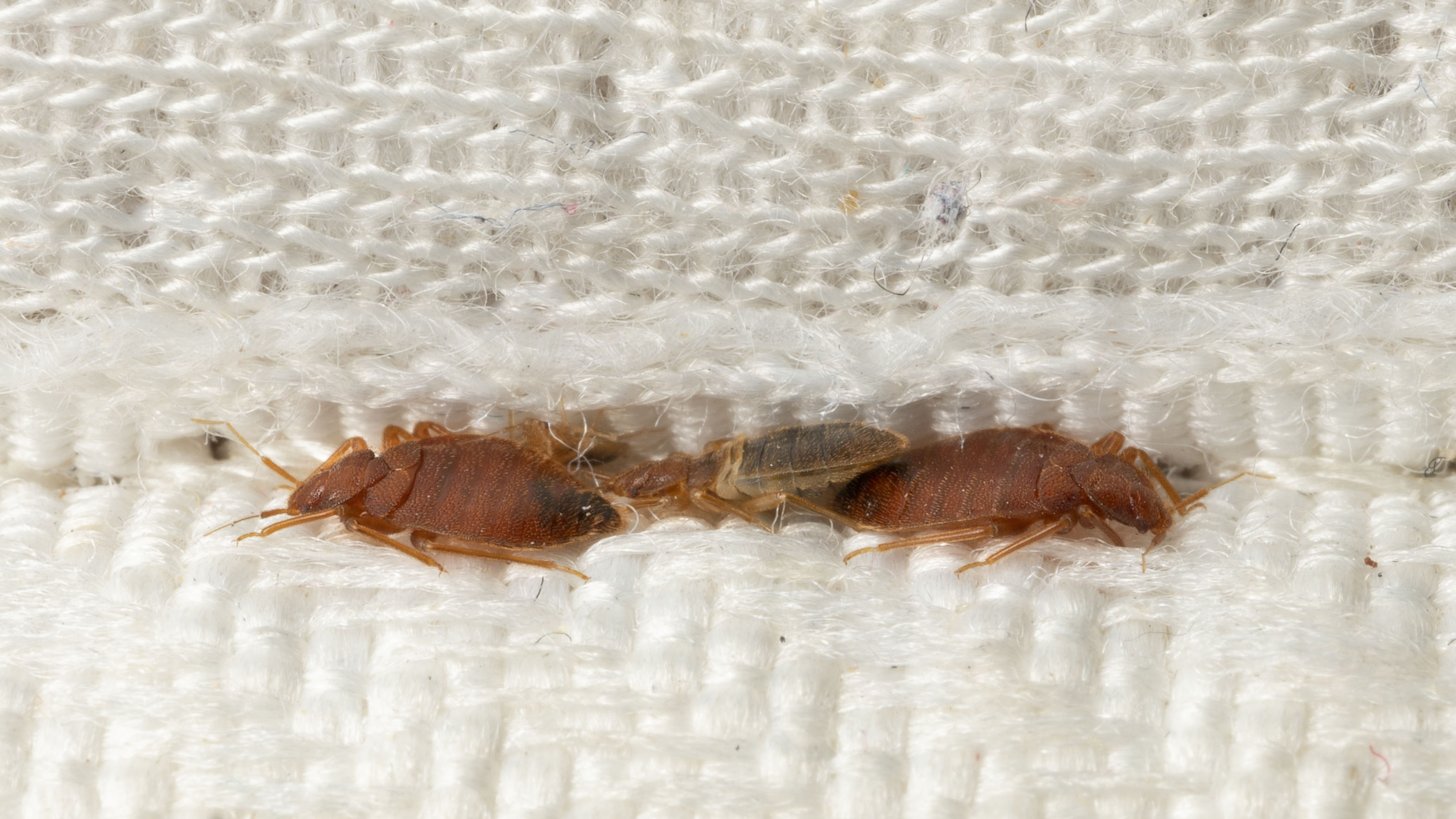
Another critical factor is their reproductive cycle. A female bed bug needs a secluded, stationary place to glue her eggs. Human skin is constantly shedding cells and producing oils, and our bodies are in frequent motion. These conditions are hostile to the survival of bed bug eggs, which require approximately 6 to 10 days of undisturbed incubation to hatch.
Bed Bugs vs. Other Common Parasites
It is common for individuals to confuse bed bugs with other pests that actually do live on or inside the human body. Distinguishing between these organisms is vital for choosing the correct treatment protocol, as bed bug treatments focus on the environment, while treatments for lice or scabies focus on the person.
| Feature | Bed Bugs | Head/Body Lice | Scabies Mites | Ticks |
|---|---|---|---|---|
| Lives on Host? | No, they hide nearby. | Yes, they live in hair or clothes. | Yes, they burrow under skin. | Yes, temporarily attached. |
| Feeding Duration | 5–10 minutes. | Multiple times daily. | Continuous (internal). | Days or weeks. |
| Movement Method | Crawling (fast). | Crawling/Clinging. | Burrowing. | Crawling/Embedding. |
| Primary Habitat | Mattresses and furniture. | Human hair or clothing seams. | Subcutaneous skin layers. | Grass, brush, and hosts. |
| Disease Vector? | No confirmed transmission. | Yes (Body lice can spread typhus). | No. | Yes (Lyme, etc.). |
How Bed Bugs Interact with Humans: The Feeding Cycle
While bed bugs do not live on you, they are expertly adapted to find you when you are most vulnerable—usually while you are sleeping. They are attracted to the carbon dioxide we exhale and the infrared heat signatures our bodies emit.
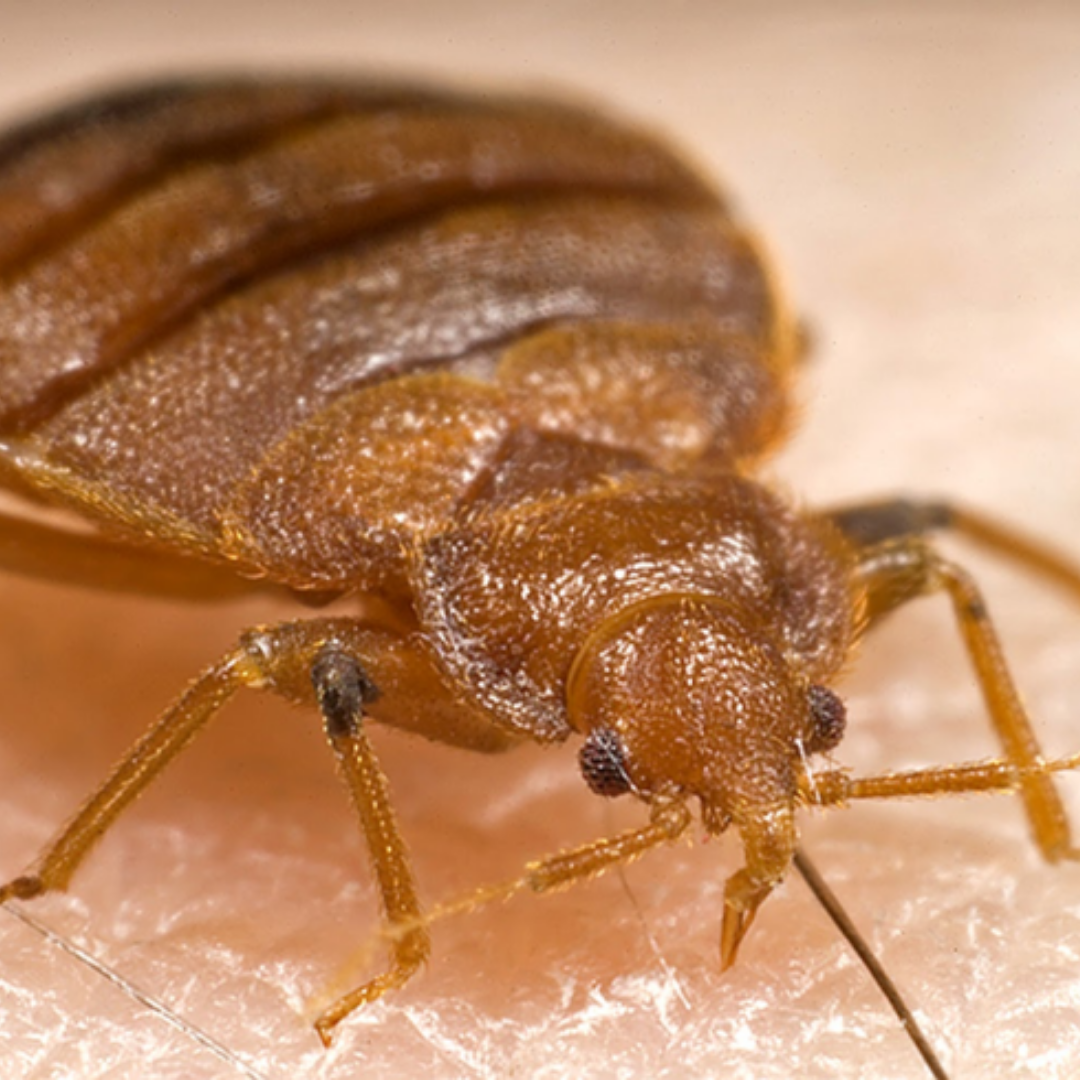
When a bed bug reaches a host, it uses its piercing-sucking mouthparts (the proboscis) to penetrate the skin. The insect injects a complex cocktail of saliva that contains both an anesthetic (so you don't feel the bite) and an anticoagulant (to keep the blood flowing). A full meal takes anywhere from 3 to 12 minutes, depending on the life stage of the bug.
Once the bed bug is engorged, its body changes shape, becoming elongated and reddish-brown. At this point, it is at its most vulnerable and heavy. It immediately crawls away from the host to find a dark, tight crevice where it can digest the meal, molt (if it is a nymph), or mate and lay eggs (if it is an adult female). This cycle explains why you might find blood spots on your sheets—not because the bug is living there, but because it may have been crushed accidentally after feeding or leaked slightly while retreating.
If They Aren't on Me, How Do They Spread?
If bed bugs do not live on skin or hair, the logical question is how they manage to travel from one home to another, or from a hotel to a residence. The answer lies in their status as world-class "hitchhikers."
Bed bugs spread through passive transport. They crawl into the folds of luggage, the seams of backpacks, the pockets of coats, or the crevices of used furniture. If you sit in an infested chair in a public space, a bed bug might crawl onto your clothing. However, it is not "living" there; it is simply waiting for the movement to stop so it can find a new permanent hiding spot.
In 2026, with global travel at an all-time high, the "luggage-to-home" pipeline remains the primary driver of infestations. They can also travel through wall voids and plumbing runs in apartment buildings, moving from one unit to another in search of new hosts if a neighboring apartment becomes overcrowded or is treated with repellent chemicals.
Identifying Bed Bug Bites vs. Other Skin Conditions
Because bed bugs are elusive, many people only realize they have a problem when they wake up with itchy welts. However, identifying an infestation based solely on skin reactions is difficult. According to the Centers for Disease Control and Prevention (CDC), many people have no reaction at all to bed bug bites, while others may experience localized swelling or even a severe allergic reaction.
Typical bed bug bites often appear in a linear or zigzag pattern, frequently referred to as "breakfast, lunch, and dinner." This happens when the bug is disturbed during feeding and probes the skin multiple times in a row. These bites most commonly occur on areas of the body exposed during sleep, such as the neck, face, hands, and arms.
It is important to distinguish these from:
- Hives: Usually more widespread and can shift locations on the body.
- Mosquito Bites: Typically more random in distribution and often found near standing water sources.
- Scabies: Causes intense itching, particularly at night, and often shows thin, wavy lines where the mites have burrowed.
Steps to Take if You Suspect an Infestation
If you fear that bed bugs are "on you" or in your home, follow these systematic steps to verify the problem and begin remediation.
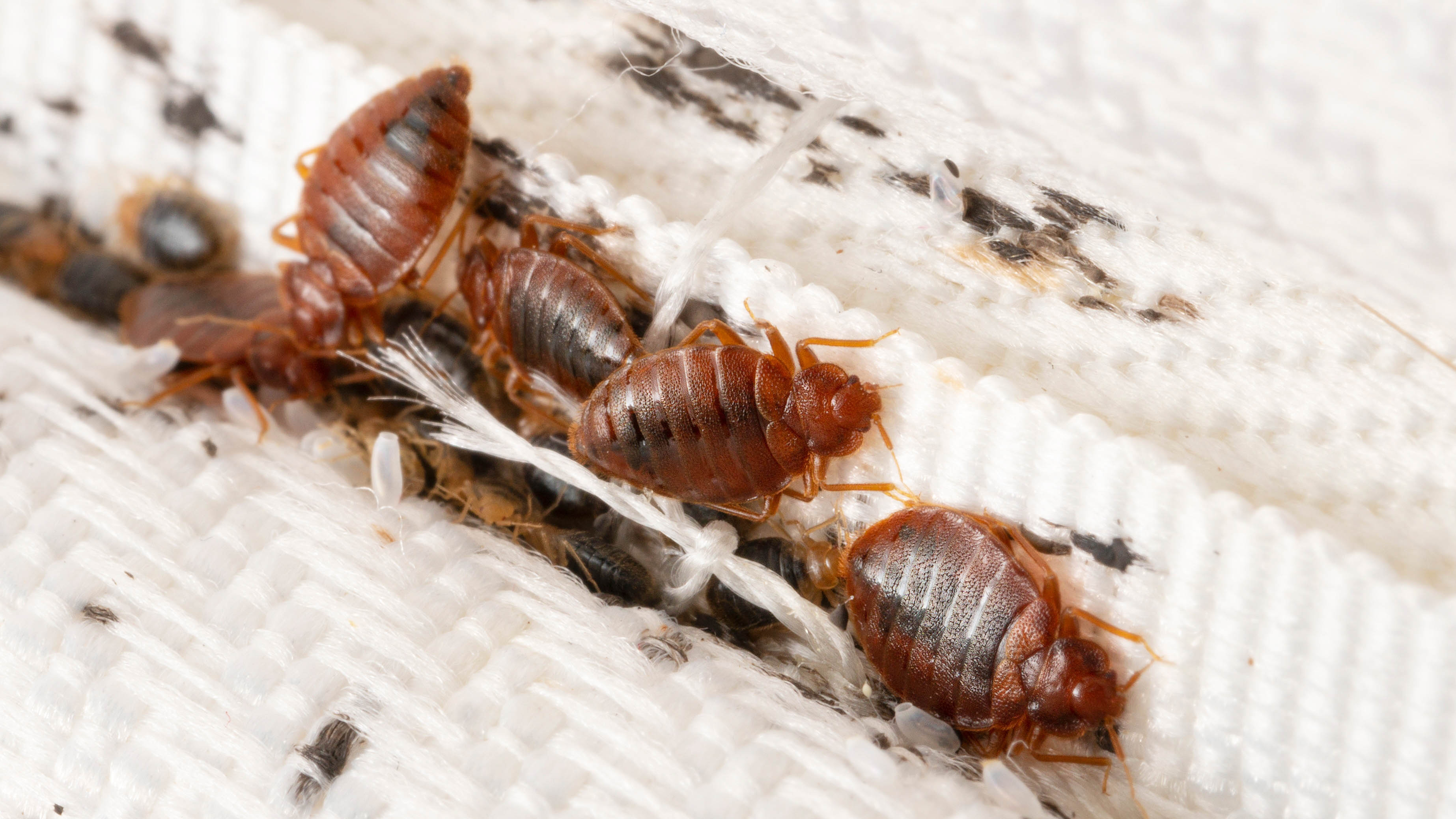
- Inspect the Bedding: Remove all sheets and inspect the corners of the mattress. Look for "pepper-like" stains (fecal matter), discarded translucent skins (molts), or the bugs themselves.
- Isolate Clothing: If you believe you have been exposed, immediately place all clothing in a plastic bag. Move the bag to a laundry room and place the clothes directly into a dryer.
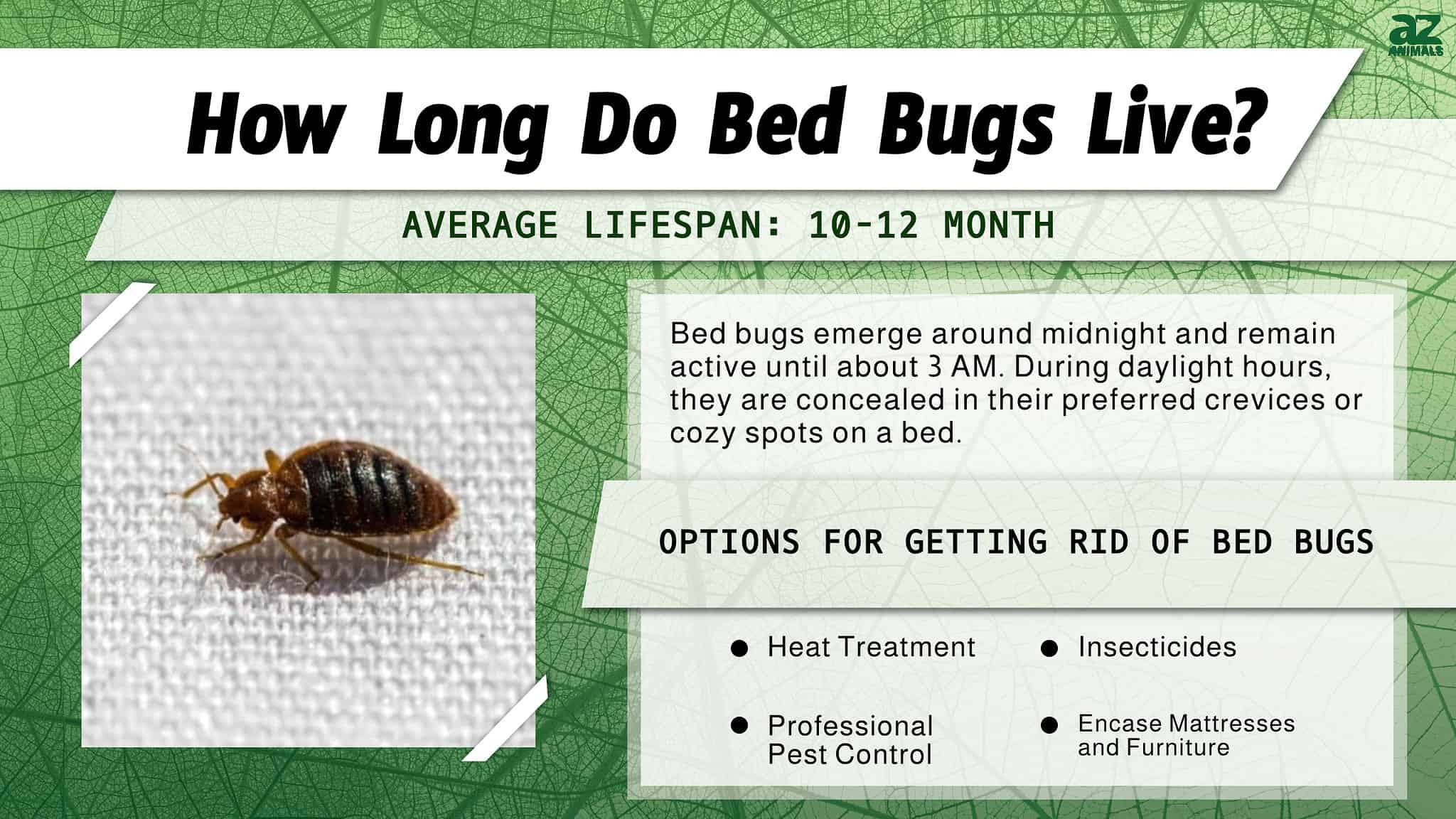
- Use High Heat: In 2026, heat remains the most effective non-chemical killer of bed bugs. Running clothes or bedding in a dryer on high heat for at least 30 minutes will kill all life stages, including the resilient eggs.
- Avoid DIY Foggers: The Environmental Protection Agency (EPA) warns that "bug bombs" or foggers are generally ineffective against bed bugs because they do not penetrate the deep crevices where the bugs hide, and can actually drive the infestation further into the walls.
- Consult a Professional: Professional pest control operators now use advanced technologies, such as whole-room heat treatments or specialized canine scent detection, which are far more effective than over-the-counter sprays.
Common Myths and Misconceptions
Despite decades of public education, several myths persist regarding bed bug behavior.
- Myth: Bed bugs prefer "dirty" homes. Bed bugs do not feed on filth; they feed on blood. They are found in five-star hotels and immaculate mansions just as often as in cluttered environments. Clutter simply makes them harder to find.
- Myth: You can feel them crawling. Because they are so light and move primarily when you are in deep sleep, most people do not feel a bed bug crawling on them.
- Myth: Bed bugs live in your hair. While a bed bug might crawl through hair to reach skin, they do not have the biological "grasp" to stay there. If you find a pest living in your hair, it is almost certainly head lice.
- Myth: They are too small to see. Adult bed bugs are about the size of an apple seed. While nymphs are smaller and lighter in color, they are still visible to the naked eye if you know what to look for.
Frequently Asked Questions
Can bed bugs live in your hair like lice?
No. Bed bugs do not have the specialized appendages required to cling to hair shafts. They prefer smooth surfaces or fabrics where they can move freely. If a bed bug ends up in your hair, it is accidental and temporary; it will seek to leave as soon as it feels movement.
Do I need to treat my body for bed bugs?
No medical treatment is required to "remove" bed bugs from your body because they do not stay there. Treatment is focused on the skin's reaction to the bites (such as antiseptic creams or antihistamines) and the thorough cleaning of your physical environment and clothing.
Can bed bugs bite through clothing?
Bed bugs generally do not bite through fabric. Their mouthparts are delicate and designed to find exposed skin. However, they are very adept at crawling under the edges of sleeves, waistbands, or sock lines to reach the skin beneath.
How long can a bed bug survive without a meal?
In the climate-controlled environments typical of 2026 homes, a bed bug can live for several months without feeding. In cooler conditions, their metabolism slows down, allowing them to survive even longer, though the myth that they can live for over a year without blood is rarely seen in modern indoor settings.
Should I throw away my mattress if I have bed bugs?
Generally, no. Modern pest control techniques and high-quality bed bug-proof encasements can salvage most mattresses. Encasements trap any remaining bugs inside, where they eventually starve, and prevent new bugs from entering the mattress seams.
Expert Recommendation for 2026
If you are concerned about bed bugs, the most effective preventative measure is vigilance during travel. Always inspect hotel headboards and luggage racks before unpacking. If you find evidence of bed bugs, do not attempt to treat the room yourself with sprays. Instead, isolate your belongings in sealed plastic bins or bags and seek professional heat remediation. Remember: bed bugs are a structural pest, not a personal hygiene issue. Focus your efforts on your living space, and your body will remain clear of these pests.
Image Gallery