How to Approach House Foundation Repair in Amarillo
To approach house foundation repair in Amarillo, homeowners must first identify signs of settlement caused by the region’s expansive Pullman clay soil. The process involves securing an independent structural engineering report, selecti...
To approach house foundation repair in Amarillo, homeowners must first identify signs of settlement caused by the region’s expansive Pullman clay soil. The process involves securing an independent structural engineering report, selecting a deep-foundation solution like steel or concrete piers to bypass the active soil zone, and implementing moisture-management strategies to prevent future movement.
Contents
The High Plains of the Texas Panhandle present a unique set of challenges for residential structures. In Amarillo, the environment is characterized by semi-arid conditions, high-velocity winds, and a specific geological profile that is notorious for its "shrink-swell" capacity. As of 2026, many homes in the Amarillo area—ranging from historic properties in Wolflin to newer developments in Hillside Terrace—are experiencing the cumulative effects of several years of fluctuating precipitation patterns. Approaching a foundation repair project requires more than just calling the first contractor available; it demands a technical understanding of the local landscape and a disciplined, multi-step strategy to ensure long-term structural integrity.
Understanding the Amarillo Soil Profile: Pullman Clay
The primary driver of foundation failure in Amarillo is Pullman clay. This soil type covers much of the Llano Estacado and is classified as an expansive vertisol. When the soil becomes saturated during heavy Panhandle thunderstorms, it expands significantly, exertive upward "heave" on concrete slabs. Conversely, during the typical hot, dry summers, the clay loses moisture and shrinks, leaving voids beneath the foundation that lead to settlement.
In 2026, climate data indicates that the "active zone"—the depth to which soil moisture fluctuates—in the Amarillo area typically extends between 7 to 12 feet below the surface. A successful repair approach must account for this depth. If a repair method only penetrates five feet, the piers will simply move along with the expanding and contracting clay, failing to provide the necessary stability. Therefore, the first step in your approach is acknowledging that any permanent solution must reach the stable, non-active soil strata found deep beneath the surface.
Identifying the Warning Signs in Your Home
Before engaging a professional, a homeowner should conduct a thorough visual audit. In Amarillo, the signs of foundation distress are often exacerbated by the extreme temperature swings between day and night.
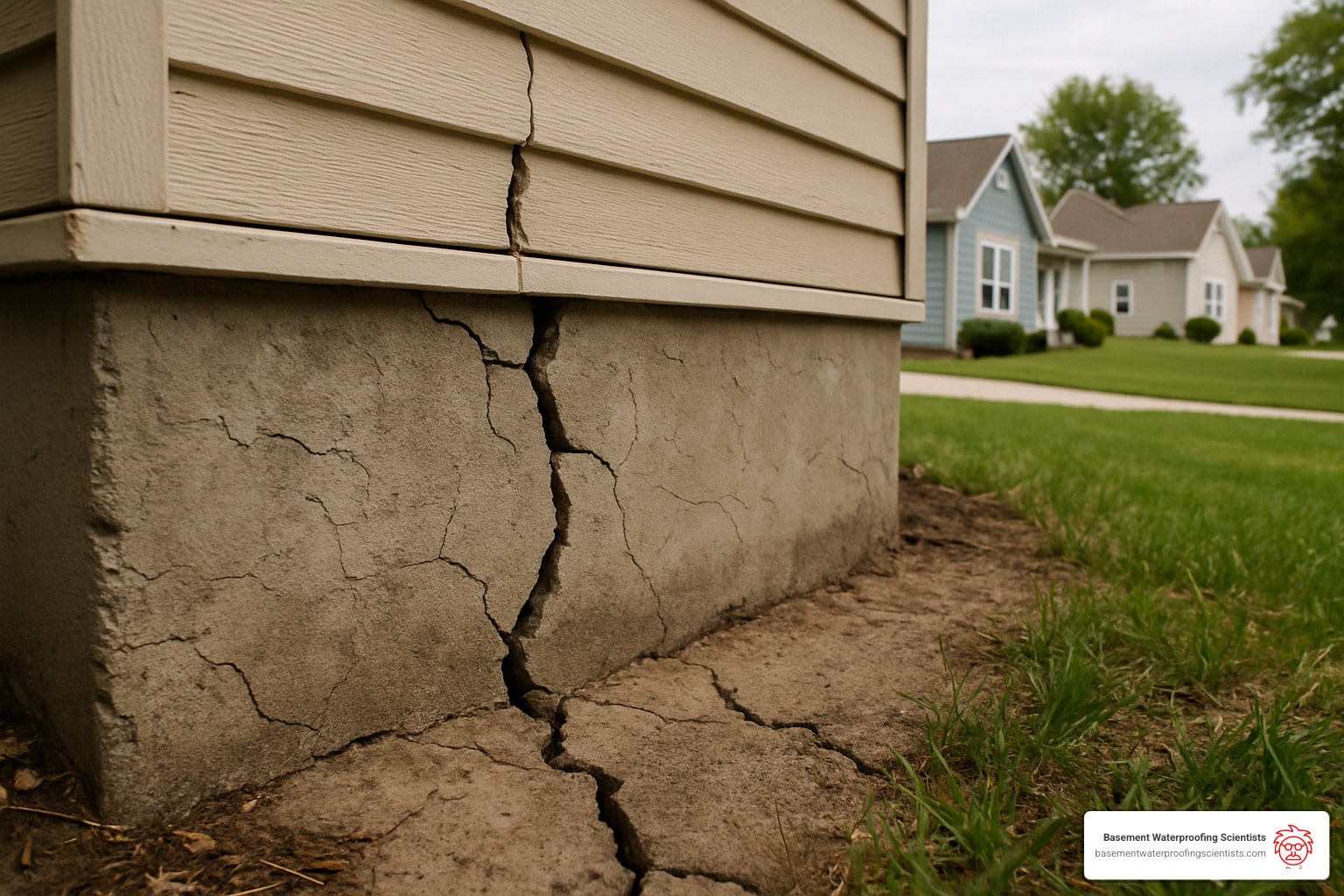
- Exterior Masonry Cracks: Look for "stair-step" cracks in the brickwork or mortar. These often originate at the corners of windows or doors and indicate that one portion of the foundation is sinking faster than the surrounding area.
- Interior Drywall Fissures: Diagonal cracks appearing at the upper corners of interior door frames are classic signs of settlement. If you notice horizontal cracks where the wall meets the ceiling, this may indicate a different type of structural shift.
- Functional Impediments: Doors that suddenly stick, windows that are difficult to open, or cabinets that swing open on their own suggest that the house frame is no longer "square" due to foundation movement.
- Frieze Board Separation: Check the area where the brick meets the roofline or the trim. Gaps or "daylight" visible between the frieze board and the masonry are strong indicators of outward rotation or downward settlement.
The Professional Approach: Engineering vs. Sales
A common mistake homeowners make is contacting a repair contractor before an independent expert. While many Amarillo foundation companies are highly reputable, their primary goal is to sell a specific repair system. To approach this objectively in 2026, you should follow this sequence:
1. Hire a Third-Party Structural Engineer
A licensed Professional Engineer (PE) who does not sell repair services will provide an unbiased assessment. They use specialized tools, such as an altimeter (ZipLevel), to map the floor elevations of your entire home. The resulting report will detail exactly where the house has dropped, by how many inches, and whether the movement is within "tolerable limits" as defined by the American Society of Civil Engineers (ASCE). This report serves as your blueprint and prevents you from paying for unnecessary piers.
2. Soil and Plumbing Testing
Foundation movement often damages under-slab plumbing. Before a crew begins lifting your home, you must verify that a slab leak is not the root cause of the soil saturation. In 2026, standard practice includes a "static leak test" or hydrostatic pressure test. If a leak is present, it must be addressed in conjunction with the foundation repair to prevent the new piers from shifting due to localized soil expansion.
Comparing Foundation Repair Methods for the Panhandle
The choice of repair technology is the most critical technical decision in the process. Not all methods are suitable for the deep clay pockets found in Amarillo.
| Method | Technical Description | Best Use Case | Longevity/Pros |
|---|---|---|---|
| Steel Pressed Piers | Interlocking steel pipe segments driven to refusal (often 20+ feet). | Heavy multi-story homes or homes on very deep clay. | Highest durability; reaches the deepest stable strata. |
| Concrete Pressed Piers | Pre-cast concrete cylinders (6"x12") driven into the ground using the home’s weight. | Standard residential slab-on-grade homes in Amarillo. | Cost-effective; well-suited for most Amarillo neighborhoods. |
| Helical Piers | Steel shafts with screw-like plates that are bored into the ground. | New construction or light-frame additions; pier and beam. | Excellent for tension and compression; less vibration during install. |
| Polyurethane Injection | High-density foam injected beneath the slab to fill voids and lift concrete. | Sunken driveways, porches, or garage floors. | Non-invasive; fast cure time; does not reach deep soil. |
| Drilled Concrete Piers | Holes are drilled and filled with wet concrete and rebar. | Commercial structures or custom builds on high-slope lots. | Extremely stable but very messy and time-consuming to install. |
Why Steel and Concrete Dominate Amarillo
Because Pullman clay is so dense, "pressed" piers are the industry standard here. These systems use the weight of the house and a hydraulic ram to push piers into the earth. The pier is driven until it hits "refusal"—the point where the soil is so compacted or the strata so hard that the house begins to lift instead of the pier going deeper. In the Panhandle, hitting a stable layer of caliche or dense clay is essential for a permanent fix.
The Repair Process: What to Expect
Once you have selected a contractor and an engineering plan, the physical work typically follows a predictable timeline.
- Excavation: The crew will dig "access holes" (usually 2x2 feet) at every point where a pier is to be installed. If your home has interior settlement, they may need to cut through the interior floor or tunnel beneath the house.
- Driving the Piers: Using hydraulic jacks, the pier segments are driven into the ground. In 2026, most advanced crews use synchronized jacking systems to ensure the home is lifted evenly, minimizing the risk of new cracks forming during the "breakout" phase.
- Lifting and Leveling: The supervisor monitors the engineering plan as the house is slowly raised to its original elevation (or as close as the structure can safely tolerate).
- Securing the Structure: Once the desired elevation is reached, a heavy-duty concrete or steel cap is placed on the pier, and the house is shimmed using steel plates.
- Backfilling and Cleanup: The holes are filled with the original soil, and any concrete cutouts (for interior work) are patched.
Costs and Financial Considerations in 2026
In 2026, the cost of foundation repair in Amarillo is influenced by the rising price of steel and labor. On average, homeowners can expect to pay between $500 and $900 per pier for concrete pressed piers, while steel piers can range from $950 to $1,500 per pier.
A typical Amarillo ranch-style home requiring 15 to 20 piers along one side and a corner may see total costs ranging from $12,000 to $25,000. It is important to note that most homeowners' insurance policies do not cover foundation repair unless the damage is the direct result of a covered plumbing peril. However, many local Amarillo lenders offer specialized home equity lines of credit (HELOCs) specifically for structural remediation, as a failing foundation significantly devalues the collateral.
Maintenance: Protecting Your Investment
Repairing the foundation is only half the battle. In the Panhandle's climate, you must manage the moisture levels around your perimeter to prevent the Pullman clay from moving again.
- Soaker Hoses: During the dry Amarillo months (usually July through September), use a soaker hose system placed 12 to 18 inches from the foundation. The goal is not to "water the house" but to keep the soil moisture consistent so it does not shrink away from the piers.
- Drainage and Gutters: Ensure that all downspouts discharge at least 5 feet away from the foundation. In many older Amarillo neighborhoods, poor grading allows water to pond against the house during spring rains, which is a leading cause of upheaval.
- Root Barriers: If you have large trees, such as Siberian Elms or Oaks, near the house, their roots can suck massive amounts of moisture from beneath the slab. Installing a root barrier can help maintain soil consistency.
Common Mistakes to Avoid
- Waiting too long: What starts as a $5,000 repair can easily turn into a $30,000 project if the structural frame begins to warp or if the roofline becomes compromised.
- Prioritizing Cosmetics: Never repair drywall cracks or replace flooring until the foundation is stabilized. If you patch a crack while the house is still moving, the crack will simply reappear within months.
- Neglecting the Warranty: Ensure the contractor offers a "Lifetime Transferable Warranty." In Amarillo, where houses change hands frequently, a transferable warranty is a vital asset during a home sale.
Frequently Asked Questions
Does the City of Amarillo require a permit for foundation repair?
Yes, the City of Amarillo Building Safety Department typically requires a permit for structural repairs. A reputable contractor will handle the permitting process, which often involves a final inspection to ensure the work meets local building codes and the specifications of the engineering report.
How long does the average repair take?
For a standard residential home in Amarillo, most pier installations can be completed in 3 to 5 business days. If extensive interior tunneling or plumbing repair is required, the timeline may extend to two weeks. Weather delays, particularly during the high-wind spring season, should also be factored into the schedule.
Can I stay in my home during the repair?
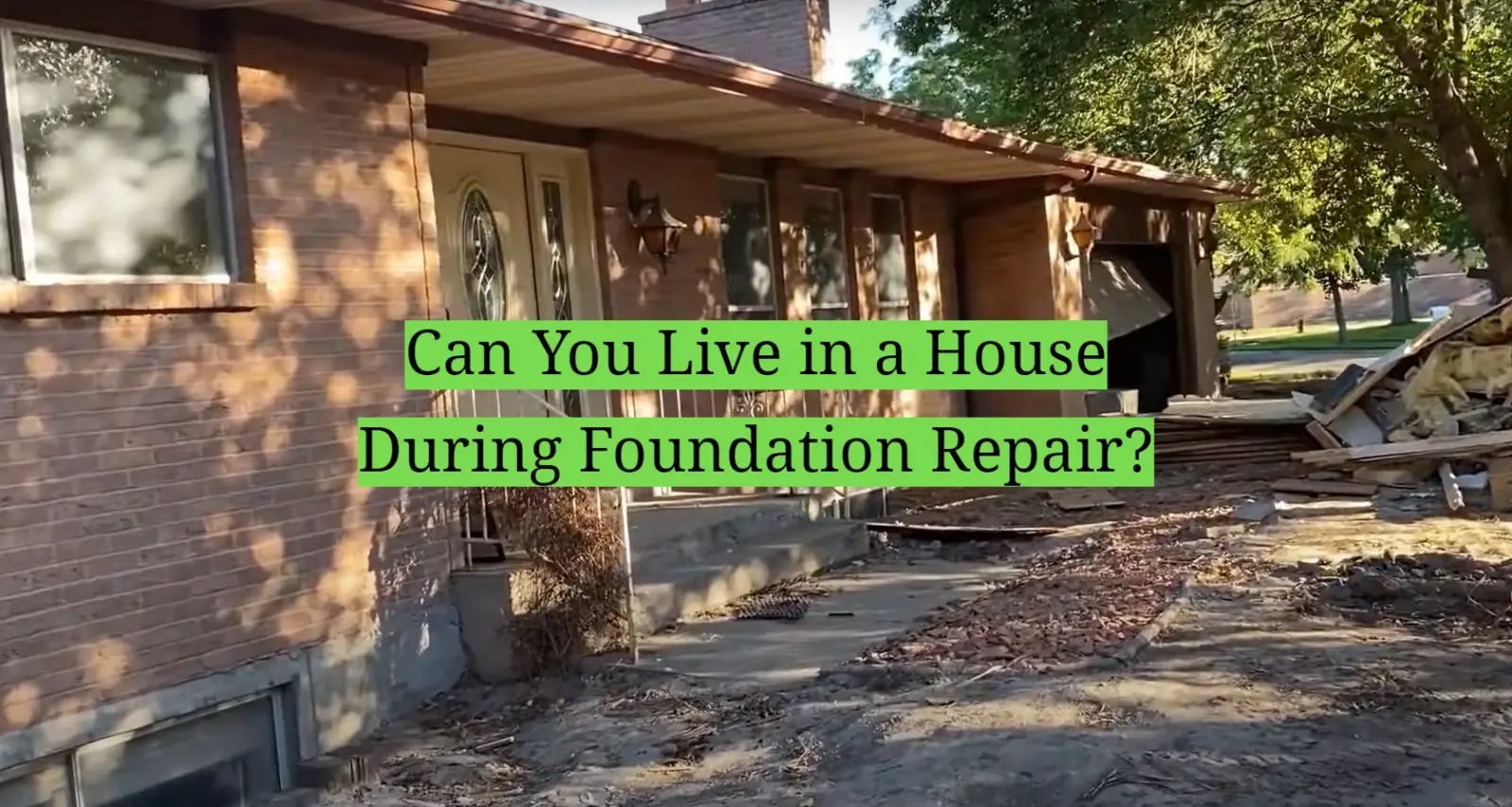
In the vast majority of cases, yes. The work is primarily performed on the exterior of the home. Even if interior piers are required, the noise and dust are localized. However, be prepared for significant noise during the pier-driving phase, which can be disruptive if you work from home.
Is foundation movement always a sign of "failure"?
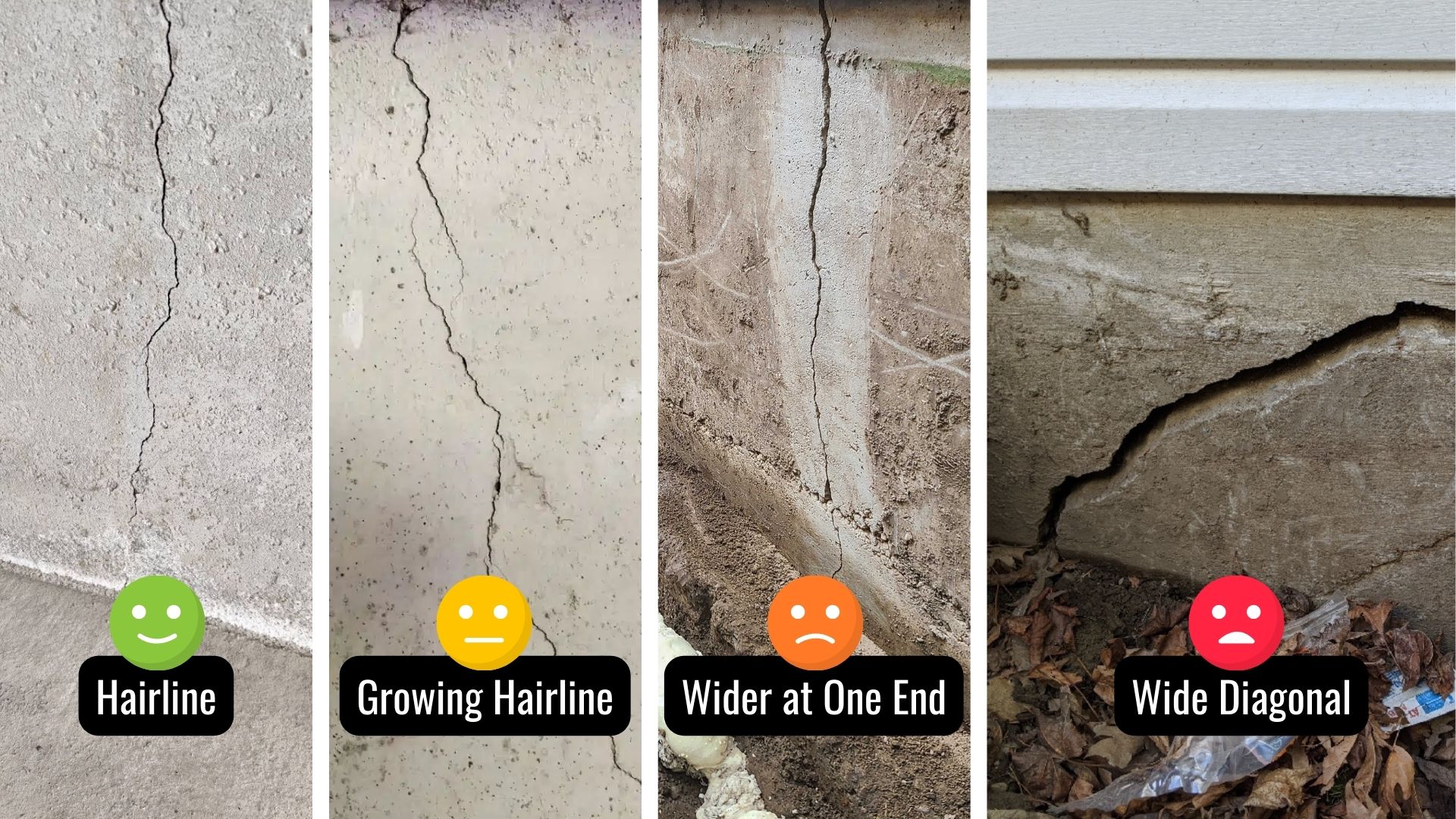
Not necessarily. All homes experience some degree of settling. In Amarillo, seasonal fluctuations can cause minor hairline cracks that open and close with the weather. A structural engineer can help you distinguish between "seasonal movement," which may require only moisture management, and "structural failure," which requires mechanical intervention.
Practical Recommendation
If you suspect foundation issues, your first action should be to contact a member of the Texas Board of Professional Engineers to find a local structural specialist. Avoid signing any repair contracts until you have a floor elevation map in hand. Once you have the report, solicit bids from at least three contractors who have a physical office in Amarillo or the surrounding Panhandle area. Verify their insurance and check for recent reviews specifically related to Pullman clay issues. After the repair is complete, immediately install a smart irrigation timer and soaker hoses to maintain the soil equilibrium that will protect your investment for decades to come.
Image Gallery