Why Jaylen Brown’s Hair Loss Matters: Identity, Branding, and the Athlete’s Image
Jaylen Brown’s hair loss matters because he is a premier cultural figure whose physical evolution challenges the "invincible" athlete trope. His transition highlights the intersection of male pattern baldness, the cultural weight of Bl...
Jaylen Brown’s hair loss matters because he is a premier cultural figure whose physical evolution challenges the "invincible" athlete trope. His transition highlights the intersection of male pattern baldness, the cultural weight of Black hair, and the shift in modern athlete branding from curated aesthetic perfection toward a more relatable, performance-focused authenticity.
Contents
As of 2026, Jaylen Brown remains one of the most scrutinized and celebrated figures in the NBA. Having led the Boston Celtics through multiple deep playoff runs and solidified his status as a champion, every facet of his life—from his intellectual pursuits to his physical appearance—is a subject of public discourse. While hair loss might seem like a superficial topic, in the context of professional sports and the Black community, it serves as a powerful lens through which we view aging, vulnerability, and the shifting standards of masculinity.
The Evolution of an Icon: From the Flat-Top to the Present
When Jaylen Brown entered the NBA in 2016, his high-top fade was more than just a haircut; it was a signature. In the early stages of his career, that specific aesthetic was tied to his "brand"—a young, intellectual, and high-flying wing player. For many athletes, hair is a component of their "on-court silhouette," the recognizable shape that fans and broadcasters identify from the nosebleed seats.
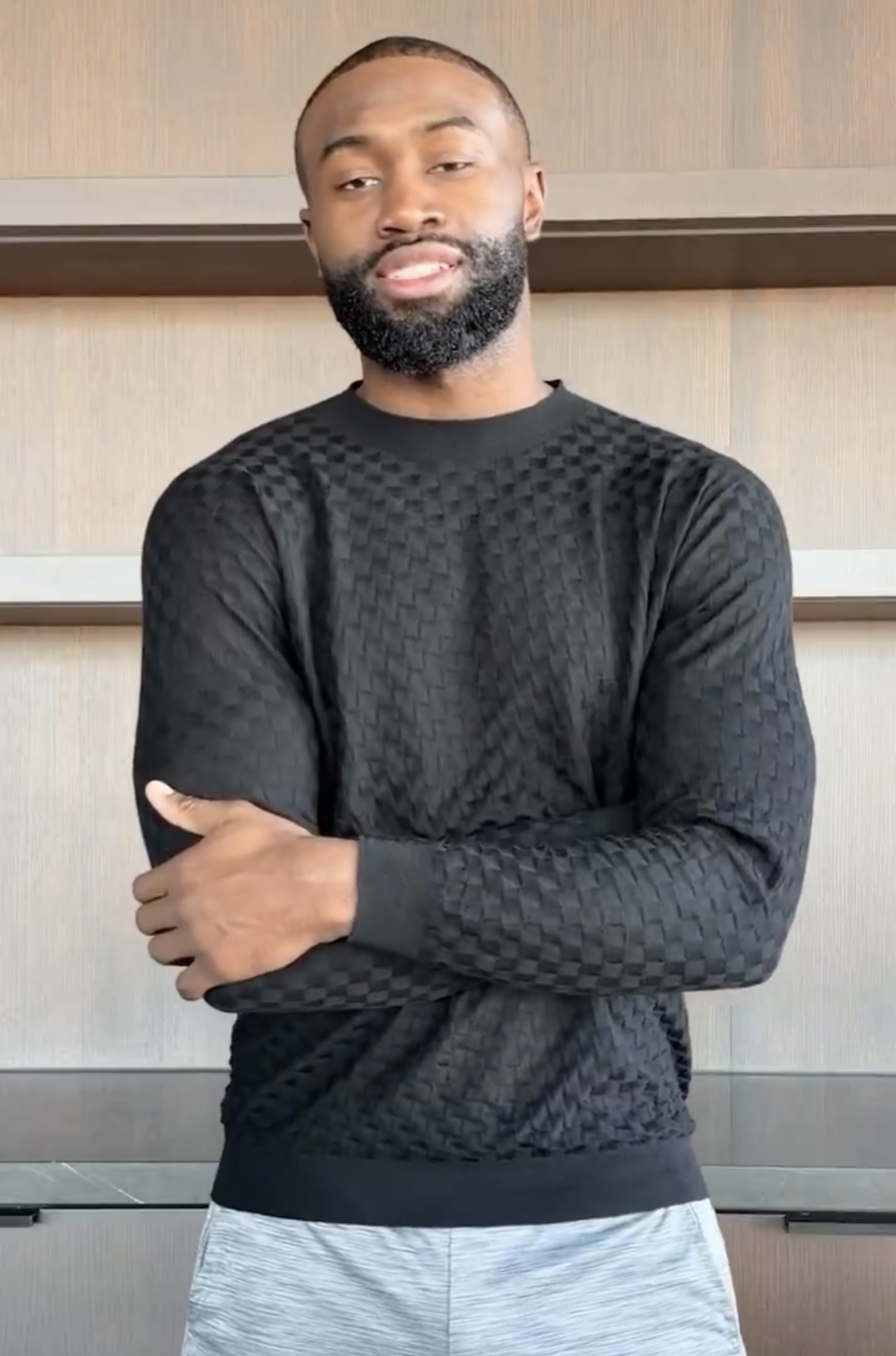
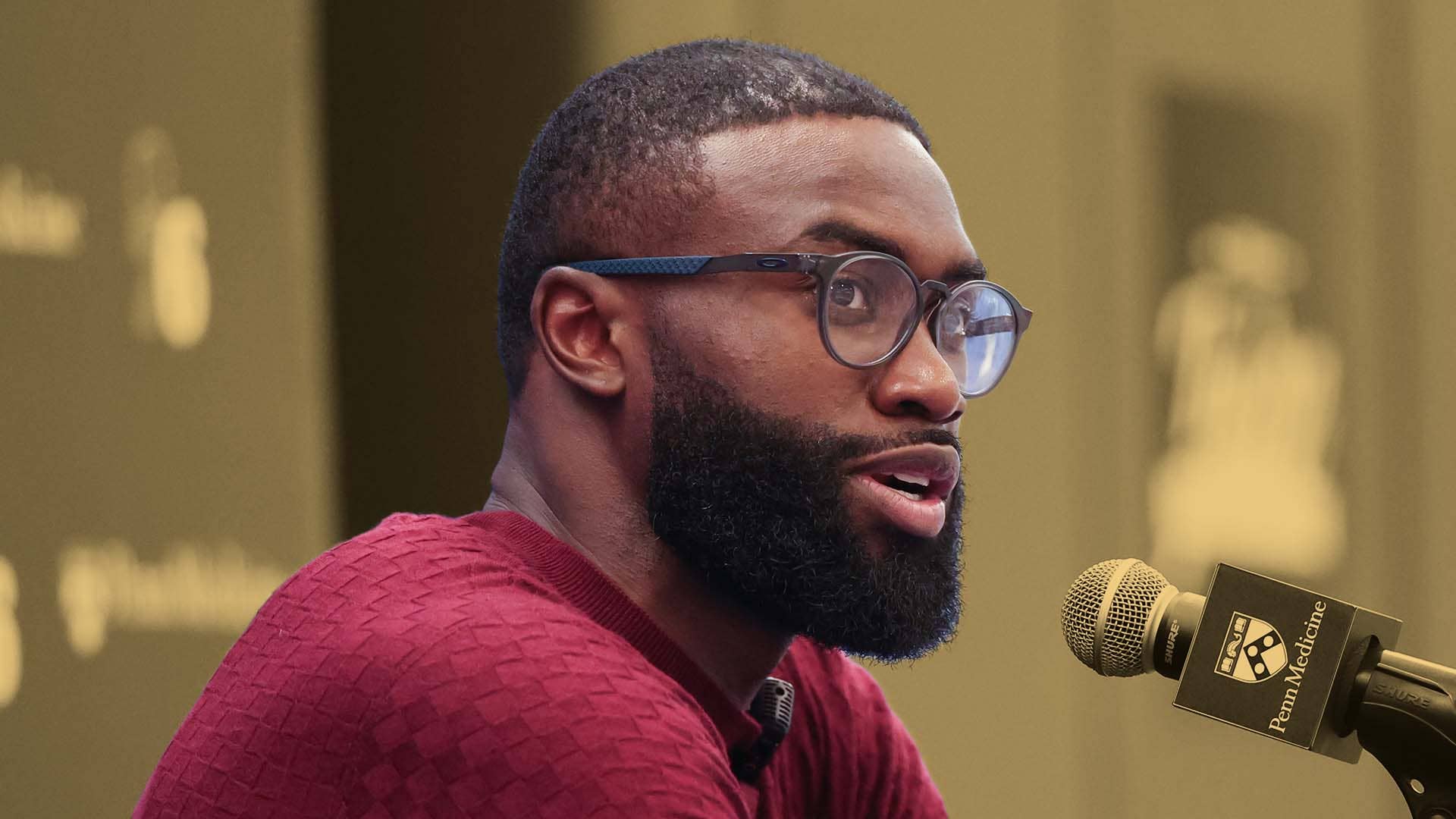
As Brown’s career progressed toward the mid-2020s, fans began to notice a shift in his hairline and the density of his crown. In the hyper-digital age of 2026, where every frame of a 4K broadcast is analyzed on social media, these changes became a focal point of discussion. This matters because it marks the transition of a player from "prospect" to "veteran." Physical changes are the most visible markers of a player's tenure in the league, signaling the passage of time in a career that is inherently fleeting.
The Biological Reality: Male Pattern Baldness in Professional Sports
Male pattern baldness, or androgenetic alopecia, affects approximately 50% of men by age 50, but it often begins much earlier, frequently in the 20s or 30s. For an elite athlete like Brown, who is 29 in 2026, the onset of hair thinning is biologically typical but publicly magnified.
Athletes face unique environmental factors that can complicate hair health:
- Constant Perspiration: Sweat contains salts that can build up on the scalp, potentially clogging follicles if not managed correctly.
- Mechanical Stress: The frequent use of headbands, which Brown has worn throughout his career, can lead to traction alopecia or simply exacerbate the visibility of a receding hairline through friction.
- High Cortisol Levels: The intense physical and mental stress of a 100-plus game season can impact the hair growth cycle.
By being open—or even just visible—with these changes, Brown provides a real-time case study in the normalization of a condition that millions of men face but often feel a sense of shame regarding.
The Cultural Weight of Black Hair in the NBA
To understand why Jaylen Brown’s hair matters, one must understand the significance of hair in Black culture. Historically, Black hair has been a site of political expression, personal pride, and professional policing. In the NBA, hair has been used to signal everything from counter-culture (Allen Iverson’s braids) to corporate cleanliness.
When a prominent Black athlete experiences hair loss, the decision on how to handle it—whether to shave it, use Scalp Micropigmentation (SMP), or undergo a transplant—is often seen as a statement on self-acceptance. Brown has consistently positioned himself as an advocate for Black excellence and self-empowerment. How he navigates his own aesthetic changes reflects his broader philosophy: is he clinging to a youthful image, or is he embracing the "elder statesman" role?
The LeBron Effect and the Shift in Public Perception
For over a decade, LeBron James was the primary target of "hairline memes" in the NBA. The relentless scrutiny of James’ hair restoration efforts created a template for how the public interacts with athlete hair loss. However, by 2026, the conversation has matured.
Jaylen Brown’s generation of players is benefitting from a shift toward "radical authenticity." Fans are increasingly weary of overly curated social media personas. When a player like Brown allows his natural hair progression to show, it humanizes him. It breaks the "superhuman" barrier, making the athlete more relatable to the average fan who is likely dealing with similar insecurities. This relatability is a potent form of "soft power" in branding, as it builds a deeper, more emotional connection with the audience.
Comparing Management Options for High-Performance Athletes
Athletes in 2026 have access to a variety of hair management strategies. Unlike the general public, they must choose options that do not interfere with their rigorous training schedules or violate league anti-doping policies (as some hair loss medications can be masking agents).
| Method | Description | Pros for Athletes | Cons for Athletes |
|---|---|---|---|
| Scalp Micropigmentation (SMP) | Medical-grade "tattooing" to mimic hair follicles. | No downtime; looks natural under stadium lights; sweat-proof. | Requires touch-ups; doesn't provide actual texture. |
| FUE Hair Transplant | Moving individual follicles to thinning areas. | Permanent; uses the athlete's own hair. | Requires significant downtime; visible scarring/crusting during recovery. |
| Topical Treatments | Minoxidil or prescription-strength foams. | Non-invasive; can be done at home. | Inconsistent results; must be applied daily; "greasy" look. |
| The "Clean Shave" | Removing all hair to lean into the bald aesthetic. | Maximum convenience; signals confidence/maturity. | Drastic change in public silhouette and branding. |
The Psychological Impact on the Younger Generation
Jaylen Brown is a role model for young athletes and students alike. By not obsessively hiding his hair loss, he sends a subtle but clear message about priorities. In an era dominated by filters and cosmetic enhancements, the "optics" of a champion who is focused more on his community work and his defensive rotation than his hairline is influential.
This "matter-of-fact" approach to aging can reduce the stigma surrounding hair loss for young men. It shifts the focus from what is being lost (hair) to what is being gained (wisdom, accolades, and impact). For a teenager struggling with early-onset thinning, seeing an NBA Finals MVP navigate the same issue without losing his "cool" factor is incredibly validating.
Branding and Endorsements: Does Hair Loss Impact Marketability?
In the past, brands might have been hesitant to put a "balding" athlete at the center of a campaign unless it was for a product specifically targeting older demographics. However, the 2026 market values "story" over "symmetry."
Brown’s marketability is tied to his intelligence, his leadership in the NBPA (National Basketball Players Association), and his championship pedigree. If anything, the physical maturation of his look aligns him with luxury brands, high-end watches, and executive-level endorsements. He is no longer the "kid with the flat-top"; he is a mogul in the making. His hair loss isn't a detraction from his brand; it is a component of his evolution into a mature, serious leader.
Frequently Asked Questions
Is Jaylen Brown using hair restoration products?
While there has been speculation among fans, Brown has not publicly confirmed the use of specific restoration products. Like many athletes, he may utilize various grooming techniques or SMP to maintain his appearance during the long season, but his current look suggests a preference for a more natural progression.
Why do NBA fans focus so much on players' hairlines?
NBA culture has a long-standing tradition of "roasting" or "clowning" as a form of community engagement. Because the players are so visible and the camera angles are so intimate, physical flaws become easy targets for memes. However, this has also led to a more serious discussion about the pressures of male grooming in the public eye.
Can hair loss medication affect an athlete’s performance?
Certain hair loss medications, particularly those that act as 5-alpha-reductase inhibitors (like Finasteride), were historically scrutinized by anti-doping agencies because they could potentially mask the use of performance-enhancing drugs. While many of these restrictions have been clarified or updated by 2026, athletes must still be cautious and consult with team physicians before starting any chemical regimen.
Has hair loss affected Jaylen Brown's endorsement deals?
No evidence suggests a negative impact. In fact, Brown’s endorsement portfolio has expanded significantly in recent years. Modern brands prioritize "authenticity" and "influence" over "traditional male beauty," making his physical evolution a non-factor or even a benefit to his relatability.
Final Recommendation for Fans and Observers
When discussing Jaylen Brown’s hair loss, it is essential to look past the aesthetics and recognize the narrative of maturity it represents. Rather than viewing it as a "loss," consider it a marker of a storied career and a sign of a player who is comfortable in his own skin. For men facing similar issues, the best course of action is to follow the "Brown Model": focus on your craft, invest in your community, and let your legacy—not your hairline—define your identity.
Image Gallery