Understanding C&S Distribution: Operations, Supply Chain Dynamics, and Industry Impact
C&S distribution refers to the complex logistics, inventory management, and supply chain fulfillment operations utilized to move goods from manufacturers to retailers or end consumers, heavily anchored by industry leaders like C&S Whol...
C&S distribution refers to the complex logistics, inventory management, and supply chain fulfillment operations utilized to move goods from manufacturers to retailers or end consumers, heavily anchored by industry leaders like C&S Wholesale Grocers. Effective distribution models rely on sophisticated warehouse automation, accurate demand forecasting, and streamlined transportation networks to maintain product integrity and reduce operational costs across the supply chain ecosystem.
Contents
Evolution and Core Function of Modern Distribution Networks
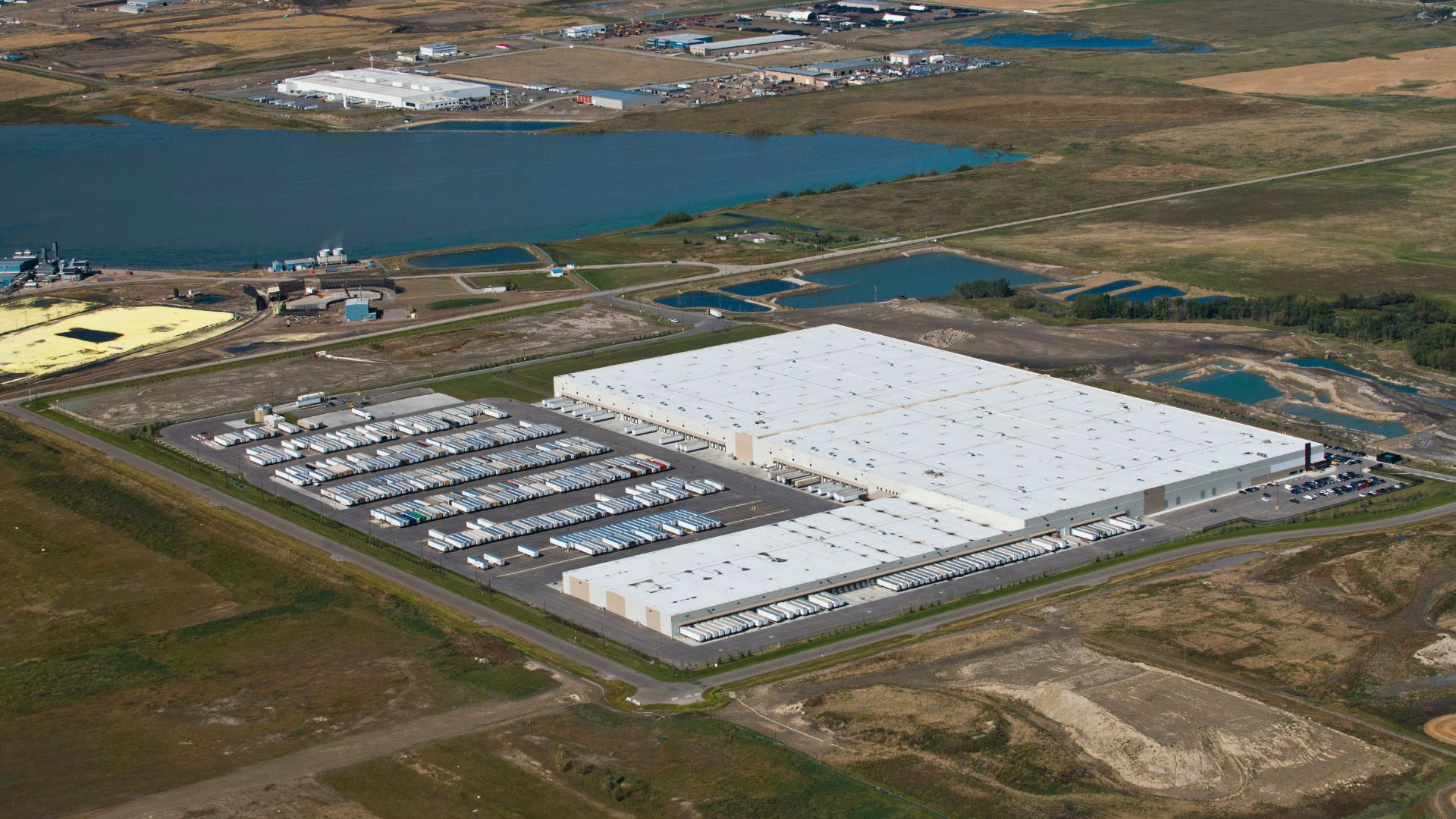
The modern supply chain operates as a tightly integrated ecosystem where distribution centers serve as the critical nexus between production facilities and retail endpoints. In sectors like wholesale grocery and high-volume retail, traditional warehousing has evolved into high-velocity throughput facilities. These operations no longer merely store goods; they actively process, sort, sequence, and redistribute merchandise to meet exact store-level demands within compressed delivery windows.
At the heart of this evolution is the need to minimize inventory holding costs while maximizing product availability. Supply chain managers utilize advanced enterprise resource planning (ERP) systems and warehouse management systems (WMS) to track inventory down to the specific batch and expiration date. This level of granularity is particularly vital in temperature-controlled environments, where maintaining the cold chain for perishable foods, dairy, and pharmaceuticals prevents spoilage and ensures regulatory compliance.
Furthermore, distribution networks must adapt to changing consumer buying behaviors, including the rise of omnichannel retail. Distributors now find themselves handling split-case picking—breaking down master cartons into individual units—to fulfill smaller, more frequent orders from diverse retail formats, ranging from massive hypermarkets to corner convenience stores.
Key Operational Components in Scale Distribution
Executing large-scale distribution requires the seamless orchestration of multiple moving parts. Each operational stage introduces distinct challenges that dictate the overall efficiency and profitability of the supply chain network.
1. Procurement and Vendor Management
Before goods ever enter a warehouse, distribution companies must negotiate terms, manage vendor relationships, and forecast purchasing volumes. Accurate forecasting prevents both stockouts and costly overstocking, utilizing historical sales data, seasonal trends, and promotional schedules to anticipate market demand.
2. Receiving and Inbound Logistics
When shipments arrive from manufacturers, inbound dock teams verify quantities, inspect goods for damage, and cross-reference documentation against purchase orders. Efficient receiving minimizes dock congestion and accelerates the velocity of goods into the inventory pool, preparing them for immediate slotting or cross-docking.
3. Inventory Slotting and Warehousing
Strategic slotting involves placing fast-moving items closer to shipping docks and organizing inventory by weight, size, and product category to minimize travel time for warehouse pickers. Automated storage and retrieval systems (AS/RS) and voice-picking technologies further reduce human error and accelerate picking speeds.
4. Outbound Transportation and Fleet Management
Getting goods out of the warehouse and onto store shelves requires sophisticated route optimization and fleet management. Distributors manage proprietary truck fleets alongside third-party logistics (3PL) providers to ensure on-time delivery while minimizing fuel consumption and carbon emissions.
Comparative Analysis of Distribution Models
Different market segments demand tailored distribution strategies. The table below outlines how various operational parameters shift across traditional wholesale distribution, direct-to-store delivery (DSD), and third-party logistics (3PL) models.
| Operational Parameter | Wholesale Distribution Model | Direct-to-Store Delivery (DSD) | Third-Party Logistics (3PL) |
|---|---|---|---|
| Primary Focus | Bulk consolidation and broad-line assortment | High-velocity, brand-specific merchandising | Out-sourced warehousing and specialized transport |
| Inventory Ownership | Distributor usually holds title to goods | Manufacturer retains ownership until store scan/sale | Client retains ownership; 3PL manages physical flow |
| Technology Integration | Enterprise WMS with robust ERP linkages | Vendor-managed inventory (VMI) and mobile scanning | Scalable cloud-based portals and multi-tenant WMS |
| Best Suited For | Supermarkets, grocers, and institutional buyers | Beverages, snacks, and high-turnover perishables | E-commerce brands, seasonal goods, and scaling enterprises |
Technological Integration and Warehouse Automation
The integration of advanced technology has transformed distribution centers from labor-intensive warehouses into high-tech fulfillment hubs. Automation addresses ongoing labor shortages while significantly increasing order accuracy and throughput capacity.
Voice-Directed and Vision-Based Picking
Voice-picking technology allows warehouse operators to receive auditory instructions via headsets and confirm actions by speaking check-digits into a microphone. This hands-free, eyes-free approach drastically reduces picking errors compared to traditional paper-based lists. Similarly, augmented reality (AR) glasses and vision-based systems project picking paths and product locations directly into the worker's field of view.
Automated Guided Vehicles (AGVs) and Autonomous Mobile Robots (AMRs)
To optimize internal material handling, facilities increasingly deploy AGVs and AMRs. These autonomous units transport pallets and totes across vast warehouse floors without human intervention, navigating safely around obstacles and dynamically rerouting when congestion occurs.
Predictive Analytics and Artificial Intelligence
Machine learning algorithms analyze vast datasets encompassing weather patterns, local events, economic indicators, and historical sales to predict future demand anomalies. These predictive insights allow distribution centers to pre-position inventory closer to high-demand regions, reducing transit times and enhancing supply chain resilience.
Common Operational Challenges and Mitigation Strategies
Operating a large-scale distribution network exposes businesses to a myriad of external and internal risks. Recognizing these pitfalls allows supply chain executives to implement proactive safeguards.
- Supply Chain Disruptions: Geopolitical tensions, extreme weather events, and labor strikes can sever traditional shipping routes. Mitigation requires diversifying supplier bases, establishing multi-modal transport options, and maintaining strategic safety stock reserves.
- Labor Shortages and Turnover: Warehousing often suffers from high employee turnover. Implementing ergonomic workplace designs, competitive compensation structures, and comprehensive training programs helps stabilize the workforce.
- Inventory Shrinkage and Damage: Mishandling or theft results in significant financial leakage. Utilizing barcode scanning, RFID tracking, and rigorous cycle-counting protocols ensures tight inventory control and accountability.
- Rising Fuel and Operating Costs: Fluctuating energy prices squeeze profit margins. Operators combat this through route optimization software, fleet electrification, and energy-efficient warehouse lighting and refrigeration systems.
Frequently Asked Questions
What is the primary role of a wholesale distribution center?
A wholesale distribution center acts as an intermediary between manufacturers and retail outlets. It consolidates products from hundreds of different suppliers, stores them efficiently, and assembles mixed-item orders for retailers, reducing the administrative and logistical burden of dealing directly with multiple individual manufacturers.
How do modern distributors maintain the cold chain for perishable goods?
Distributors utilize temperature-controlled refrigerated warehouses (reefers), insulated packaging materials, continuous data loggers, and temperature-monitored transport fleets. These measures ensure that perishable items like dairy, meat, and frozen foods remain within strict temperature thresholds throughout the entire storage and transit lifecycle.
What is slotting optimization in warehouse management?
Slotting optimization is the strategic placement of inventory within a warehouse based on item characteristics such as physical dimensions, weight, fragility, and historical picking frequency. Proper slotting minimizes travel time for warehouse pickers, reduces ergonomic strain, and accelerates overall order fulfillment velocity.
How does supply chain visibility improve distribution efficiency?
Supply chain visibility provides real-time tracking of inventory location, shipment status, and equipment health across the entire network. This transparency allows managers to proactively identify bottlenecks, reroute shipments around delays, and provide accurate delivery ETAs to retail customers.
What factors drive the adoption of warehouse automation?
Key drivers include the need to scale operations in response to e-commerce growth, persistent labor shortages, rising customer expectations for rapid delivery, and the mandate to reduce human error in repetitive picking and sorting tasks.
Strategic Next Steps for Supply Chain Optimization
Organizations seeking to optimize their distribution operations should begin by conducting a comprehensive audit of current warehouse workflows, inventory turnover rates, and order accuracy metrics. Identifying specific bottlenecks—whether in inbound receiving, slotting layout, or outbound routing—provides a clear roadmap for targeted technology investments and process improvements. Collaborating closely with experienced logistics partners and keeping abreast of regulatory compliance standards will further ensure long-term operational resilience and competitive advantage in an evolving marketplace.
Image Gallery