The Meghan Markle Apple Pie Recipe Explained: Ingredients, Techniques, and Secrets
Meghan Markle’s apple pie recipe offers a refined twist on the classic American dessert, combining rustic California comfort food with precise baking techniques. First featured on her former lifestyle platform The Tig, this recipe emph...
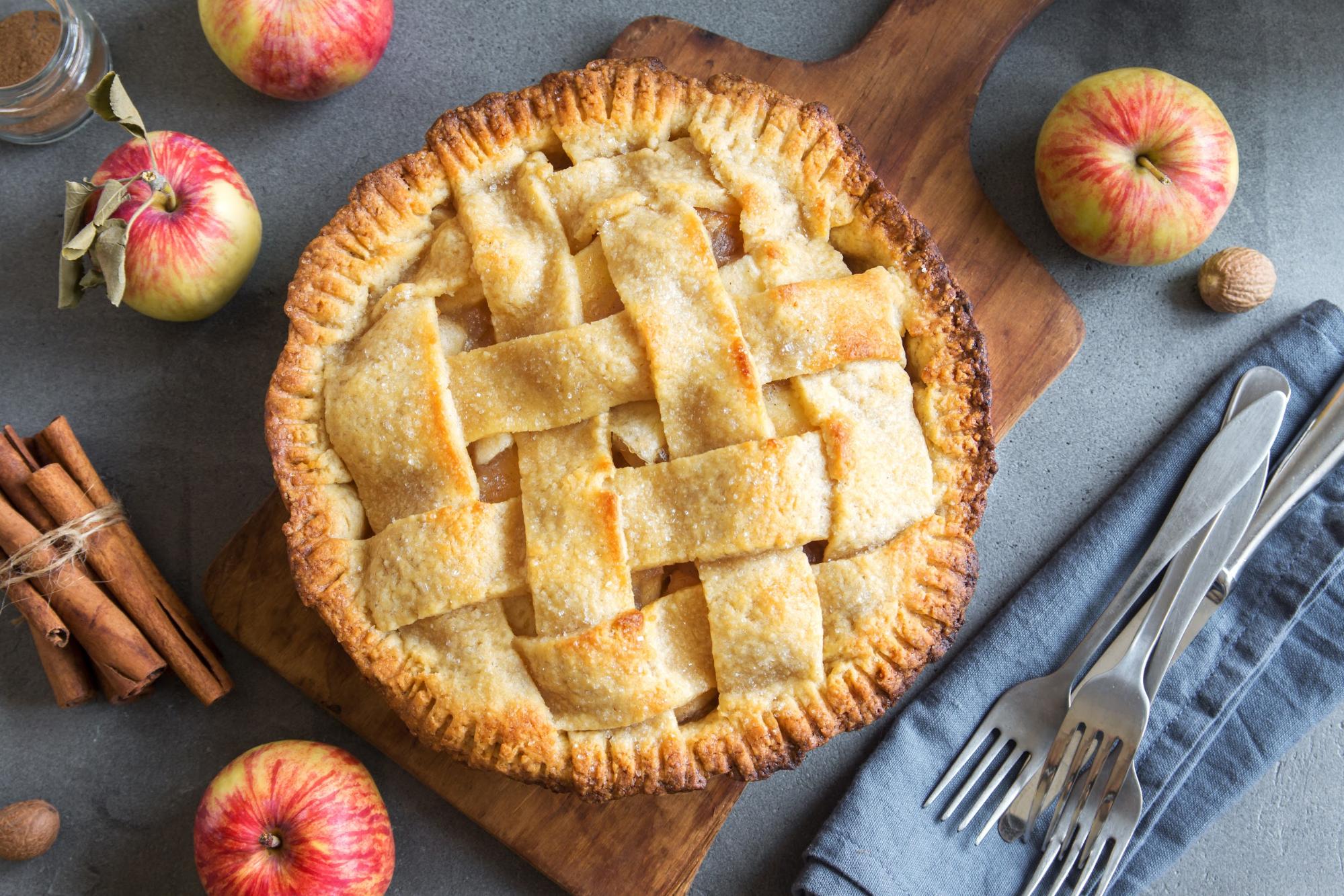
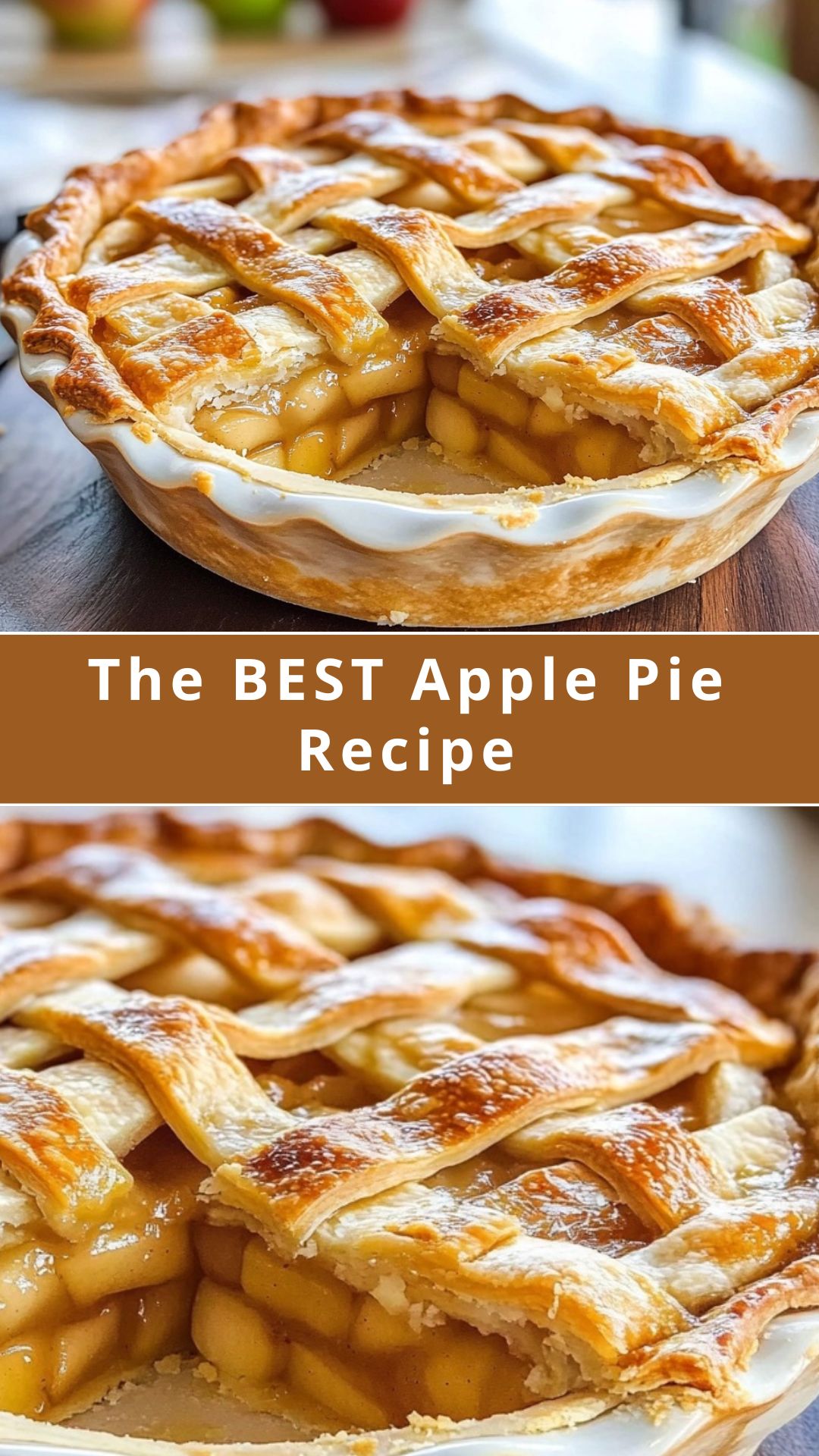
Meghan Markle’s apple pie recipe offers a refined twist on the classic American dessert, combining rustic California comfort food with precise baking techniques. First featured on her former lifestyle platform The Tig, this recipe emphasizes fresh fruit pairing, warm aromatic spices, and a flaky all-butter crust designed to eliminate soggy bottoms.
Contents
The Origins of Meghan Markle’s Culinary Style
Before becoming the Duchess of Sussex, Meghan Markle curated The Tig, a lifestyle and food blog active from 2014 to 2017. Named after her favorite Super Tuscan wine, Tignanello, the platform showcased her passion for food, travel, and entertaining. Among her autumn recipes, her approach to apple pie gained traction for blending California’s farm-to-table freshness with traditional holiday comfort food.
Meghan’s culinary philosophy centers on elevated simplicity: taking classic, nostalgic dishes and enhancing their flavor profiles through deliberate ingredient selection and slight technical tweaks. Her apple pie recipe reflects this ethos by skipping artificial thickeners or canned fillings in favor of raw fruit, natural sugars, and precise heat management.
Rather than relying on a single variety of fruit, her recipe highlights the importance of balancing sugar, acid, and pectin levels across multiple apple types. The result is a dessert that offers structural integrity, bright acidity, and complex caramel undertones without becoming overly sweet.
Key Ingredients and Flavor Architecture
Understanding why Meghan Markle’s apple pie works requires examining the specific function of each ingredient. The recipe relies on simple, high-quality staple ingredients elevated by balance and texture.
| Component | Ingredients |
|---|---|
| Acid & Texture | Granny Smith Apples |
| Sweetness & Juice | Honeycrisp / Pink Lady |
| Caramel Notes | Dark Brown Sugar & Maple Syrup |
| Aromatics | Cinnamon, Nutmeg, Cardamom |
| Crust Structure | European Cold Butter & Ice Water |
The Apple Selection Matrix
A single apple variety rarely yields a perfect pie. Cooking apples down leads to two common failure states: turning into applesauce or remaining excessively tough and rubbery. Meghan's method combines two distinct apple categories:
- Granny Smith: Delivers high acidity and high pectin content. The acid brightens the dish and cuts through the butter of the crust, while the firm structure prevents the pie filling from collapsing.
- Honeycrisp or Braeburn: Supplies natural sweetness, floral aromatics, and juicy tenderness. As these break down slightly during baking, they release juices that thicken into a rich syrup.
Spices and Sweeteners
Instead of relying exclusively on white granulated sugar, the recipe incorporates dark brown sugar and a touch of pure maple syrup. Brown sugar contains molasses, which contributes moisture and a deep, cozy caramel note. The spice blend features:
- Ground Cinnamon: Provides the foundational warm woodiness.
- Freshly Grated Nutmeg: Delivers a bright, slightly piney aroma that highlights the natural fruit flavor far better than pre-ground nutmeg.
- Ground Cardamom or Allspice: A tiny pinch adds a sophisticated, subtle peppery-sweet layer.
- Lemon Juice and Zest: Activates the fruit’s natural pectin while keeping the apples from oxidizing (browning) prematurely during prep.
The All-Butter Crust
The foundation of the pie is a classic Pâte Brisée (shortcrust pastry). While some recipes use vegetable shortening for ease of handling, an all-butter crust yields superior flavor and distinct, shattering layers. Using high-fat European-style unsalted butter creates steam pockets during baking, resulting in a light, flaky structure.
Step-by-Step Baking Breakdown
Achieving pie perfection requires executing each stage of preparation in order. Skipping steps—such as chilling the dough or draining excess liquid—can ruin the final texture.
Step 1: Preparing the All-Butter Crust
- Cube and Freeze Butter: Cut cold, unsalted butter into small half-inch cubes. Place them in the freezer for 10 to 15 minutes to ensure they stay solid during mixing.
- Combine Dry Ingredients: Pulse all-purpose flour, a pinch of sea salt, and a small amount of sugar in a food processor.
- Cut in Butter: Add the frozen butter cubes to the flour mixture. Pulse briefly until the mixture resembles coarse meal with pea-sized butter chunks remaining. These butter chunks are vital—they release steam in the oven to build flaky layers.
- Hydrate with Ice Water: Drizzle in ice-cold water (and an optional teaspoon of apple cider vinegar to reduce gluten formation) one tablespoon at a time. Pulse just until the dough comes together when squeezed.
- Disk and Chill: Divide the dough into two equal portions, flatten into disks, wrap tightly in plastic film, and refrigerate for at least 1 hour (or up to 24 hours).
Step 2: Preparing the Apple Filling
- Peel and Slice: Peel, core, and slice the apples into uniform 1/4-inch slices. Slicing too thin causes the fruit to mush; slicing too thick prevents proper cooking.
- Macerate the Fruit: Toss the apple slices in a large bowl with fresh lemon juice, brown sugar, cinnamon, nutmeg, a pinch of salt, and tapioca starch or cornstarch.
- Drain and Reduce Liquid (The Secret Step): Let the fruit sit for 20 minutes to draw out excess moisture. Drain the accumulated juices into a small saucepan, simmer over medium heat until reduced to a thick caramel-like syrup, and pour it back over the fruit. This concentrates the flavor and prevents a soggy bottom crust.
Step 3: Assembly and Baking
- Roll Out the Bottom Crust: On a lightly floured surface, roll one disk of dough into a 12-inch circle. Transfer it to a 9-inch pie dish, pressing gently into the corners without stretching the dough.
- Fill the Shell: Heap the macerated apple mixture tightly into the crust, mounding the fruit slightly in the center.
- Add Top Crust or Lattice: Roll out the second dough disk. Cover the pie with a full top crust (vented with slits for steam escape) or cut strips to weave a lattice top.
- Crimp and Chill: Trim excess dough, fold the edges under, and crimp to seal. Place the assembled pie in the refrigerator for 15 to 20 minutes before baking to re-chill the butter.
- Egg Wash and Finish: Brush the top crust lightly with an egg wash (one beaten egg mixed with a tablespoon of water or cream) and sprinkle liberally with coarse turbinado sugar for crunch.
- Bake: Start at 400°F (200°C) for 20 minutes to set the crust structure quickly. Lower the oven temperature to 375°F (190°C) and bake for an additional 40 to 50 minutes until the crust is golden brown and the filling bubbles vigorously in the center.
Apple Pie Recipe Comparison Matrix
To understand how this approach compares to other traditional baking styles, examine the structural and flavor characteristics detailed below:
| Feature | Meghan Markle Style | Traditional American Pie | French Apple Galette | Dutch Apple Pie |
|---|---|---|---|---|
| Crust Type | All-Butter Shortcrust | Butter & Shortening Blend | Single Free-form Pastry | Shortcrust Base |
| Topping | Lattice or Vented Solid | Solid Double Crust | Open / No Top Crust | Streusel / Crumble Topping |
| Apple Variety | Granny Smith + Honeycrisp | McIntosh or Jonathan | Golden Delicious or Gala | Granny Smith |
| Liquid Control | Macerated & Juice Reduced | Raw Tossed with Starch | Minimal Juice / Open Evaporation | Heavy Starch Thickener |
| Spice Profile | Cinnamon, Nutmeg, Cardamom | Cinnamon & Nutmeg | Vanilla & Apricot Glaze | Heavy Cinnamon & Brown Sugar |
| Texture Profile | Flaky Crust, Tender Firm Fruit | Soft Filling, Flaky/Tender Crust | Crisp Crust, Concentrated Fruit | Soft Fruit, Crunchy Top |
Technical Secrets for Pie Success
Baking an exceptional apple pie relies heavily on food chemistry. Paying attention to liquid control, dough temperatures, and steam ventilation ensures consistent, professional results.
Preventing the "Soggy Bottom"
A common issue in fruit pies is a wet, undercooked bottom crust. This occurs when moisture from the cooking apples seeps downward before the bottom pastry bakes completely.
To prevent this:
- Bake the pie on the lowest oven rack position or directly on a preheated baking stone.
- Pre-macerate the apples to release free water before placing them into the pie dish.
- Use a starch thickener (such as tapioca starch or cornstarch) to bind remaining juices as they boil.
Eliminating the "Hollow Dome" Gap
Have you ever sliced an apple pie only to find a large empty air gap between the top crust and the sunken apple filling? This happens because the raw apples shrink dramatically as they soften and lose volume, while the top crust sets quickly in the hot oven.
By macerating the apples with sugar and lemon juice beforehand, the fruit loses surplus moisture and softens slightly before entering the oven. This allows the fruit to settle into a dense, tight structure so the top crust bakes right against the filling, eliminating the gap.
Managing Dough Temperature
Flaky pastry relies on keeping the butter solid until the pie enters the oven. When solid butter melts in the heat of the oven, the water content inside the butter rapidly converts to steam. This steam pushes up the surrounding layers of flour paste, creating delicate air pockets.
If room temperatures are high, cool your kitchen counters or return the rolled dough to the refrigerator whenever it feels soft or greasy.
- Chilled butter chunks sit inside flour matrix.
- Pie enters high-heat oven (400°F / 200°C).
- Water in butter converts to high-pressure steam.
- Steam expands, lifting flour into flaky layers.
- Butter fat bakes into flour, setting structure.
Troubleshooting Common Baking Issues
Even seasoned home cooks encounter occasional pie challenges. Use this guide to diagnose and correct issues quickly:
- The top crust is browning too fast, but the fruit is still firm:
- Cause: Oven temperature is running hot, or the pie is positioned too close to the top heating element.
- Solution: Tent the top of the pie loosely with a piece of aluminum foil after 25 minutes of baking to protect the crust while allowing the interior fruit to finish cooking.
- The pie filling is watery and runs out when sliced:
- Cause: The pie was cut while still warm, or the internal filling did not reach a full boil to activate the starch thickener.
- Solution: Always bake the pie until liquid bubbles vigorously through the vents. Allow the pie to cool completely at room temperature for at least 4 hours before slicing. The thickeners set fully only as the pie cools.
- The crust turned out tough instead of flaky:
- Cause: Overworking the dough formed excess gluten, or the butter melted into the flour during mixing.
- Solution: Handle dough minimally. Use cold ingredients and ensure visible pea-sized specks of butter remain in the dough prior to adding water.
- The bottom crust is pale and doughy:
- Cause: Insufficient bottom heat during the initial phase of baking.
- Solution: Place a heavy dark baking sheet or baking stone on the bottom rack of your oven while preheating, then set the pie plate directly on top of it.
Frequently Asked Questions
Can I make the pie dough in advance?
Yes. You can prepare the pie dough disks up to 3 days in advance and keep them stored tightly wrapped in plastic in the refrigerator. Alternatively, freeze the dough disks for up to 3 months. Thaw frozen dough overnight in the refrigerator before rolling it out.
Why does the recipe use both Granny Smith and Honeycrisp apples?
Using a combination of tart Granny Smith and sweet Honeycrisp apples creates a balanced flavor profile and ideal pie texture. Granny Smith apples retain their firm shape and supply bright acidity, while Honeycrisp apples break down slightly to release rich, aromatic juices.
What is the purpose of adding vinegar to the pie crust?
Adding a tiny amount of apple cider vinegar (about 1 teaspoon) to the ice water lowers the pH level of the dough. This relaxes the proteins in the flour, inhibiting gluten development and producing a more tender, flaky crust without altering the flavor.
How do I store leftovers, and can I reheat them?
Store baked apple pie loosely covered at room temperature for up to 2 days. For longer storage, cover and refrigerate for up to 5 days. Reheat individual slices in a preheated oven at 350°F (175°C) for 10 to 12 minutes to crisp up the crust. Avoid microwaving, which makes the pastry soggy.
Can I freeze an unbaked apple pie?
Yes. Assemble the complete pie in an oven-safe pie dish, wrap it tightly in a double layer of plastic wrap followed by aluminum foil, and freeze for up to 3 months. Bake directly from frozen at 400°F (200°C) for 20 minutes, then lower to 375°F (190°C) and bake for an additional 50 to 60 minutes until bubbling.
Final Recommendation for Home Bakers
To recreate Meghan Markle's elevated apple pie at home, prioritize ingredient quality and temperature control. Source fresh, firm apples from a local farm or market, and combine tart and sweet varieties to achieve balanced natural flavors. Never rush the dough-chilling steps, and don't skip macerating the fruit to drain excess liquid before filling your crust.
For the best texture and clean slices, let the pie rest and cool completely on a wire rack for at least 4 hours after baking. Serve at room temperature alongside a scoop of vanilla bean ice cream or freshly whipped cream.
Image Gallery