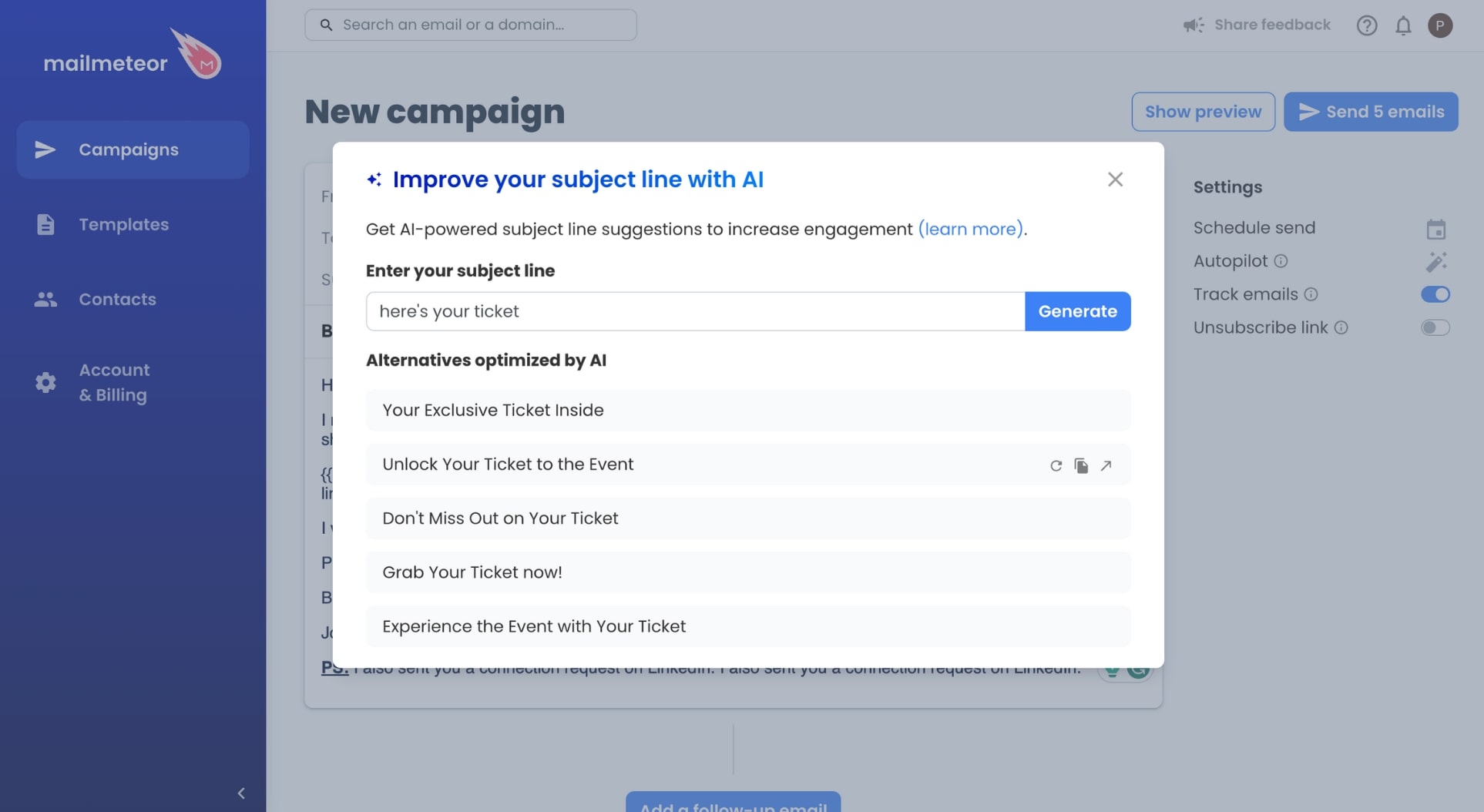
How to Write Effective Email Blast Subject Lines
Writing effective email blast subject lines requires balancing psychology, brevity, and clarity to capture attention in crowded inboxes while accurately reflecting the message inside. Your subject line serves as the primary gateway to...
Writing effective email blast subject lines requires balancing psychology, brevity, and clarity to capture attention in crowded inboxes while accurately reflecting the message inside. Your subject line serves as the primary gateway to your content; if it fails to engage recipients, even the most meticulously designed campaign will go unread.
Contents
Understanding the Anatomy of a High-Performing Subject Line
An effective email subject line is not a single clever phrase; it is a carefully calibrated combination of elements designed to trigger curiosity, urgency, or immediate utility. When recipients scan their inbox, they make split-second decisions about which emails to open and which to ignore or delete. To influence this decision, marketers must understand how length, word choice, and structural placement interact.
Optimal Length and Character Limits
Most email clients truncate subject lines that exceed a specific character count, particularly on mobile devices. While desktop applications might display 60 to 80 characters, mobile screens—where over half of all emails are typically opened—often cut off subject lines after 30 to 50 characters, roughly equating to 6 to 9 words.
Therefore, front-loading your most important keywords is an essential operational strategy. If your core value proposition appears at the very beginning of the subject line, it remains visible even if the trailing words are truncated by a mobile interface.
Balancing Clarity and Curiosity
A common pitfall in email marketing is leaning too heavily into vague, hyper-curious phrasing that leaves the reader guessing. While clickbait may yield a temporary spike in open rates, it rapidly erodes reader trust and increases spam complaints when the content fails to deliver on an over-hyped premise. Conversely, dry, purely descriptive subject lines often fail to generate enough excitement to prompt action.
The ideal balance lies in promising a clear benefit while withholding just enough detail to encourage the recipient to open the message. For example, instead of writing "Read our new report on quarterly market shifts," a more compelling alternative is "Quarterly Market Shifts: 3 Trends Driving Q3 Growth." This approach maintains absolute transparency while injecting specific value.
Core Strategies for Boosting Open Rates
Improving your open rates requires systematic testing and the application of proven copywriting frameworks. Different audience segments respond to distinct psychological triggers, meaning that a one-size-fits-all approach rarely maximizes performance.
Personalization Beyond the First Name
Modern email service providers allow for dynamic insertion of subscriber data, moving far beyond basic first-name greetings. While adding a recipient's name can catch their eye, true personalization involves segmenting your audience based on past behavior, purchase history, geographic location, or content preferences.
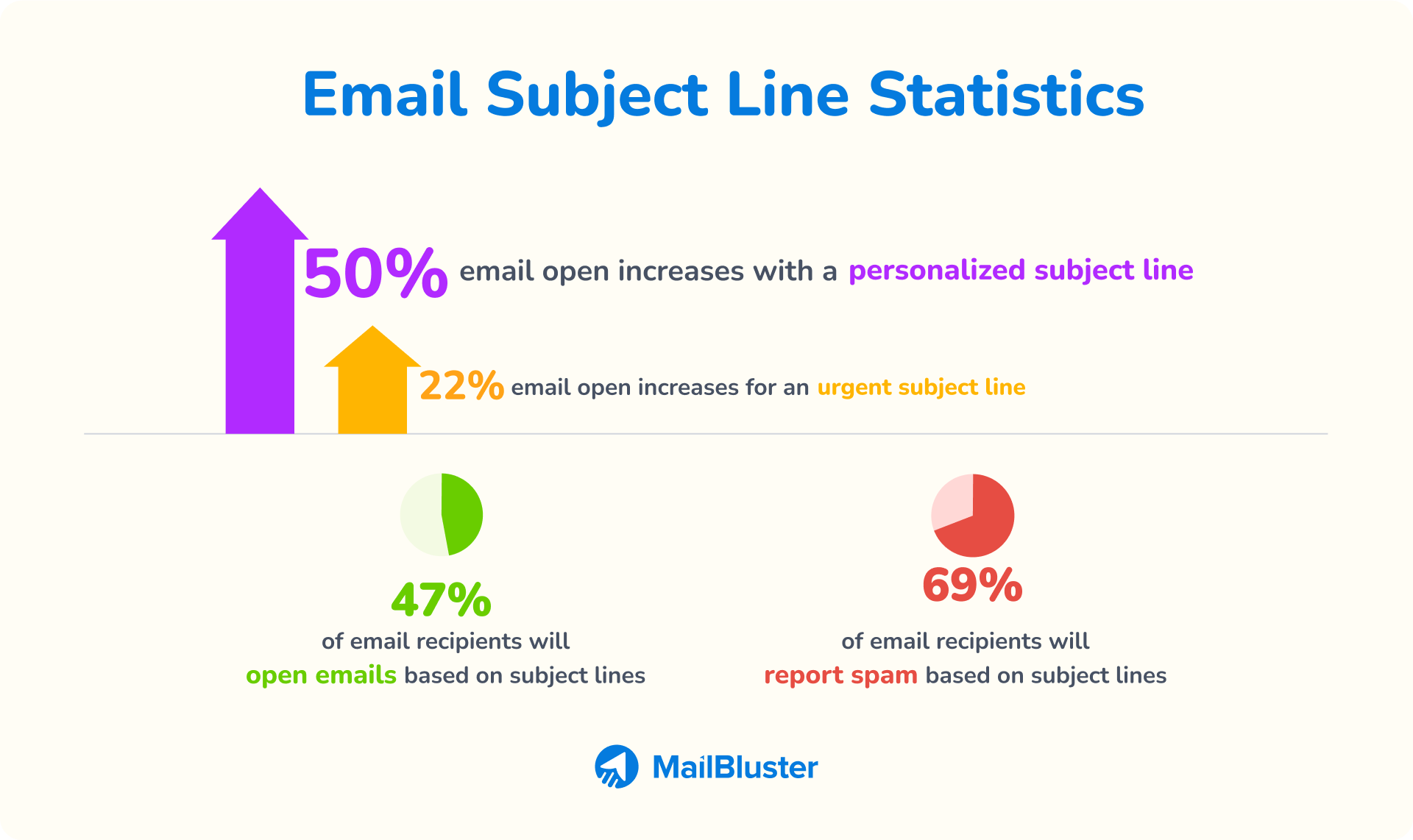
Subject lines that reflect a recipient's specific stage in the customer journey consistently outperform generic blasts. For instance, sending a subject line like "Exclusive Upgrade Offer for Pro Plan Users" to active subscribers demonstrates contextual awareness that generic broadcasts lack.
Creating Ethical Urgency and Scarcity
Human psychology is heavily influenced by the fear of missing out. Introducing time-sensitive language or limited availability can drastically accelerate decision-making. However, this tactic must be used with strict honesty. False urgency—such as claiming a sale ends today when it runs indefinitely—destroys long-term brand credibility.
Effective urgency relies on real deadlines, inventory limits, or exclusive time-bound windows. Examples include:
- "Registration closes tonight at midnight."
- "Flash Sale: 40% off selected inventory for the next 4 hours."
- "Your trial expires in 2 days: Secure your data now."
Comparing Common Subject Line Approaches
To select the right angle for your campaign, it helps to evaluate how different strategic approaches perform across various marketing objectives. The table below outlines common subject line styles, their primary mechanisms, and their ideal use cases.
| Subject Line Style | Primary Mechanism | Ideal Use Case | Potential Risk |
|---|---|---|---|
| Benefit-Driven | Clearly states the direct value or outcome for the reader. | Educational content, newsletters, software updates. | Can feel dry if the benefit isn't compelling enough. |
| Curiosity Gap | Piques interest by asking a provocative question or hinting at a surprising insight. | Content marketing, storytelling campaigns, case studies. | Risk of crossing into misleading clickbait. |
| Urgency-Based | Leverages time limits or scarcity to prompt immediate action. | Product launches, flash sales, event registrations. | Fatigue if overused or perceived as inauthentic. |
| Personalized | Targets specific user segments, preferences, or actions. | Re-engagement campaigns, transactional alerts, upsells. | Requires clean data hygiene and accurate segmentation. |
Essential Technical and Copywriting Best Practices
Writing strong copy is only half the battle; technical execution and adherence to inbox delivery standards are equally vital for maintaining high placement rates and avoiding spam filters.
Avoiding Spam Trigger Words
Internet service providers and corporate email filters analyze subject lines for specific patterns and terminology associated with unsolicited bulk mail. Using excessive punctuation (such as multiple exclamation marks), writing entirely in uppercase letters, or relying on aggressive promotional phrasing can instantly divert your message to the spam folder.
Avoid terms that promise unrealistic financial gains or use aggressive sales pressure, including phrases like "100% free," "Act now," "Make money fast," or "No risk." Instead, focus on professional, measured phrasing that communicates value without triggering algorithmic warnings.
The Power of A/B Testing
Because audience preferences vary widely across different niches and industries, relying on intuition alone is insufficient. Systematic A/B testing—also known as split testing—allows you to send two variations of a subject line to a small percentage of your list while the remaining subscribers receive the winning variant once statistical significance is determined.
When conducting split tests, isolate a single variable at a time. For example, test a question-based subject line against a statement-based subject line while keeping the sender name, preview text, and email body identical. Tracking metrics such as open rate, click-through rate, and conversion rate over time builds a reliable data foundation for future campaigns.
Frequently Asked Questions
What role does preheader text play alongside the subject line?
Preheader text—the short snippet of preview text that appears next to or below the subject line in an inbox—acts as an extension of your subject line. Neglecting it leaves default text like "View this email in your browser" exposed, wasting valuable real estate. Use the preheader to expand upon the promise made in your subject line and provide an additional incentive to open.
How do I know if my email subject line is too long?
Most reputable email marketing platforms provide a visual preview tool showing how your subject line appears on both desktop and mobile devices. As a general rule, keep your core message within the first 40 characters to ensure full visibility across all device types.
Should I use emojis in email blast subject lines?
Emojis can increase visual contrast in a crowded inbox and help your message stand out. However, they should be used sparingly and only when appropriate for your brand voice. Always test emojis across different operating systems and email clients, as some corporate filters or older desktop clients display them as broken characters or missing symbols.
How frequently should we test our subject lines?
You should aim to conduct A/B tests on every major broadcast or newsletter campaign. Consistent testing builds an empirical understanding of what language, tone, and framing resonate most deeply with your specific audience segments.
What is the difference between open rate and click-through rate?
Open rate measures the percentage of recipients who opened your email relative to the total number of delivered emails, heavily influenced by your subject line and sender name. Click-through rate measures the percentage of recipients who clicked a link inside the email, which depends primarily on the relevance and quality of your internal content and call to action.
Next Actions for Implementation
To elevate your email marketing performance immediately, audit your last five email campaigns and analyze their open rates. Identify which subject lines performed best and isolate the common denominators—whether length, tone, or structural format. Implement a structured A/B testing protocol for your next campaign, ensuring that your core value proposition is front-loaded within the first 40 characters.
Image Gallery