Traveling by Amtrak from Virginia to New York City: The Complete Guide
Traveling by Amtrak from Virginia to New York City offers a seamless, comfortable alternative to driving I-95 or navigating regional airports, delivering passengers straight to the heart of Manhattan through historic transit hubs. Trav...
Traveling by Amtrak from Virginia to New York City offers a seamless, comfortable alternative to driving I-95 or navigating regional airports, delivering passengers straight to the heart of Manhattan through historic transit hubs.
Contents
Traveling by Amtrak from Virginia to New York City offers a convenient and scenic journey connecting major hubs like Richmond, Alexandria, and Norfolk to Moynihan Train Hall at New York Penn Station. Passengers can choose between regional Northeast Corridor services and high-speed Acela trains, enjoying features like free Wi-Fi, spacious seating, and a cafe car while bypassing highway traffic and airport security lines.
Understanding the Amtrak Corridor from Virginia to New York City
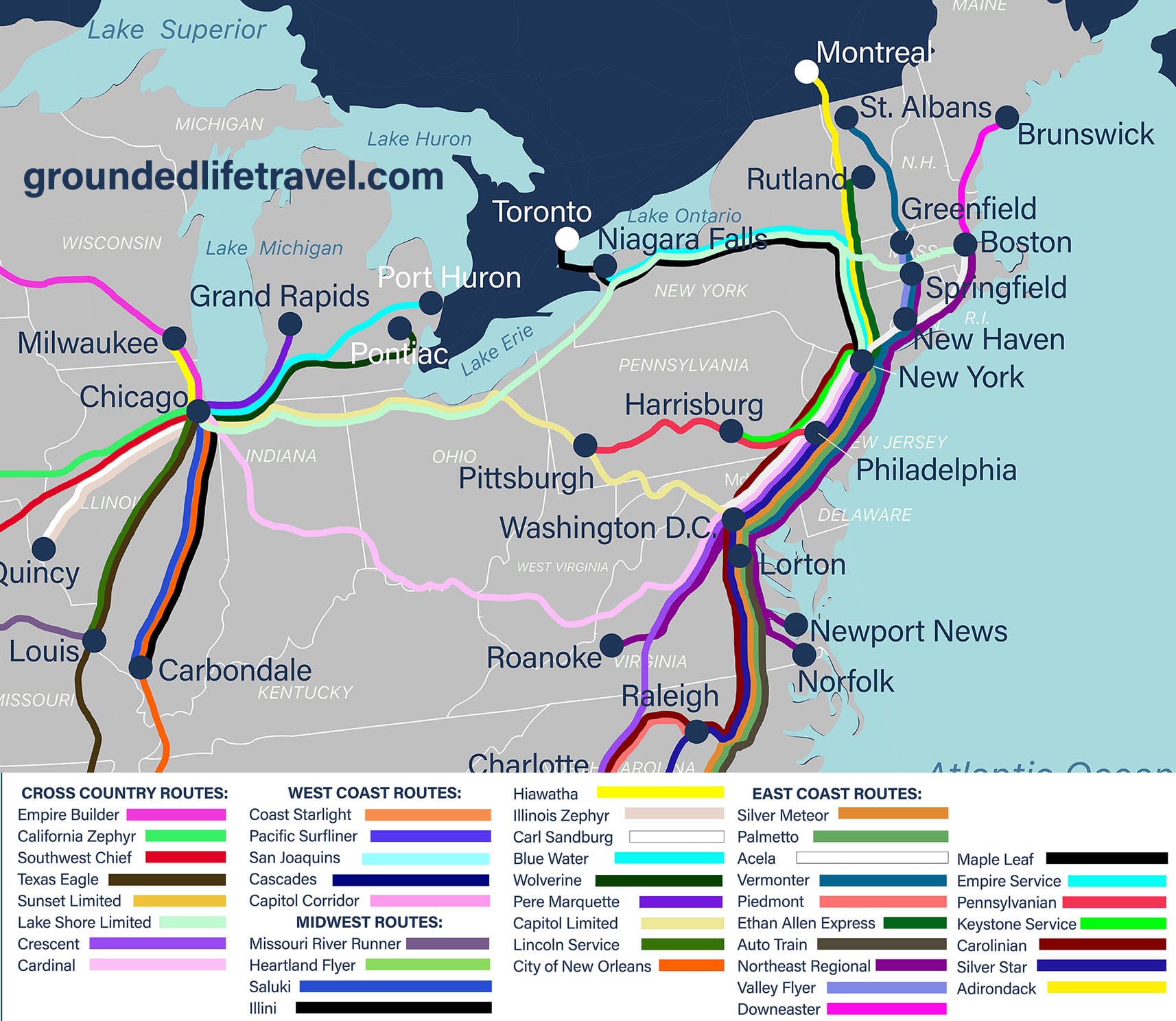
The rail corridor linking Virginia to New York City represents one of the most heavily traveled and historically significant passenger rail routes in the United States. Operated primarily by Amtrak in close coordination with state departments of transportation and freight hosts like CSX, this route bridges the Mid-Atlantic and the Northeast.
When planning a trip from the Commonwealth of Virginia to Manhattan, passengers navigate a network that stretches across multiple states, passing through bustling metropolitan areas, historic river crossings, and major economic centers. The journey takes advantage of the Northeast Corridor (NEC) infrastructure north of Washington, D.C., where trains can achieve higher speeds, while utilizing shared freight tracks south of the capital.
Key Virginia Departure Stations
Virginia's Amtrak network has expanded significantly over the past two decades, offering multiple departure points to suit travelers across the state:
- Norfolk (NFK): Serving the Hampton Roads region, this station provides direct morning departures northward, capturing travelers from Virginia Beach, Portsmouth, and Chesapeake.
- Newport News (NPN): Situated on the Virginia Peninsula, this terminal serves historical triangle communities and provides daily long-distance and regional connections.
- Richmond - Main Street (RVM) and Staples Mill Road (RVR): Richmond boasts two active stations. Staples Mill Road is the busier of the two, handling high-frequency regional departures, while Main Street offers a downtown architectural landmark experience.
- Fredericksburg (FBG): An essential stop for commuters and travelers in the Northern Virginia exurbs, offering convenient access closer to the D.C. border.
- Quantico (QAN) and Woodbridge (WOD): Serving commuter-heavy pockets along the I-95 corridor.
- Alexandria (ALX): One of the busiest stations in Virginia, acting as a major gateway for Northern Virginia residents with robust multi-modal connections to the Washington Metro.
Arrival in New York City
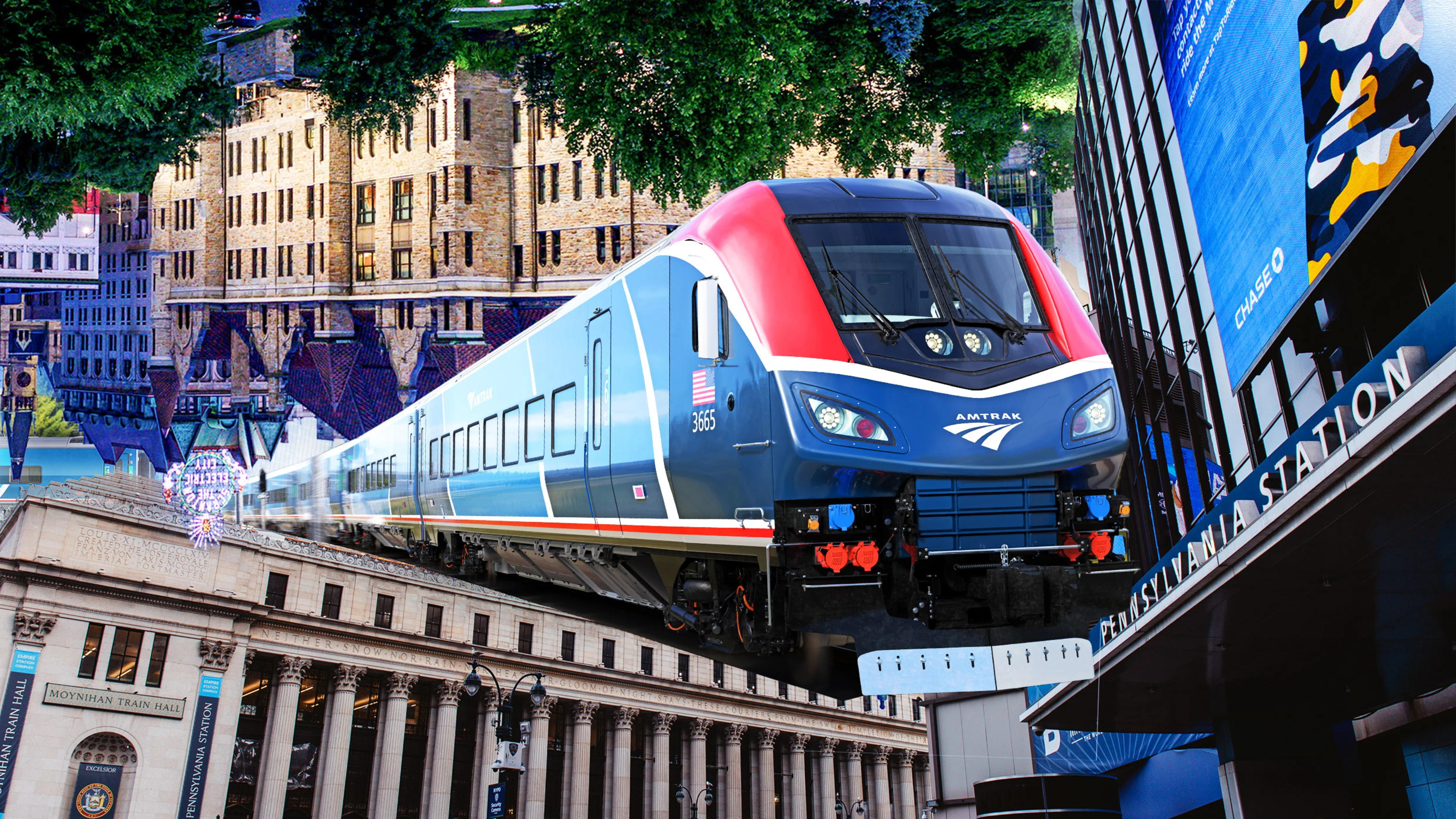
Regardless of the specific origin point in Virginia, almost all northbound long-distance and regional trains terminate at or pass through New York Penn Station (NYP). Amtrak operations in New York City are centered in the state-of-the-art Moynihan Train Hall, located across Eighth Avenue from the historic Penn Station footprint.
Moynihan Train Hall features a soaring glass atrium, modern ticketing counters, expansive waiting lounges, digital departure boards, and direct access to the New York City Subway lines (A, C, E, 1, 2, and 3 trains), as well as the Long Island Rail Road (LIRR).
Choosing Your Train Service: Northeast Regional vs. Acela
Amtrak operates two primary service categories between Virginia and New York City: the Northeast Regional and the Acela. Understanding the operational differences between these two products helps travelers balance speed, cost, and comfort.
| Feature | Northeast Regional | Acela |
|---|---|---|
| Top Operating Speed | Up to 125 mph | Up to 150 mph |
| Richmond to NYC | Approx. 5.5 to 6.5 hours | Approx. 5 hours |
| Alexandria to NYC | Approx. 4 to 4.5 hours | Approx. 3.5 to 4 hours |
| Seating Classes | Coach, Business | Business, First |
| Assigned Seating | Yes (Selected at booking) | Yes (Selected at booking) |
| Onboard Amenities | Cafe Car, Free Wi-Fi | Cafe Car, First Class Lounge |
The Northeast Regional Experience
The Northeast Regional is the workhorse of the corridor. Trains on this route originate at various Virginia stations—such as Norfolk, Newport News, or Roanoke—and run all the way north to Boston.
- Seating: Coach cars feature wide, reclining seats with ample legroom, fold-down tray tables, individual reading lights, and 120V electric outlets at every seat. Business Class offers leather-seating arrangements, a complimentary non-alcoholic beverage, and a guaranteed seat in a dedicated car.
- Flexibility: Because multiple regional trains run daily, passengers enjoy greater scheduling flexibility.
- Value: Fares are generally lower than Acela, making it the preferred option for budget-conscious travelers and families.
The Acela Experience
Acela is Amtrak's flagship high-speed premium service. While Acela trains historically terminated in Washington, D.C., select frequencies extend directly into Virginia, serving stations like Alexandria and Richmond.
- Speed & Tilt Technology: Acela trains utilize specialized tilt technology to navigate curves at higher speeds, cutting overall travel time between Northern Virginia and Manhattan by roughly 30 to 45 minutes compared to regional services.
- Classes of Service: Acela offers Business Class and First Class only. First Class passengers receive at-your-seat dining service, complimentary alcoholic and non-alcoholic beverages, and access to the Club Acela lounge in Washington, D.C. (though Virginia stations do not feature dedicated lounges).
- Work Environment: The quiet car and spacious conference tables make Acela popular with business travelers commuting between government and financial hubs.
Step-by-Step Guide to Booking and Preparing Your Trip
Securing a smooth rail journey requires careful planning, from ticket acquisition to station arrival logistics.
1. Booking Your Ticket
Tickets can be purchased via the Amtrak website, the official Amtrak mobile app, or by calling customer service. When booking:
- Book Early: Amtrak uses a tiered pricing system. As trains fill up, ticket prices rise. Booking 3 to 4 weeks in advance typically yields the lowest fares.
- Select Your Seat: Amtrak features automated seat selection at the time of booking for both Coach and Business classes, allowing passengers to choose window, aisle, forward-, or backward-facing seats.
- Check Multi-City Options: If you plan to stop in Washington, D.C., or Philadelphia along the way, utilize the multi-city booking engine rather than purchasing separate one-way segments.
2. Baggage Policies and Allowances
One of Amtrak's primary competitive advantages over commercial aviation is its generous baggage policy, which incurs no hidden baggage fees for standard items.
- Carry-On Luggage: Each passenger is allowed two personal items (up to 25 lbs each, 14 x 11 x 7 inches) and two carry-on bags (up to 50 lbs each, 28 x 22 x 14 inches) free of charge.
- Checked Baggage: Available only at select full-service stations in Virginia (such as Richmond Staples Mill, Newport News, and Norfolk). Check station capabilities ahead of time, as smaller stations like Alexandria do not offer checked baggage service.
- Bikes and Pets: Small dogs and cats are permitted on trips up to seven hours for a pet fee, provided they travel in an approved carrier. Standard bicycles can be brought onboard via designated bike racks or baggage car services depending on the train type; reservations are required.
3. Arriving at the Station
Unlike commercial airports, passengers do not need to arrive two hours before departure.
- Timing: Arrive at your departure station 30 to 45 minutes before the scheduled departure time. This allows ample time to park, locate the platform, and board without rushing.
- Parking: Major Virginia stations like Richmond Staples Mill and Alexandria offer ample surface parking or structured garages, though daily parking fees apply. Check third-party or station-specific parking regulations before arrival.
- Boarding Process: Station agents or digital announcements will direct passengers to the correct track. High-speed rail corridors use island platforms; keep your ticket barcode ready for scanning by the conductor either at the gate or onboard the train.
Onboard Life, Amenities, and Staying Connected
Traveling by rail allows passengers to utilize transit time productively or relax completely. Understanding onboard amenities ensures a comfortable trip.
Wi-Fi and Power
Amtrak provides complimentary Wi-Fi across its Northeast Corridor and regional trains. While sufficient for web browsing, checking email, and light messaging, streaming heavy video files or engaging in large data transfers may experience bandwidth limitations. Every seat is equipped with standard electrical outlets, ensuring devices remain charged throughout the multi-hour journey.
Food and Beverage Options
- The Cafe Car: Located centrally within the train consist, the Cafe Car offers a variety of hot and cold items, including sandwiches, snacks, coffee, soft drinks, beer, wine, and spirits. Passengers are also permitted to bring their own food and non-alcoholic beverages onboard.
- First Class Dining (Acela): Acela First Class passengers enjoy complimentary meals served directly at their seats, with menus changing seasonally and accommodating various dietary restrictions.
Frequently Asked Questions
How long is the train ride from Virginia to New York City?
Travel times vary depending on your specific departure station in Virginia and the type of train selected. A trip from Richmond takes approximately 5.5 to 6.5 hours on a Northeast Regional train. Shorter journeys originate closer to Washington, D.C.; departing from Alexandria, the trip to New York City takes roughly 4 hours.
Do I need to go through security screening before boarding Amtrak?
No formal airport-style security checkpoints exist at Amtrak stations in Virginia. Passengers walk directly onto platforms after ticket verification. However, Amtrak Police and local law enforcement conduct random bag checks and patrols, and passengers must keep luggage with them at all times.
Can I bring my pet on the train from Virginia to NYC?
Yes, small dogs and cats are allowed on most Amtrak trains traveling this route, provided the journey does not exceed seven hours. Pets must remain inside an approved carrier that fits under the seat, and a pet reservation must be made in advance for a nominal fee.
What is the difference between Richmond's two stations?
Richmond has two primary stations: Staples Mill Road (RVR) and Main Street Station (RVM). Staples Mill Road is located in the West End, offers more frequent train departures, and provides easier automobile access and parking. Main Street Station is located downtown near Shockoe Bottom, featuring historic architecture and proximity to downtown hotels, but serves fewer daily trains.
Is Amtrak more expensive than driving or flying?
Pricing fluctuates based on booking timing and demand. While last-minute tickets can approach the cost of a domestic airline flight, booking several weeks in advance often yields competitive rates that rival the total cost of driving—factoring in I-95 tolls, gasoline, and Manhattan parking garages.
---\n\n## Conclusion and Next Action
Traveling by Amtrak from Virginia to New York City provides a reliable, comfortable, and scenic transit option that bypasses highway gridlock and airport hassles. To secure the best schedule and lowest fare, review your departure station options across Virginia, determine whether a Northeast Regional or Acela service best fits your itinerary, and book your tickets on the official Amtrak website several weeks in advance of your travel date.
Image Gallery