The Global Impact of RRR: How S.S. Rajamouli Redefined Indian Cinema for the World
The Indian film RRR (Rise Roar Revolt) is a 2022 epic action-drama that became a global cultural landmark by bridging the gap between regional Indian cinema and international mainstream audiences. Its success, culminating in an Academy...
The Indian film RRR (Rise Roar Revolt) is a 2022 epic action-drama that became a global cultural landmark by bridging the gap between regional Indian cinema and international mainstream audiences. Its success, culminating in an Academy Award, fundamentally shifted how global viewers consume Indian content, establishing the "Pan-World" potential of high-budget Telugu-language productions.
Contents
The Genesis of a Global Phenomenon
When director S.S. Rajamouli first conceptualized RRR, the primary objective was to create a "Pan-Indian" spectacle that would unite the diverse domestic markets of India. However, by the time of its release and its subsequent explosion on streaming platforms, it had transcended national borders to become a case study in international film distribution and cross-cultural appeal.
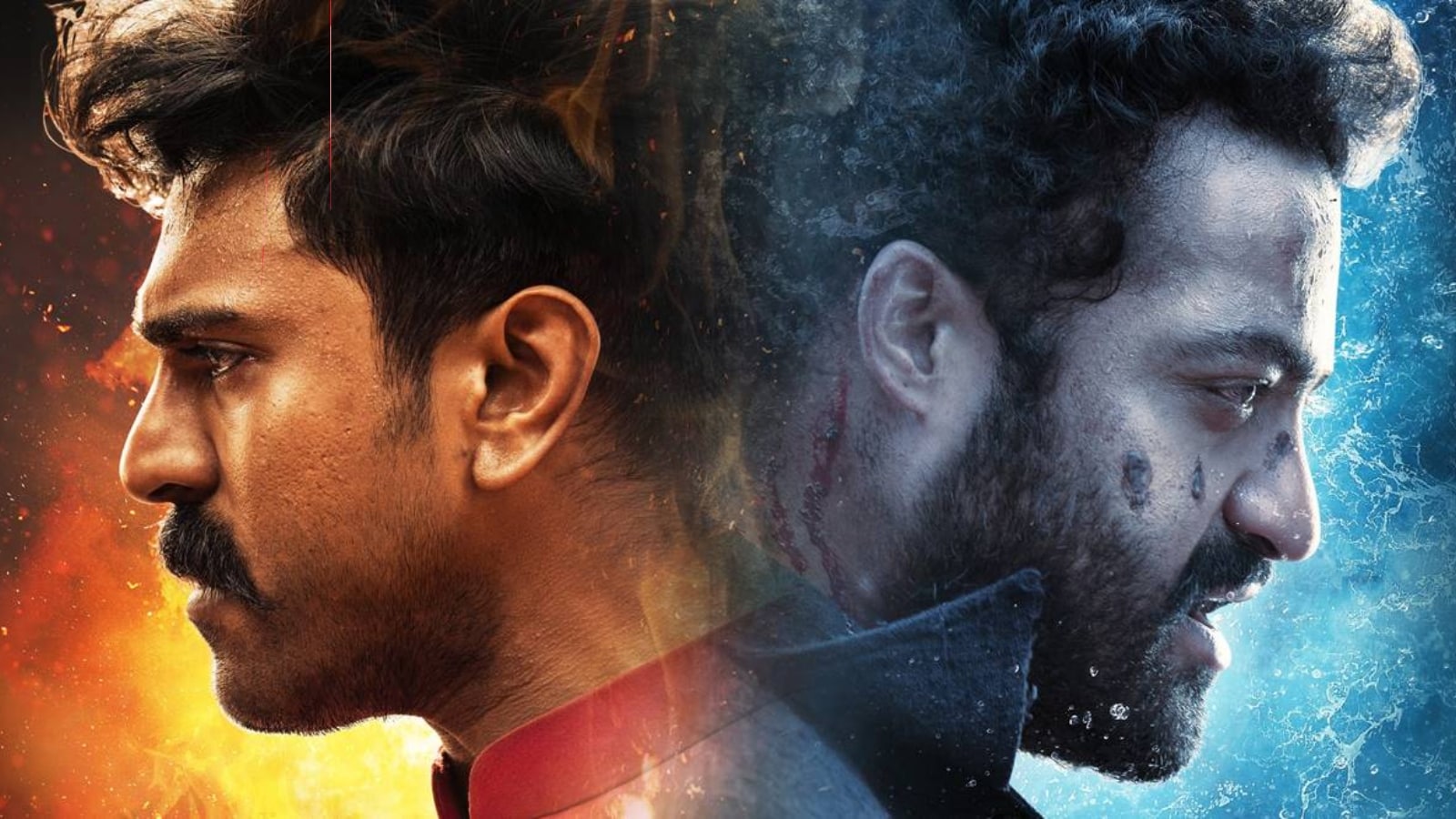
Set in the 1920s, RRR is a fictionalized account of two real-life Indian revolutionaries, Alluri Sitarama Raju (played by Ram Charan) and Komaram Bheem (played by N.T. Rama Rao Jr.). While the historical figures never actually met, Rajamouli’s "what if" scenario provided a canvas for a maximalist cinematic experience. The film’s narrative focuses on themes of brotherhood, anti-colonialism, and sacrifice, delivered through a visual language that felt fresh to Western audiences who were increasingly fatigued by the standardized templates of superhero franchises.
The impact of RRR was not merely accidental. It was the result of a perfectly timed confluence of high-octane technical execution, a charismatic lead duo, and a distribution strategy that leveraged Netflix to reach audiences in the United States, Japan, and Europe long after its initial theatrical run in India.
Technical Mastery and the Evolution of Action
One of the most significant impacts of RRR was the elevation of technical standards within the Indian film industry. For years, "Bollywood" (the Hindi-language film industry) was the primary face of Indian cinema abroad. RRR, hailing from the Telugu film industry (Tollywood), proved that regional industries possessed the technical infrastructure and creative vision to outperform their northern counterparts.
Visual Effects and Practical Stunts
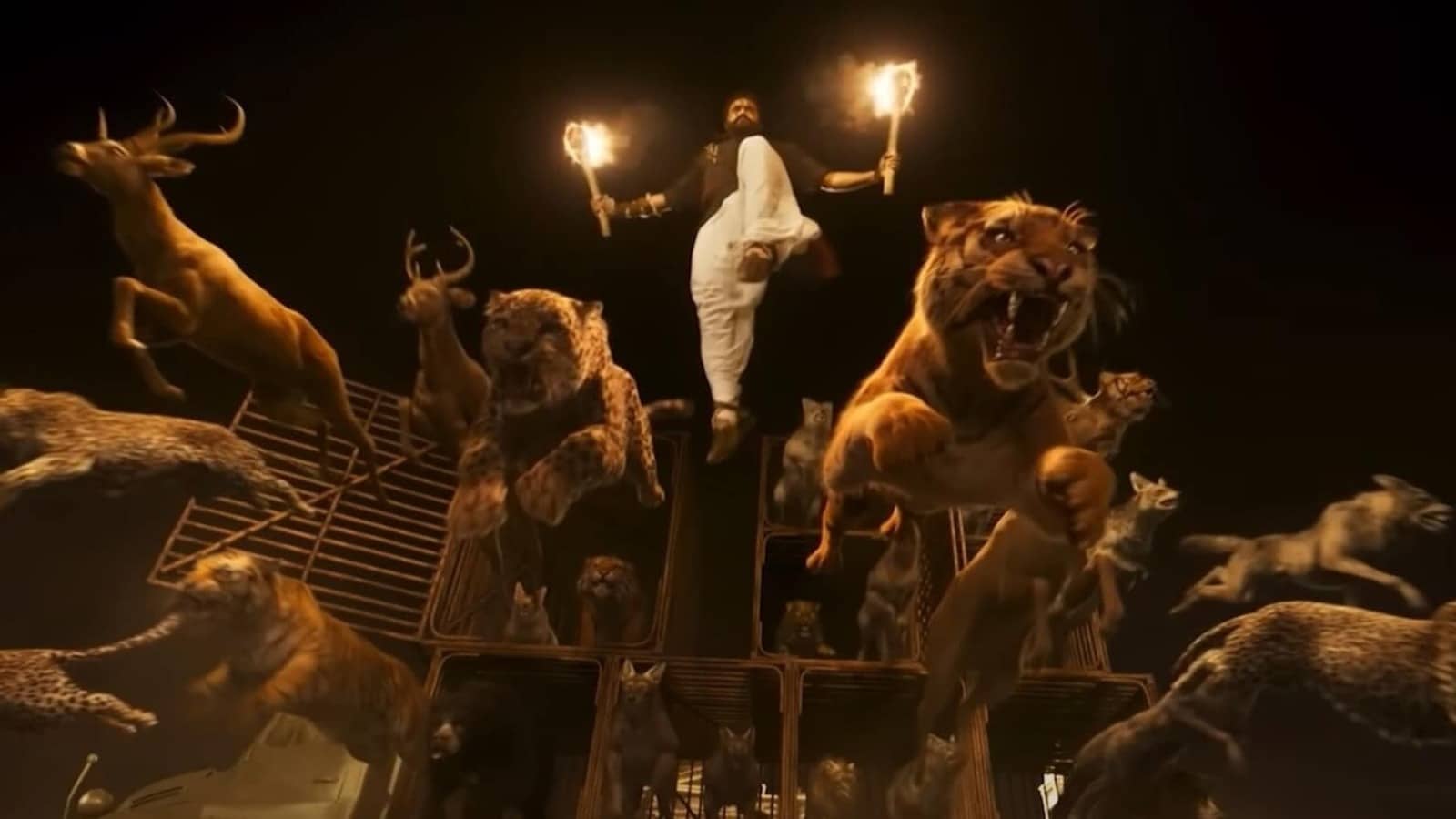
The film’s visual effects (VFX) were managed by Srinivas Mohan, who integrated digital elements with practical stunts to create sequences that were both fantastical and visceral. The "interval block"—a 15-minute sequence involving a truck full of wild animals crashing into a British governor’s party—remains a benchmark in action choreography.
Unlike many Hollywood blockbusters that rely on muted colors and hyper-realistic physics, RRR embraced a vibrant, heightened reality. This "maximalist" approach became its calling card. By 2026, we see many international directors citing this specific blend of emotion and physics-defying action as an influence on global action cinema.
The "Naatu Naatu" Cultural Bridge
The song "Naatu Naatu", composed by M.M. Keeravani, did more than just win an Oscar for Best Original Song; it served as a gateway for the world to appreciate the unique "masala" format of Indian films. In this format, music and dance are not mere interludes but essential narrative tools that progress the plot and deepen character relationships.
The synchronized "hook step" performed by Ram Charan and NTR Jr. became a viral sensation on social media platforms, leading to flash mobs from Tokyo to Los Angeles. This visibility shifted the perception of Indian film music from a "niche curiosity" to a mainstream global genre.
Comparative Impact of Major Indian Global Successes
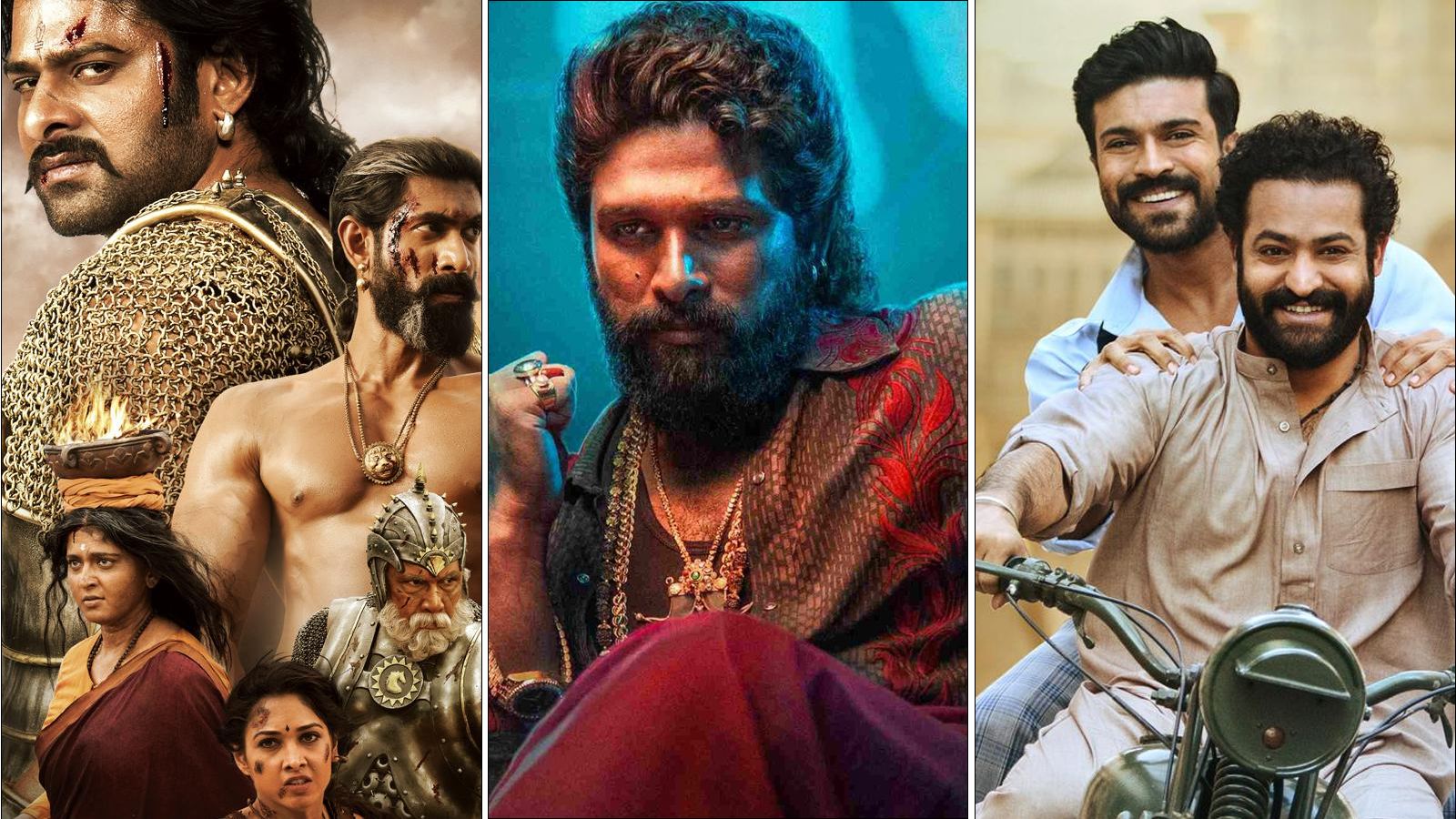
To understand the scale of RRR's impact, it is helpful to compare it with other Indian films that achieved significant international footprints over the last decade.
| Film Title | Year | Primary Language | Global Recognition | Key Impact |
|---|---|---|---|---|
| Dangal | 2016 | Hindi | Massive success in China | Proved the potential of Indian "slice-of-life" dramas in East Asia. |
| Baahubali 2 | 2017 | Telugu | Pan-India Blockbuster | Established the "Pan-Indian" model for domestic distribution. |
| RRR | 2022 | Telugu | Oscar Winner (Best Original Song) | Mainstreamed Telugu cinema (Tollywood) in the Western world. |
| Pathaan | 2023 | Hindi | High Diaspora Engagement | Reaffirmed the strength of the traditional Bollywood star system. |
The "Rajamouli Effect" and Industry Transformation
As we look back from 2026, the "Rajamouli Effect" has fundamentally altered the economics of Indian filmmaking. Before RRR, the idea of a regional film spending upwards of $70 million on production was considered a massive risk. Today, that investment is viewed as a necessary prerequisite for competing on the global stage.
The Rise of Tollywood
The success of RRR effectively decentralized the Indian film industry. The dominance of Mumbai-based Hindi cinema was challenged by the Hyderabad-based Telugu industry. This shift encouraged investors to look beyond linguistic barriers and focus on "universal" stories told with high production value. It also paved the way for other regional industries—such as Kannada (with KGF) and Malayalam cinema—to seek wider distribution.
Streaming as a Global Equalizer
The role of Netflix in the RRR success story cannot be overstated. While the film performed exceptionally well in Indian theaters, its second life on streaming introduced it to filmmakers like Steven Spielberg, James Cameron, and Edgar Wright. This top-down endorsement from Hollywood royalty gave the film a level of prestige that few non-English films achieve.
In the years following 2022, streaming platforms have shifted their acquisition strategies to prioritize "high-concept" Indian films that offer a distinct visual flair, moving away from the generic romantic comedies that previously dominated the "International" category.
Cultural Impact and Global Audience Reception
RRR managed to accomplish something rare: it appealed to both the general public and the critical establishment. In the United States, the film’s screening at the TCL Chinese Theatre became legendary, with audiences cheering and dancing in the aisles—a reaction usually reserved for major franchise releases like Avengers: Endgame.
Challenging the Colonial Narrative
The film’s unapologetic portrayal of anti-colonial struggle resonated deeply with audiences in the Global South. By framing the British Raj as the primary antagonist, RRR tapped into a shared historical consciousness across many nations. However, it did so without being a dry historical lesson; it used the language of the "hero's journey" to make the struggle accessible and exhilarating.
Breaking the "Bollywood" Monolith
For decades, international audiences used "Bollywood" as a catch-all term for any film coming out of India. RRR forced a correction in this terminology. Global critics and viewers began to distinguish between the various regional industries—Telugu, Tamil, Hindi, and Malayalam—each with its own distinct aesthetic and storytelling tradition. By 2026, the term "Indian Cinema" is more accurately understood as a diverse ecosystem rather than a singular entity.
Long-term Legacy: Where Stands RRR in 2026?
Four years after its release, RRR remains a touchstone for how non-Western cinema can achieve "crossover" success without losing its cultural identity. It did not try to "look" like a Hollywood film; instead, it doubled down on the elements that make Indian cinema unique—vibrant colors, emotional earnestness, and gravity-defying action.
This legacy is evident in the current crop of Indian films being developed for 2026 and 2027. We see a significant increase in international collaborations, with Indian studios hiring Hollywood VFX houses and Hollywood studios seeking Indian talent for action choreography. Furthermore, S.S. Rajamouli’s follow-up projects are now some of the most anticipated films globally, treated with the same level of hype as a new Christopher Nolan or Denis Villeneuve release.
Frequently Asked Questions
Why did RRR become more popular than other Indian films in the West?
While many Indian films have been successful, RRR combined high-level technical execution with a "maximalist" style that provided a stark contrast to the grounded realism or "formulaic" superhero movies dominant in Western theaters. Its availability on Netflix shortly after release also allowed it to reach a massive, diverse audience quickly.
Was RRR based on a true story?
The characters Alluri Sitarama Raju and Komaram Bheem were real Indian revolutionaries who fought against the British and the Nizam of Hyderabad, respectively. However, they never actually met. The film is a purely fictional "what if" story that imagines what would have happened if these two legends had become friends.
What awards did RRR win internationally?
Most notably, RRR won the Academy Award for Best Original Song for "Naatu Naatu" in 2023. It also won a Golden Globe for the same category and received numerous awards from critics' circles across the United States, including the New York Film Critics Circle award for Best Director for S.S. Rajamouli.
How did the film impact the Telugu film industry?
The film turned "Tollywood" into a globally recognized brand. It led to increased investment in the Hyderabad film city infrastructure and encouraged other Telugu actors and directors to aim for international distribution. It essentially proved that a film doesn't need to be in Hindi or English to be a global blockbuster.
Is there a sequel to RRR?
As of 2026, while there have been discussions and "spiritually similar" projects mentioned by the writer V. Vijayendra Prasad, no official production for RRR 2 has been confirmed by S.S. Rajamouli. The director has instead focused on a massive globe-trotting adventure project often referred to as SSMB29.
Practical Recommendation for Viewers
To fully appreciate the impact of RRR, viewers should seek out the film in its original Telugu language with subtitles, rather than the dubbed versions. The vocal performances and rhythmic delivery of the dialogue are integral to the film's energy. For those interested in the technical aspects, the "making-of" documentaries available on various streaming platforms provide invaluable insight into how Rajamouli orchestrated the film’s most complex sequences.
Image Gallery