Why Your Air Conditioner Runs Constantly: Causes, Diagnostics, and Solutions
When your air conditioner runs constantly without cycling off, it signals an underlying mechanical, electrical, or environmental issue that forces the system to work overtime to reach your thermostat's target temperature. This continuo...
When your air conditioner runs constantly without cycling off, it signals an underlying mechanical, electrical, or environmental issue that forces the system to work overtime to reach your thermostat's target temperature. This continuous operation drives up energy bills, causes premature component wear, and prevents your home from achieving balanced comfort.
Contents
Understanding Normal Air Conditioner Cycles
To diagnose a system that never shuts off, you must first understand how a healthy residential or commercial cooling system operates. Under normal conditions, an air conditioner is designed to run in cycles of roughly 15 to 20 minutes, two to three times per hour, depending on the outdoor temperature and the overall thermal load of the building.
When the ambient temperature rises above your thermostat setting, the thermostat sends a low-voltage electrical signal to the control board. This triggers the contactor, engaging both the outdoor compressor and condenser fan, while the indoor blower motor pushes conditioned air through the ductwork. As heat is extracted from the indoor air and expelled outside, the room temperature drops. Once the thermostat registers that the target temperature has been reached, it cuts the signal, shutting down the cooling components.
When this cycle is interrupted and the system runs continuously, it means the unit is either unable to extract heat quickly enough, unable to transfer that heat to the outdoors, or receiving false signals from the control loop. Identifying the root cause requires a methodical inspection starting from the simplest user-accessible components and moving toward advanced mechanical diagnostics.
1. Thermostat Settings and Electrical Issues
The thermostat serves as the brain of your HVAC system. If it is misconfigured or malfunctioning, it can command the air conditioner to run indefinitely.
Incorrect Fan Settings
One of the most common and easily resolved reasons for continuous operation is a simple thermostat setting error. Check your thermostat’s fan switch. If it is set to the "ON" position rather than "AUTO," the indoor blower fan will run continuously, even when the compressor is not actively cooling the home. While the compressor may be cycling normally, the continuous airflow can give the false impression that the entire air conditioner is running constantly. Switching the setting back to "AUTO" ensures the blower only operates when a cooling cycle is active.
Thermostat Calibration and Placement
Thermostats rely on internal sensors to read ambient room temperature. If a thermostat is mounted in direct sunlight, near a heat-generating appliance like a kitchen stove, or in a drafty hallway, it will read an artificially high temperature. Consequently, it will keep the air conditioner running long after the rest of the house has cooled down. Furthermore, older mechanical thermostats containing mercury switches can lose their calibration over time, requiring recalibration or replacement with a modern programmable or smart thermostat.
2. Airflow Restrictions and Filtration Problems
Airflow is the lifeblood of any forced-air cooling system. Without adequate airflow across the evaporator coil, the heat exchange process breaks down completely.
Dirty or Clogged Air Filters
A severely clogged or dirty air filter restricts the volume of air passing through the return duct and over the evaporator coil. When airflow drops drastically, the refrigerant inside the evaporator coil cannot absorb heat efficiently from your home's air. This causes the temperature of the coil to drop below freezing, turning the accumulated condensation into a solid block of ice. An iced-over coil blocks airflow entirely, dropping cooling efficiency to zero and forcing the system to run continuously while failing to cool the space.
Blocked Vents and Return Grilles
Homeowners sometimes close supply registers in unused rooms to save energy, or block return air grilles with furniture, rugs, or heavy drapes. Restricting supply vents creates static pressure imbalances in the ductwork, reducing overall system efficiency. Blocking return grilles starves the blower of the air it needs to circulate. Both scenarios reduce system performance, causing longer run times as the air conditioner struggles to displace the trapped heat.
3. Refrigerant Leaks and Charge Imbalances
Refrigerant is the chemical medium that absorbs heat from inside your home and releases it outside. Unlike fuel in a car, refrigerant is not consumed or used up during normal operation; it exists in a closed, pressurized loop.
Symptoms of Low Refrigerant
If your air conditioner develops a pinhole leak in the copper tubing or a loose service valve, refrigerant will escape. As the system loses charge, its capacity to absorb heat diminishes. The compressor must run continuously to attempt to satisfy the thermostat, yet the air coming out of the registers will feel lukewarm or barely cool.
Professional Diagnosis Required
Refrigerant handling is strictly regulated under environmental laws, such as Section 608 of the Clean Air Act in the United States, which requires technicians to hold EPA certification. If you suspect a refrigerant leak—often indicated by hissing sounds near the unit, ice on the indoor coil, or greasy residue on the refrigerant lines—you must call a licensed HVAC professional. A technician will pressure-test the system, locate the leak, repair it, and recharge the system to the manufacturer's exact specifications.
4. Component Failures and Mechanical Wear
When maintenance is neglected, internal mechanical components can degrade, forcing the air conditioner to work at a fraction of its rated capacity.
Dirty Condenser Coils
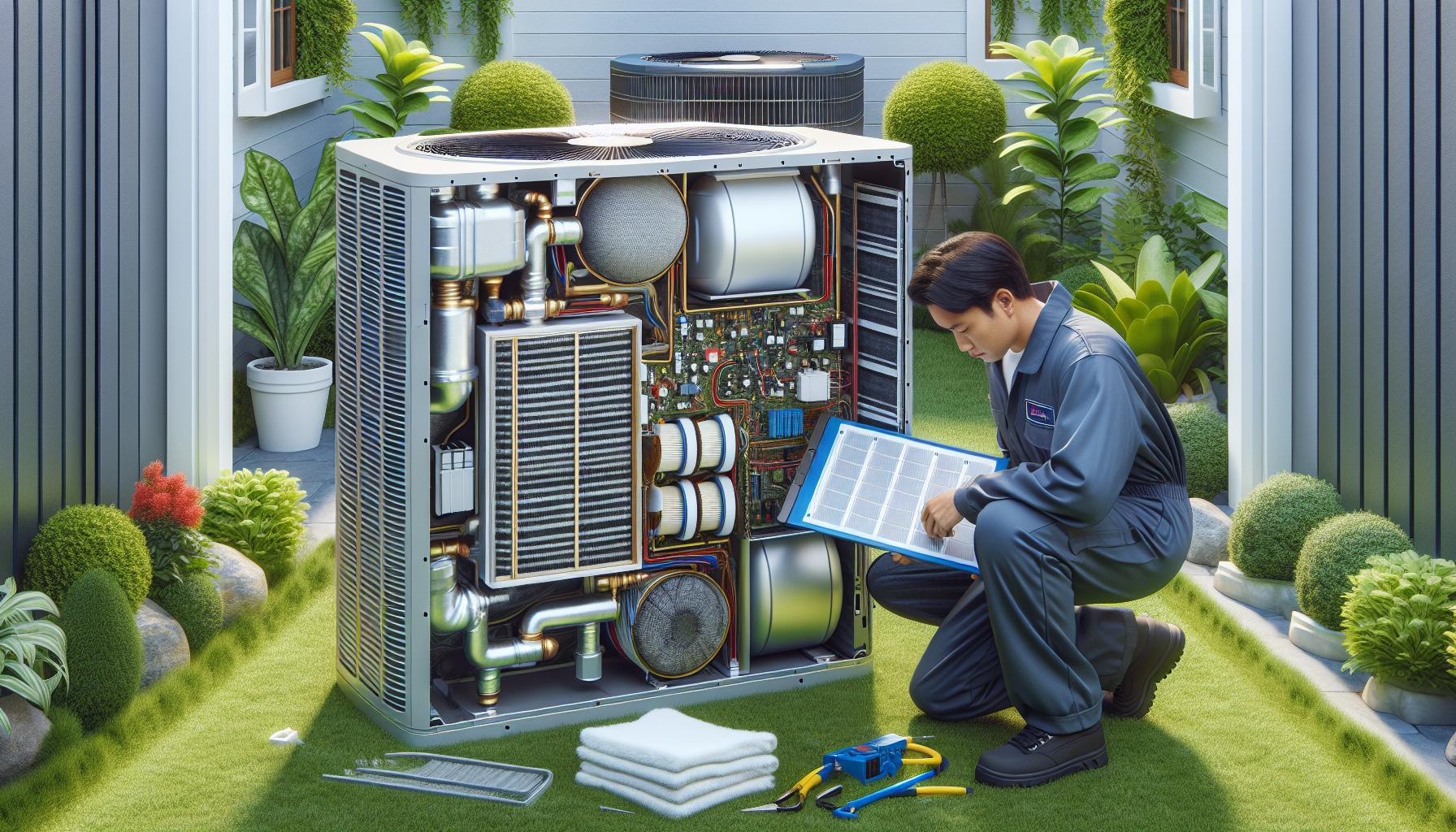
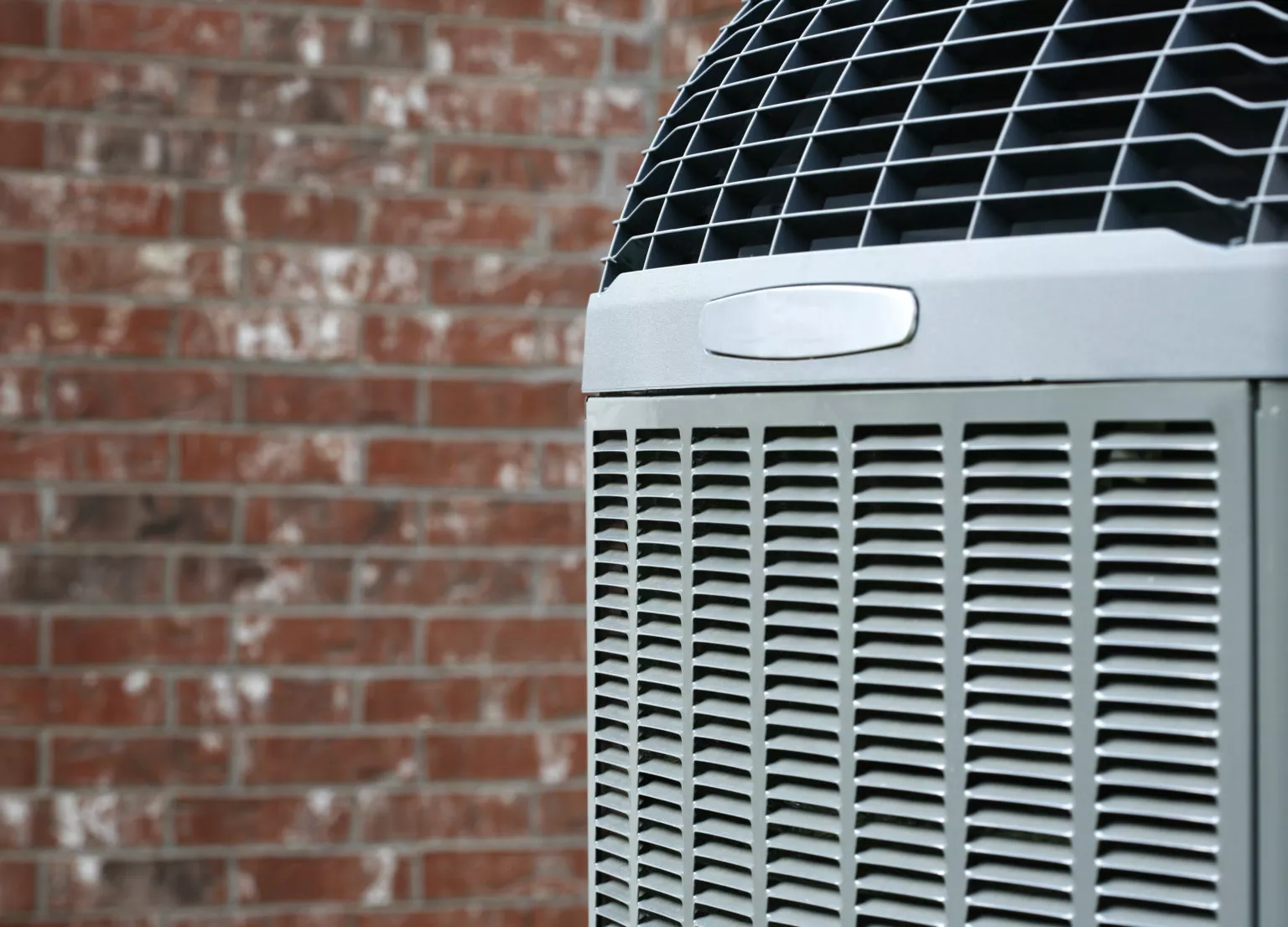
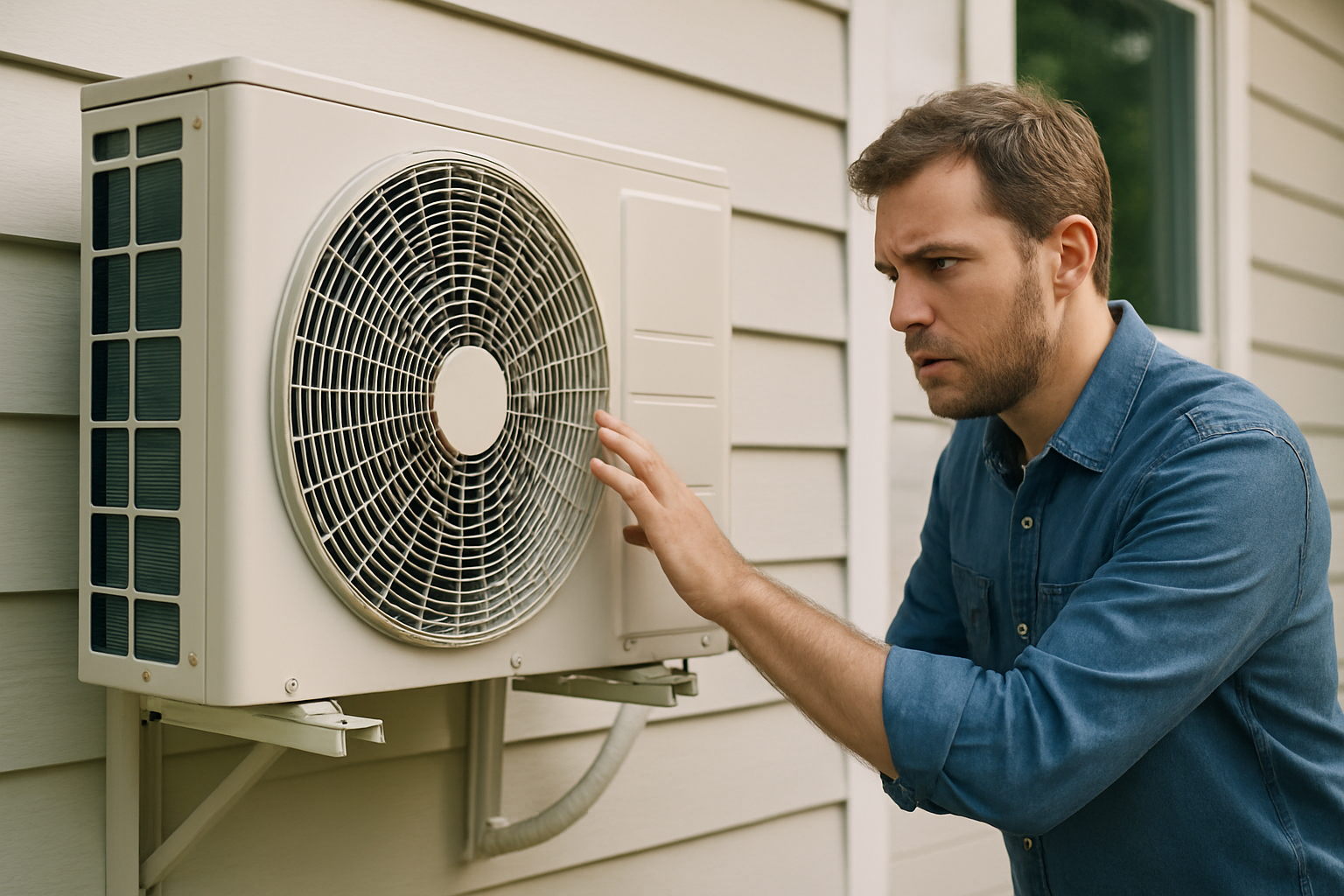
While the indoor evaporator coil absorbs heat, the outdoor condenser coil releases that heat into the outside air. Over time, outdoor condenser coils accumulate grass clippings, cottonwood seeds, dirt, and general airborne debris. This insulating layer of grime acts as a thermal blanket, trapping heat inside the condenser coil. The compressor and outdoor fan must run continuously because they cannot effectively reject heat into the ambient environment.
Failing Compressor or Worn Capacitors
The compressor is the heart of the AC system, pumping refrigerant between the indoor and outdoor units. If the compressor valves become worn or internal components degrade, the compressor loses compression efficiency. Additionally, electrical components called capacitors store and deliver electrical energy to kick-start the compressor and fan motors. A failing capacitor prevents the compressor from starting or running reliably, leading to extended run cycles, overheating, and eventual thermal overload shutdown.
Troubleshooting Checklist and Cost Factors
Reviewing common causes alongside their diagnostic indicators and typical professional repair costs helps clarify what to expect when addressing a system that runs constantly.
| Issue | Primary Symptom | DIY vs. Professional | Estimated Repair Cost (USD) |
|---|---|---|---|
| Dirty Air Filter | Reduced airflow, slightly cool supply air | DIY | $10 – $30 (Filter replacement) |
| Thermostat Misconfigured | Fan runs constantly, compressor cycles normally | DIY | $0 (Setting adjustment) |
| Dirty Condenser Coils | Outdoor unit runs hot, long cooling cycles | DIY / Professional | $0 (DIY wash) to $150 – $300 (Pro service) |
| Low Refrigerant (Leak) | Ice on indoor coil, warm supply air | Professional Only | $200 – $1,500+ (Depending on leak size) |
| Failing Run Capacitor | Humming outdoor unit, compressor won't start | Professional Only | $150 – $400 |
| Undersized System | Runs constantly on hot days, never reaches target | Professional Only | $4,000 – $10,000+ (Full replacement) |
Frequently Asked Questions
Can running my air conditioner constantly ruin it?
Yes. Running an air conditioner continuously puts immense strain on the compressor, blower motor, and electrical components. The prolonged operation causes motors to overheat, accelerates mechanical wear, and dramatically increases your monthly electricity consumption. Resolving the underlying issue promptly prevents catastrophic compressor failure.
How do I know if my air conditioner is low on refrigerant?
The most reliable indicators of low refrigerant include a noticeable drop in cooling performance (lukewarm air from vents), ice buildup on the indoor evaporator coil or refrigerant lines, a hissing sound near the indoor or outdoor unit, and significantly higher electricity bills caused by extended run times.
Will turning off a continuously running AC save energy?
If the system is running constantly because it cannot reach the set temperature, turning it off completely will only allow your home to heat up further, making it harder to cool down later. However, if the system is malfunctioning mechanically or iced over, turning it off at the thermostat or breaker prevents further damage while you wait for a technician.
What is short cycling, and how is it different from running constantly?
Short cycling occurs when an air conditioner turns on and off rapidly every few minutes without completing a full cooling cycle. This is typically caused by an oversized unit, a malfunctioning thermostat, or a tripped safety switch (such as a blocked condensate drain float switch). By contrast, running constantly means the unit never reaches its target temperature to turn off.
How often should I replace my air filter to prevent airflow issues?
For standard 1-inch fiberglass or pleated filters, you should inspect and replace them every 30 to 90 days. Homes with pets, multiple occupants, or dusty environments require monthly filter replacements to maintain optimal airflow and prevent coil freeze-ups.
Next Steps and Professional Action
If basic troubleshooting steps—such as replacing a dirty air filter, clearing debris from the outdoor condenser coil, and verifying that your thermostat is set to "AUTO"—do not resolve the issue, discontinue running the system to prevent permanent compressor damage. Contact a licensed, insured HVAC contractor to perform a comprehensive diagnostic evaluation, including electrical amperage draws, static pressure tests, and refrigerant pressure checks. Addressing the root cause early restores home comfort, protects your equipment investment, and keeps utility costs manageable.
Image Gallery