Understanding the "Andy Byron Open to Work" Phenomenon and Professional Job Search Dynamics
The phrase "andy byron open to work" refers to the public visibility of employment status on professional networks like LinkedIn, specifically centering around individuals named Andy Byron who utilize platform features to signal availa...
The phrase "andy byron open to work" refers to the public visibility of employment status on professional networks like LinkedIn, specifically centering around individuals named Andy Byron who utilize platform features to signal availability to recruiters and hiring managers. This status highlights how modern executives and professionals leverage digital tools to manage career transitions, networking visibility, and personal branding in competitive job markets.
Contents
The Mechanics of Professional Networking Statuses
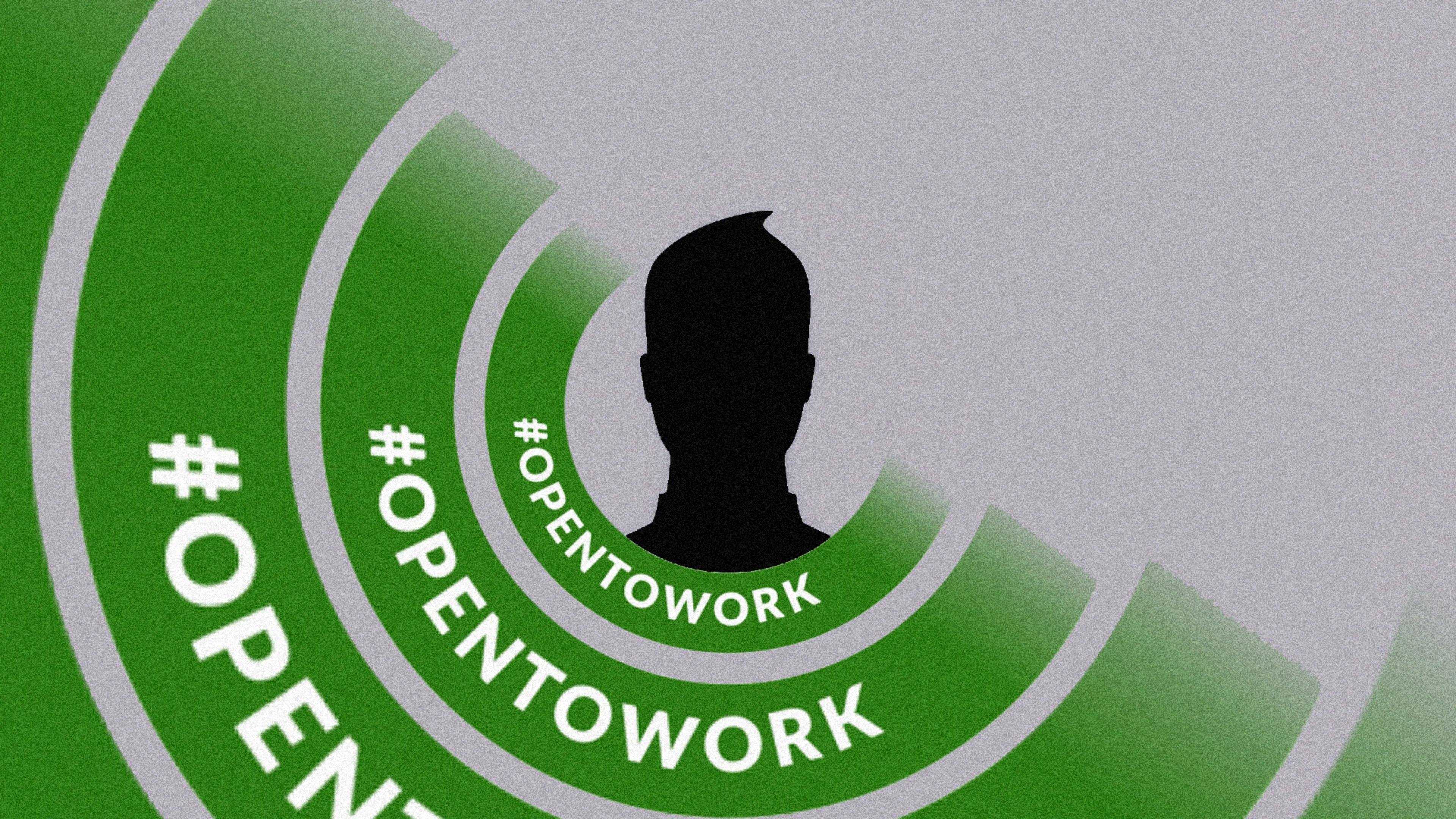
Modern professional networking platforms have transformed how talent connects with opportunities. Features that explicitly state a user’s job search status—commonly recognized by green photo frames or profile tags—play a critical role in market transparency.
When a professional flags their profile as available for new roles, algorithms adjust search visibility, pushing their resume or profile higher in recruiter talent pools. This digital signaling reduces friction in the hiring process, allowing hiring managers to quickly identify candidates who are immediately available or actively exploring new career trajectories. For professionals navigating leadership transitions, understanding how these digital ecosystems operate is essential for maintaining career momentum.
Digital Signaling in Executive Job Searches
For senior leaders and executives, managing public visibility requires a delicate balance. While junior and mid-level professionals frequently use overt job-seeking signals, executive searches often involve confidential networking, board introductions, and retained executive search firms.
When an executive profile includes public availability tags, it communicates readiness to the broader market. However, it also signals a potential organizational change to current stakeholders, clients, and industry peers. Navigating this visibility involves weighing the benefits of inbound recruiter interest against the strategic pacing of a confidential career move.
Navigating Career Transitions and Executive Availability
Transitioning between major leadership roles or specialized technical positions involves structured planning. Whether an individual is re-entering the workforce after corporate restructuring, pursuing a career pivot, or seeking new board positions, establishing a clear professional narrative is vital.
Key Phases of a Modern Job Search
- Profile Optimization: Aligning digital profiles, resumes, and portfolio assets with target industry standards and keyword optimization practices.
- Network Activation: Reaching out to trusted colleagues, mentors, and industry contacts to signal availability through warm introductions.
- Strategic Signaling: Utilizing platform-specific settings—such as recruiter-only visibility or public frames—to control who sees employment status.
- Interview Preparation: Conducting rigorous preparation for multi-stage executive interviews, board presentations, and cultural alignment evaluations.
Comparing Job Search Visibility Strategies
Different visibility settings on professional networks offer distinct advantages and drawbacks depending on an individual's current employment standing.
| Strategy | Primary Audience | Benefits | Potential Risks |
|---|---|---|---|
| Public "Open to Work" | All platform users, including general connections and the public | Maximum inbound recruiter volume; rapid market awareness | Lack of privacy from current employers or clients |
| Recruiter-Only Visibility | Verified recruiters and talent acquisition professionals | Targeted visibility; conceals status from current employers | Slower inbound volume from broader industry networks |
| Private Direct Outreach | Selected executive search firms and trusted peers | High confidentiality; tailored relationship building | Requires proactive networking; minimal passive discovery |
Common Mistakes During Career Transitions
Navigating a professional job search requires avoiding several pitfalls that can stall momentum or project the wrong impression to hiring decision-makers.
- Inconsistent Messaging: Presenting conflicting narratives across digital platforms, resumes, and interview conversations.
- Over-Reliance on Passive Status: Relying solely on status badges rather than actively engaging in direct networking and relationship building.
- Neglecting Personal Branding: Failing to update case studies, career achievements, and endorsements to reflect current market value.
- Ignoring Cultural Fit: Chasing titles or compensation packages without evaluating long-term organizational alignment and leadership dynamics.
Frequently Asked Questions
What does the "Open to Work" feature do on professional networks?
The feature signals to recruiters and hiring managers that a user is actively looking for new career opportunities. Users can choose to display a public badge on their profile photo or restrict the notification strictly to users with recruiter tier accounts to maintain privacy from current employers.
How should executives handle public job search visibility?
Executives often benefit from using recruiter-only visibility settings to maintain confidentiality while still capturing inbound interest from talent acquisition professionals and retained search firms.
Is it advisable to announce a job search publicly on social feeds?
An announcement can be effective if it clearly articulates the types of roles sought, highlights core professional achievements, and directs interested parties to appropriate contact channels without appearing desperate or unfocused.
How can professionals improve inbound recruiter interest without using visibility tags?
Optimizing profile headlines with industry-specific keywords, regularly publishing thought leadership content, and actively engaging with industry posts significantly improves algorithmic visibility in recruiter searches.
What are the best next steps after updating an online professional profile?
Begin by auditing recommendations and endorsements, reaching out to key mentors for strategic advice, and establishing a targeted list of organizations or executive search partners aligned with long-term career goals.
Next Actions for Career Advancement
To maximize the effectiveness of any professional job search, focus on deliberate execution rather than passive reliance on digital tools. Audit your digital presence to ensure your career narrative reflects your most impactful achievements. Pair profile updates with direct, personalized outreach to trusted industry connections, and engage with executive search professionals who specialize in your specific niche.
Image Gallery