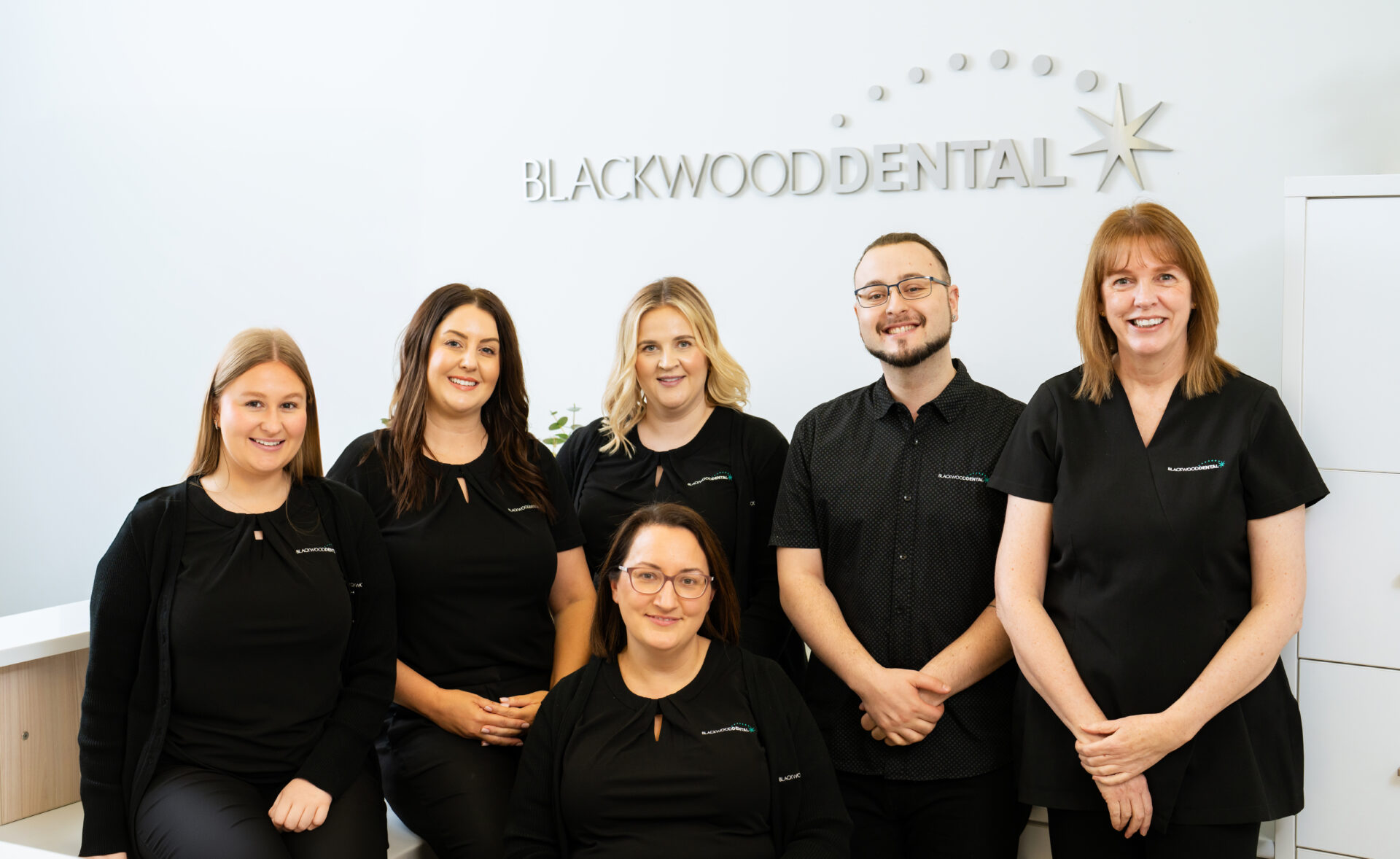
Navigating Dental Solutions in Blackwood: A Comprehensive Guide to Local Oral Healthcare Services
Securing reliable dental care requires balancing clinical expertise, service range, accessibility, and modern technological integration. For individuals and families searching for dental solutions in Blackwood, understanding the local...
Securing reliable dental care requires balancing clinical expertise, service range, accessibility, and modern technological integration. For individuals and families searching for dental solutions in Blackwood, understanding the local landscape of oral healthcare helps streamline the process of finding the right practitioner. Whether you need routine preventative check-ups, complex restorative procedures, cosmetic enhancements, or emergency interventions, navigating available options ensures you receive tailored treatments that support long-term dental health and hygiene.
Contents
Modern dentistry encompasses far more than basic cleanings and fillings. Today's practices blend advanced diagnostic imaging, patient-centered comfort measures, and specialized therapeutic options to treat a wide array of oral conditions. Evaluating local dental solutions involves looking closely at practitioner qualifications, treatment methodologies, insurance compatibility, and office environments. This guide breaks down what patients should expect, how to select appropriate services, and the core categories of care accessible within the Blackwood area.
Understanding the Scope of Local Dental Care
When exploring oral healthcare options, patients generally encounter two main categories of service providers: general dentistry practices and specialized clinics. General practitioners serve as the foundational point of contact for overall oral health. They manage primary diagnostics, routine maintenance, and minor restorative work, acting as the quarterback for a patient's long-term dental management plan.
Specialized care, conversely, addresses complex clinical requirements that fall outside the daily scope of general practice. This may include endodontics for root canal therapy, periodontics for gum disease management, orthodontics for bite alignment, and oral surgery for extractions or dental implants. Many modern clinics in regional and suburban hubs integrate multiple disciplines under one roof or maintain established referral networks to ensure seamless continuum of care.
Core Preventative Services
Preventative care forms the cornerstone of any sustainable dental health strategy. Regular examinations allow clinicians to detect early signs of tooth decay, gingivitis, oral lesions, and structural wear long before they manifest as painful or expensive problems.
- Routine Examinations: Comprehensive visual and tactile inspections of the teeth, gums, and oral mucosa.
- Professional Prophylaxis: Removal of calcified plaque (tartar) and surface stains using specialized ultrasonic and hand instruments.
- Diagnostic Radiography: Low-radiation digital X-rays to visualize interproximal decay, bone density levels, and root structures.
- Preventative Sealants: Thin, protective resin coatings applied to the chewing surfaces of posterior teeth to deter decay in deep fissures.
Restorative and Therapeutic Treatments
When preventative measures are no longer sufficient to protect tooth integrity, restorative interventions become necessary. These procedures aim to repair structural damage caused by trauma, bruxism (teeth grinding), or advanced dental caries, thereby restoring normal function and aesthetics.
| Treatment Category | Primary Purpose | Typical Materials Used |
|---|---|---|
| Composite Fillings | Repair minor to moderate decay | Tooth-colored resin composite |
| Crowns & Caps | Reinforce structurally compromised teeth | Porcelain, zirconia, gold alloy |
| Fixed Bridges | Replace one or more missing teeth | Porcelain-fused-to-metal, zirconia |
| Endodontic Therapy | Treat infected dental pulp | Guttapercha, biocompatible sealers |
Choosing the correct restorative path depends heavily on the extent of structural compromise. For example, a minor cavity typically requires a direct composite filling completed in a single visit. Conversely, a severely compromised tooth following root canal therapy often necessitates a custom-milled crown to distribute bite forces evenly and prevent fracture.
Cosmetic and Orthodontic Innovations
Aesthetic dentistry focuses on improving the visual appearance of the smile, though many cosmetic procedures offer secondary structural benefits. Whitening treatments, porcelain veneers, and cosmetic bonding can dramatically alter smile symmetry and boost patient confidence. Meanwhile, orthodontic solutions have evolved significantly beyond traditional metal braces. Clear aligner systems offer discreet, removable alternatives for correcting malocclusions, crowding, and spacing issues for both teens and adults.
Considerations for Aesthetic Procedures
- Tooth Sensitivity: Procedures like professional bleaching can induce temporary thermal sensitivity, which clinicians manage using desensitizing agents.
- Enamel Preservation: Conservative cosmetic treatments prioritize preserving natural tooth structure wherever possible.
- Maintenance Requirements: Permanent restorations require consistent home hygiene and professional monitoring to prevent secondary decay beneath margins.
Financial Considerations and Insurance
Navigating the costs associated with dental care is a primary concern for many patients. Dental practices typically structure their fees according to specific treatment codes, which correspond directly to the complexity and time required for each procedure.
Understanding how private health insurance, government schemes, and payment plans interact with dental fees is essential for avoiding unexpected out-of-pocket expenses. Most clinics provide itemized treatment plans prior to commencing major work, allowing patients to verify coverage levels with their respective insurance providers.
- Private Health Insurance (Extras Cover): Many policies offer tiered rebates for preventative, minor restorative, and major dental services, often subject to annual limits and waiting periods.
- Third-Party Payment Plans: Services such as Afterpay, Zip, or specialized medical financing options allow patients to spread the cost of extensive treatments over manageable installments.
- Government and Community Schemes: Eligible veterans, pensioners, or children may qualify for specific public dental subsidies or federally funded programs like the Child Dental Benefits Schedule (CDBS).
(Note: Dental health requirements vary significantly from patient to patient. Individuals should consult directly with a qualified dental professional in Blackwood for personalized diagnoses and tailored treatment planning.)
Frequently Asked Questions
How often should I visit a dentist for a routine check-up?
For most healthy adults and children, a routine dental examination and professional cleaning every six months is recommended. However, individuals with a history of periodontal disease, high susceptibility to cavities, or specific systemic health conditions may require more frequent visits—such as every three or four months—as advised by their clinician.
What should I do in the event of a dental emergency?
If you experience severe tooth pain, facial swelling, uncontrolled bleeding, or a knocked-out permanent tooth, contact a local dental practice immediately to request an emergency appointment. For knocked-out teeth, handle the tooth only by the crown, gently rinse it without scrubbing if dirty, and store it in cold milk or saliva while seeking prompt professional care within one hour for the best chance of successful reimplantation.
Are composite fillings as durable as traditional amalgam fillings?
Modern dental composites bond directly to the tooth structure, offering good durability and a natural aesthetic appearance. While traditional silver amalgam fillings historically possessed superior longevity under extreme crushing loads in molars, advances in resin chemistry have narrowed this gap significantly. The choice between materials depends on the location of the restoration, bite forces, and aesthetic preferences.
How do clear aligners compare to traditional braces?
Clear aligners use a series of custom-milled, removable plastic trays to gradually shift teeth into alignment. They are virtually invisible and allow for easier oral hygiene maintenance because they can be removed during meals and brushing. However, traditional fixed braces remain more effective for complex bite corrections, severe rotations, and skeletal discrepancies that require precise three-dimensional control.
Can dental anxiety be managed during complex procedures?
Yes, many contemporary dental clinics offer various forms of anxiety management, ranging from gentle, reassuring communication and environmental comforts (such as ceiling-mounted screens or noise-canceling headphones) to pharmacological options like nitrous oxide (happy gas) or oral conscious sedation. Discussing anxiety concerns openly with your dentist prior to treatment ensures an appropriate support plan is put in place.
Next Steps for Patients
Finding the right dental solutions in Blackwood begins with identifying your primary oral health goals—whether that is establishing routine preventative care for your family, addressing an ongoing dental issue, or exploring aesthetic improvements. Compile a list of prospective clinics, verify their practitioner credentials and registration status with relevant dental boards, and contact their administrative teams to discuss pricing transparency, appointment availability, and insurance compatibility. Scheduling an initial consultation allows you to evaluate the clinic environment firsthand and collaborate with a qualified professional on a personalized care plan.
Image Gallery