Domingo de Ramos en Ingles: Translation and Cultural Context Explained
Domingo de Ramos translates directly to Palm Sunday in English, marking the final Sunday of Lent and the official commencement of Holy Week (Semana Santa) leading up to Easter Sunday. For bilingual speakers, students of comparative rel...
Domingo de Ramos translates directly to Palm Sunday in English, marking the final Sunday of Lent and the official commencement of Holy Week (Semana Santa) leading up to Easter Sunday. For bilingual speakers, students of comparative religion, and translators navigating liturgical texts, understanding this translation requires looking beyond literal word-for-word equivalencies to grasp the rich historical, theological, and linguistic nuances embedded within both the Spanish and English traditions.
Contents
Literal Translation Breakdown and Linguistic Analysis
To understand how Spanish speakers and English speakers describe this pivotal Christian celebration, it helps to break down the phrase morphologically. In Spanish, "Domingo" translates to Sunday, and "Ramos" translates literally to branches or boughs, referring specifically to the palm branches laid down by the crowds during Jesus Christ's triumphal entry into Jerusalem.
In English, however, the day is named after the specific botanical material traditionally used in northern European and North American climates: Palm Sunday. Because true palm fronds do not grow natively in many English-speaking regions, communities historically substituted them with local foliage such as yew, willow, or box branches, yet the ecclesiastical and common English nomenclature remained firmly rooted in "Palm Sunday."
This distinction highlights a common translation challenge. While a direct, literal translation of "Domingo de Ramos" could technically be "Sunday of Branches," doing so in contemporary English communication would cause confusion. Native English speakers universally recognize the day as Palm Sunday. Translators and writers must prioritize functional equivalence over literal word-for-word translation to ensure clarity within religious and secular contexts alike.
Liturgical Context and Historical Background
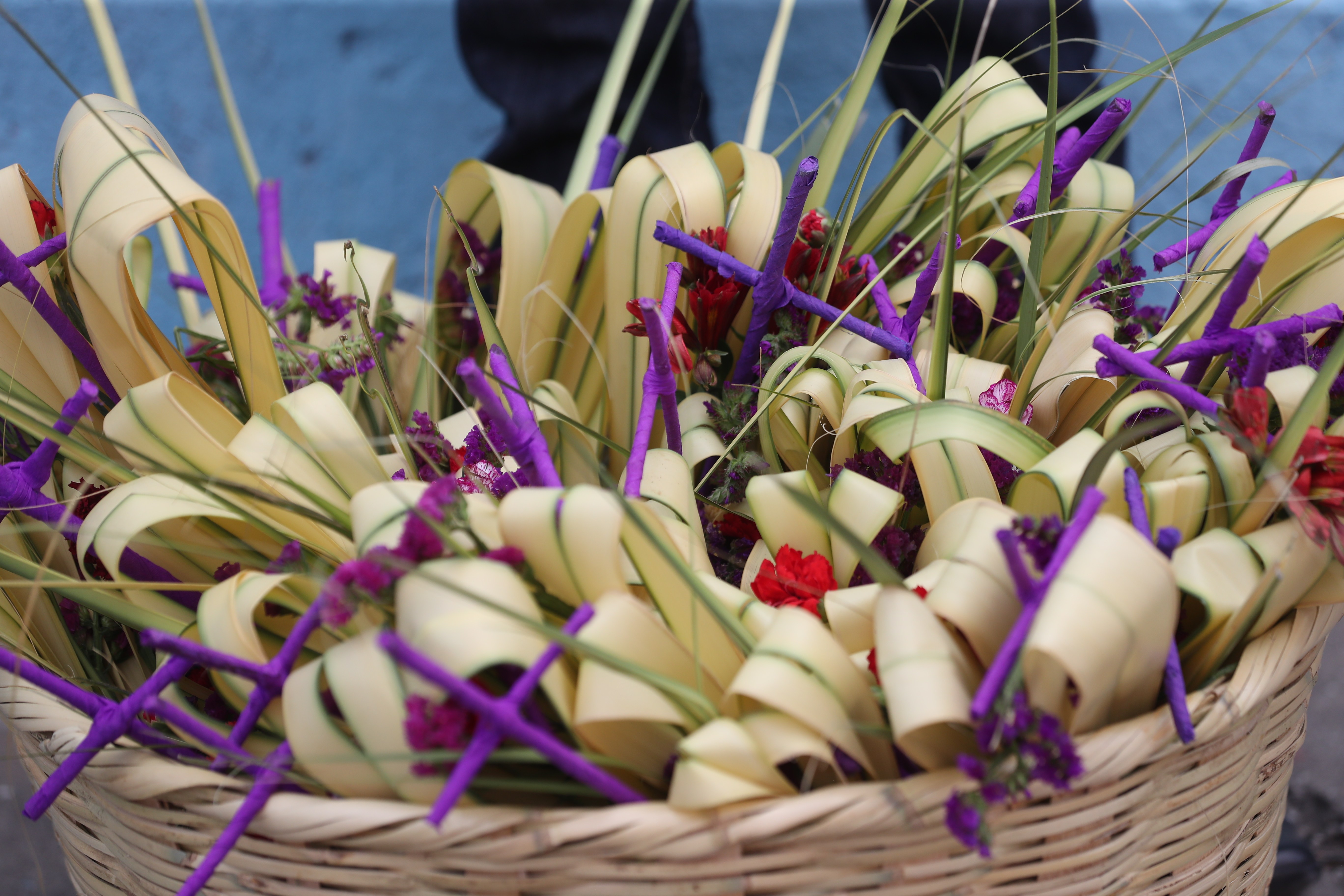
The observance of Palm Sunday spans centuries and bridges multiple Christian denominations, including Roman Catholicism, Anglicanism, Lutheranism, and various Protestant traditions. During this service, congregations receive blessed palm branches, often weaving them into crosses or holding them high during processional hymns.
The bilingual comparison of this liturgy reveals fascinating terminological parallels:
- Spanish: Domingo de Ramos / English: Palm Sunday
- Spanish: La Pasión del Señor / English: The Passion of the Lord (or Passion Sunday)
- Spanish: Procesión de las Palmas / English: Palm Procession
- Spanish: Ramos de olivo o palma / English: Olive or palm branches
In many Spanish-speaking cultures, the day is also associated with regional processions, artisanal weaving of green fronds (palmas rizadas), and blessing rituals that take place outside the physical church building before the liturgy of the Eucharist begins. In English-speaking liturgical practices, the focus is similarly split between the joyful commemoration of the entry into Jerusalem and the solemn reading of the Passion narrative, which foreshadows the crucifixion.
Comparative Translation Reference Guide
When translating texts between Spanish and English regarding Holy Week, maintaining liturgical accuracy is essential. The following reference table outlines common Spanish terms associated with Domingo de Ramos and their standard English equivalents used in modern translations and church bulletins.
| Spanish Liturgical Term | Standard English Translation | Context and Usage Notes |
|---|---|---|
| Domingo de Ramos | Palm Sunday | The primary name of the holy day marking the start of Holy Week. |
| Semana Santa | Holy Week | The week leading up to Easter Sunday, beginning on Palm Sunday. |
| Ramos benditos | Blessed palms | The palm branches that have undergone a blessing ritual. |
| Borriquito | Donkey / Colt | Refers to the animal ridden by Jesus during the triumphal entry. |
| Liturgia de la Pasión | Liturgy of the Passion | The scripture readings detailing the trial and crucifixion. |
| Entrada triunfal | Triumphal entry | The biblical event commemorated at the beginning of the service. |
Common Translation Pitfalls to Avoid
Translators working on religious or cultural content often encounter traps when handling calendar terms and liturgical descriptors. Recognizing these errors prevents awkward phrasing and cultural misinterpretation.
One frequent mistake is translating "Ramos" as "Bouquets" or "Flowers." In secular Spanish, ramo can mean a bunch of flowers or a branch, but in the context of Domingo de Ramos, it exclusively signifies foliage or branches. Using "Sunday of Flowers" is factually incorrect and misrepresents the biblical narrative of palm fronds and leafy branches being strewn on the path.
Another pitfall involves capitalization. In English, both "Palm" and "Sunday" must be capitalized because it is a specific religious holiday and proper noun. In Spanish, calendar days and liturgical seasons—such as domingo de ramos or semana santa—are conventionally written in lowercase unless they begin a sentence. Bilingual copyeditors must enforce English capitalization rules when producing translated content for English-language publications.
Frequently Asked Questions
What is the exact English translation of Domingo de Ramos?
The exact and universally accepted English translation is Palm Sunday. While a literal translation might suggest "Sunday of Branches," native speakers and ecclesiastical authorities exclusively use Palm Sunday to refer to this specific Christian holiday.
Why is it called Palm Sunday in English instead of Branch Sunday?
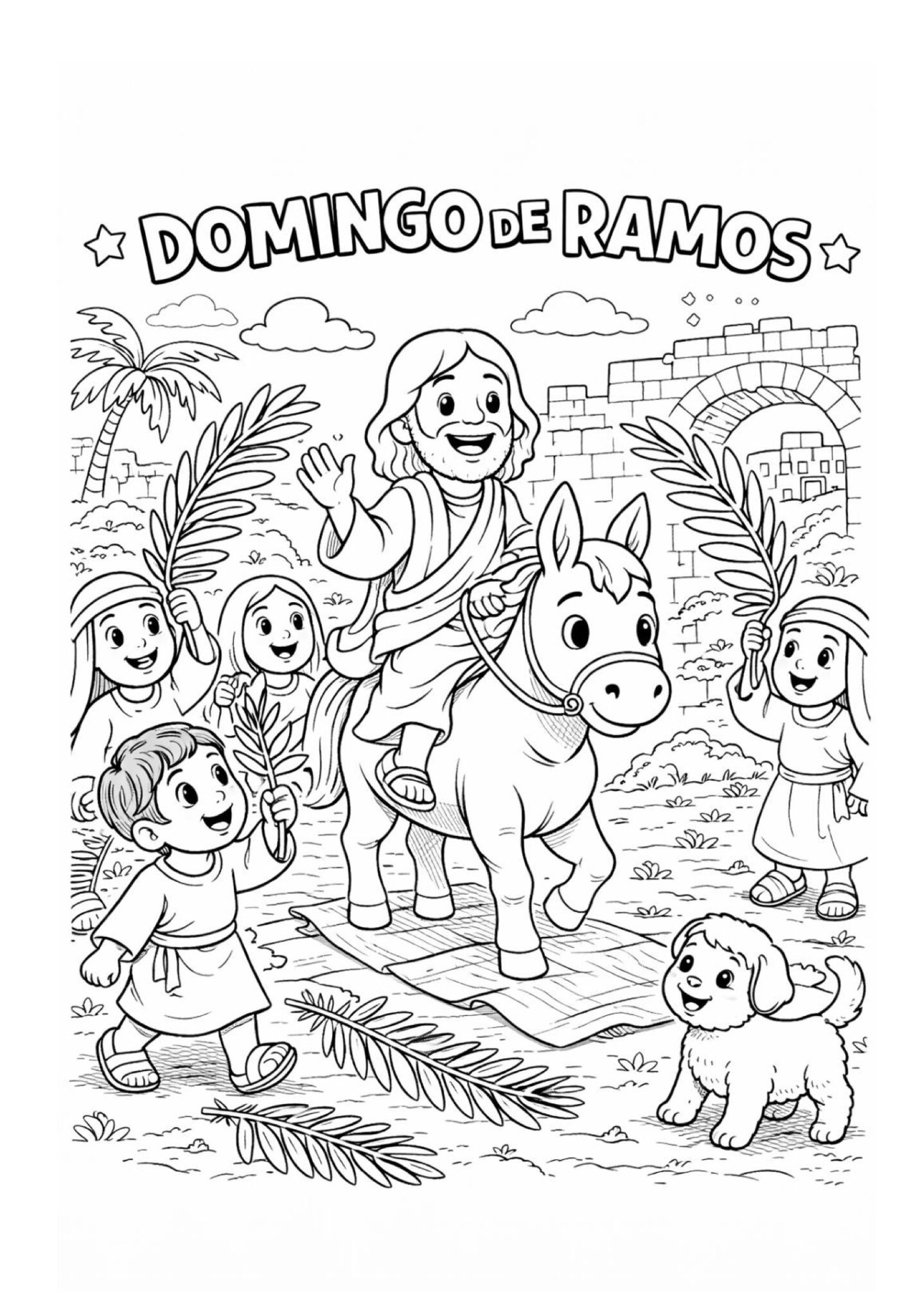
The name reflects the specific biblical account of crowds laying palm branches before Jesus as he entered Jerusalem. Even in regions where palm trees do not grow naturally and alternative branches are substituted, the historical English tradition retained the name Palm Sunday.
How do you use Domingo de Ramos in an English sentence?
You can use it when discussing cultural traditions or bilingual church services. For example: "The local parish announced that bilingual services for Palm Sunday, known in Spanish as Domingo de Ramos, will begin at 9:00 AM."
Is Domingo de Ramos the same as Easter Sunday?
No. Domingo de Ramos marks the beginning of Holy Week, exactly one week before Easter Sunday (Domingo de Pascua). It commemorates Jesus's entry into Jerusalem, whereas Easter Sunday celebrates his resurrection.
Are there alternative translations for Ramos in different Spanish dialects?
In some regions, local dialects may refer to specific plants used during the blessing, such as palmas or olivos. However, the overarching holiday name Domingo de Ramos remains standard across the entire Spanish-speaking world, consistently translating to Palm Sunday in English.
Practical Recommendations for Bilingual Communication
When writing or translating content that bridges Spanish and English religious traditions, accuracy and cultural sensitivity are paramount. Always verify whether your audience expects formal liturgical terminology or conversational phrasing. For church bulletins, liturgical missals, and academic writing, stick to "Palm Sunday" and standard ecclesiastical vocabulary. When addressing a broader cultural audience, briefly acknowledging both terms—such as "Palm Sunday (Domingo de Ramos)"—ensures complete clarity and fosters inclusivity across bilingual communities.
Image Gallery