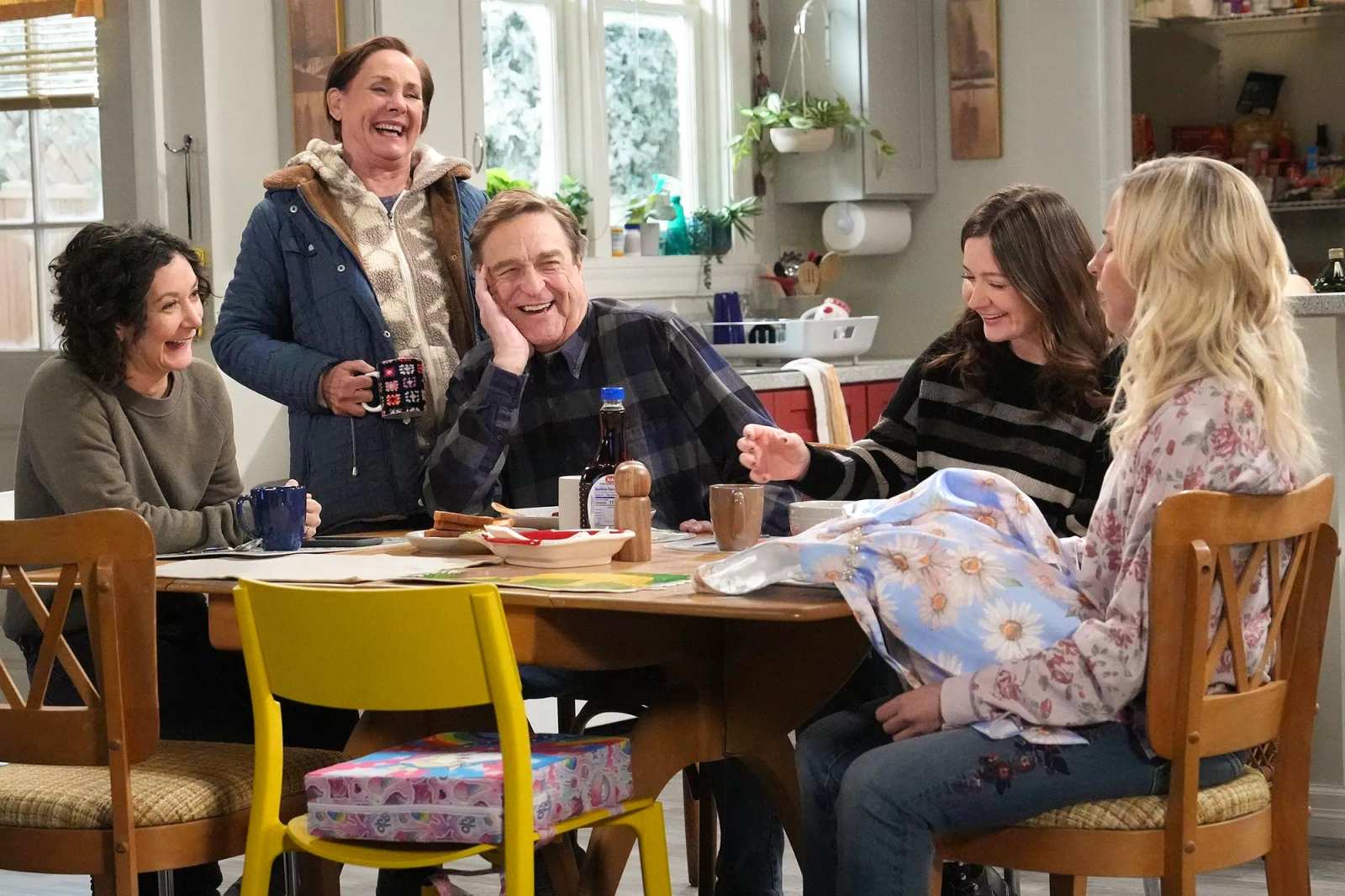
The Conners Series Finale Recap: A Final Look at the Lanford Legacy
The series finale of The Conners provides a poignant conclusion to the long-running saga of the Conner family, centering on Dan and Darlene’s emotional reconciliation with their past while setting the stage for a quieter, more stable f...
The series finale of The Conners provides a poignant conclusion to the long-running saga of the Conner family, centering on Dan and Darlene’s emotional reconciliation with their past while setting the stage for a quieter, more stable future. The episode shifts focus away from the chaotic financial instability that defined the show's early seasons, instead emphasizing the maturation of the next generation and the final acceptance of the house on 714 Delaware Street as both a sanctuary and a burden.
Contents
The Evolution of the Lanford Household
To understand the significance of the The Conners finale, one must view it through the lens of the franchise's trajectory. Originally spawned as a spin-off following the 2018 revival of Roseanne, The Conners faced the monumental task of maintaining the blue-collar, working-class ethos of the original series while navigating the absence of its matriarchal figure.
By the time the series reached its conclusion, the show had evolved from a direct response to loss into a character study about resilience in the face of persistent economic hardship. The finale does not attempt to resolve every plot thread with a "neat" ending; rather, it reflects the show's consistent commitment to the reality of its characters' lives. The house itself—the iconic blue-collar home in Lanford, Illinois—remains the central entity of the story. In the final episodes, the structural decay of the home serves as a metaphor for the family’s own aging and the necessity of moving forward.
Key Plot Developments in the Conclusion
The finale resolves the central tension between Dan Conner and his children regarding the future of the family estate. For years, the house was a source of constant stress, requiring repairs that the family could barely afford and serving as a reminder of past tragedies.
The Decision Regarding the House
The most pivotal moment involves the family’s decision to stay or sell. Dan, initially resistant to leaving the only home he has known for decades, reaches a quiet understanding that the property is no longer serving the living members of the family. The finale portrays this not as a defeat, but as a graduation. By choosing to transition to a different living arrangement, the characters signal that they have finally achieved a level of security that allows them to prioritize their mental and emotional well-being over the singular goal of keeping a roof over their heads.
Generational Shifts
The finale places significant weight on Darlene’s character arc. Having spent the majority of the series struggling to balance her responsibilities as a mother with her professional ambitions and her complex relationship with her father, Darlene’s final scenes illustrate a shift toward a mentor role. She transitions from the rebellious daughter to the stabilizer of the family unit, mirroring the arc her mother once navigated. This transition confirms the series' overarching theme: the cycle of the Conner family continues, but with more nuanced approaches to communication and conflict resolution.
Comparative Overview of Series Arcs
The table below outlines the progression of the Conner family’s core challenges throughout the tenure of the series, highlighting how the finale addresses these foundational issues.
| Element | Early Seasons (2018–2020) | Final Seasons (2025–2026) | Finale Resolution |
|---|---|---|---|
| Financial Status | Constant struggle/Poverty | Relative stability | Acceptance of limitations |
| Housing | Urgent repairs/Foreclosure | Long-term maintenance | Disposition of property |
| Family Role | Darlene as provider/rebel | Darlene as matriarch figure | Successful transition of power |
| Dan Conner | Mourning/Rigidity | Adaptation/Partnership | Finding peace with the past |
Supporting Character Resolutions
The finale would not be complete without acknowledging the ensemble cast that buffered the drama. Becky’s journey is particularly notable; having spent the series oscillating between academic aspirations and familial duty, her conclusion emphasizes self-actualization. The show ensures that the secondary characters—Harris, Mark, and Ben—are positioned in roles that suggest a departure from the "Lanford loop," where past generations were often trapped by local economic stagnation.
The writers made a conscious choice to avoid overly dramatic life changes, keeping the finale grounded in the show's signature style. There are no sudden fortunes or catastrophic losses. Instead, the final minutes focus on the small, repetitive rituals of the family—eating, talking, and laughing in the kitchen—which reinforces the idea that the Conners remain defined by their connection to one another, regardless of the physical environment they inhabit.
Addressing Common Questions
Why did the writers choose this specific ending?
The creative team aimed for emotional authenticity rather than spectacle. Because The Conners built its reputation on portraying the authentic struggles of an American family, a massive, life-altering conclusion would have felt inconsistent with the show’s established tone.
Is there a possibility of a future reunion or spin-off?
While the series concludes the narrative of the main household, the show leaves the door open for character exploration elsewhere. However, the finale provides a definitive "closed book" status regarding the Lanford house, which was the primary catalyst for the show’s plotlines.
How did the cast impact the final tone?
The longevity of the cast allowed for a natural chemistry that is difficult to manufacture. By 2026, the interactions between the performers had deepened, allowing the finale to rely on quiet, character-driven performances rather than heavy dialogue to convey the weight of the moment.
What is the most significant takeaway for the audience?
The lesson of the finale is that survival is not the same as living. After years of the Conners merely surviving their circumstances, the finale shows them finally beginning to live in a way that respects their individual identities outside of the "Conner" label.
Ensuring a Smooth Transition
For viewers looking to revisit the series or understand the broader context of the finale, it is essential to consider the transition from the original Roseanne era to the Conners era. The series is currently available on multiple streaming platforms, and the finale functions best when viewed with a clear understanding of the character relationships established in the later seasons.
If you are planning a rewatch, focus on the evolving relationship between Dan and Darlene, as their arc acts as the backbone for the entire series. By observing how they navigate the loss of the family matriarch and their subsequent reconciliation, you will find the finale’s final scenes carry significantly more emotional weight.
Final Perspective
The The Conners series finale serves as a respectful, grounded, and ultimately satisfying conclusion to a difficult chapter in television history. By choosing to emphasize continuity and emotional growth over drastic change, the writers honored the legacy of the characters while allowing them the dignity of moving forward. As the lights go out in the Lanford home, the audience is left with the assurance that while the house may change, the bonds forged within its walls remain intact. The story of the Conners concludes not with a roar, but with the quiet, persistent hum of a family that has learned to endure together.
Image Gallery