Why the New Milkshake at Chick-fil-A Matters for the Brand and Consumer
The introduction of a new milkshake at Chick-fil-A functions as a calculated strategic maneuver that reinforces the brand’s loyalty loop, optimizes seasonal supply chain velocity, and maintains consumer engagement without disrupting co...
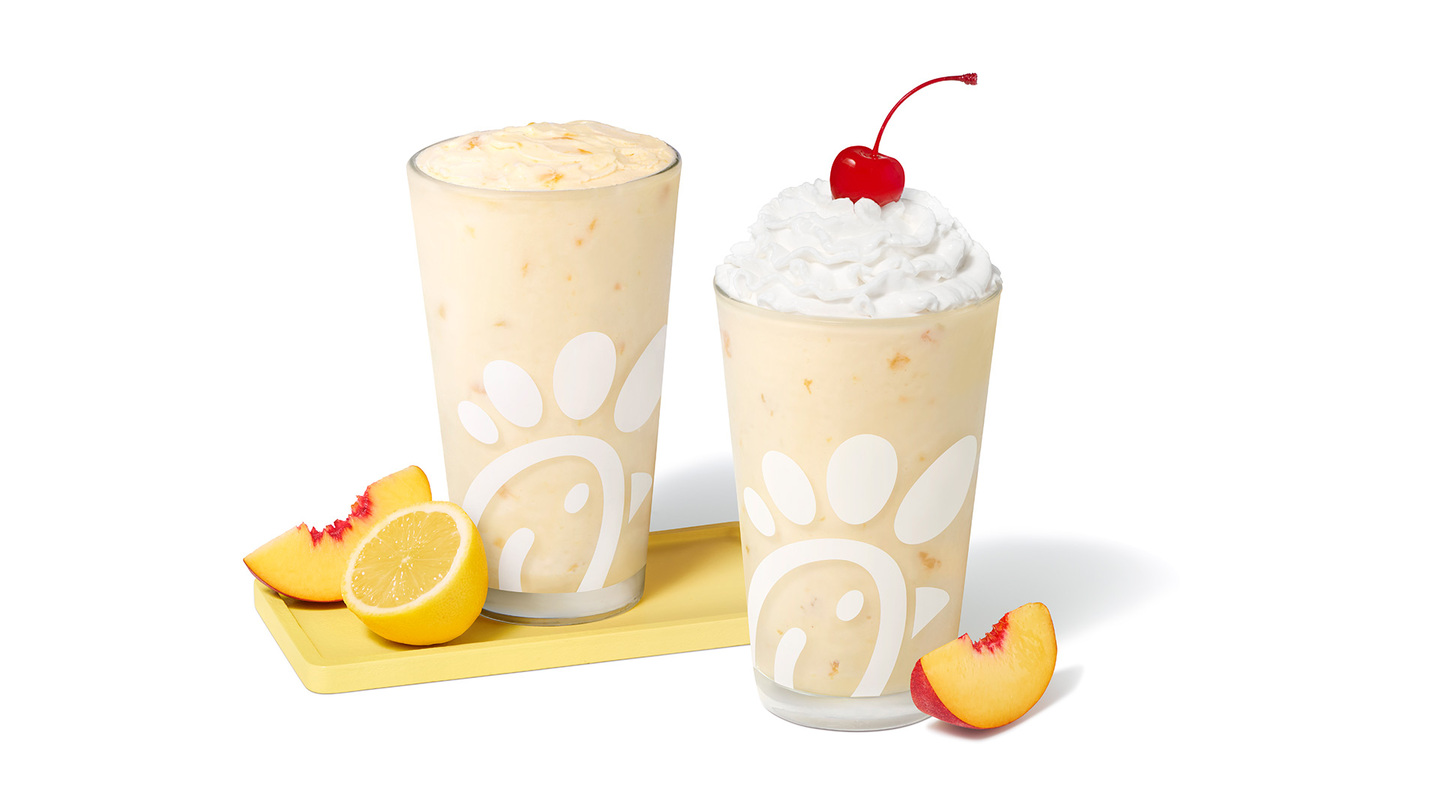
The introduction of a new milkshake at Chick-fil-A functions as a calculated strategic maneuver that reinforces the brand’s loyalty loop, optimizes seasonal supply chain velocity, and maintains consumer engagement without disrupting core operational efficiency. These limited-time offerings serve as "halo products" that drive store traffic, social media buzz, and incremental check growth while testing long-term menu viability.
Contents
The Strategic Role of Seasonal Innovation
Chick-fil-A operates on a model of extreme operational consistency. Unlike competitors that frequently overhaul their main menus, Chick-fil-A uses the milkshake platform as a controlled sandbox for innovation. The introduction of a new flavor is rarely just about the ingredients; it is a vital mechanism to combat "menu fatigue" among repeat customers.
By limiting the availability of these milkshakes, the brand leverages the psychological principle of scarcity. When a product is marketed as a seasonal event, customers are incentivized to visit locations more frequently within a specific window to ensure they do not miss out. This creates a predictable surge in demand that helps managers forecast labor and inventory needs while keeping the brand top-of-mind in a crowded quick-service restaurant (QSR) landscape.
Operational Discipline and Supply Chain Integration
One of the primary reasons a new milkshake matters is the underlying technical simplicity required to execute it. Chick-fil-A milkshakes are produced using a base of "Icedream," a proprietary soft-serve product. Integrating a new flavor—such as a fruit puree, a cookie crumble, or a seasonal syrup—requires minimal equipment adjustment.
Because the base remains consistent, the operational burden on kitchen staff is significantly lower compared to launching a new entrée or fried item. This allows the company to introduce complexity at the periphery of the menu without compromising the "speed of service" metric that defines the brand’s competitive advantage. For the consumer, this means the quality remains high and consistent, regardless of which location they visit.
Economic Impact and Consumer Behavior
The launch of a new milkshake often correlates with an increase in "attachment rates," where a customer who might have only purchased a sandwich and fries adds a high-margin dessert item. Milkshakes are high-margin products with a relatively low cost of goods sold (COGS) compared to protein-heavy menu items.
Furthermore, the new milkshake serves as a low-cost entry point for customers who are testing the brand's seasonal relevance. For Chick-fil-A, these launches are essential data-gathering exercises. By tracking the velocity of a new flavor, the corporate office can evaluate:
- Regional Preferences: Determining if specific flavors perform better in the Northeast versus the Southeast.
- Inventory Efficiency: Assessing whether the supply chain can handle the procurement of specific ingredients at scale.
- Customer Sentiment: Utilizing mobile app engagement and social media mentions to gauge brand affinity.
Comparative Analysis of QSR Dessert Strategies
To understand why this matters, it is useful to compare Chick-fil-A’s approach to the strategies employed by other major QSR chains.
| Feature | Chick-fil-A Milkshake | Competitor Specialty Desserts |
|---|---|---|
| Operational Impact | Minimal (Icedream base) | High (Often requires dedicated equipment) |
| Launch Cadence | Controlled/Seasonal | Frequent/Aggressive |
| Brand Focus | Consistency & Loyalty | Novelty & Viral Trends |
| Primary Goal | Ancillary Attachment | Traffic Drivers |
Where competitors may risk brand dilution by introducing overly complex items, Chick-fil-A’s milkshake strategy focuses on "incremental innovation." They rarely change the foundational recipe, ensuring that the core product identity remains untarnished while providing the consumer with a fresh experience.
The Role of the Chick-fil-A Mobile App
In 2026, the digital interface is just as important as the physical product. The new milkshake is often integrated into the mobile app as a featured item, which allows for precise measurement of conversion rates. When a customer receives a push notification about a new flavor, the brand is essentially engaging in direct-response marketing.
This digital infrastructure allows the company to reward loyal customers with early access to the new flavor or targeted promotional offers. This not only boosts short-term sales but also deepens the ecosystem of the Chick-fil-A One loyalty program, encouraging users to keep the app installed and active on their devices.
Risks and Operational Constraints
Despite the benefits, launching a new milkshake is not without challenges. Supply chain management is the most significant hurdle. If a flavor is unexpectedly popular, the company risks supply shortages, which can lead to customer frustration. Conversely, if a flavor fails to resonate, the waste from unused ingredients can impact the store’s P&L (Profit and Loss) statement.
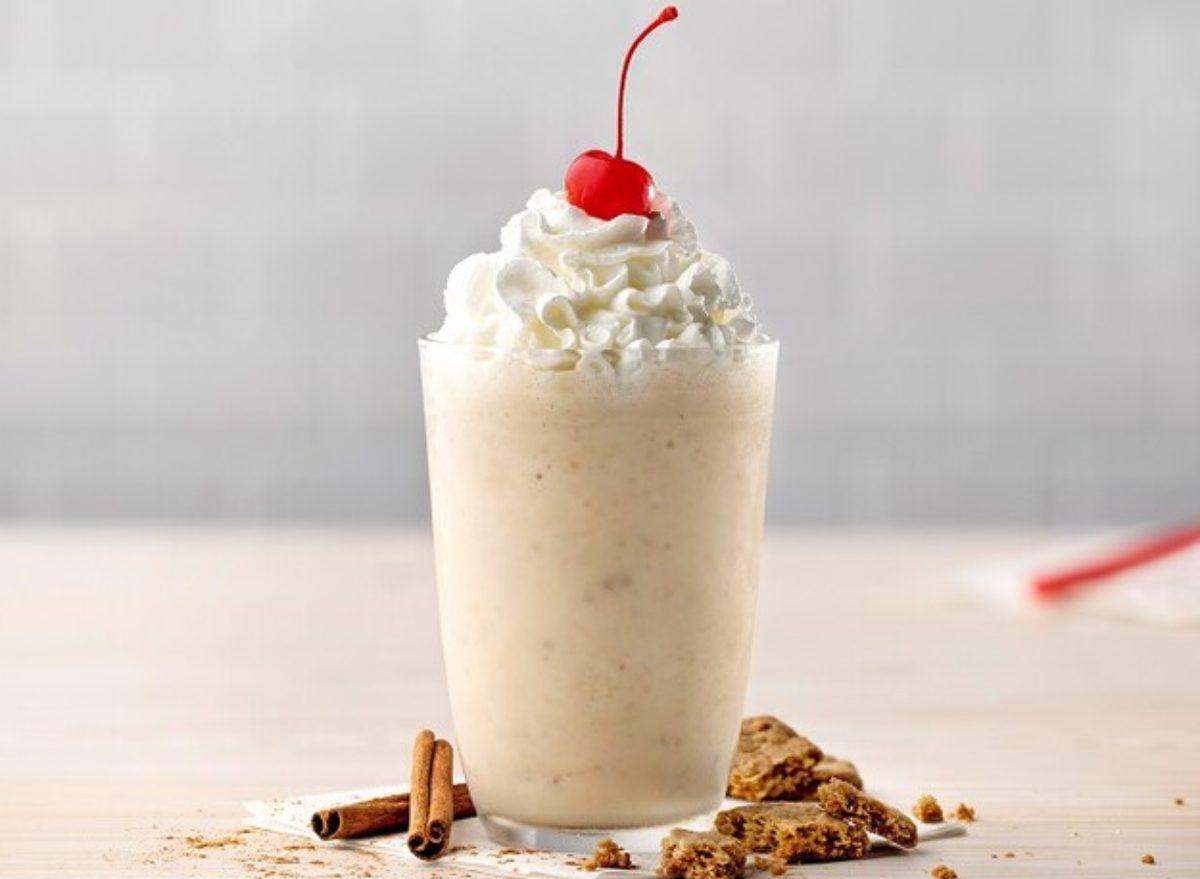
Quality control is another concern. Training staff to prepare a new, nuanced flavor while maintaining the standard presentation—including the signature cherry and whipped cream topping—requires consistent adherence to SOPs (Standard Operating Procedures). If a new flavor is too difficult to prep, it can create a bottleneck during peak rush hours, undermining the brand's promise of speed.
Frequently Asked Questions
1. Does the new milkshake replace the standard flavors? No, the new milkshake is typically introduced as a temporary, seasonal supplement. It exists alongside the core menu of Vanilla, Chocolate, Strawberry, and Cookies & Cream, which are staples of the Chick-fil-A dessert lineup.
2. How does Chick-fil-A decide which flavors to launch? Flavor development is based on extensive consumer research, market trends, and historical performance of previous seasonal items. The brand focuses on flavors that offer a balance of broad appeal and the specific "comfort" profile associated with their Icedream base.
3. Are there regional variations in availability? While most seasonal milkshakes are released nationwide, there are occasionally local or regional testing phases. However, in 2026, the primary strategy remains a unified national rollout to ensure a cohesive brand narrative across all markets.
4. Why is the milkshake considered a "high-margin" item? Milkshakes are primarily composed of Icedream base and syrups or inclusions. Because the cost of these ingredients relative to the price point is favorable, they contribute significantly to the total store profitability compared to more labor-intensive menu items.
5. Can I customize the new milkshake? Generally, the base of the new milkshake can be customized, but the specific flavor inclusions are pre-mixed or portion-controlled to ensure consistency. You can often request extra toppings, but altering the core flavor profile is usually restricted to ensure quality control.
Recommendation for the Consumer
To maximize the value of a new milkshake release, prioritize visiting during the first two weeks of the promotional window. This period usually coincides with peak product availability and maximum staff training freshness. Check the Chick-fil-A mobile app before departing, as you can often verify ingredient availability at your local restaurant. If you have dietary restrictions, always consult the official allergen guide, as seasonal additions may contain unique ingredients or cross-contact risks not found in the standard milkshake menu.
Image Gallery