Understanding Worker Compensation in Seattle: A Guide for 2026
In Seattle, workers' compensation is a state-mandated insurance system that provides medical benefits and partial wage replacement to employees injured on the job or diagnosed with work-related illnesses. Administered primarily by the...
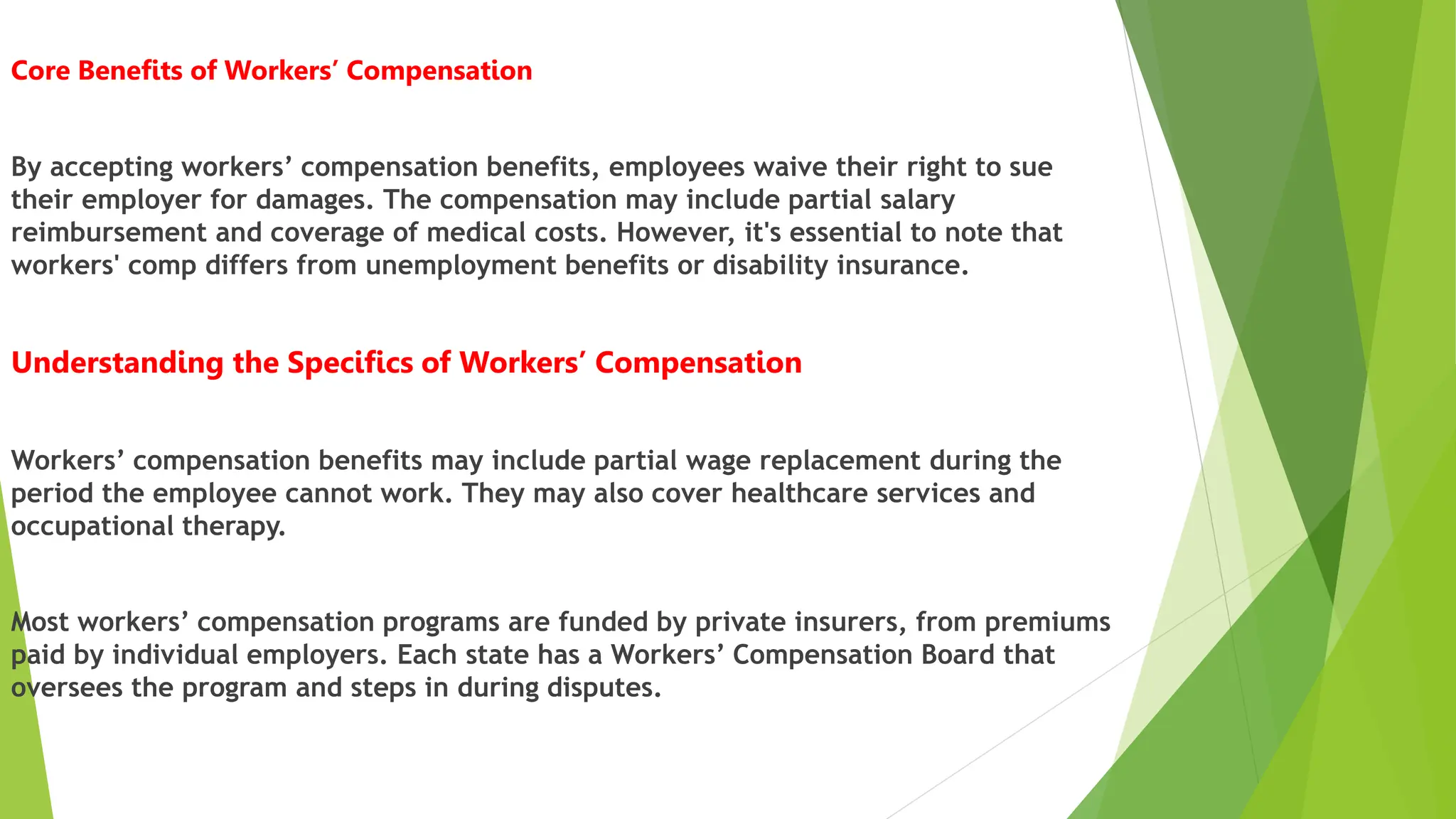
In Seattle, workers' compensation is a state-mandated insurance system that provides medical benefits and partial wage replacement to employees injured on the job or diagnosed with work-related illnesses. Administered primarily by the Washington State Department of Labor & Industries (L&I), the system operates on a "no-fault" basis, ensuring workers receive care regardless of who caused the incident while protecting employers from most lawsuits.
Contents
Understanding the complexities of the workers' compensation system in Seattle is essential for both employees and business owners. Unlike many other states where private insurance companies dominate the market, Washington is a "monopolistic state." This means that the vast majority of Seattle employers must obtain their coverage directly through the Washington State Department of Labor & Industries (L&I) rather than through private carriers.
As of 2026, the cost of living in the Puget Sound region continues to influence benefit rates and medical costs, making it more critical than ever to navigate the claims process accurately. Whether you are dealing with a sudden construction accident in South Lake Union or a repetitive stress injury from a desk job in the Central Business District, the rules governing your recovery and financial stability are rooted in Title 51 of the Revised Code of Washington (RCW).
The Structure of Washington’s Monopolistic System
Washington is one of only four states in the U.S. that maintains a monopolistic state fund for workers' compensation. In Seattle, this means the state government acts as the primary insurer, collector of premiums, and adjudicator of claims. This structure is designed to create a stable, predictable environment for industrial insurance, but it also creates a bureaucratic landscape that can be difficult for the uninitiated to navigate.
The Role of L&I
The Department of Labor & Industries manages the "State Fund." Employers and employees both contribute to this fund through payroll premiums. When an injury occurs, L&I reviews the medical evidence, determines if the claim is "allowed," and manages the distribution of benefits. For a Seattle worker, this often means your primary point of contact for medical bills and lost wages is a state adjudicator based in an L&I service location, such as the Seattle office on Aurora Avenue North.
Self-Insured Employers
While the State Fund is the default, some of Seattle’s largest employers—such as major tech firms, healthcare systems, and retail giants—are "self-insured." To qualify, these companies must demonstrate the financial depth to pay claims directly and provide an equivalent or better level of benefits than the state fund. If you work for a self-insured employer, your claim is managed by the company or a third-party administrator (TPA) rather than L&I directly, though L&I still maintains oversight and handles appeals.
Coverage Requirements and Eligibility in Seattle
In 2026, almost every person working in Seattle is covered by workers' compensation from their first day on the job. This includes full-time, part-time, seasonal, and temporary workers.
Who is Covered?
The law assumes that an employment relationship exists if a person is performing labor for an employer. This includes:
- Corporate employees: From executive staff to entry-level associates.
- Manual laborers: Including construction, maritime (with specific federal overlaps), and manufacturing.
- Remote workers: If a Seattle-based employee is injured while working from home in a manner related to their job duties, they are generally covered.
The Independent Contractor Exception
A common point of contention in Seattle’s "gig economy" is the classification of workers as independent contractors. Under Washington law, a worker is only an independent contractor (and thus not covered by the employer's workers' comp) if they meet specific multi-part tests regarding control, independent business location, and tax registration. Simply signing a contract labeled "Independent Contractor" does not automatically waive your right to workers' compensation if the state determines you are legally an employee.
Steps to Take Following a Workplace Injury
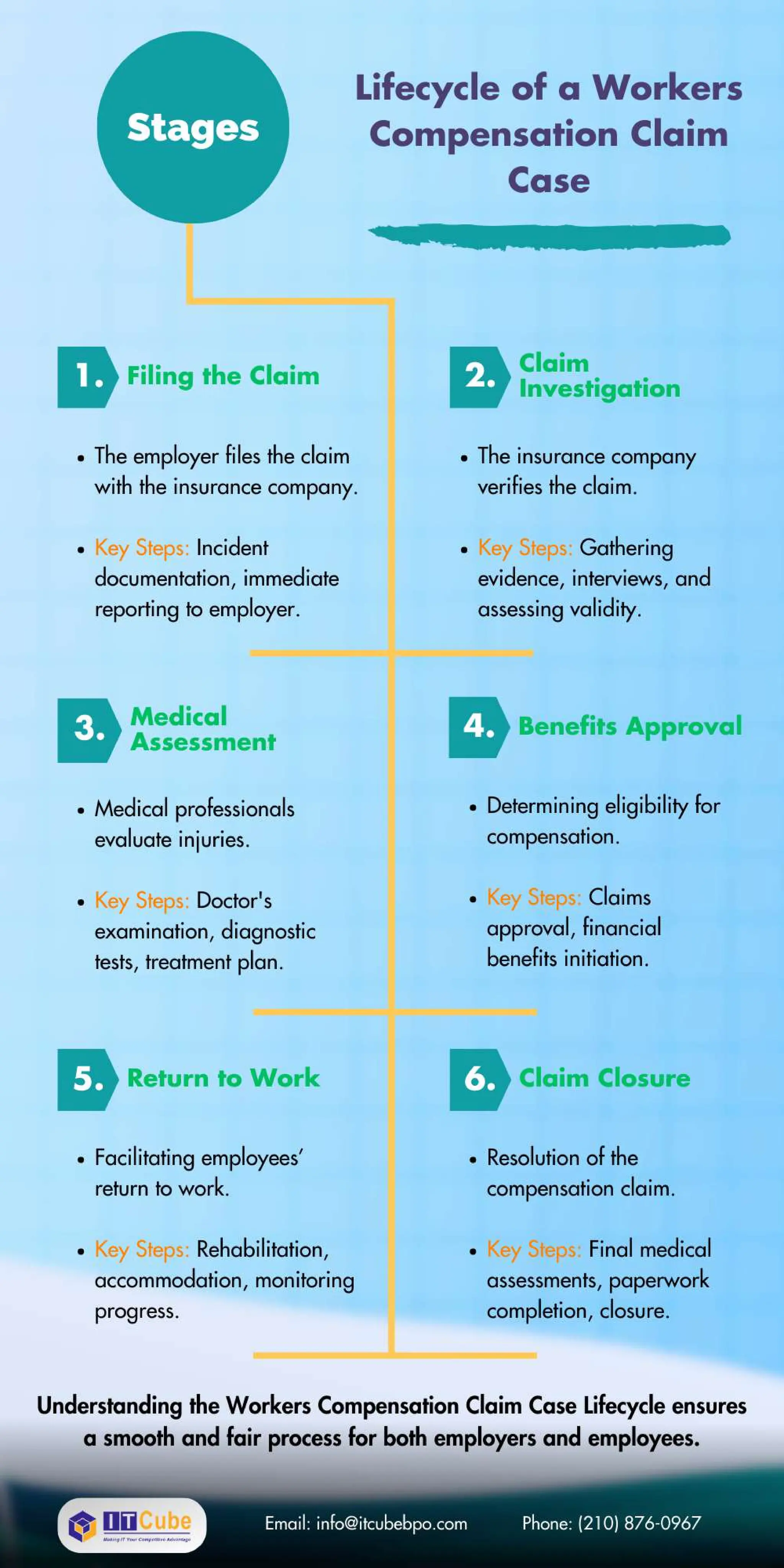
The actions you take in the first 24 to 72 hours following an injury in Seattle are critical to the success of your claim. Delayed reporting or seeking the wrong type of medical care can lead to claim denials.
1. Seek Immediate Medical Care
In Seattle, you have the right to choose your initial doctor. You can go to an emergency room, an urgent care clinic, or your primary care physician. However, for ongoing treatment, the provider must be part of the L&I Medical Network.
- Note: Inform the doctor immediately that your injury is work-related. They will initiate the "Report of Accident" (ROA) form, which is the official start of your claim.
2. Notify Your Employer
You must inform your supervisor or HR department about the injury as soon as possible. While verbal notice is common, providing written notice (via email or a formal incident report) creates a vital paper trail. In 2026, many Seattle employers use digital portals for incident reporting; ensure you save a copy of your submission.
3. File the Claim
There are three ways to file an L&I claim in Washington:
- Online: Through the L&I File Fast portal.
- By Phone: Calling the L&I intake line.
- At the Doctor’s Office: Ensuring the physician submits their portion of the ROA promptly.
Statute of Limitations: You generally have one year from the date of an injury to file a claim. For occupational diseases (like carpal tunnel or lung conditions caused by exposure), you have two years from the date a doctor notifies you in writing that the condition is work-related.
Types of Benefits Available in 2026
The Seattle workers' compensation system provides several tiers of benefits depending on the severity of the injury and the impact on the worker's ability to earn a living.
Medical Benefits
L&I or the self-insured employer pays for all "proper and necessary" medical treatment related to the workplace injury. This includes doctor visits, hospitalizations, surgeries, prescriptions, and physical therapy. In Washington, there are no deductibles or co-pays for the injured worker when seeing a network provider for an allowed claim.
Wage Replacement (Time-Loss)
If a doctor certifies that you cannot work because of your injury, you are entitled to time-loss compensation.
- The Three-Day Waiting Period: No benefits are paid for the first three days following the injury unless the disability continues for more than 14 days.
- Calculation: You typically receive between 60% and 75% of your gross monthly wages, subject to state maximums. The specific percentage depends on your marital status and the number of dependent children at the time of injury.
Permanent Partial Disability (PPD)
If you recover but have a permanent loss of function (e.g., loss of range of motion in a shoulder or loss of a finger), you may be eligible for a PPD award. This is a lump-sum payment based on a medical rating of your impairment, not on your lost wages.
Vocational Rehabilitation
If your injury is so severe that you cannot return to your previous job or any other job for which you have the skills, you may qualify for vocational retraining. In 2026, this often includes funding for community college programs or technical certifications to transition into less physically demanding roles within the Seattle job market.
Comparison of State Fund vs. Self-Insured Claims
While the benefits provided are legally required to be the same, the experience of navigating a claim differs significantly based on who provides the insurance.
| Feature | State Fund (L&I) | Self-Insured Employer |
|---|---|---|
| Claim Administrator | L&I Adjudicator | Employer or TPA |
| Payment Source | Washington State Fund | Company Assets/Trust |
| Medical Network | L&I Medical Provider Network | L&I Medical Provider Network |
| Dispute Resolution | L&I Internal Review / BIIA | L&I Request for Order / BIIA |
| Common Examples | Small businesses, retail, cafes | Amazon, Boeing, UW Medicine |
Navigating the Independent Medical Examination (IME)
At some point during a complex Seattle workers' comp claim, you will likely be asked to attend an Independent Medical Examination (IME). Despite the name, these exams are often controversial. The examiner is hired by L&I or the self-insured employer to provide a "second opinion" on your condition, your ability to work, or whether your claim should be closed.
In 2026, Washington law continues to provide specific protections for workers regarding IMEs. You have the right to have a friend or family member present as an observer, and in some cases, you may record the exam. It is vital to be honest and consistent during an IME, as discrepancies between your statements to your treating physician and the IME doctor are a leading cause of claim denials or premature closure.
Legal Protections and the Seattle Office of Labor Standards
Seattle workers have additional layers of protection that supplement the state-wide L&I system. The Seattle Office of Labor Standards (OLS) enforces local ordinances that may intersect with workers' compensation issues, such as Paid Sick and Safe Time (PSST).
Retaliation is Illegal
Under RCW 51.48.025, it is strictly illegal for an employer to fire, demote, or otherwise discriminate against an employee for filing a workers' compensation claim. If you believe you are being targeted because of your injury, you may have grounds for a separate "wrongful discharge" or retaliation lawsuit.
The Board of Industrial Insurance Appeals (BIIA)
If L&I issues a decision you disagree with—such as denying your claim or ending your time-loss benefits—you have the right to appeal. The first step is often a "protest" sent directly to L&I. If that does not resolve the issue, you can appeal to the Board of Industrial Insurance Appeals (BIIA). This is a separate state agency that acts as a court system for workers' compensation disputes in Washington.
Common Pitfalls and Troubleshooting
- Missing Deadlines: Failing to protest an L&I "Order and Notice" within the 60-day window (or 20 days for certain vocational issues) can make a decision final and unchangeable.
- Gaps in Treatment: If you stop seeing your doctor, L&I may assume you have recovered and move to close your claim. Consistent medical documentation is the lifeblood of a claim.
- Returning to Light Duty: Employers in Seattle are encouraged to offer "light duty" or transitional work. If your doctor clears you for light duty and your employer offers a valid position that meets those restrictions, you generally must accept it or risk losing your time-loss benefits.
- Pre-existing Conditions: L&I often tries to attribute symptoms to pre-existing degenerative conditions rather than the workplace injury. A skilled doctor must explain how the workplace incident "lighted up" or worsened the underlying condition.
Frequently Asked Questions
Can I see my own doctor for a Seattle workers' comp claim?
Yes, you can choose your initial attending physician. However, they must be part of the L&I Medical Provider Network to be paid for ongoing care. If your long-term family doctor is not in the network, you will eventually need to transfer your care to a network provider.
How much does a workers' compensation attorney cost in Seattle?
Most workers' compensation attorneys in Washington work on a contingency fee basis. This means they only get paid if they secure back-time-loss, an increased PPD award, or a pension for you. The fee is typically capped by law at 30% of the increase in benefits obtained through the attorney's efforts.
Does workers' comp cover mental health conditions?
Yes, but with specific requirements. Post-Traumatic Stress Disorder (PTSD) or other mental health conditions resulting from a specific traumatic event at work are generally covered. "Stress claims" resulting from routine personnel actions (like a bad performance review) are typically excluded. In 2026, Washington law has expanded some presumptions for first responders regarding occupational mental health.
What if my injury happened while I was working in Seattle but my company is based elsewhere?
If your "site of employment" is in Seattle, you are generally covered by Washington's L&I system regardless of where the company's headquarters are located. Washington has "extraterritorial" coverage agreements with several other states to handle these multi-state scenarios.
What is a "Structured Settlement"?
For workers over the age of 50 with allowed claims, Washington allows for "Structured Settlement" agreements. This allows the worker to close their claim in exchange for a negotiated sum of money paid out over time. This is a complex decision that usually requires legal advice to ensure you aren't forfeiting essential future medical rights.
Next Steps for Injured Workers
If you have been injured on the job in Seattle, your immediate priority is medical stabilization and filing the Report of Accident. Once the claim is open, keep a meticulous file of every "Order and Notice" you receive from L&I. If you encounter a claim denial, an unfavorable IME report, or an employer who is pressuring you to return to work before you are physically ready, consider consulting with a qualified legal professional specializing in Title 51 RCW. Early intervention often prevents the bureaucratic delays that can stall a recovery process for months or years.
Image Gallery