Donald “Buck Dharma” Roeser: The Constant Heart of Blue Öyster Cult
Donald Roeser, better known by his stage name Buck Dharma, stands as the definitive constant member of Blue Öyster Cult. Since the band's inception in the late 1960s under various monikers, Roeser has provided the essential guitar work...
Donald Roeser, better known by his stage name Buck Dharma, stands as the definitive constant member of Blue Öyster Cult. Since the band's inception in the late 1960s under various monikers, Roeser has provided the essential guitar work, primary songwriting, and iconic vocals that define the group's legacy. Unlike many of his contemporaries in the classic rock genre, Roeser has never officially departed the band, serving as its musical North Star for over five decades.
Contents
The Genesis of a Constant Presence: From Soft White Underbelly to 2026
To understand Buck Dharma as a constant member, one must look back to the band’s formative years in the Stony Brook area of Long Island. While Blue Öyster Cult officially released its debut album in 1972, the core of the group began coalescing as early as 1967. Originally known as Soft White Underbelly, the group underwent several name changes and roster shifts before settling on the BÖC identity. Throughout this turbulent early period, Donald Roeser remained the anchor.
While other foundational members like the Bouchard brothers (Albert and Joe) or the late Allen Lanier eventually departed or took hiatuses, Roeser’s tenure is unbroken. Even Eric Bloom, the band's other long-serving pillar and primary frontman, joined slightly after the very first iterations of the group were established. By 2026, Roeser’s career represents one of the longest continuous runs of any lead guitarist in rock history. This longevity is not merely a matter of attendance; it is a testament to his role as the primary architect of the "Cult" sound—a blend of heavy metal, psychedelic rock, and pop-sensibility that was decades ahead of its time.
Defining the Musical Identity of Blue Öyster Cult
Buck Dharma’s status as a constant member is inextricably linked to his creative output. He is responsible for the band’s most enduring radio hits, including "(Don't Fear) The Reaper," "Burnin' for You," and "Godzilla." These tracks showcase a specific duality that Roeser brought to the band: the ability to write complex, atmospheric music that remained accessible to a mainstream audience.
The Songwriting Pillar
Roeser’s songwriting often leaned toward the melodic and the ethereal, providing a necessary counterpoint to the more aggressive, often occult-themed compositions of his bandmates and the group’s manager/lyricist, Sandy Pearlman. As a constant member, his influence ensured that the band never veered too far into impenetrable prog-rock or mindless heavy metal. His ability to craft "hooks" allowed Blue Öyster Cult to survive the shifting musical landscapes of the 1980s and 1990s.
Vocal Versatility
While Eric Bloom often handled the "tougher" vocal duties for the band's heavier tracks, Roeser’s smooth, melodic tenor became the voice of the hits. This vocal distribution allowed the band to maintain two distinct identities—the leather-clad heavy metal pioneers and the sophisticated melodic rockers—without losing their core audience. His voice remained remarkably consistent through the decades, a fact celebrated by fans during the band's frequent tours in the early 2020s.
The Technical Signature: Equipment and Style
A significant part of Roeser's "constant" status is his technical reliability and the evolution of his sound. He is widely regarded by peers as a "guitarist's guitarist," known for a fluid, legato style and a sophisticated use of scales that bypassed the standard blues-rock clichés of the 1970s.
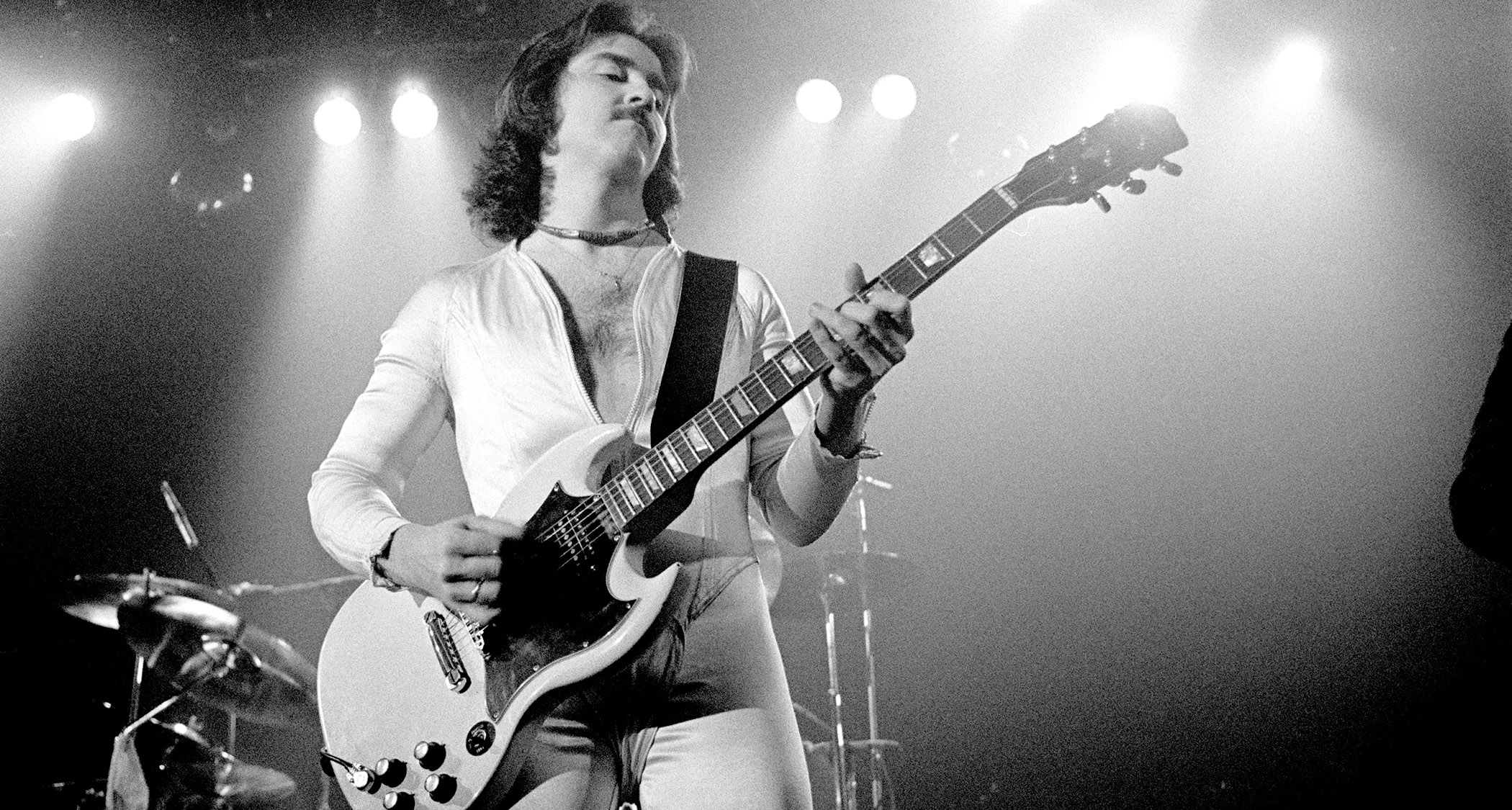
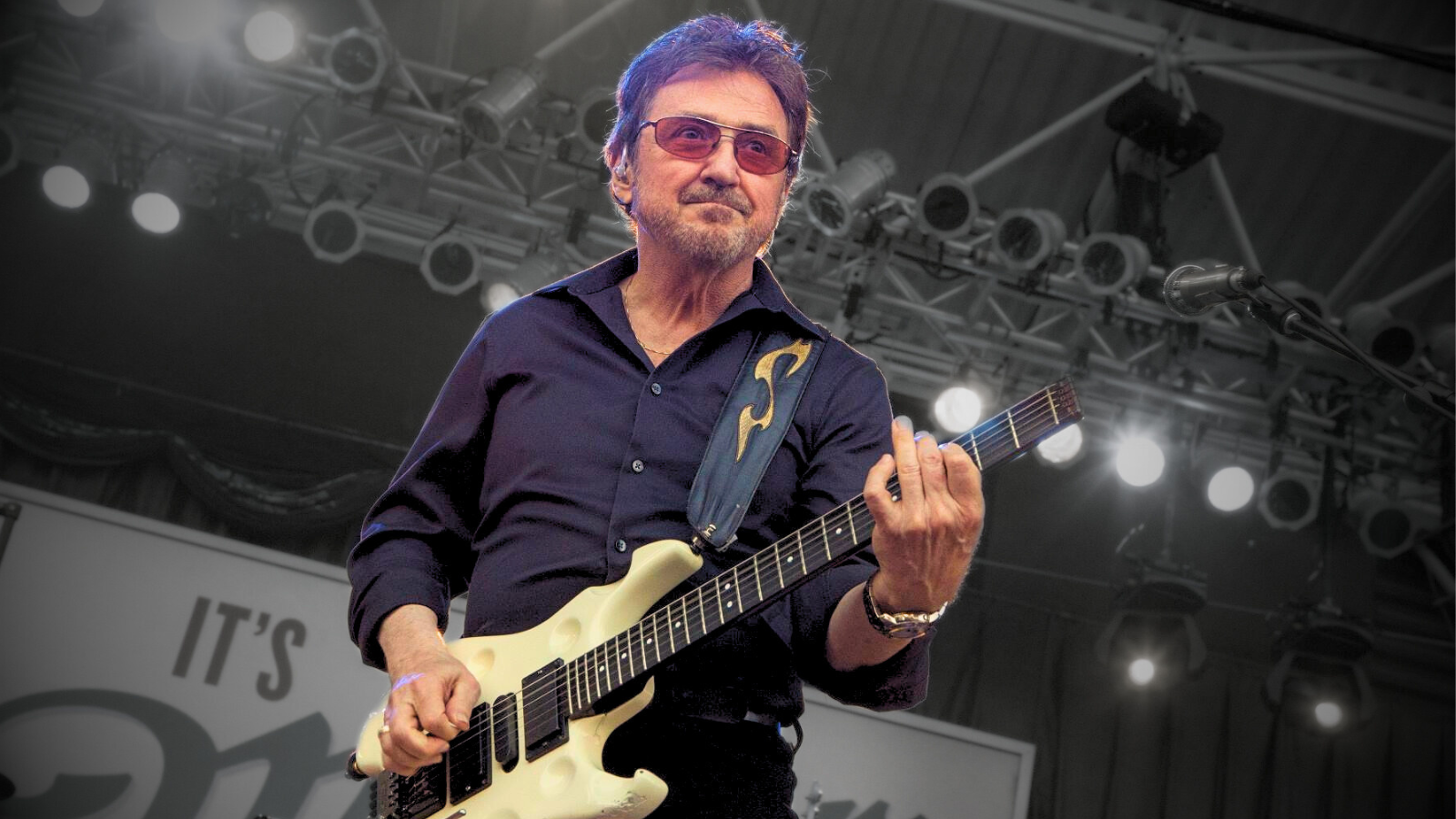
Throughout his career, his choice of equipment has become iconic. In the early years, he was frequently seen with a Gibson SG, which contributed to the biting, heavy tones of the first three "Black and White" albums. However, in the 1980s, he transitioned to the Steinberger "headless" guitars, most notably the custom "Cheese" guitar (a white Steinberger with a hole-cut body). This transition reflected his willingness to embrace modern technology while maintaining the distinctive "Buck Dharma" vibrato and phrasing that fans could identify within a few notes.
In the current era of 2026, Roeser continues to influence a new generation of players. His solos are studied not just for their speed, but for their melodic construction—many of them, such as the solo in "Reaper," are considered "compositions within a composition."
Navigating Roster Changes and the "Invisible Band" Era
The stability Roeser provided became most critical during the mid-1980s to the late 1990s. This period saw the departure of the original lineup members, starting with Albert Bouchard in 1981. For many bands, the loss of a founding rhythm section signals the end. However, with Roeser and Bloom remaining as the constant core, Blue Öyster Cult was able to navigate what fans sometimes call the "revolving door" of bassists and drummers.
During the 1990s, when the music industry’s interest in classic rock hit a commercial low, Roeser’s commitment to the brand never wavered. He continued to tour relentlessly, often performing in smaller venues to keep the BÖC flame alive. This persistence eventually led to a critical and commercial resurgence in the 21st century, culminating in the highly acclaimed album The Symbol Remains (2020) and the archival success of Ghost Stories (2024).
Comparative Tenure of Original Members (As of 2026)
| Member | Role | Original Tenure | Total Years Active (Approx.) | Status |
|---|---|---|---|---|
| Donald "Buck Dharma" Roeser | Lead Guitar, Vocals | 1967–Present | 59 Years | Constant |
| Eric Bloom | Lead Vocals, Stun Guitar | 1969–Present | 57 Years | Constant |
| Allen Lanier | Keyboards, Guitar | 1967–2006 | 37 Years | Deceased (2013) |
| Joe Bouchard | Bass, Vocals | 1970–1986 | 16 Years | Retired/Solo |
| Albert Bouchard | Drums, Vocals | 1967–1981 | 14 Years | Retired/Solo |
Note: Tenures include predecessor bands Soft White Underbelly and Stalk-Forrest Group.
The 2026 Perspective: Legacy and Ongoing Contributions
As we look at the landscape of rock music in 2026, Buck Dharma is one of the few remaining "guitar gods" from the golden age of rock who is still actively performing and recording. His presence in the current lineup of Blue Öyster Cult—which includes long-term members Richie Castellano, Danny Miranda, and Jules Radino—provides a direct link to the band’s high-concept origins.
His role in recent years has shifted slightly toward that of a mentor and curator. While he still takes the lead on his signature tracks, he has successfully integrated younger musicians into the fold, ensuring the complex arrangements of the band's back catalog are performed with precision. The 2024 release Ghost Stories, which utilized AI-assisted restoration for old demos and unreleased tracks, was heavily overseen by Roeser, showing his continued dedication to the band's historical accuracy and sonic quality.
Why the "Constant Member" Label Matters
The designation of "constant member" is more than a biographical footnote; it is the reason Blue Öyster Cult retains its brand integrity. In an era where many "legacy" bands tour with zero or only one original member, Roeser's presence guarantees an authentic experience. He is the keeper of the "Cult" mythology—the cryptic lyrics, the specific tonal palettes, and the refusal to be pigeonholed into a single genre.
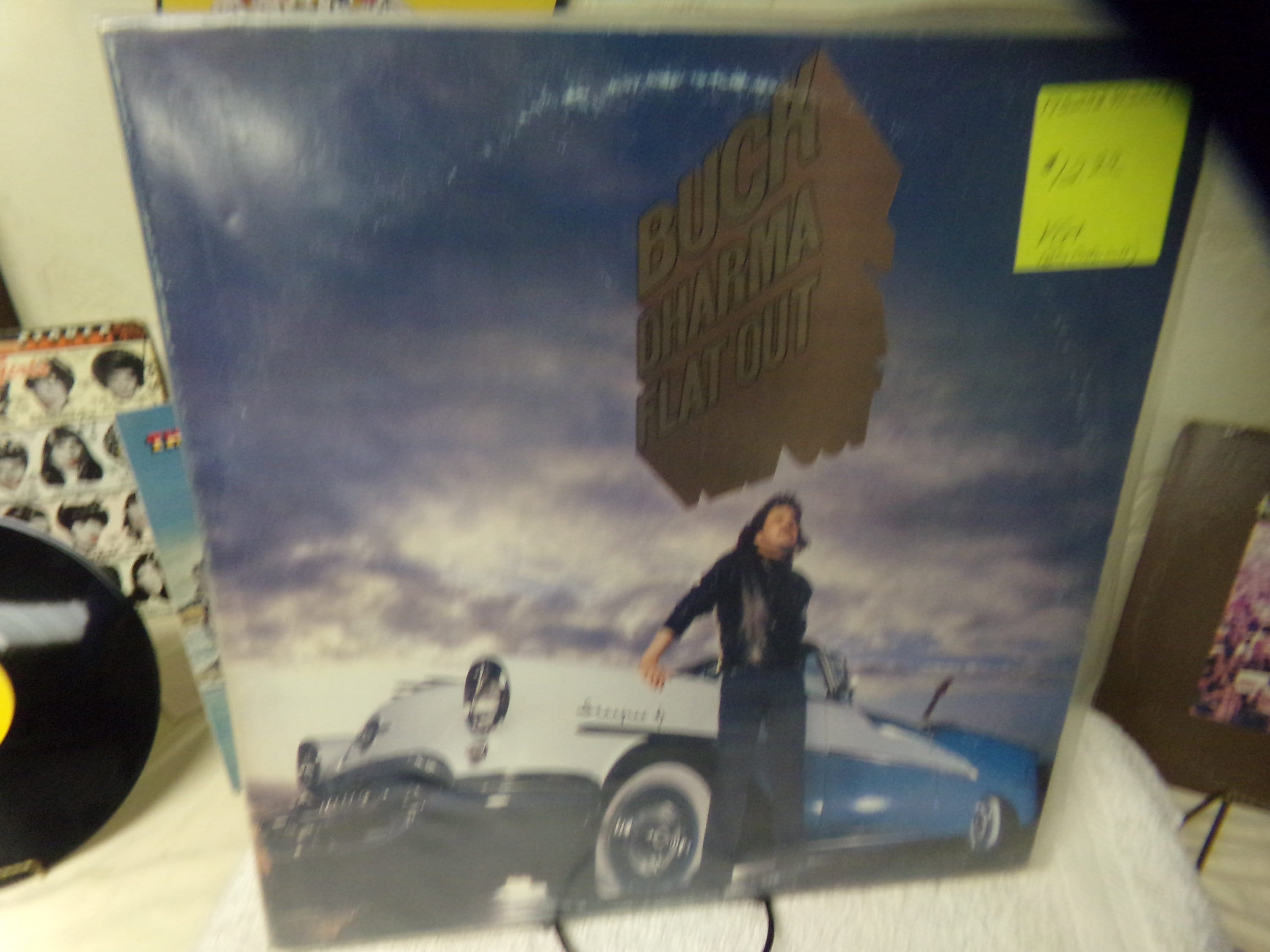
His solo career, most notably his 1982 album Flat Out, served as a creative outlet that allowed him to explore pop and jazz-fusion without needing to leave his primary band. This balance is likely why he never suffered the "creative burnout" that led other members to seek permanent exits.
Frequently Asked Questions
Is Buck Dharma the only original member left in Blue Öyster Cult?
Not exactly. While he has the longest continuous tenure, Eric Bloom is also considered a "constant" member by most fans, having been with the band since 1969. However, Roeser is the only member who has been present since the very first 1967 lineups of Soft White Underbelly.
Why did Donald Roeser choose the name "Buck Dharma"?
The name was part of a "stage name" project initiated by the band's manager, Sandy Pearlman, in the late 1960s. Pearlman came up with colorful names for everyone in the band (e.g., "Jesse Python," "Prince Lasha"). While the other members eventually dropped their assigned names, Roeser liked "Buck Dharma" and decided to keep it, eventually making it his primary professional identity.
Does Buck Dharma still play the "Cheese" guitar?
Yes, he still occasionally uses his custom white Steinberger "Cheese" guitar for live performances, particularly for songs from the 1980s era. However, in 2026, he often rotates through various high-end custom guitars that provide the specific sustain needed for his lead work.
What is Buck Dharma's most successful song?
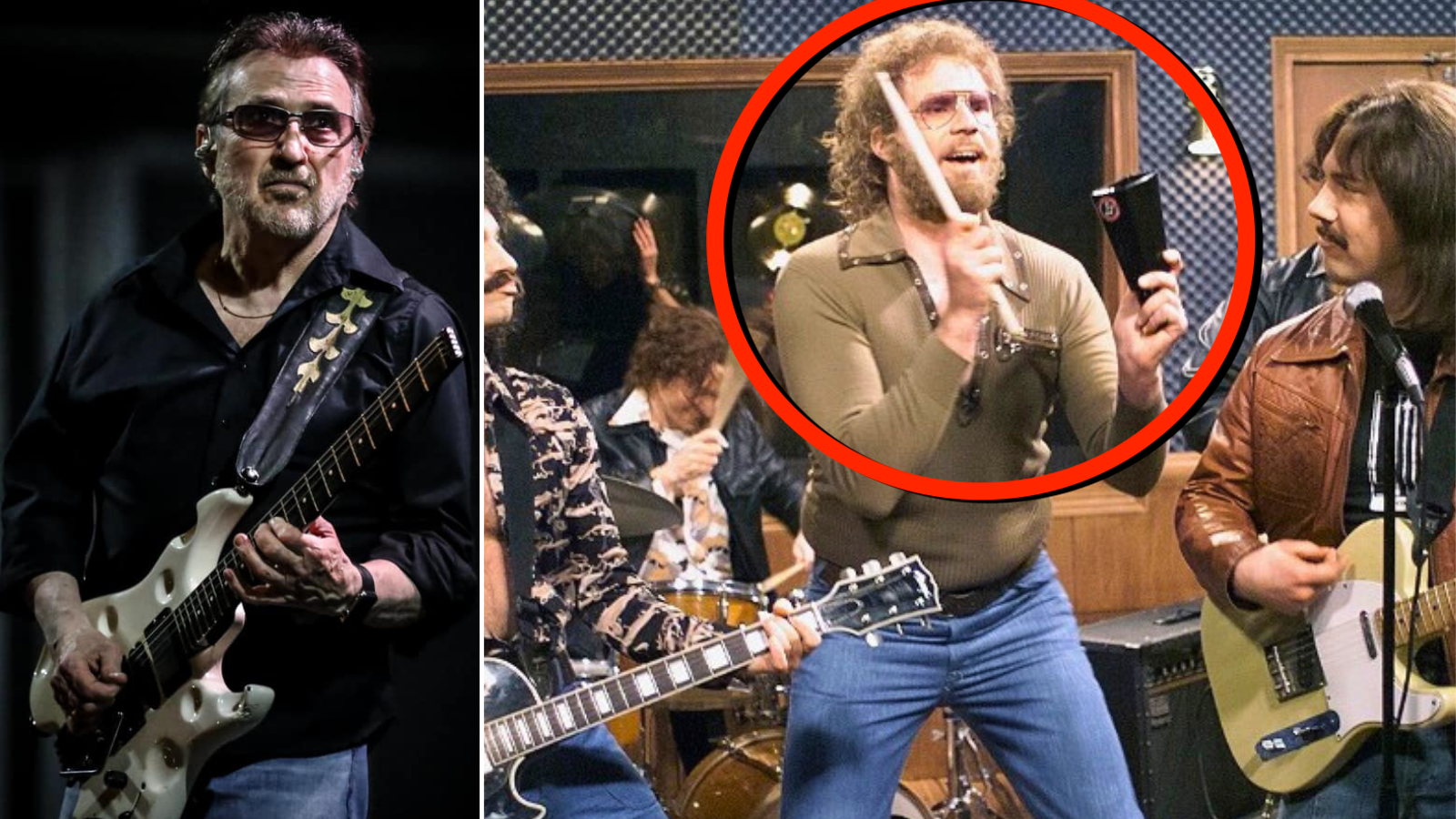
His most commercially successful and culturally significant song is "(Don't Fear) The Reaper," which he wrote and sang. The song reached the Billboard Top 20 in 1976 and has since become a staple of classic rock radio, film soundtracks, and pop culture (famously parodied in the "More Cowbell" sketch on Saturday Night Live).
Is Buck Dharma still touring in 2026?
Yes, Blue Öyster Cult remains an active touring entity in 2026. While the frequency of their tours has slowed compared to the 1970s, they continue to headline festivals and play theater shows, with Roeser remaining the focal point of the live performance.
Practical Recommendations for Fans and Historians
For those looking to explore the impact of Buck Dharma as a constant member, the following steps are recommended:
- Listen to The Symbol Remains (2020): This album is the best modern evidence of Roeser's enduring songwriting ability, featuring tracks like "Box in My Head" that sound remarkably fresh.
- Examine the "Black and White" Trilogy: To understand the foundation he built, listen to the first three albums: Blue Öyster Cult, Tyranny and Mutation, and Secret Treaties.
- Attend a Live Performance: If possible, see the band live in 2026. Roeser’s guitar solos are often extended in a live setting, offering a masterclass in improvisation and tone.
- Follow Richie Castellano’s Digital Content: Richie Castellano, a fellow band member, often shares "behind-the-scenes" technical looks at how Roeser achieves his sound, which is invaluable for guitarists.
Image Gallery