Max Planck Neuroscience: Research Focus, Institutes, and Graduate Pathways
Max Planck neuroscience represents a world-leading network of fundamental brain research institutes operating under Germany's Max Planck Society (Max-Planck-Gesellschaft). Spanning molecular neurobiology, systems electrophysiology, com...
Max Planck neuroscience represents a world-leading network of fundamental brain research institutes operating under Germany's Max Planck Society (Max-Planck-Gesellschaft). Spanning molecular neurobiology, systems electrophysiology, computational neural modeling, and human cognitive neuroimaging, these non-university research centers offer fully funded doctoral programs, state-of-the-art optical and structural imaging facilities, and career pathways for international biomedical scientists.
Contents
The Structure of Max Planck Neuroscience Institutes
The Max Planck Society does not consolidate its biological research into a single campus. Instead, it operates several specialized research institutes across Germany and internationally. Each institute focuses on distinct spatial, temporal, and functional scales of nervous system organization, ranging from sub-molecular synaptic machinery to complex human behavior and metabolic homeostasis.
Max Planck Society (MPG) Neuroscience Network:
- Molecular & Cellular Mechanisms
- MPI for Brain Research (Frankfurt am Main)
- Max Planck Florida Institute (USA)
- MPI for Multidisciplinary Sciences (Göttingen)
- Systems & Behavioral Neuroscience
- MPI for Biological Intelligence (Martinsried/Seewiesen)
- MPI for Neurobiology of Behavior – caesar (Bonn)
- Cognitive & Human Neuroimaging
- MPI for Human Cognitive & Brain Sciences (Leipzig)
- MPI for Metabolism Research (Cologne)
1. Max Planck Institute for Brain Research (Frankfurt am Main)
Located on the Riedberg science campus in Frankfurt am Main, the Max Planck Institute for Brain Research investigates the architecture and functional mechanics of neural circuits. The institute focuses on how circuits process sensory information, form persistent memories, and adapt through plastic structural transformations.
Major research groups employ connectomics, volume electron microscopy, high-density multielectrode arrays, and single-cell transcriptomics. A central motif of the institute's work is deciphering local protein synthesis at synapses—exploring how dendritic sub-compartments autonomously manage synaptic remodeling during learning.
2. Max Planck Institute for Biological Intelligence (Martinsried and Seewiesen)
Formed by the merger of the Max Planck Institute of Neurobiology and the Max Planck Institute for Ornithology, the Max Planck Institute for Biological Intelligence operates across two principal campuses in Bavaria.
The institute investigates how neural networks generate adaptive behavior across diverse evolutionary ecological niches. Research spans:
- Genetically tractable model organisms (Drosophila melanogaster, Danio rerio, Mus musculus)
- Avian species studied under natural and controlled field conditions
Scientists explore visual circuit processing, auditory pattern recognition, connectomic mapping of motor behavior, and structural dynamics underlying neurodevelopmental plasticity.
3. Max Planck Institute for Neurobiology of Behavior – caesar (Bonn)
Situated in Bonn, this institute focuses on neuroethology—the study of how neural circuits mediate natural behaviors in free-moving organisms. Researchers use miniature head-mounted two-photon microscopes, automated behavioral tracking, optogenetics, and quantitative behavioral modeling. Their aim is to link cellular microcircuit operations directly to decision-making, navigation, and sensory-guided motor patterns.
4. Max Planck Institute for Human Cognitive and Brain Sciences (Leipzig)
The Leipzig institute is a leading center for human brain research. It bridges cognitive psychology, clinical neurology, and advanced neuroimaging methodologies.
Research focuses on the neural foundations of higher cognitive functions, including:
- Language acquisition and syntactic processing
- Executive control and decision-making
- Spatial navigation and memory consolidation
- Social cognition and emotion regulation
The facility houses ultra-high-field magnetic resonance imaging scanners (including 7-Tesla and 9.4-Tesla human MRI systems), magnetoencephalography (MEG), electroencephalography (EEG), and transcranial magnetic stimulation (TMS) infrastructure.
5. Max Planck Florida Institute for Neuroscience (Jupiter, Florida, USA)
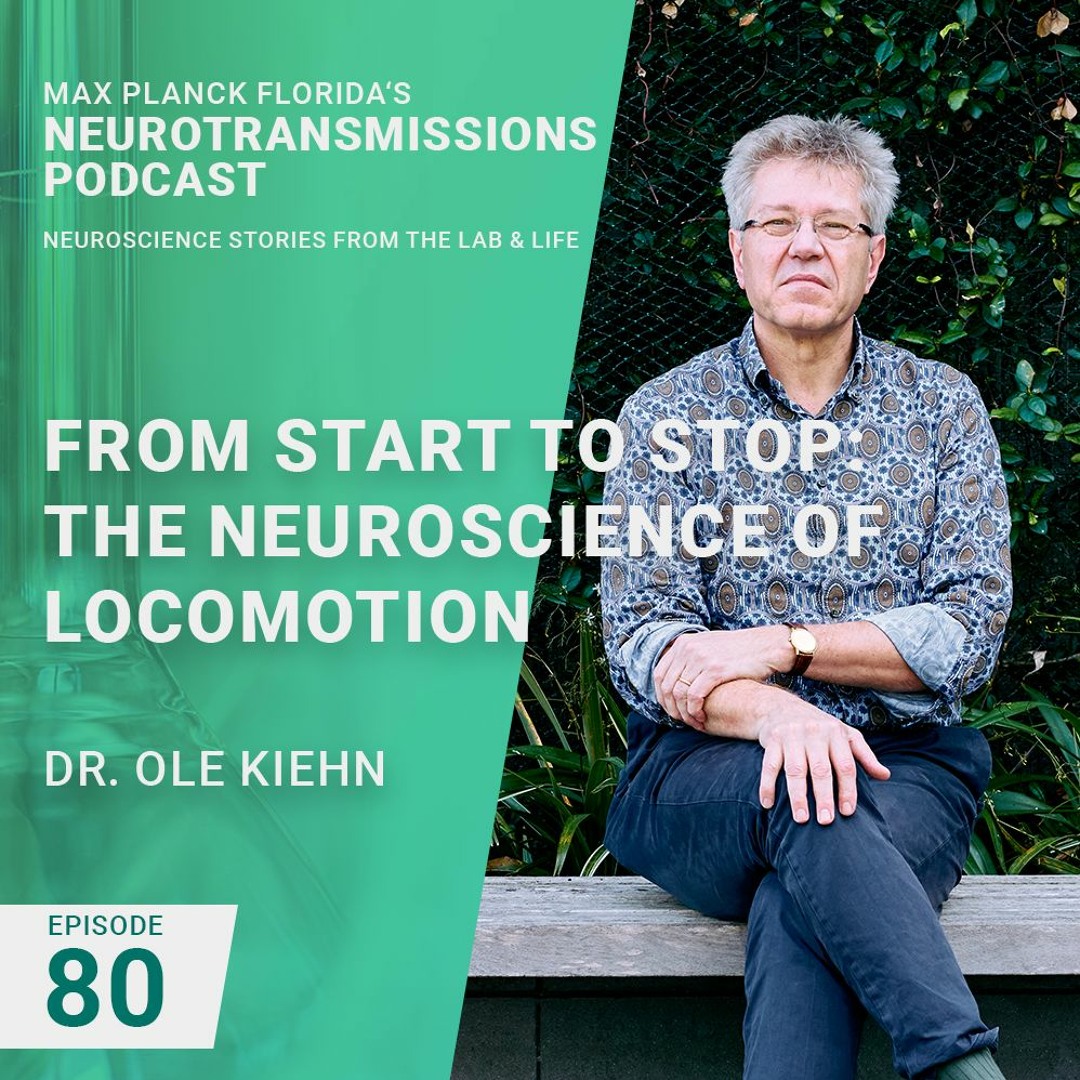
As the sole Max Planck institute located in the United States, MPFI specializes in cellular-resolution imaging of neural circuit structure and function. Research programs focus on developing optical tools, high-speed two-photon and three-photon microscopy, and fluorescent biosensors to observe signal transduction within individual dendritic spines during animal behavior.
6. Complementary Neuroscience Research Centers
Neuroscience divisions also operate within broader bio-medical Max Planck institutes:
- Max Planck Institute for Metabolism Research (Cologne): Focuses on central nervous system control of energy balance, hunger circuits, and hypothalamic neuroendocrine signaling.
- Max Planck Institute for Multidisciplinary Sciences (Göttingen): Conducts biophysical and molecular investigations into synaptic vesicle exocytosis, neurotransmitter release dynamics, and high-resolution optical microscopy (STED).
Core Scientific Domains and Methodological Innovations
Max Planck neuroscience laboratories avoid rigid discipline boundaries, combining physical, biological, computational, and clinical techniques.
| Research Domain | Description / Focus Areas |
|---|---|
| 1. MOLECULAR & SYNAPTIC | RNA translation at dendrites, channel biophysics, neurotransmitter release machinery (STED imaging). |
| 2. CIRCUITS & SYSTEMS | Population vector coding, two-photon in vivo imaging, automated connectomics (Serial Block-Face SEM). |
| 3. COMPUTATIONAL NEURO | Neural manifold dynamics, predictive coding theory, high-dimensional statistical physics of networks. |
| 4. HUMAN COGNITION | Language syntax, social empathy, spatial mapping, ultra-high-field (7T/9.4T) structural/functional MRI. |
Molecular and Cellular Neurobiology
Research teams investigate the structural chemistry of ion channels, G-protein coupled receptors (GPCRs), and synaptic active zones. Using cryo-electron microscopy (cryo-EM) and Stimulated Emission Depletion (STED) super-resolution microscopy, researchers map molecular complexes at nanometer resolution. They study localized mRNA translation in neuronal dendrites to uncover how synapses alter their molecular composition independently of the cell soma.
Systems and Computational Neuroscience
Systems laboratories record from hundreds to thousands of individual neurons simultaneously in awake, performing animals using high-density silicon probes (e.g., Neuropixels) and volumetric functional calcium imaging.
Computational units build mathematical models of neural manifolds, dynamical systems, and predictive processing algorithms. These models test hypotheses on how population vector codes represent sensory stimuli, motor trajectories, and cognitive maps.
Connectomics and Structural Neuroanatomy
Using automated serial block-face scanning electron microscopy (SBEM) and focused ion beam SEM (FIB-SEM), Max Planck researchers reconstruct full serial ultrastructural maps of neural tissue. Connectomic datasets allow researchers to trace every axon, dendrite, and synaptic contact within neuronal volumes, creating comprehensive wiring diagrams of cortical, retinal, and subcortical microcircuits.
Human Cognitive Neuroimaging
Human-focused units use quantitative MRI (qMRI) to characterize cortical microstructures in vivo, measuring myelination, iron deposition, and cortical thickness across development and disease states. High-temporal-resolution MEG and high-density EEG track millisecond-level cortical network synchronization during language comprehension, auditory processing, and visual attention.
Graduate Education: International Max Planck Research Schools (IMPRS)
Doctoral education within the Max Planck Society is organized primarily through International Max Planck Research Schools (IMPRS). These structured PhD programs are run jointly by Max Planck Institutes and affiliated local research universities.
IMPRS Doctoral Training Architecture (3 to 4 Years):
- Year 1: Lab Rotations / Core Curriculum / Thesis Committee Formation
- Year 2: Advanced Methodological Workshops & Independent Research
- Year 3: Data Collection, International Conferences & First-Author Publications
- Year 4: Thesis Writing, University Dissertation Defense & Postdoc Transition
Key Neuroscience IMPRS Programs
IMPRS for Neural Circuits (Frankfurt am Main)
Partnering with Goethe University Frankfurt, this program provides interdisciplinary training in circuit reconstruction, electrophysiology, optogenetics, and theoretical modeling.
IMPRS for Brain and Behavior (Bonn)
Operated by the MPI for Neurobiology of Behavior (caesar) alongside the University of Bonn, this track focuses on neuroethology, advanced optical imaging, and sensorimotor transformation mechanisms.
IMPRS for Neurosciences (Göttingen)
Run in partnership with the University of Göttingen, the University Medical Center Göttingen, and the German Primate Center, this long-standing program offers combined MSc/PhD and PhD tracks covering molecular, cellular, and clinical neuroscience.
IMPRS on Cognitive Neuroimaging (Leipzig)
Offered in collaboration with Leipzig University, this school trains doctoral candidates in cognitive psychology, high-field magnetic resonance imaging, MEG biophysics, and computational neuroimaging analysis.
IMPRS for Biological Intelligence (Munich/Martinsried)
Connected with Ludwig-Maximilians-Universität München (LMU) and Technical University of Munich (TUM), this program combines neurobiology, behavioral ecology, organismal biology, and evolutionary genetics.
Funding and Administrative Structure for Doctoral Candidates
- Working Language: English is the universal administrative, instructional, and scientific language across all neuroscience IMPRS programs.
- Funding Security: Doctoral candidates receive fully funded work contracts (typically based on the German public sector pay scale TV-L E13, 65% to 75% positions) or equivalent doctoral fellowships. Positions are guaranteed for 3 to 4 years.
- Tuition: German public universities do not charge tuition fees for doctoral study, requiring only a nominal administrative semester fee (typically €250–€400) that includes local public transportation access.
- Degree Conferral: IMPRS programs provide structured curricular supervision, but the final academic doctoral degree (Dr. rer. nat., Dr. med., or Ph.D.) is formally conferred by the partner university.
Comparison of Leading Max Planck Neuroscience Centers
The following table summarizes the primary research areas, locations, educational links, and key experimental methods across major Max Planck neuroscience centers:
| Institute Name | Location | Primary Research Focus | Associated IMPRS Program | Key Experimental Methodologies |
|---|---|---|---|---|
| MPI for Brain Research | Frankfurt am Main, Germany | Neural circuits, synaptic proteomes, connectomics | IMPRS for Neural Circuits | Serial block-face SEM, local translation assays, high-density multielectrode arrays |
| MPI for Biological Intelligence | Martinsried & Seewiesen, Germany | Evolutionary neurobiology, visual & auditory processing | IMPRS for Biological Intelligence | Optogenetics, functional calcium imaging, micro-CT, behavioral field tracking |
| MPI for Neurobiology of Behavior (caesar) | Bonn, Germany | Neuroethology, cellular mechanics of natural behavior | IMPRS for Brain and Behavior | Miniature head-mounted microscopes, automated animal tracking, patch-clamp |
| MPI for Human Cognitive and Brain Sciences | Leipzig, Germany | Human language, executive function, cognitive plasticities | IMPRS on Cognitive Neuroimaging | 7T & 9.4T fMRI, MEG, EEG, Transcranial Magnetic Stimulation (TMS), qMRI |
| Max Planck Florida Institute for Neuroscience | Jupiter, Florida, USA | Sub-cellular imaging, dendritic spine plasticity | MPFI Integrative PhD Program (with FAU) | Two-photon/three-photon microscopy, custom biosensors, electrophysiology |
| MPI for Metabolism Research | Cologne, Germany | Hypothalamic circuits, central control of metabolism | IMPRS for Ageing / Local Partner Tracks | Fiber photometry, optogenetic circuit tracing, metabolic profiling, Cre-Lox genetics |
Postdoctoral Research and Group Leadership Pathways
The Max Planck Society recruits international postdoctoral researchers and independent team leaders through several entry points.
Postdoctoral & Leadership Positions:
- Postdoctoral Researcher (Direct PI recruitment/ Fellowships)
- Independent Research Group Leader (Max Planck Research Group / W2 Professorship equivalent)
- Department Director (Lifetime appointment, W3 equivalent)
Postdoctoral Appointments
Postdoctoral fellows join specific laboratories by applying directly to Department Directors or Research Group Leaders. Funding comes from departmental budgets or competitive international fellowships (e.g., Alexander von Humboldt Foundation, European Molecular Biology Organization [EMBO], Human Frontier Science Program [HFSP], Marie Skłodowska-Curie Actions).
Postdoctoral researchers gain access to shared institute core facilities, including:
- Advanced light microscopy suites
- Scientific computing clusters for high-performance data processing
- Viral vector production core laboratories
- Transgenic animal breeding facilities
Max Planck Research Group Leaders (W2 Level)
The Max Planck Society regularly advertises open-topic and thematic positions for Max Planck Research Group Leaders.
These highly competitive appointments are equivalent to an Associate Professorship (W2 level on the German academic salary scale). They include:
- Independent research budgets for personnel, consumables, and equipment
- Dedicated laboratory space inside a host Max Planck Institute
- A renewable 5-year tenure (often extendable to 7–9 years)
- Complete scientific autonomy from institute directors
Otto Hahn Groups
Early-career scientists who demonstrate exceptional promise during their PhD or early postdoc may receive the Otto Hahn Medal and subsequent leadership of an Otto Hahn Group. This award provides funding to lead a small research team at a chosen Max Planck Institute following post-doctoral experience abroad.
Step-by-Step Guide: How to Apply for Positions
For Doctoral Candidates (IMPRS Application Process)
- Review Program Cycles: IMPRS programs recruit annually. Application portals open between September and November for entry in the following academic year (usually starting September/October).
- Verify Academic Eligibility: Applicants must hold (or be about to complete) a Master’s degree (M.Sc.) or an equivalent 4/5-year university degree in neuroscience, biology, physics, computer science, psychology, biomedical engineering, or related quantitative disciplines. Direct entry from a 3-year Bachelor's degree is rare and requires exceptional academic standing via fast-track provisions.
- Assemble Required Materials: Prepare academic transcripts, a CV, a statement of research interest specifying preferred laboratories, proof of English language proficiency (TOEFL/IELTS, if applicable), and contact details for 2–3 academic references.
- Complete Selection Interviews: Shortlisted applicants attend multi-stage remote interviews, followed by an onsite panel interview week in Germany. Candidates present previous research work, complete individual faculty interviews, and tour host laboratories.
- Accept Offer and Onboard: Successful candidates receive a formal research contract offer. Institute International Offices assist non-EU citizens with visa acquisition, health insurance, and local registration.
Doctoral Admission Timeline:
- Sept - Nov: Online Application Open
- Dec - Jan: Document Review & Shortlisting
- Feb - Mar: Panel Presentations, Lab Visits & Interviews
- April: Formal Offers Issued
- Sept - Oct: Visa Arrival, Enrollment & Lab Rotations/Start
For Postdoctoral Scientists
- Direct Outreach: Identify target laboratories based on published research literature. Send a tailored cover letter explaining proposed research questions, a CV, and key preprints/publications directly to the Principal Investigator (PI).
- Centralized Job Portals: Monitor the official Max Planck Society Job Board (Stellenangebote) and specialized scientific employment platforms (Nature Careers, Science Careers) for advertised postdoctoral vacancies.
- Fellowship Applications: Secure independent funding by partnering with a Max Planck host PI to submit proposals to the Alexander von Humboldt Foundation or the European Research Council (ERC Postdoctoral Fellowships).
Frequently Asked Questions (FAQs)
What language is spoken in Max Planck neuroscience research institutes?
The primary language of scientific communication, seminars, administrative documentation, and coursework across all Max Planck neuroscience institutes is English. German language proficiency is not required for scientific work, though institutes offer subsidized German courses to help researchers integrate into daily life.
How are PhD positions funded at Max Planck neuroscience institutes?
Doctoral candidates are provided with standard employment contracts under the German public service framework (TV-L E13, typically 65% to 75%) or equivalent tax-free doctoral fellowships. These positions provide competitive living allowances, complete health insurance coverage, social security contributions, and funding for conference travel and research materials.
Can non-EU citizens apply for IMPRS neuroscience programs?
Yes. IMPRS programs actively recruit internationally, and a significant portion of doctoral candidates originate from non-EU countries. Institute International Offices support admitted students with visa processing, residence permits, tax documentation, and housing search logistics.
What is the institutional difference between a Max Planck Institute and a German University?
Max Planck Institutes are non-university research institutions focused primarily on fundamental research. They do not have undergraduate teaching duties or formal degree-conferring authority.
To grant formal academic degrees (such as a Ph.D. or Dr. rer. nat.), Max Planck Institutes partner with public universities via IMPRS frameworks. University faculty sit on thesis committees, and the partner university issues the final diploma.
Do Max Planck Institutes offer undergraduate or master's research internships?
Yes. Many Max Planck Neuroscience Institutes offer structured summer internship programs (e.g., the Max Planck Florida Summer Research Internship or local institute summer schools) and host external Master’s students completing their 6-to-12-month master's thesis research (Masterarbeit). Applicants should contact PIs directly or check institute fellowship announcements.
Actionable Recommendations for Prospective Applicants
- Target Specific Laboratories, Not Just Institutes: Max Planck departments operate with substantial scientific autonomy. When applying for IMPRS doctoral programs or postdoctoral slots, identify specific Principal Investigators whose experimental toolkits aligned with your background. Cite their recent preprints or peer-reviewed publications directly in your application essays.
- Highlight Quantitative Skills: Modern neuroscience at the Max Planck Society relies heavily on data analysis, machine learning, computer vision, and computational modeling. Demonstrating proficiency in Python, MATLAB, C++, image analysis pipelines, or electrophysiology analysis scripts gives applicants a distinct competitive advantage across all sub-fields.
- Plan Application Schedules 9 to 12 Months Ahead: International recruitment cycles, visa issuance, and relocation logistics require early preparation. Applicants seeking entrance for autumn doctoral programs must submit applications during the previous autumn/winter recruitment cycle.
Image Gallery