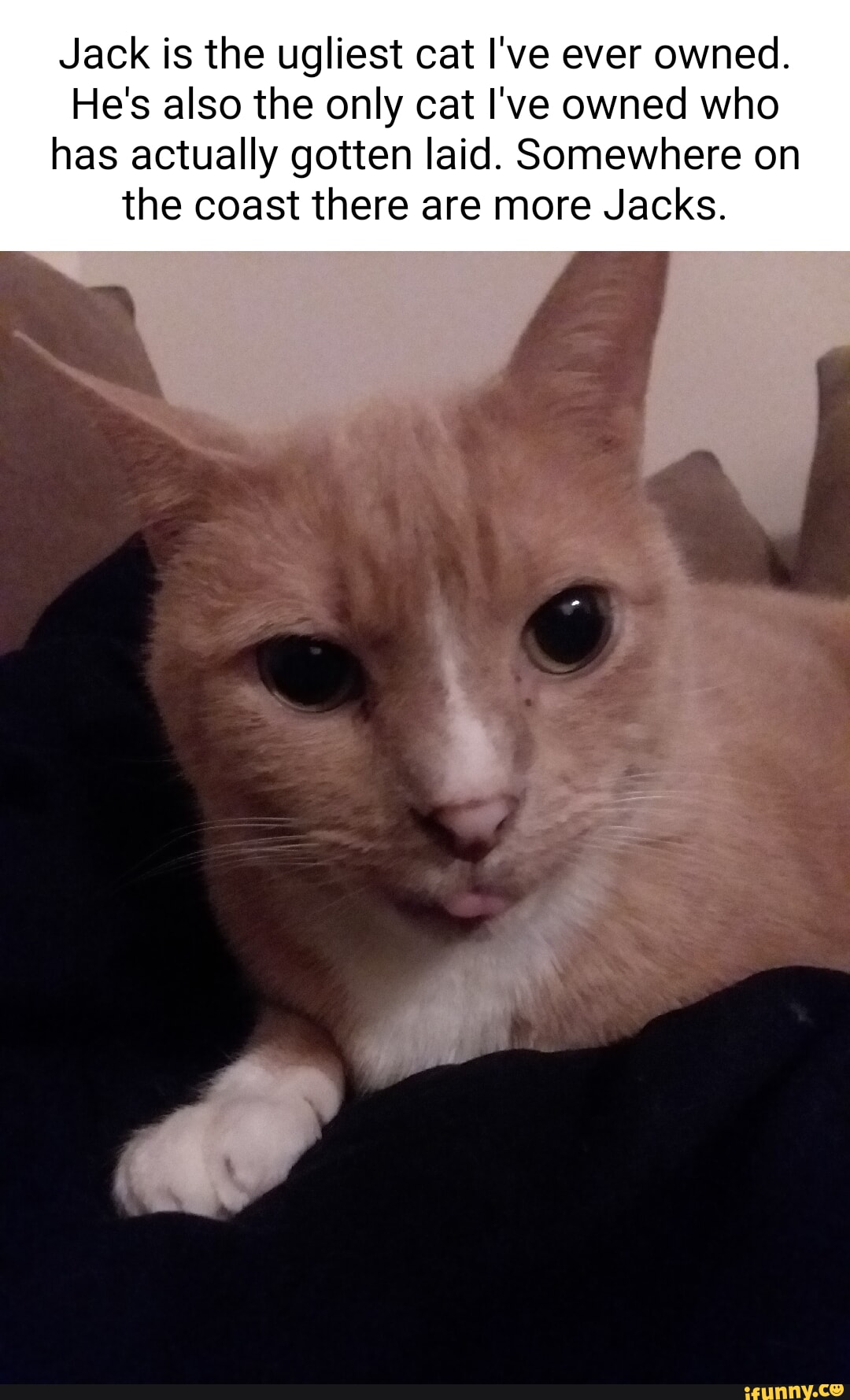
Why the Ugliest Cat Is a Subject of Debate: Perception, Breeds, and Ethics
Determining the ugliest cat is a subject of debate because aesthetic perception in felines is deeply subjective, balancing social media fascination with "ugly-cute" traits against formal breed standards and serious animal welfare conce...
Determining the ugliest cat is a subject of debate because aesthetic perception in felines is deeply subjective, balancing social media fascination with "ugly-cute" traits against formal breed standards and serious animal welfare concerns. Distinctive breeds like the Sphynx, Lykoi, and Peke-faced Persian spark continuous discussion, while famous individual rescue cats demonstrate that unconventional physical traits frequently generate widespread affection rather than universal disapproval.
Contents
The Psychology of Feline Aesthetics: Understanding "Ugly-Cute"
The debate surrounding unconventional feline appearance relies heavily on visual psychology. While human preference traditionally favors symmetrical features, large eyes, and soft, plush coats—hallmarks of the classical "cute" aesthetic defined by ethologist Konrad Lorenz as Kindchenschema (baby schema)—unconventional cats evoke a completely different psychological reaction.
In contemporary culture, particularly within digital media, the concept of "ugly-cute" (often referred to in Japan as kimo-kawaii) has redefined public perception. Features that might initially appear startling, such as prominent wrinkles, hairlessness, asymmetrical faces, or exaggerated facial structures, often trigger protective, nurturing responses in humans.
This psychological shift occurs because unconventional features give felines distinct personalities in the eyes of observers. Rather than perceiving a hairless or flat-faced cat as visually unpleasant, many people view these physical quirks as endearing markers of individuality. Consequently, what one observer labels as the "ugliest cat" often becomes another's cherished ideal, making a universal consensus impossible to achieve.
Famous Contenders: Historic Felines in the Public Eye
Throughout internet history and local folklore, several individual cats have held the informal title of "world's ugliest cat." Examining these famous cases reveals that public interest in visually unique felines is rarely rooted in mockery; instead, it centers on resilience, care, and fascination.
| Historic Unconventional Feline | Description / Details |
|---|---|
| Ugly Bat Boy (Exeter, New Hampshire) | - Resided at Exeter Veterinary Hospital- Characterized by hairlessness with a dramatic neck ruff- Achieved global media attention for his gentle temperament |
| Chase the No-Face Cat (Cheyenne, Wyoming) | - Survived a severe early-life accident resulting in facial disfigurement- Served as an educational icon for animal trauma recovery- Demonstrated public empathy for disfigured rescue animals |
Ugly Bat Boy
One of the most widely cited figures in this debate was Ugly Bat Boy, a cat who lived at the Exeter Veterinary Hospital in Exeter, New Hampshire. Ugly Bat Boy possessed an unusually sparse coat, missing hair across most of his body except for a thick, dark ruff surrounding his neck. Despite his startling appearance, which frequently drew comparisons to gargoyles or mythical creatures, his calm demeanor made him an international celebrity. Visitors and media outlets routinely traveled to New Hampshire not to gawk, but to observe a cat whose unusual features masked a gentle, affectionate personality.
Chase the No-Face Cat
Another prominent feline in discussions of extreme physical appearance was Chase the No-Face Cat, a rescue feline from Cheyenne, Wyoming. Unlike cats born with rare genetic traits, Chase suffered extensive facial injuries after being struck by a car as a kitten. The accident left her without eyelids, skin on her face, or a standard nasal structure. Under the care of a dedicated veterinary assistant, Chase lived a comfortable life, becoming a viral ambassador for special-needs pets. Her story shifted the public debate from superficial aesthetics to compassion, demonstrating how facial differences in felines inspire devotion rather than revulsion.
Feline Breeds Commonly Drawn Into the Aesthetic Debate
While individual rescue cats often gain notoriety through accidental circumstances or injuries, specific recognized cat breeds are regularly categorized as "ugly" due to deliberately bred genetic mutations or natural evolutionary variations.
- Unconventional Feline Aesthetics
- Hairless / Partial
- Sphynx
- Peterbald
- Lykoi (Werewolf Cat)
- Facial Structure
- Peke-faced Persian
- Exotic Shorthair
- Hairless / Partial
1. The Sphynx
Originating in Canada in the 1960s from a natural genetic mutation, the Sphynx is the quintessential hairless cat. Characterized by wrinkled skin, large bat-like ears, lemon-shaped eyes, and a pot-bellied silhouette, the Sphynx challenges traditional expectations of feline elegance. Critics describe their skin texture—resembling warm suede or a peach—as alien or unappealing. However, enthusiasts praise the breed for its exceptionally social, energetic, and affectionate temperament.
2. The Lykoi ("Werewolf Cat")
First identified in the early 2010s, the Lykoi possesses a distinct roan pattern combined with sparse hair coverage, particularly around the eyes, nose, muzzle, and ears. This partial hairlessness gives the cat an unkempt, wolf-like appearance. The mutation affects hair follicles, preventing the coat from developing an undercoat. While some observers view the Lykoi's patchy fur and exposed pink skin as sickly or unpolished, cat fanciers value the breed for its wild aesthetic and hunting instincts.
3. The Peterbald
Developed in Russia during the mid-1990s through experimental crosses between the Don Sphynx and Oriental Shorthair, the Peterbald features an elongated body, wedge-shaped head, large set-apart ears, and variable coat textures ranging from completely hairless to a coarse "brush" coat. Their extremely long legs and narrow faces give them a stylized, skeletal look that frequently divides public opinion.
4. The Peke-Faced Persian
Unlike hairless breeds, the Peke-faced Persian sparks debate due to extreme skeletal structure. Named for its visual similarity to the Pekingese dog breed, this variant displays severe brachycephaly—an extremely flat face, recessed nose bridge, deep facial folds, and protruding eyes. While traditional Persian breeders intended to produce a rounded facial profile, extreme lines resulted in a sunken appearance that many view as structurally distorted.
Structural and Genetic Comparison of Unconventional Breeds
To understand why these breeds feature so prominently in aesthetic and ethical debates, it is essential to compare their genetic origins, physical traits, and associated care considerations.
| Breed Name | Primary Mutation / Trait | Origin Period | Skin & Coat Characteristics | Primary Care Focus | Public Aesthetic Perception |
|---|---|---|---|---|---|
| Sphynx | Recessive keratin mutation (hr gene) | 1960s (Canada) | Fine down coat; smooth, wrinkled skin | Weekly bathing; temperature management | Highly polarizing; perceived as alien or charming |
| Lykoi | Natural somatic coat hairlessness mutation | 2010s (United States) | Roan pattern; missing undercoat; facial mask | Sun protection; skin oil monitoring | Viewed as mysterious, unkempt, or wolf-like |
| Peterbald | Dominant hair-loss mutation (Pd gene) | 1990s (Russia) | Varies from flock/velour to totally hairless | Skin cleansing; protection from scratches | Described as sleek, skeletal, or exaggerated |
| Peke-Faced Persian | Extreme brachycephalic skull alteration | 1930s–1950s (United States) | Dense, double long coat over flat facial structure | Daily eye wiping; facial fold hygiene | Seen as expressive by fans; deformed by critics |
| Cornish Rex | Recessive curly coat mutation (r gene) | 1950s (United Kingdom) | Short, egg-crate crimped fur; arched back | Ear canal cleaning; low cold tolerance | Perceived as greyhound-like, fine-boned, or odd |
Selective Breeding vs. Animal Welfare: The Ethics of Appearance
The debate over the "ugliest cat" extends far beyond subjective visual taste; it intersects directly with veterinary medicine and animal welfare ethics. When selective breeding prioritizes exaggerated visual traits over biological function, aesthetic debate transitions into medical concern.
| Brachycephalic Traits | Hairlessness Mutations |
|---|---|
| Respiratory Constriction | Inability to Thermoregulate |
| Excessive Tear Ducts (Epiphora) | Sebum Build-up & Dermatitis |
| Severe Dental Malocclusion | Vulnerability to UV Radiation & Sunburn |
Brachycephaly and Respiratory Compromise
Extremely flat-faced cats, such as hyper-typed Persians and Exotic Shorthairs, face significant health risks associated with Brachycephalic Ocular Obstructive Syndrome (BOOS) and upper airway restrictions.
- Shortened nasal bones restrict airflow, forcing animals to breathe through narrowed nostrils and elongated soft palates.
- Shallow eye sockets leave the eyes exposed, increasing the risk of corneal ulcers, chronic tearing (epiphora), and infection.
- Compressed jaws lead to severe dental crowding and misaligned bites, impeding normal eating habits.
Veterinary organizations, including the British Small Animal Veterinary Association (BSAVA) and the International Cat Care foundation, have raised serious concerns regarding the deliberate propagation of extreme physical features that compromise an animal's basic physiological well-being.
Dermatology and Thermoregulation in Hairless Breeds
Hairless breeds present distinct health challenges. Fur serves vital physiological functions in cats: protecting the skin from ultraviolet radiation, preventing moisture loss, insulating against ambient temperature changes, and providing tactile sensory feedback through whiskers (vibrissae).
- Sebum Build-Up: Without hair to absorb natural skin oils, hairless cats develop oily residues that collect in skin folds and nail beds, creating prime environments for bacterial and fungal dermatitis.
- Thermoregulation: Hairless felines expend significantly higher metabolic energy to maintain baseline body temperature, requiring higher caloric intake and carefully monitored indoor climate controls.
- Sun Damage: Exposed skin remains susceptible to sunburn and long-term risk of squamous cell carcinoma if exposed to direct sunlight.
Cat Fancier Associations vs. Public Opinion
A major reason the "ugliest cat" remains a subject of ongoing debate is the disparity between formal breed standards established by cat registries and the casual observations of the general public.
Organizations such as the Cat Fanciers' Association (CFA) and The International Cat Association (TICA) evaluate cats using detailed point systems based on anatomical balance, coat quality, head shape, and eye placement. A Sphynx or Peterbald that a casual observer might deem "ugly" may, in fact, be an outstanding specimen under professional show standards.
| Show Bench Standards (CFA / TICA) | Public Perception |
|---|---|
| Adherence to written breed standard | Initial emotional/visual impact |
| Bone structure, ear set, alignment | Presence or absence of fur |
| Genetic health & coat texture rules | Facial symmetry & soft features |
| Muscular tone & body proportion | Resemblance to traditional cats |
Over time, registry standards have evolved to discourage extreme, harmful mutations. Many registries updated their judges' guidelines to penalize extreme structural defects—such as nostrils so constricted that normal breathing is impossible—shifting official breeding goals away from harmful extremes while preserving distinctive breed silhouettes.
Essential Care Protocols for Unconventionally Formed Cats
Prospective owners attracted to uniquely styled or rescue cats with physical disfigurements must understand that these animals frequently demand specialized, labor-intensive maintenance routines.
Routine Hygiene for Hairless and Wrinkled Breeds
- Regular Bathing: Hairless cats require gentle bathing every 1 to 3 weeks using warm water and fragrance-free, pH-balanced feline shampoos to remove accumulating sebum. Over-bathing must be avoided, as it strips the skin and triggers hyper-secretion of oils.
- Ear Canal Care: Hairless breeds lack protective ear hair, leading to rapid accumulation of dark earwax and dust. Weekly cleaning using veterinary-approved ear cleansers and cotton balls (never cotton swabs deep in the canal) is mandatory.
- Nail Bed Maintenance: Sebum collects heavily around the claw sheaths. Wipe nail beds during routine grooming to prevent chronic paronychia (nail bed inflammation).
Special Care for Brachycephalic (Flat-Faced) Breeds
- Facial Fold Cleansing: Clean skin folds around the nose and under the eyes daily using damp, sterile gauze pads to clear accumulated tear secretions, dried food, and debris.
- Eye Moisture and Health Monitoring: Monitor exposed eyes for redness, excessive tearing, or cloudy patches. Apply veterinary-prescribed lubricant drops if tearing is deficient due to lid malformation.
- Temperature Control: Maintain stable indoor temperatures. Brachycephalic cats struggle to cool themselves through panting during hot weather, making them particularly vulnerable to heatstroke.
Frequently Asked Questions
Why do hairless cats look wrinkled and pink?
Hairless cats possess the same skin folds and pigmentation as furred cats, but their lack of a dense coat leaves these underlying features completely exposed. Their pink hue comes from blood vessels visible beneath thin epidermis, particularly in lighter-pigmented individuals. Wrinkles are natural skin folds that allow flexibility during movement; in furred cats, these folds are hidden by hair.
Is it cruel to breed hairless or flat-faced cats?
The ethics of breeding hairless or flat-faced cats depends heavily on the severity of the genetic traits being selected. Breeding for extreme brachycephaly that impairs breathing or causes eye disease is widely criticized by veterinary professionals as harmful. Conversely, responsible breeding of healthy hairless cats (like the Sphynx) that focuses on robust genetics, clear airways, and sound skin health can produce comfortable, high-quality lives, provided owners maintain appropriate shelter and hygienic care.
Are hairless cats completely hypoallergenic?
No, hairless cats are not completely hypoallergenic. The primary feline allergen is a protein called Fel d 1, which is secreted in a cat’s saliva, sebaceous glands, and urine—not produced by the fur itself. While hairless cats do not shed allergen-laden fur around the home, they still produce saliva and skin oils containing Fel d 1, which can trigger reactions in sensitive individuals.
What causes a cat to be born with a "werewolf" look like the Lykoi?
The distinct appearance of the Lykoi is caused by a naturally occurring recessive genetic mutation that affects hair follicle development. The mutation prevents the skin from forming a complete undercoat and causes some hair follicles to lack the structural components needed to produce or maintain hair shafts. This results in patchy fur, a bare facial mask, and a unique roan pattern.
How do I know if an unusual-looking rescue cat needs specialized medical care?
Any rescue cat displaying distinct physical anomalies—such as missing eyelids, noisy/labored breathing, chronic facial discharge, asymmetrical jaw alignment, or patchy hair loss—should undergo a thorough evaluation by a licensed veterinarian. A professional can diagnose whether the appearance stems from a genetic condition, prior physical trauma, an active dermatological infection, or underlying systemic disease requiring medical management.
Final Guidance: Evaluating Unconventional Cats
When evaluating why the ugliest cat is a subject of debate, it becomes clear that "ugliness" in felines is an arbitrary label shaped by human perception, cultural trends, and media exposure. Features once considered unappealing are now celebrated by enthusiastic global communities.
For those considering adopting or caring for a cat with unusual physical characteristics, prioritize biological function over aesthetic novelty:
- Focus on the cat's quality of life, comfort, and physiological health rather than its visual appearance.
- Partner with an experienced veterinarian to establish tailored skin, eye, or respiratory care routines.
- Support breeding practices and adoption networks that emphasize anatomical health, genetic diversity, and animal well-being over extreme physical traits.
Image Gallery