Best Cheap Teeth Whitening Kits for Budget-Savvy Smiles in 2026
Achieving a professional-level bright smile in 2026 no longer requires a massive financial investment at a dental office. For budget-savvy consumers, the most effective and affordable options include high-adhesion whitening strips, sta...
Achieving a professional-level bright smile in 2026 no longer requires a massive financial investment at a dental office. For budget-savvy consumers, the most effective and affordable options include high-adhesion whitening strips, stabilized hydrogen peroxide pens, and entry-level LED accelerator kits, typically ranging from $20 to $50 for a full treatment cycle.
Contents
The Evolution of Affordable Teeth Whitening in 2026
The landscape of oral care has shifted significantly. While professional in-office treatments remain the gold standard for speed, the chemical formulations found in over-the-counter (OTC) products have reached a level of stability and efficacy that rivals clinical results from a decade ago. For the budget-conscious individual, the focus is on maximizing the "cost-per-shade" improvement.
In 2026, the primary active ingredients remain hydrogen peroxide and carbamide peroxide. However, the delivery systems—the materials used to keep these chemicals against the teeth—have become more efficient. This efficiency means that cheaper kits can use lower concentrations of active ingredients to achieve the same results, reducing both the price and the likelihood of tooth sensitivity.
Understanding the Ingredients: What Makes a Kit Effective?
Before purchasing the cheapest option on the shelf, it is essential to understand what is actually inside the box. A kit's price point is often determined by the concentration of the whitening agent and the complexity of the application tool.
Hydrogen Peroxide vs. Carbamide Peroxide
Most budget-friendly kits use one of these two bleaching agents. Hydrogen peroxide is a fast-acting whitener that breaks down quickly, making it ideal for short wear times (15 to 30 minutes). Carbamide peroxide, which contains hydrogen peroxide at a ratio of about 1:3, breaks down more slowly. It is often found in budget "nighttime" kits or gel-and-tray systems because it is more stable over several hours.
Desensitizing Agents
In 2026, even many "budget" kits include potassium nitrate or sodium fluoride. These ingredients help block the pain signals from the tooth's surface to the nerve. If you are prone to sensitivity, looking for these ingredients in a cheap kit can save you the additional cost of buying specialized sensitivity toothpaste later.
Top Categories for Budget-Friendly Whitening
When searching for the best value, four distinct categories of whitening products offer the highest return on investment.
1. High-Adhesion Whitening Strips
Whitening strips remain the most popular budget choice because they require no additional equipment. Modern 2026 formulations use "dry-grip" technology, ensuring the strip stays in place even if you talk or drink water.
- Best For: Individuals looking for a no-mess, portable solution.
- Price Range: $25–$45 for a 14-day supply.
2. Whitening Pens and Paint-On Gels
Whitening pens are the most affordable entry point into teeth bleaching. They allow for precision application, which is particularly useful for people with crowded or crooked teeth where strips might not reach every surface.
- Best For: Touch-ups and targeting specific stained teeth.
- Price Range: $15–$25.
3. LED Accelerator Kits (Entry Level)
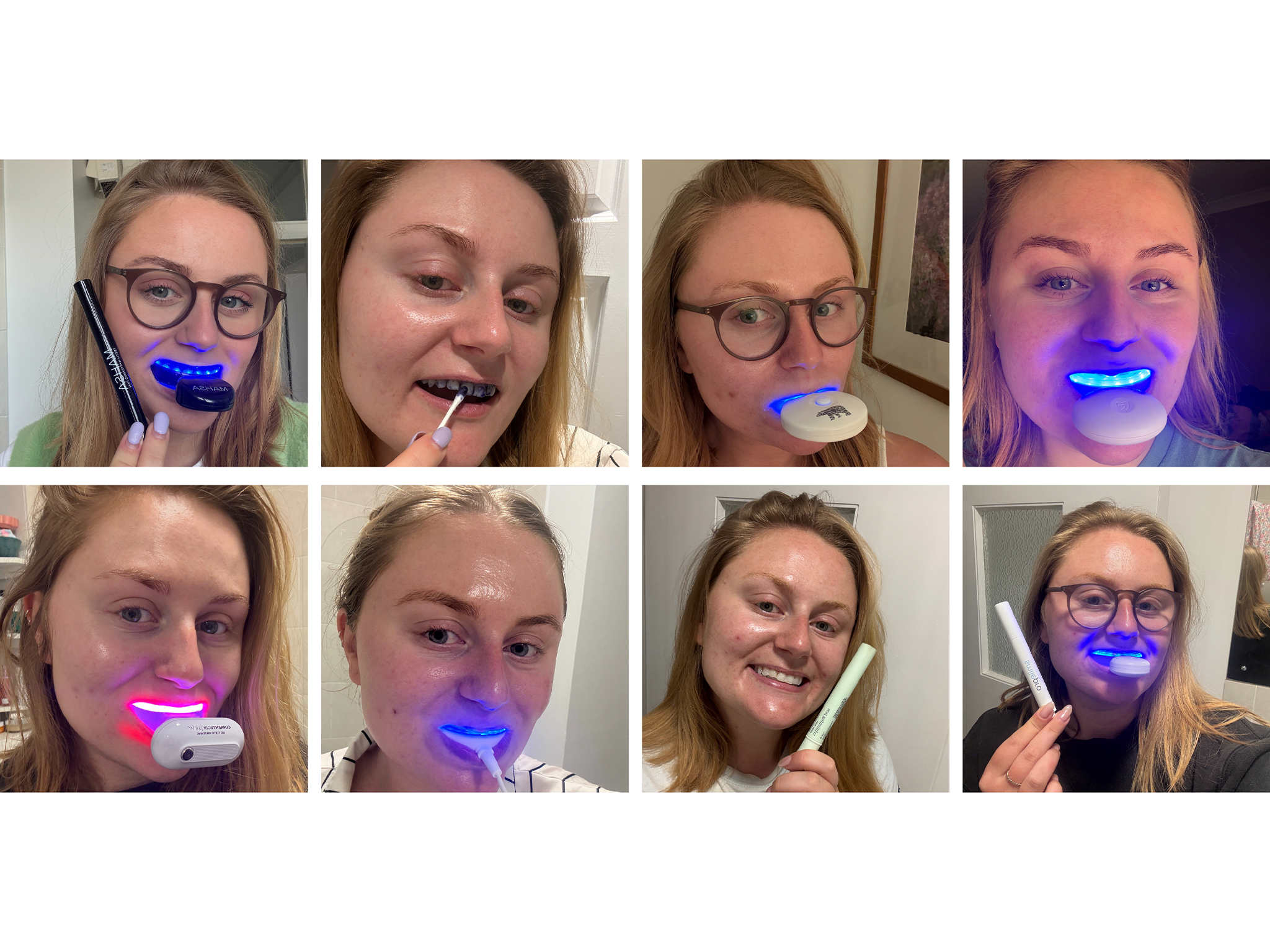
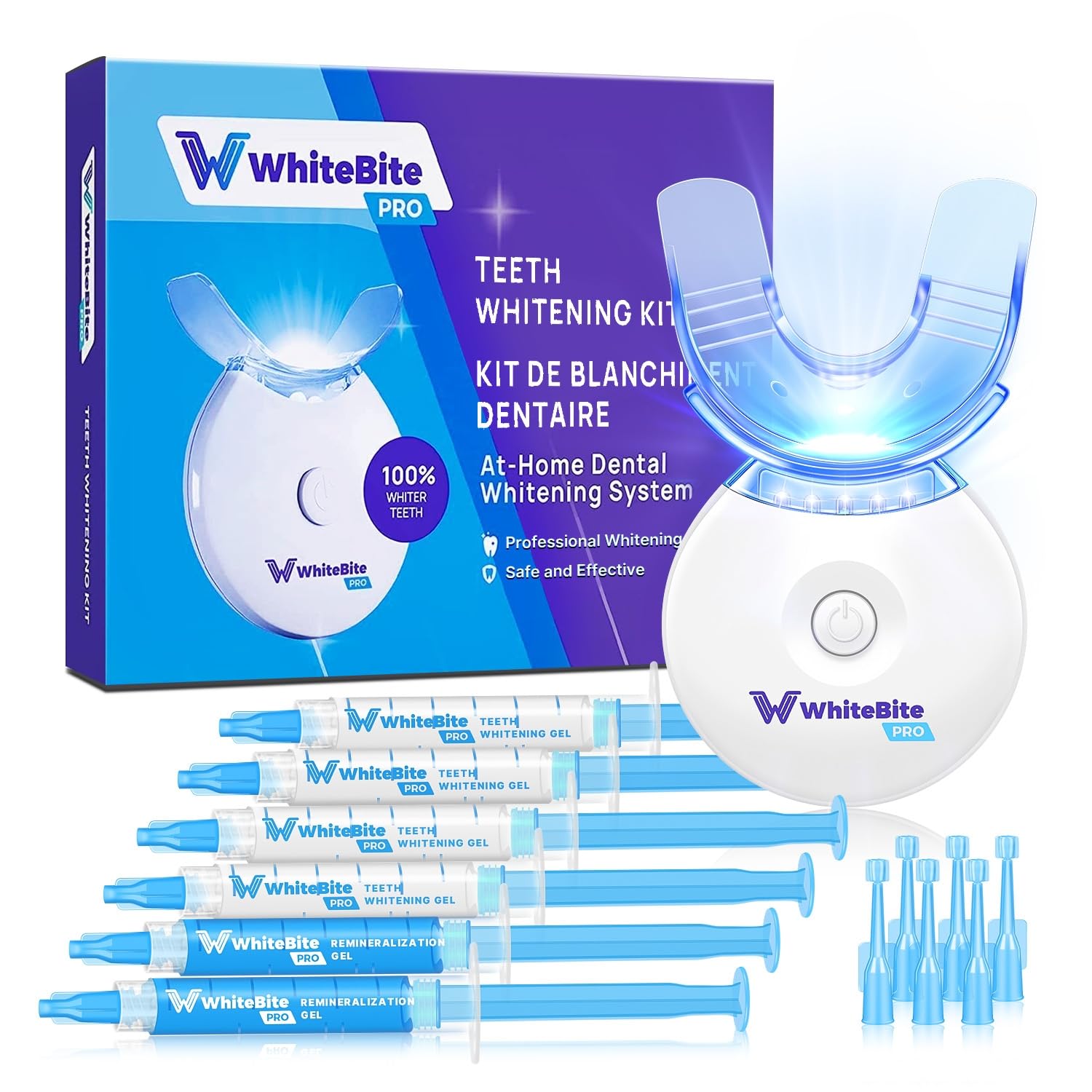
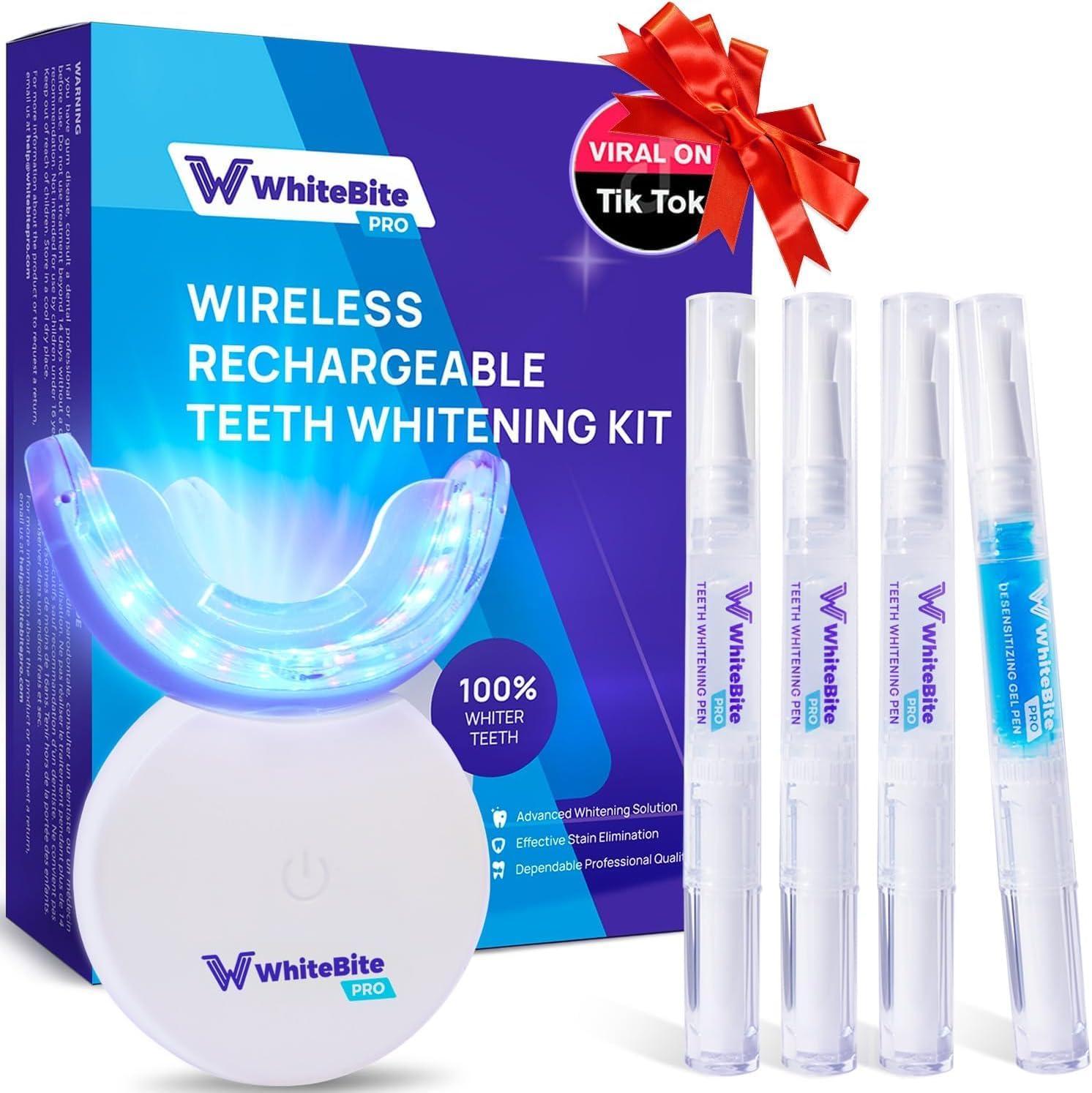
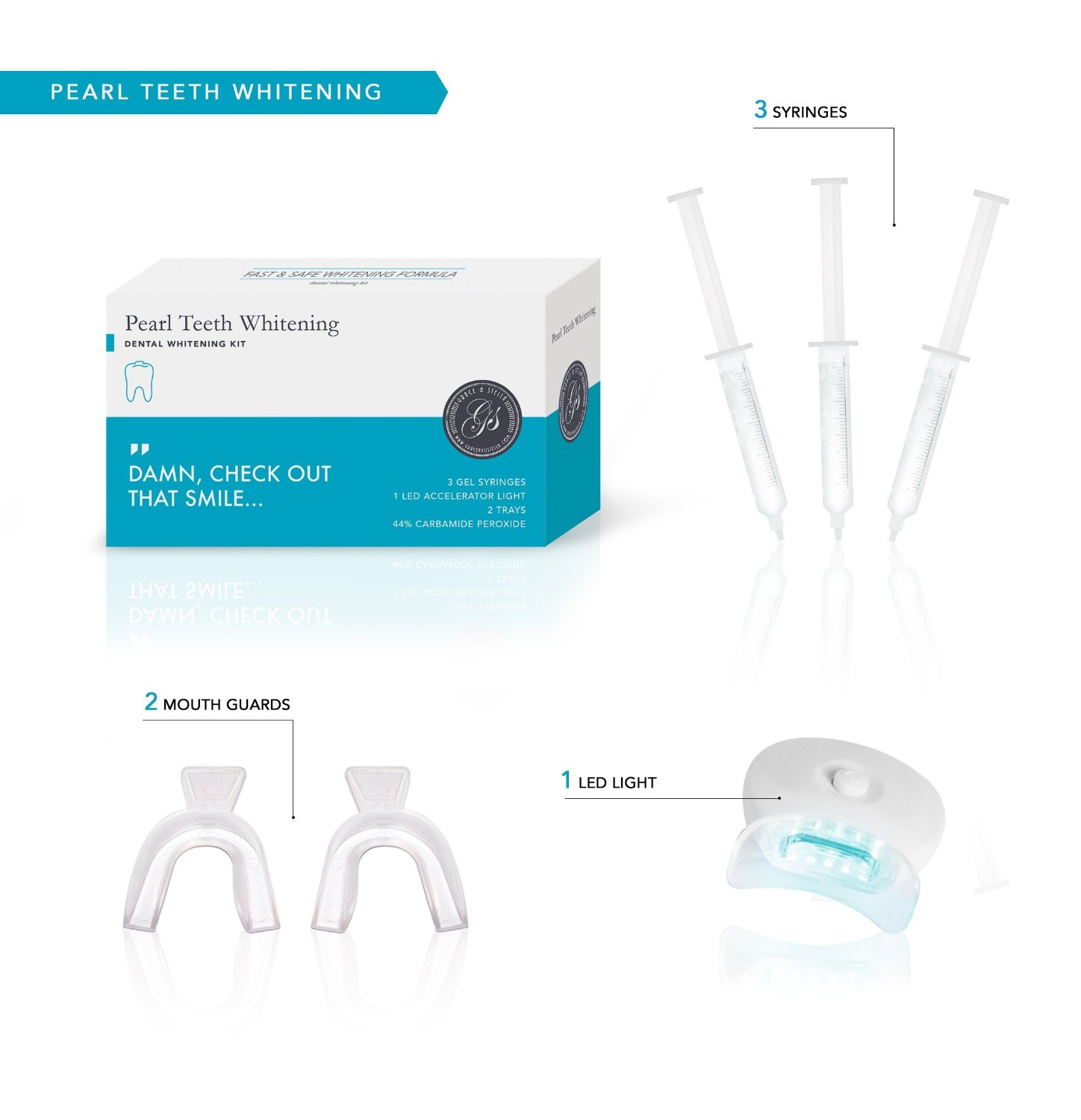
While high-end LED kits can cost hundreds of dollars, several reputable brands offer "lite" versions in 2026. These kits include a basic LED mouthpiece and a few syringes of whitening gel. The blue light helps catalyze the breakdown of peroxide, potentially shortening the number of days required to see results.
- Best For: Those who want a "tech-forward" approach without the premium price tag.
- Price Range: $35–$50.
4. Natural and Non-Peroxide Alternatives
For those who avoid peroxides due to extreme sensitivity or personal preference, PAP+ (Phthalimidoperoxycaproic Acid) has become a mainstream budget alternative in 2026. It whitens without the release of free radicals, which are often the cause of "zingers" or sharp pains during whitening.
- Best For: Users with highly sensitive teeth.
- Price Range: $20–$40.
2026 Budget Whitening Kit Comparison Table
The following table compares the most common types of budget-friendly whitening solutions based on their average performance metrics and costs as of 2026.
| Kit Type | Active Ingredient | Treatment Time | Avg. Price (USD) | Expected Results |
|---|---|---|---|---|
| Budget Strips | 6-10% Hydrogen Peroxide | 30 mins / 14 days | $25 - $35 | 3-5 Shades Brighter |
| Whitening Pen | 3% Hydrogen Peroxide | 1 min / twice daily | $15 - $20 | Maintenance only |
| Basic LED Kit | 35% Carbamide Peroxide | 20 mins / 7 days | $40 - $50 | 4-6 Shades Brighter |
| PAP+ Strips | Phthalimidoperoxycaproic Acid | 30 mins / 14 days | $30 - $40 | 2-4 Shades Brighter |
| Paint-on Gel | 10% Carbamide Peroxide | Overnight | $20 - $30 | 3-4 Shades Brighter |
How to Maximize Your Results on a Budget
Buying a cheap kit is only half the battle. To get "dentist-office results" from a $30 kit, you must optimize your application process.
The Importance of Pre-Whitening Prep
Always brush and floss before applying any whitening product. Plaque and food debris act as a physical barrier. If the gel is sitting on top of plaque rather than the enamel, you will end up with "spotty" whitening. However, avoid brushing with a fluoride-heavy toothpaste immediately before whitening, as it can sometimes temporarily seal the pores of the enamel, making the whitening agent less effective.
Managing Saliva
Saliva is the enemy of at-home whitening. It dilutes the peroxide and can wash away gels. When using strips or pens, dry your teeth with a clean tissue or paper towel before application. This ensures the maximum concentration of the whitening agent stays in direct contact with the tooth surface.
Post-Whitening Care: The "White Diet"
To make your budget kit last longer, follow the "White Diet" for at least 48 hours after treatment. During and immediately after whitening, the "pores" in your enamel (dentinal tubules) are more open and susceptible to staining. Avoid coffee, red wine, soy sauce, and tobacco. If you must drink staining liquids, use a straw to bypass the front teeth.
Safety Considerations and Risks
While OTC whitening is generally safe, "cheap" should not mean "dangerous." It is vital to use products that adhere to safety standards to avoid permanent damage.
- Enamel Erosion: Over-whitening or using kits with highly acidic pH levels can wear down enamel. Once enamel is gone, it does not grow back. Stick to the manufacturer’s recommended timing.
- Gum Irritation: If whitening gel touches the gingival tissue (gums), it can cause chemical burns. If you are using a gel-and-tray system, use only a small teardrop-sized amount of gel per tooth to prevent overflow.
- Unrealistic Expectations: No budget kit can change the color of crowns, veneers, or fillings. These synthetic materials do not respond to peroxide. If you have visible dental work on your front teeth, whitening your natural teeth may make the dental work appear darker or yellow by comparison.
The American Dental Association (ADA) provides a Seal of Acceptance for certain whitening products. While many budget brands do not pay for this certification, checking for its presence is a quick way to verify safety and efficacy.
Frequently Asked Questions
Are cheap whitening kits as effective as professional treatments?
Budget kits can achieve similar shade improvements as professional treatments, but they take much longer. A dentist might use a 40% hydrogen peroxide solution to whiten teeth in one hour, whereas a budget kit uses a 6% to 10% solution over two weeks. The end result is often comparable, but the time investment is higher for the budget option.
How often should I use a budget whitening kit?
Most budget-friendly full-treatment kits are designed to be used once every six months. Using them more frequently can lead to tooth sensitivity and enamel thinning. Between full treatments, using a whitening pen once a week can help maintain the brightness.
Do LED lights in cheap kits actually work?
In 2026, the effectiveness of budget LED lights is still a subject of debate. While the light does help accelerate the chemical reaction of the peroxide, the low-intensity LEDs found in $40 kits are not as powerful as the high-output lights used in dental offices. They provide a marginal improvement in speed rather than a total change in the final whitening potential.
Can I whiten my teeth if I have sensitive gums?
Yes, but you should look for specific "sensitive" versions of budget kits. These usually feature lower concentrations of peroxide (around 3-5%) and include soothing ingredients like aloe vera or potassium nitrate. PAP+ products are also an excellent budget-friendly choice for those with gum sensitivity.
What is the cheapest way to whiten teeth safely?
The most cost-effective, scientifically backed method is using a 3% hydrogen peroxide rinse diluted with water, or a simple whitening pen. However, for visible "wow-factor" results, high-adhesion strips generally offer the best balance of low cost and high efficacy.
Final Recommendation for Budget-Savvy Smiles
For the best results in 2026 without overspending, begin with a 14-day cycle of high-adhesion whitening strips. This method provides the most consistent contact between the whitening agent and the enamel. If you notice specific areas of unevenness after the strips are finished, supplement with a low-cost whitening pen to target those spots. By combining these two affordable methods and strictly adhering to a "white diet" during the process, you can achieve a professional-grade smile for under $50.
Image Gallery