Mark Sanchez Salary Overview: A Complete Breakdown of His NFL Career Earnings
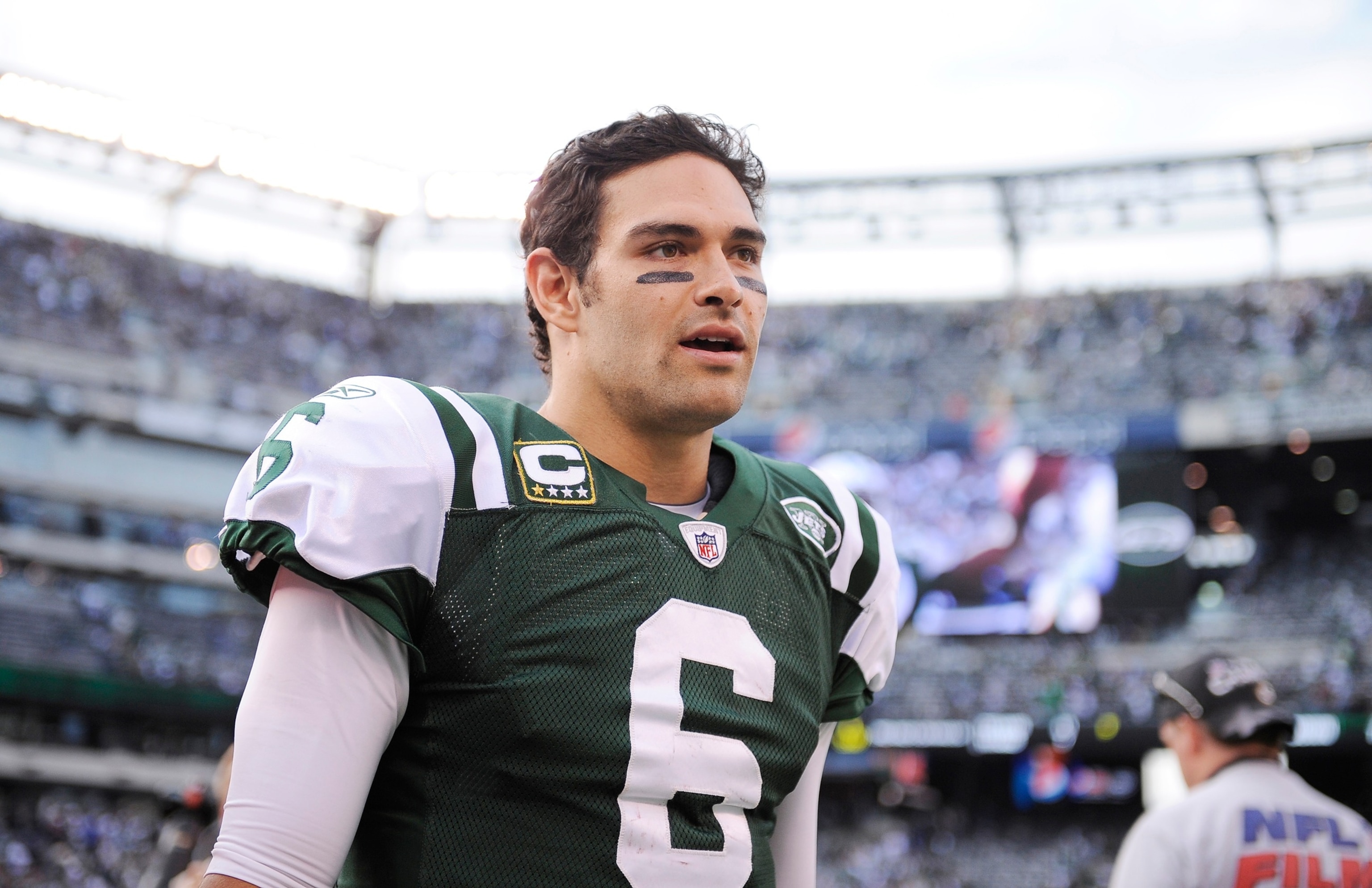
Mark Sanchez earned a total of $74,233,485 in cumulative salary and bonuses during his ten active seasons in the NFL. His financial trajectory was primarily defined by a massive pre-rookie-wage-scale contract with the New York Jets and...
Mark Sanchez earned a total of $74,233,485 in cumulative salary and bonuses during his ten active seasons in the NFL. His financial trajectory was primarily defined by a massive pre-rookie-wage-scale contract with the New York Jets and a significant 2012 extension, followed by veteran transition deals with several other franchises.
Contents
Throughout his career, Sanchez represented a unique era in NFL finance—the final years of the "unrestricted" rookie market. Drafted fifth overall in the 2009 NFL Draft out of USC, he entered the league before the 2011 Collective Bargaining Agreement (CBA) fundamentally altered how much first-round picks could earn. As a result, his early-career earnings significantly outpaced many quarterbacks drafted in similar positions just a few years later. This overview examines the specific contracts, bonuses, and team-by-team earnings that comprise his professional financial legacy.
The Landmark 2009 Rookie Contract
When the New York Jets traded up to select Mark Sanchez, they didn’t just commit to him as the face of the franchise; they committed a historic amount of capital. In 2009, rookie salaries for top-five picks were escalating at an unsustainable rate, which eventually led to the 2011 "rookie wage scale" overhaul.
Sanchez signed a five-year deal worth up to $50.5 million, with $28 million in total guarantees. This contract was structured to front-load his compensation through signing and roster bonuses, ensuring he received a massive windfall before ever taking a professional snap.
Breakout of the Rookie Deal Components
The complexity of Sanchez’s first contract involved various escalators based on playing time and team success. Because he led the Jets to back-to-back AFC Championship games in his first two seasons (2009 and 2010), he triggered several performance-based incentives that pushed his actual take-home pay toward the upper limits of the agreement.
- Signing Bonus: Sanchez received an immediate $13.5 million signing bonus. In NFL accounting, this is paid upfront but prorated over the life of the contract for salary cap purposes.
- Option Bonuses: In 2010, he received a $2.6 million option bonus, which functioned as a secondary guarantee to keep him on the roster.
- Roster Bonuses: These were payments triggered by being on the active roster by a specific date in the league year, protecting the player against being cut without compensation during the offseason.
The 2012 Extension: Doubling Down in New York
By 2012, despite growing concerns regarding his consistency and turnover rate, the New York Jets management decided to provide Sanchez with a vote of confidence. They signed him to a three-year extension worth $40.5 million. This deal included $20.5 million in fully guaranteed money.
From a technical SEO and financial perspective, this contract is often cited as a cautionary tale of "market value vs. performance." At the time, the Jets were attempting to lower his immediate salary cap hit for the 2012 season by converting base salary into a bonus, but in doing so, they locked themselves into high guaranteed sums for 2013.
Financial Implications of the Extension
This extension was the primary reason Sanchez's career earnings crossed the $70 million threshold. Even after the infamous "Butt Fumble" and the subsequent decline in team performance, the structure of the guarantees meant the Jets were financially obligated to pay him through the end of his tenure in New York. When he was eventually released in March 2014, he had already pocketed the majority of the guaranteed portions of this extension.
Transitioning to a Veteran Backup (2014–2018)
After his release from the Jets, Sanchez’s earning power shifted from "franchise quarterback" to "premium backup." While his annual salary dropped significantly, he remained a highly-sought-after veteran presence, which allowed him to continue accumulating wealth across several different organizations.
The Philadelphia Eagles Tenure
In 2014, Sanchez signed a one-year, $2.25 million contract with the Philadelphia Eagles to back up Nick Foles. After performing well when pressed into service, he signed a more lucrative two-year, $9 million deal in 2015, which included a $2 million signing bonus and $5.25 million in total guarantees. These years represented his last significant multi-million dollar "mid-level" contracts.
The Final Years: Broncos, Cowboys, Bears, and Redskins
The latter stage of Sanchez’s career saw him signing a series of one-year contracts, often for the veteran minimum or slightly above it.
- Denver Broncos (2016): Sanchez was traded to Denver, where he was set to earn $4.5 million. However, he was released before the season started, meaning he only earned his retained portions from previous agreements and a small fraction of the Denver deal.
- Dallas Cowboys (2016): He signed a one-year, $2 million deal to provide veteran stability behind rookie Dak Prescott.
- Chicago Bears (2017): Sanchez signed a one-year, $1 million veteran contract ($750,000 guaranteed). His role here was largely focused on mentoring rookie Mitchell Trubisky.
- Washington Redskins (2018): His final NFL contract was a one-year, $915,000 veteran minimum deal signed late in the season following injuries to Washington's primary quarterbacks.
Comparative Earnings Table: Team-by-Team Breakdown
The following table outlines the estimated earnings Mark Sanchez accumulated at each stop of his NFL career. Note that these figures include base salaries, signing bonuses, roster bonuses, and workout bonuses.
| Team | Years | Estimated Total Earnings | Primary Role |
|---|---|---|---|
| New York Jets | 2009–2013 | $58,500,000 | Starting QB |
| Philadelphia Eagles | 2014–2015 | $6,250,000 | Backup / Spot Starter |
| Denver Broncos | 2016 | $1,000,000* | Preseason Only |
| Dallas Cowboys | 2016 | $2,000,000 | Veteran Backup |
| Chicago Bears | 2017 | $1,000,000 | Veteran Mentor |
| Washington Redskins | 2018 | $915,000 | Emergency Backup |
| Career Total | 10 Seasons | $74,233,485 |
*Estimated based on contract offsets and retained guarantees.
Analysis: The Economics of the "Bridge" Quarterback
Sanchez’s career serves as a case study for the financial longevity of first-round quarterbacks. Even when a player does not reach "Hall of Fame" status, the initial investment made by a team often secures the player's financial future for life.
Why Sanchez Earned More Than Many Peers
Sanchez benefited from timing. By entering the league in 2009, he was part of the final group of rookies who could negotiate truly massive first contracts. A player drafted 5th overall in 2026 receives a four-year contract worth approximately $35 million, fully slotted by the league. Sanchez’s 2009 deal was worth $50.5 million—roughly 40% more in nominal dollars despite being signed 17 years ago.
Furthermore, his ability to transition into a "mentor" role extended his career by at least four seasons. Teams value a veteran quarterback who understands complex playbooks, can manage a locker room, and can prepare a young starter for Sunday games. This "invisible value" is why Sanchez continued to earn $1 million per year late into his 30s.
The Impact of State Taxes and Fees
While $74 million is the gross earnings figure, it is important to consider the net take-home pay. NFL players are subject to significant deductions:
- Federal Taxes: Most of Sanchez’s income fell into the highest tax bracket (37%+).
- "Jock Taxes": Professional athletes pay income tax in every state (and some cities) where they play a game. Sanchez played extensively in high-tax jurisdictions like New York, New Jersey, and Pennsylvania.
- Agent Fees: Standard NFL agent fees are capped at 3% of the contract value. Over his career, Sanchez likely paid over $2.2 million in agency commissions.
Frequently Asked Questions
What was Mark Sanchez’s highest-earning single season?
His highest-earning year was 2009, his rookie season. Between his $13.5 million signing bonus and his base salary, he took home over $15 million. Another spike occurred in 2012 following his contract extension, where he earned approximately $14.75 million.
How much of Mark Sanchez's money was guaranteed?
Of his $74 million in career earnings, approximately $48.5 million was fully guaranteed at the time of signing. This includes the $28 million from his rookie deal and the $20.5 million from his 2012 Jets extension.
Is Mark Sanchez still receiving money from NFL contracts?
As of 2026, Sanchez is no longer receiving "active" NFL salary payments. Most NFL contracts are not structured as deferred compensation (unlike some MLB contracts). However, he is eligible for the NFL Player Pension and benefits provided to players with at least three credited seasons.
How does his salary compare to current NFL quarterbacks?
By 2026 standards, an annual salary of $7 million (his career average) would rank him as a mid-tier backup. For perspective, elite starting quarterbacks in 2026 now command salaries exceeding $60 million per year, reflecting the massive growth in the NFL's media rights revenue and the salary cap.
Did he lose money due to the "Butt Fumble"?
While the play damaged his reputation, it did not technically "cost" him money in his existing contract. The Jets had already guaranteed his 2013 salary as part of the 2012 extension. However, the decline in his play following that era certainly reduced the value of his subsequent contracts with the Eagles and Cowboys.
Final Recommendation for Financial Research
When evaluating NFL salary data, always distinguish between Gross Earnings (the total money paid) and Cap Hit (the accounting number used by teams). Mark Sanchez’s career is a perfect example of how a player can maximize earnings by leveraging high-draft-pick status and maintaining a professional reputation that extends their career as a reliable backup. For those looking to compare his wealth to other athletes, focusing on the "Cash Paid" metric provides the most accurate reflection of his financial success.
Image Gallery