Why the Newark Brewery Anheuser-Busch Deal Matters
The 2024 landmark agreement between Anheuser-Busch and the International Brotherhood of Teamsters, which includes the vital Newark facility, fundamentally stabilized the U.S. beer supply chain. By securing historic wage increases and j...
The 2024 landmark agreement between Anheuser-Busch and the International Brotherhood of Teamsters, which includes the vital Newark facility, fundamentally stabilized the U.S. beer supply chain. By securing historic wage increases and job protections, the deal prevented a national strike, ensuring the Newark plant remains a cornerstone of North American production through 2026 and beyond.
Contents
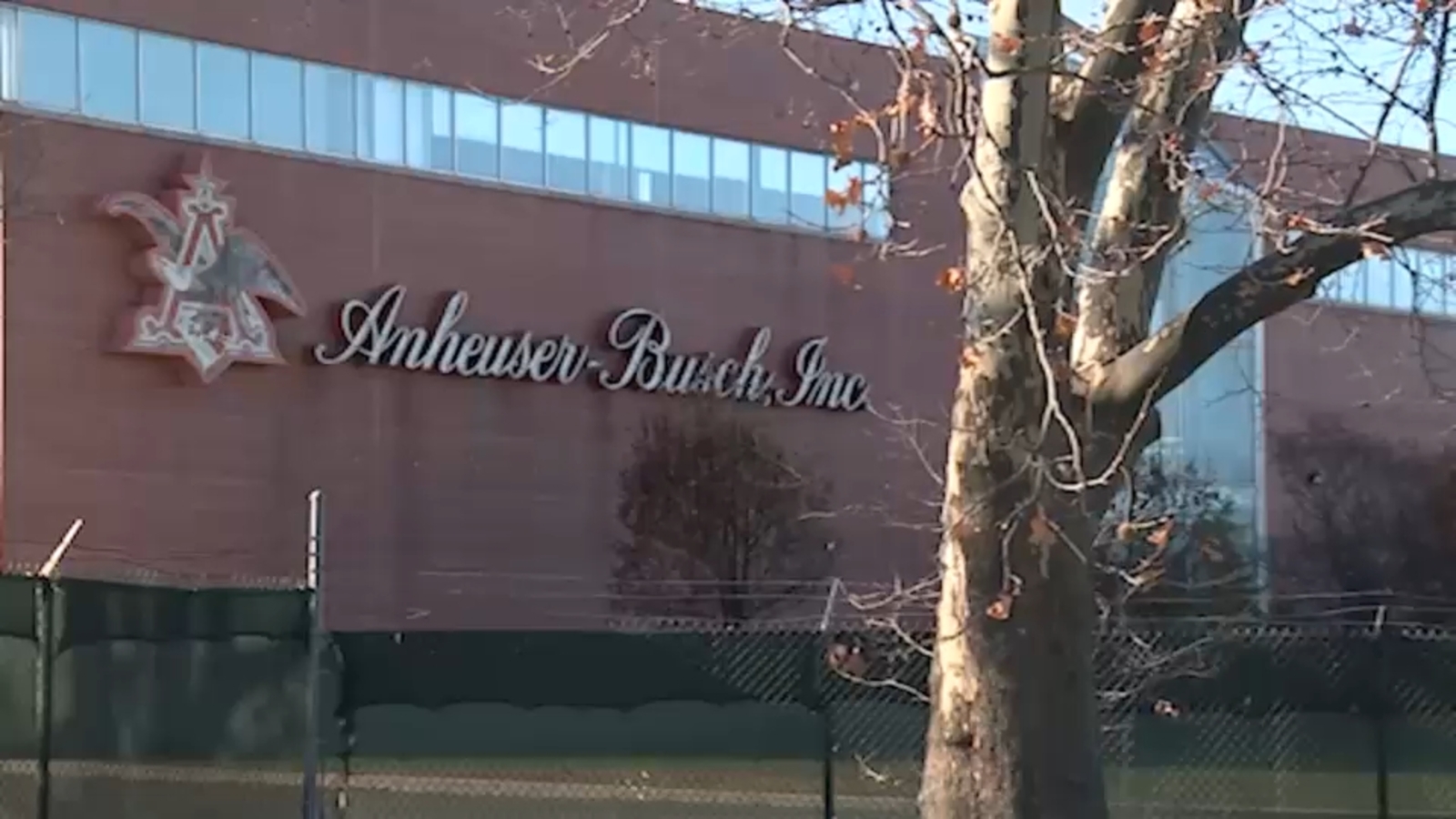
The Newark brewery, a massive industrial landmark visible from the New Jersey Turnpike, is more than just a production site for Budweiser and Stella Artois. It is a strategic linchpin for the Northeast corridor. When Anheuser-Busch (A-B) reached a tentative agreement with nearly 5,000 Teamsters members in early 2024—just hours before a strike deadline—it signaled a shift in labor relations within the beverage industry. As we look at the landscape in 2026, the "Newark Deal" remains the gold standard for industrial labor contracts, balancing high-output manufacturing needs with the rising cost of living in the New York metropolitan area.
The Strategic Importance of the Newark Brewery
To understand why this deal matters, one must first understand the scale of the Newark facility. Opened in 1951, the Newark brewery is one of the oldest and most productive in the Anheuser-Busch network. It services some of the most densely populated and high-consumption markets in the world, including New York City, Philadelphia, and Boston.
The logistics of beer distribution are sensitive to time and distance. Unlike shelf-stable canned goods, beer has a "born on" date that consumers track closely. The Newark plant’s proximity to Port Newark and major interstate highways allows for a rapid turnaround that a brewery in the Midwest simply could not replicate for the East Coast market. Had the 2024 negotiations failed, the resulting strike would have severed the primary artery for A-B products in the Northeast, leading to immediate shortages and shelf-space losses to competitors like Molson Coors or Heineken.
Economic Impact on New Jersey
The Newark brewery is a significant taxpayer and employer in Essex County. The 2024 deal ensured that hundreds of high-wage manufacturing jobs remained secure in a region that has seen a steady decline in traditional industrial employment. By 2026, the ripple effects of these wages are evident in the local economy, supporting small businesses and service providers throughout Newark and the surrounding suburbs.
Breaking Down the 2024-2029 Contract Terms
The deal was not merely about preventing a work stoppage; it was about restructuring the compensation model for the modern era. The agreement, which runs through 2029, addressed several decades-old grievances regarding inflation and retirement security.
Wage Increases and Inflation Protection
The cornerstone of the deal was a significant wage increase. Over the five-year life of the contract, workers see a total average increase of $8 per hour. In the first year alone, a $4 per hour raise was implemented to combat the sharp rise in the cost of living seen in 2023. This was particularly crucial for Newark-based workers, who face some of the highest housing and utility costs in the United States.
The Restoration of Retiree Health Benefits
A major sticking point in the Newark negotiations was the restoration of health insurance for retirees. In previous contract cycles, these benefits had been eroded. The 2024 deal reinstated these protections, which the Teamsters hailed as a major victory for long-term job loyalty. In 2026, as the first wave of workers under this new contract reaches retirement age, the value of this provision is becoming tangible, providing a safety net that is increasingly rare in the private manufacturing sector.
Job Security and Automation Limits
As brewing technology advances, the threat of automation looms over traditional labor. The Newark deal included specific language regarding job security. While Anheuser-Busch continues to invest in state-of-the-art brewing and packaging technology at the Newark site, the contract requires that such advancements do not result in the arbitrary displacement of union members. This balance allows the facility to remain competitive with newer, highly automated "craft-macro" facilities while maintaining a stable, experienced workforce.
| Feature | 2024-2029 Contract Term | Impact on Newark Facility |
|---|---|---|
| Total Wage Increase | $8.00 per hour over 5 years | Enhances local purchasing power in NJ |
| Ratification Bonus | $2,500 per member | Immediate local economic stimulus |
| Retiree Healthcare | Fully restored benefits | Long-term retention of skilled brewers |
| Pension Contributions | Increased employer match | Secures future for aging workforce |
| Job Security | Limits on automation-related layoffs | Maintains 500+ direct jobs in Newark |
Why the Timing of the Deal Was Critical
The timing of the Newark brewery deal cannot be overstated. In 2023, Anheuser-Busch faced significant market headwinds following the Bud Light marketing controversy. The brand saw a decline in sales volume, and the company’s stock price was under intense scrutiny. Entering 2024 with a looming labor strike would have been catastrophic.
For the Newark facility, a strike would have meant that millions of barrels of beer would go unproduced during the lead-up to the peak summer season. By reaching a deal, A-B demonstrated to shareholders and retailers that it could stabilize its internal operations even while navigating external PR challenges. The "Newark Deal" was, in many ways, the first step in the company’s 2024-2025 "return to basics" strategy, focusing on operational excellence and supply chain reliability.
Technical Depth: The Logistics of Newark Production
The Newark brewery is a "high-gravity" brewing facility. This process involves brewing beer at a higher alcohol content and then blending it with purified water to reach the desired ABV (alcohol by volume). This technique requires a high degree of technical precision and a workforce that understands the chemistry of fermentation at scale.
The labor agreement matters because this level of expertise is not easily replaced. If a strike had occurred, bringing in "replacement workers" would have been nearly impossible for a facility of Newark's complexity. The brewing process at this scale involves:
- Water Treatment: Newark uses massive amounts of water that must be filtered and mineral-balanced to ensure the Budweiser produced in NJ tastes identical to the Budweiser produced in St. Louis.
- Milling and Mashing: Processing thousands of pounds of grain daily.
- Fermentation Control: Monitoring temperature and yeast health across dozens of multi-story fermentation tanks.
- High-Speed Packaging: The Newark plant houses some of the fastest canning and bottling lines in the world, capable of processing over 1,000 units per minute.
The 2024 deal ensures that the specialized technicians who run these systems stay on the job. In 2026, we see the results of this continuity in the high quality-control ratings the Newark plant consistently receives within the A-B global network.
The Broader Context of Labor Militancy
The Newark deal was part of a broader trend of "labor militancy" that defined the mid-2020s. Following the successes of the United Auto Workers (UAW) and the UPS Teamsters in 2023, the Anheuser-Busch workers utilized their leverage during a period of high corporate profits and low unemployment.
By securing such a favorable deal in Newark, the Teamsters set a precedent for other beverage manufacturers. Companies like PepsiCo, Coca-Cola, and various regional craft conglomerates have had to adjust their labor strategies to match the benchmarks set at the Newark brewery. It proved that even in a traditional industry like brewing, workers could demand—and receive—significant concessions if they occupied a strategic position in the supply chain.
Long-term Outlook for 2026 and Beyond
As we navigate through 2026, the Newark brewery is operating at peak efficiency. The labor unrest that threatened the industry in early 2024 has been replaced by a period of relative "labor peace." However, the deal also means that Anheuser-Busch has higher fixed labor costs. To offset this, the company has focused on:
- Premiumization: Pushing higher-margin brands through the Newark lines.
- Energy Efficiency: Investing in sustainable brewing practices in Newark to reduce utility overhead.
- Market Expansion: Using the stability of the Newark plant to reclaim lost shelf space in the Northeast.
The "Newark Deal" was not just a contract signing; it was a strategic pivot that allowed one of the world's largest brewers to maintain its footprint in one of the world's most expensive—and important—regions.
Frequently Asked Questions
How many workers were affected by the Newark Anheuser-Busch deal?
While the national agreement covered approximately 5,000 Teamsters members across 12 breweries, the Newark facility accounts for over 500 of those direct union roles. This does not include the thousands of indirect jobs in distribution, logistics, and retail that rely on the Newark plant's daily output.
Did the deal lead to higher beer prices for consumers?
While labor costs increased, beer pricing in 2026 is influenced more by the cost of raw materials (barley, aluminum, hops) and transportation fuel. Anheuser-Busch has largely absorbed the labor cost increases through operational efficiencies and automation in non-labor sectors, keeping price increases in line with general inflation.
What happens when the current Newark contract expires?
The current agreement is set to expire in 2029. Given the significant gains made in the 2024 deal, the 2029 negotiations are expected to focus more on health-tech integration and further retirement fund solvency, rather than the "catch-up" wage increases that dominated the 2024 cycle.
Why is the Newark brewery specifically so important compared to others?
Its location is its greatest asset. It is the only major macro-brewery located directly within the New York City metropolitan area. This allows for "just-in-time" delivery to the nation's largest concentration of bars, restaurants, and stadiums, drastically reducing the carbon footprint and transportation costs of the product.
Was the threat of a strike at the Newark brewery real?
Yes. In February 2024, the Teamsters voted with 99% approval to authorize a strike. Picket signs were printed and distributed to the Newark facility. The deal was only finalized in the final hours before the existing contract lapsed, highlighting how close the Northeast was to a major beer supply disruption.
Practical Next Actions
For those monitoring the beverage industry or labor relations, the Newark Anheuser-Busch deal serves as a primary case study. Industry analysts should continue to track the "Cost of Goods Sold" (COGS) reports from Anheuser-Busch through the remainder of 2026 to see how the company balances these higher wages with profitability. For labor organizers, the Newark contract remains a blueprint for how to leverage geographic strategic importance into tangible benefits for a local workforce.
Image Gallery