What is TPIN? A Comprehensive Guide to Your Transaction PIN and Security
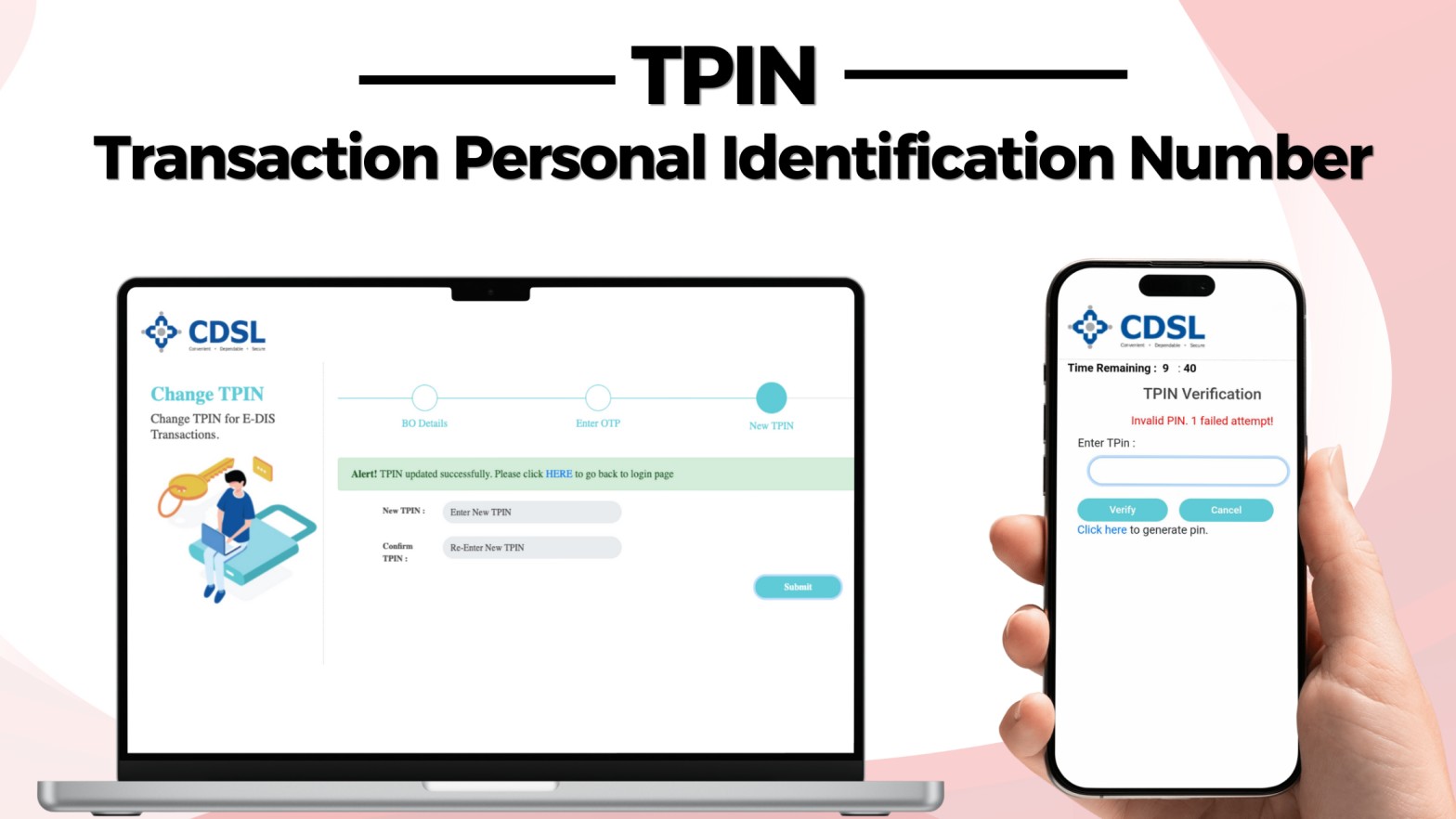
A TPIN, or Transaction Personal Identification Number, is a secure 6-digit code used to authorize electronic transactions, most commonly in the stock market and tax environments. For you, it serves as a digital signature that verifies...
A TPIN, or Transaction Personal Identification Number, is a secure 6-digit code used to authorize electronic transactions, most commonly in the stock market and tax environments. For you, it serves as a digital signature that verifies your identity and grants permission to debit assets—such as shares or funds—from your account, ensuring that only you can finalize a sell order or sensitive filing.
Contents
The term TPIN is most frequently encountered in three distinct global contexts: the Indian stock market (CDSL TPIN), United States tax filings (IRS IP PIN), and Zambian tax identification (ZRA TPIN). While their specific functions vary by jurisdiction, they all share a common goal: replacing vulnerable physical documentation with a high-security electronic authorization layer. As of 2026, the TPIN has become the gold standard for retail investor protection and identity theft prevention.
The Evolution of the TPIN in Modern Finance
To understand what a TPIN is for you today, it is essential to look at what it replaced. Historically, if you wanted to sell shares through a broker, you had to sign a physical Power of Attorney (PoA). This document gave your broker the legal right to move shares out of your demat account whenever a sell order was executed. While convenient, the PoA system carried significant risks; it granted broad permissions that could, in rare cases, be misused by unscrupulous entities.
The transition to the TPIN system—specifically the Electronic Delivery Instruction Slip (e-DIS) framework—transferred control back to the individual. In 2026, the TPIN is your primary tool for "self-authorization." Instead of a standing permission (PoA), you now provide a "per-transaction" or "per-day" authorization. This shift has drastically reduced unauthorized transfers and increased transparency in the global financial ecosystem.
TPIN in the Indian Stock Market: The CDSL Context
If you are an investor in India, the TPIN is a 6-digit code generated by the Central Depository Services Limited (CDSL). Since its implementation, it has eliminated the need for physical PoA for most retail traders using platforms like Zerodha, Groww, or Upstox.
How the CDSL TPIN Works for You
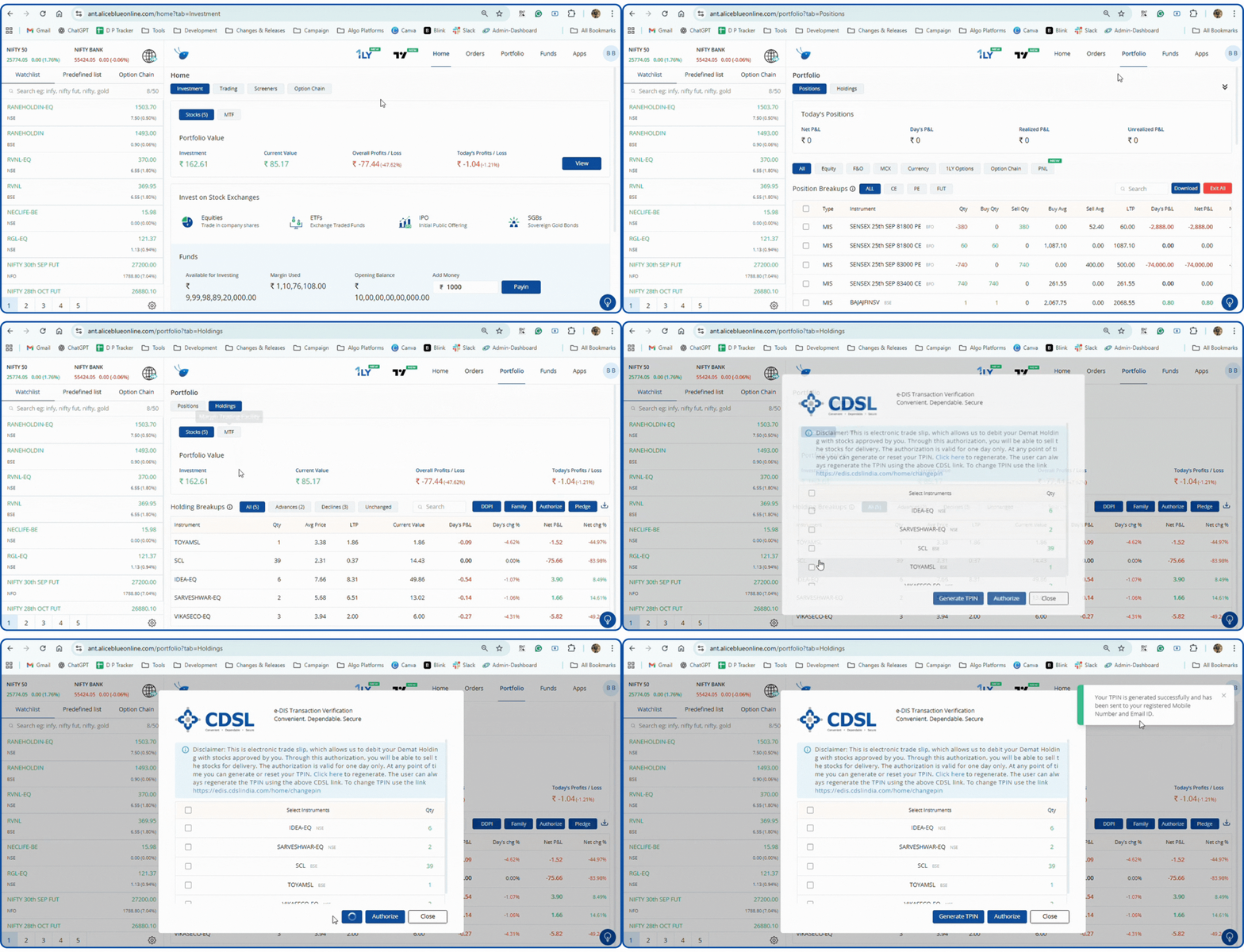
When you place a "Sell" order for shares held in your demat account, the broker cannot move those shares to the exchange for settlement without your TPIN. The process typically follows these steps:
- Triggering the Authorization: You select the shares you wish to sell.
- Redirect to CDSL: Your broker redirects you to a secure CDSL-hosted page.
- Entry: You enter your unique 6-digit TPIN.
- OTP Verification: To add a second layer of security, a One-Time Password (OTP) is sent to your registered mobile number and email.
- Approval: Once both the TPIN and OTP are verified, the shares are "pre-verified" for sale for that specific trading session.
Generating Your CDSL TPIN
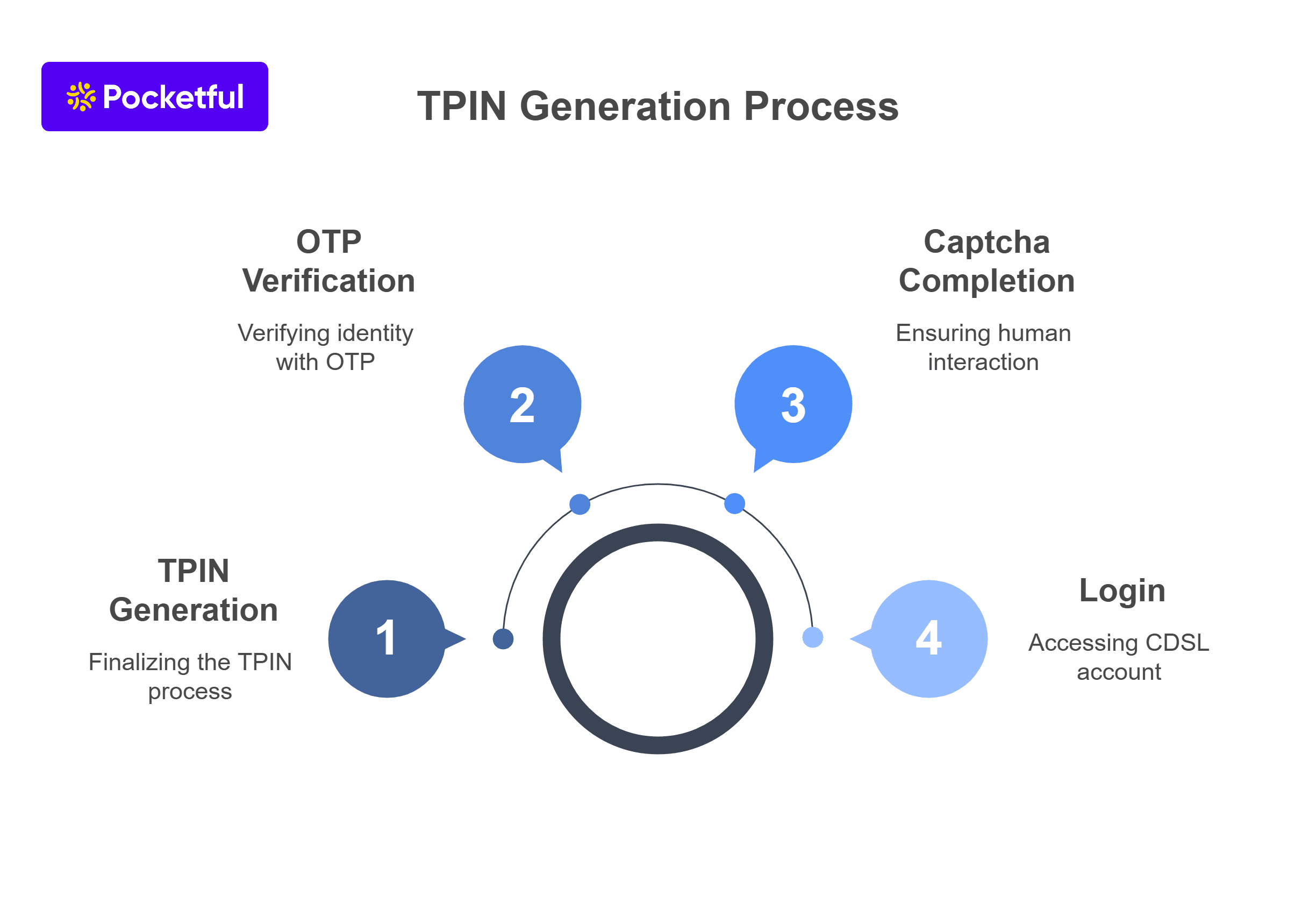
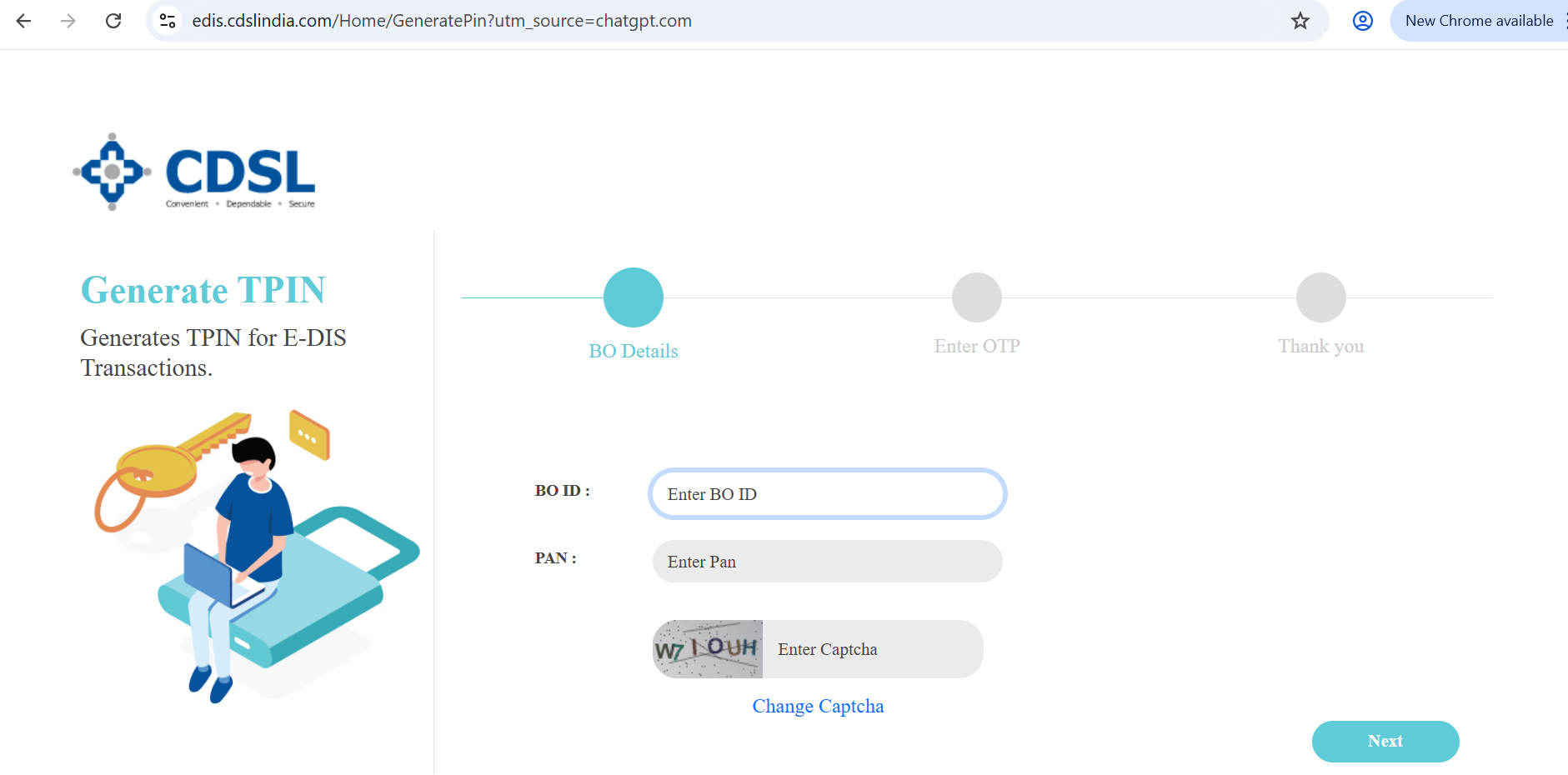
If you do not have a TPIN or have forgotten it, you can generate a new one at any time. You will need your BO ID (Beneficiary Owner Identification), which is a 16-digit number unique to your demat account, and your Permanent Account Number (PAN).
- Visit the CDSL TPIN Generation portal.
- Enter your BO ID and PAN.
- Verify the request via an OTP.
- The new TPIN is sent directly to your registered contact details by CDSL, ensuring the broker never sees the code.
TPIN as a Taxpayer Identification Tool: The US and Zambia Contexts
Beyond the stock market, TPINs are critical for tax security. In these contexts, the "P" often stands for "Personal" or "Provider," but the function remains an identity verification gatekeeper.
The IRS Identity Protection PIN (IP PIN)
In the United States, the IRS issues an Identity Protection PIN (IP PIN). For you, this is a 6-digit number that prevents someone else from filing a tax return using your Social Security number. If the IRS has flagged your account for potential identity theft, or if you have opted into the program, your tax return will be rejected unless it includes this specific TPIN. Each year, a new IP PIN is generated to maintain the highest level of security for the current filing season.
The Zambia Revenue Authority (ZRA) TPIN
In Zambia, a TPIN refers to a Taxpayer Identification Number. This is a unique identifier assigned to every taxpayer (individual or business). It is mandatory for opening bank accounts, processing customs clearances, and conducting any business with the government. Unlike the CDSL TPIN, which is used for individual transactions, the ZRA TPIN is a permanent identification number used across all tax-related activities.
Comparison of TPIN Applications in 2026
| Feature | CDSL TPIN (India) | IRS IP PIN (USA) | ZRA TPIN (Zambia) |
|---|---|---|---|
| Primary Purpose | Authorize share debits | Prevent tax fraud/identity theft | General tax identification |
| Format | 6-digit numeric code | 6-digit numeric code | Unique alphanumeric/numeric ID |
| Frequency of Use | Every trading session (or daily) | Once per annual tax return | Constant (Bank, Customs, Tax) |
| Who Issues It? | Central Depository (CDSL) | Internal Revenue Service (IRS) | Zambia Revenue Authority |
| Expiry | Does not expire (but authorization does) | Expires annually | Permanent |
Technical Security: Why the TPIN is Highly Secure
The TPIN architecture is designed to minimize the "attack surface" for hackers and fraudulent actors. In 2026, the security of your TPIN relies on several technical principles:
1. Zero-Knowledge Proof (Broker Independence)
In the Indian demat system, your stockbroker never knows your TPIN. When you enter it, you are doing so on the depository’s server (CDSL). This means that even if your broker's platform is compromised, your TPIN remains safe because it was never stored in the broker's database.
2. Multi-Factor Authentication (MFA)
The TPIN is rarely used in isolation. In almost all jurisdictions, entering the TPIN triggers a second verification step, usually an OTP. This ensures that an attacker would need both your "something you know" (TPIN) and "something you have" (your mobile device for the OTP).
3. Encrypted Transmission
TPINs are transmitted using end-to-end encryption (TLS 1.3 or higher in 2026). This prevents "man-in-the-middle" attacks where a third party might attempt to intercept the code as it travels from your browser to the regulatory server.
Troubleshooting Common TPIN Issues
Despite its security, you may encounter obstacles when using your TPIN. Understanding how to resolve these quickly is vital for time-sensitive financial actions.
- Invalid TPIN Errors: This usually occurs due to a synchronization delay. If you recently reset your TPIN, wait 5–10 minutes before attempting to use it. Also, ensure you are not confusing it with your trading platform's login PIN.
- OTP Not Received: If the TPIN is accepted but the follow-up OTP does not arrive, check your network connectivity or "Do Not Disturb" (DND) settings. In 2026, many regulators also offer OTPs via WhatsApp or specialized authenticator apps as a backup.
- Locked Accounts: Entering an incorrect TPIN multiple times (usually three) will temporarily lock your authorization capabilities for 24 hours. This is a protective measure against brute-force attacks. You can usually unlock this by performing a "Forgot TPIN" reset through the official depository or tax portal.
Security Best Practices for Your TPIN
Since the TPIN is essentially the "key to your vault," you must treat it with the same level of care as your banking password.
- Avoid Common Sequences: Do not use 123456, your birth year, or repeated digits (111111). These are the first patterns attackers attempt.
- Regular Rotation: Even if your TPIN doesn't technically expire, changing it every six months is a proactive way to maintain security.
- The "No-Share" Rule: No legitimate official from CDSL, the IRS, or any bank will ever ask you for your TPIN over the phone or via email. If someone asks for it, it is a phishing attempt.
- Use Secure Devices: Only enter your TPIN on private devices. Public Wi-Fi or shared computers may have keyloggers that capture your 6-digit code.
Frequently Asked Questions
Is the TPIN mandatory for all transactions?
In the Indian stock market, the TPIN is mandatory for all "sell" transactions unless you have submitted a physical Power of Attorney to your broker. Most modern traders prefer the TPIN for its safety and flexibility. For US taxes, it is only mandatory if you have been issued one by the IRS.
Can I change my TPIN to a custom number?
Yes. You can reset your TPIN at any time through the official website of the issuing authority (e.g., CDSL or ZRA). You are encouraged to choose a number that is easy for you to remember but difficult for others to guess.
What is the difference between a TPIN and an MPIN?
An MPIN (Mobile PIN) is typically used to log into a specific mobile banking or trading application. A TPIN (Transaction PIN) is a higher-level authorization code used specifically to approve the movement of assets or the submission of legal documents, often managed by a third-party regulator rather than the app developer.
Does a TPIN expire?
For the CDSL (India), the TPIN itself does not expire, but the authorization you grant using it usually expires at the end of the trading day or after 90 days, depending on the specific "block mechanism" used. For the IRS (USA), the IP PIN expires at the end of each calendar year and a new one must be obtained for the next filing season.
What should I do if I think my TPIN is compromised?
Immediately visit the official portal of the issuer (CDSL, IRS, or ZRA) and use the "Reset" or "Forgot TPIN" feature. This will invalidate the old code and issue a new one. In the case of financial accounts, you should also notify your broker or bank to monitor for suspicious activity.
Practical Recommendation
For anyone managing an investment portfolio or tax profile in 2026, the TPIN is your most important line of defense. If you are an investor, generate your TPIN today even if you don't plan on selling immediately. Being prepared prevents delays during market volatility when every second counts. Store your TPIN in a secure, encrypted password manager rather than writing it down or saving it in a plain text file on your phone. By mastering the TPIN process, you ensure that your digital assets remain under your absolute control, protected by the robust security standards of modern finance.
Image Gallery