Understanding Corporate Ownership: Does Mattel Own Fisher-Price?
Yes, Mattel owns Fisher-Price. Fisher-Price operates as a wholly owned subsidiary of Mattel, Inc., having been acquired by the toy giant in November 1993. This acquisition integrated one of the world's most recognizable preschool toy b...
Yes, Mattel owns Fisher-Price. Fisher-Price operates as a wholly owned subsidiary of Mattel, Inc., having been acquired by the toy giant in November 1993. This acquisition integrated one of the world's most recognizable preschool toy brands into Mattel’s expansive global portfolio, which also features iconic names like Barbie, Hot Wheels, and American Girl.
Contents
The corporate relationship between Mattel and Fisher-Price represents a classic example of industry consolidation within the global toy and children’s entertainment sector. Understanding how this acquisition unfolded, how the brand functions today under its parent company, and what it means for consumer safety and product development provides valuable insight into modern corporate economics and the toy industry.
The History of Fisher-Price and Its Acquisition by Mattel
Fisher-Price was founded in 1930 by Herman Fisher, Irving Price, Helen Schelle, and Margaret Evans Price. Based in East Aurora, New York, the company quickly established a reputation for manufacturing durable, imaginative, and engaging toys for infants and preschoolers. Over the decades, Fisher-Price expanded its product lines far beyond traditional wooden push-and-pull toys, entering the realms of electronic learning aids, infant gear, and character-licensed merchandise.
By the early 1990s, the toy industry was experiencing significant consolidation as major manufacturers sought to achieve economies of scale in manufacturing, distribution, and global marketing. Mattel, already a dominant force with brands like Barbie, saw strategic value in capturing a larger share of the infant and preschool market.
In November 1993, Mattel acquired Fisher-Price in a stock swap valued at approximately $1.2 billion. Rather than absorbing the brand entirely out of existence or rebranding its products under the Mattel name, Mattel chose to maintain Fisher-Price as a distinct subsidiary brand. This decision preserved the powerful consumer trust and brand equity associated with the Fisher-Price name while leveraging Mattel’s massive global supply chain and distribution network.
How Fisher-Price Operates Within Mattel's Corporate Structure
Today, Fisher-Price functions as a core division of Mattel, Inc. While corporate strategy, financial reporting, and global logistics are managed centrally out of Mattel’s corporate headquarters in El Segundo, California, Fisher-Price maintains a strong operational identity. The brand's historical home base in East Aurora, New York, has historically remained a hub for certain aspects of design and development, though operations have integrated deeply with Mattel's global infrastructure over the years.
Under this umbrella, Fisher-Price benefits from shared technological resources, international regulatory compliance frameworks, and advanced safety testing laboratories. When a new infant seat, interactive learning toy, or character-based playset is developed, it undergoes rigorous evaluation processes that meet or exceed standards set by regulatory bodies such as the U.S. Consumer Product Safety Commission (CPSC) and international counterparts.
The following table outlines the key structural and operational aspects of Fisher-Price under its parent organization:
| Corporate Attribute | Details Under Mattel Ownership |
|---|---|
| Parent Company | Mattel, Inc. (Publicly traded on NASDAQ: MAT) |
| Acquisition Date | November 1993 |
| Primary Market Niche | Infant, toddler, and preschool toys and gear |
| Historical Headquarters | East Aurora, New York, USA |
| Parent Headquarters | El Segundo, California, USA |
| Key Sister Brands | Barbie, Hot Wheels, Thomas & Friends, American Girl, Uno |
Brand Portfolio and Market Impact
The acquisition significantly strengthened Mattel’s market position by giving the company immediate leadership in the early childhood segment. Fisher-Price's product portfolio is broadly categorized into several distinct lines that cater to different developmental stages of early childhood:
- Infant Gear and Essentials: This includes high chairs, bouncers, swings, and strollers designed to assist parents with daily care while providing safe environments for infants.
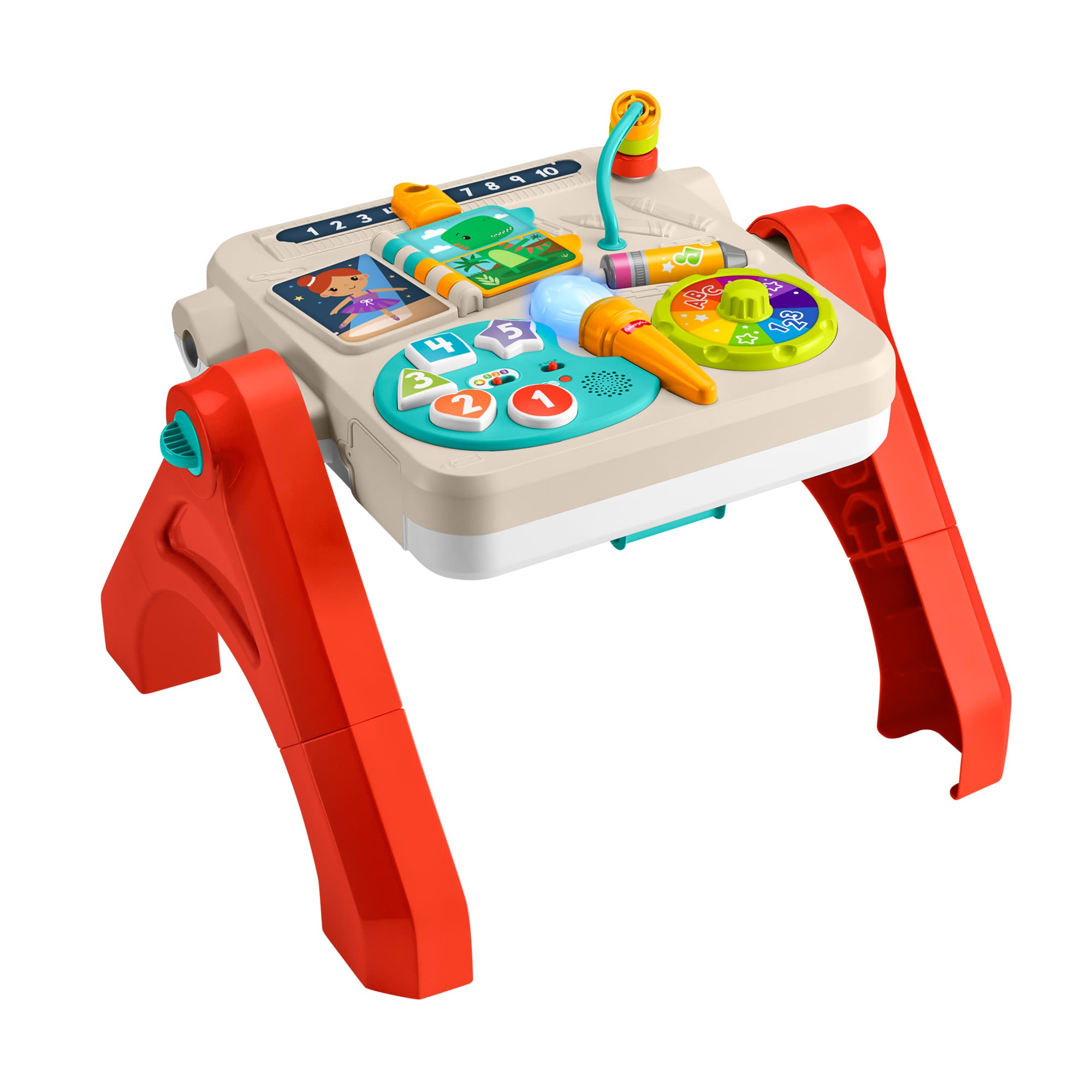
- Preschool and Learning Toys: Classic lines like Little People, as well as technology-integrated toys like the Laugh & Learn series, focus on cognitive and motor skill development.
- Character and Entertainment Licensing: Fisher-Price frequently partners with major entertainment studios to produce toys tied to popular preschool television franchises, expanding its reach among young audiences.
By keeping Fisher-Price distinct from Mattel’s fashion doll and vehicle divisions, the corporation allows retail buyers and consumers to associate specific categories with specialized expertise. Parents looking for developmental toys for a six-month-old infant naturally gravitate toward Fisher-Price, unaware or unconcerned that the profits ultimately flow back to Mattel.
Consumer Safety, Quality Assurance, and Regulatory Compliance
Because Fisher-Price products are targeted at infants and toddlers—a highly vulnerable demographic—safety is a paramount operational concern for Mattel. Both entities operate under strict quality assurance protocols to comply with global safety standards.
When safety issues or recalls occur, they are managed under Mattel’s corporate umbrella in coordination with regulatory agencies like the CPSC. For example, historical product recalls—such as those involving the Fisher-Price Rock 'n Play Sleeper—demonstrate the critical oversight and accountability maintained by Mattel as the parent organization. In such instances, Mattel assumes responsibility for executing consumer remedies, updating safety guidelines, and refining future product engineering standards.
Parents and caregivers seeking to verify the safety status of a specific toy or piece of gear can consult official resources provided by the U.S. Consumer Product Safety Commission to review active notices, safety alerts, and recall instructions.
Frequently Asked Questions
When did Mattel acquire Fisher-Price?
Mattel officially acquired Fisher-Price in November 1993 through a stock-for-stock transaction valued at approximately $1.2 billion. This move was designed to expand Mattel's footprint in the infant and preschool toy market.
Are Fisher-Price toys still designed in New York?
While corporate leadership and global strategy are directed from Mattel's headquarters in California, East Aurora, New York, has historically remained a significant operational location for Fisher-Price's design, development, and heritage.
Do Fisher-Price products carry the Mattel logo?
Most Fisher-Price products prominently feature the Fisher-Price brand name and logo rather than the Mattel name. However, packaging and corporate disclaimers typically indicate that Fisher-Price is a subsidiary or trademark of Mattel, Inc.
What other brands does Mattel own besides Fisher-Price?
Mattel owns a diverse portfolio of globally recognized toy and entertainment brands, including Barbie, Hot Wheels, Matchbox, American Girl, Uno, Masters of the Universe, and Thomas & Friends.
How does Mattel handle safety recalls for Fisher-Price items?
As the parent company, Mattel oversees product safety compliance, communicates directly with regulatory authorities like the CPSC, and manages public recall notices, consumer refunds, and safety remedies for Fisher-Price merchandise.
Next Actions for Consumers and Industry Observers
For consumers purchasing toys or infant gear, recognizing that Fisher-Price is owned by Mattel provides reassurance regarding corporate backing, standardized customer service, and structured safety recall processes. If you need to verify product safety information, register a new infant product, or contact customer support regarding a Fisher-Price item, visit the official Fisher-Price website or consult regulatory databases directly to ensure access to verified, up-to-date documentation.
Image Gallery