The UnitedHealthcare History Explained: Evolution of a Healthcare Giant
UnitedHealthcare evolved from a small Minneapolis startup called Charter Med Incorporated in 1974 into United HealthCorp in 1977, before ultimately rebranding as UnitedHealth Group in 1998 to reflect its diversified subsidiaries, ancho...
UnitedHealthcare evolved from a small Minneapolis startup called Charter Med Incorporated in 1974 into United HealthCorp in 1977, before ultimately rebranding as UnitedHealth Group in 1998 to reflect its diversified subsidiaries, anchored by its core health insurance and administrative services division, UnitedHealthcare.
Contents
Introduction to UnitedHealth Group and UnitedHealthcare
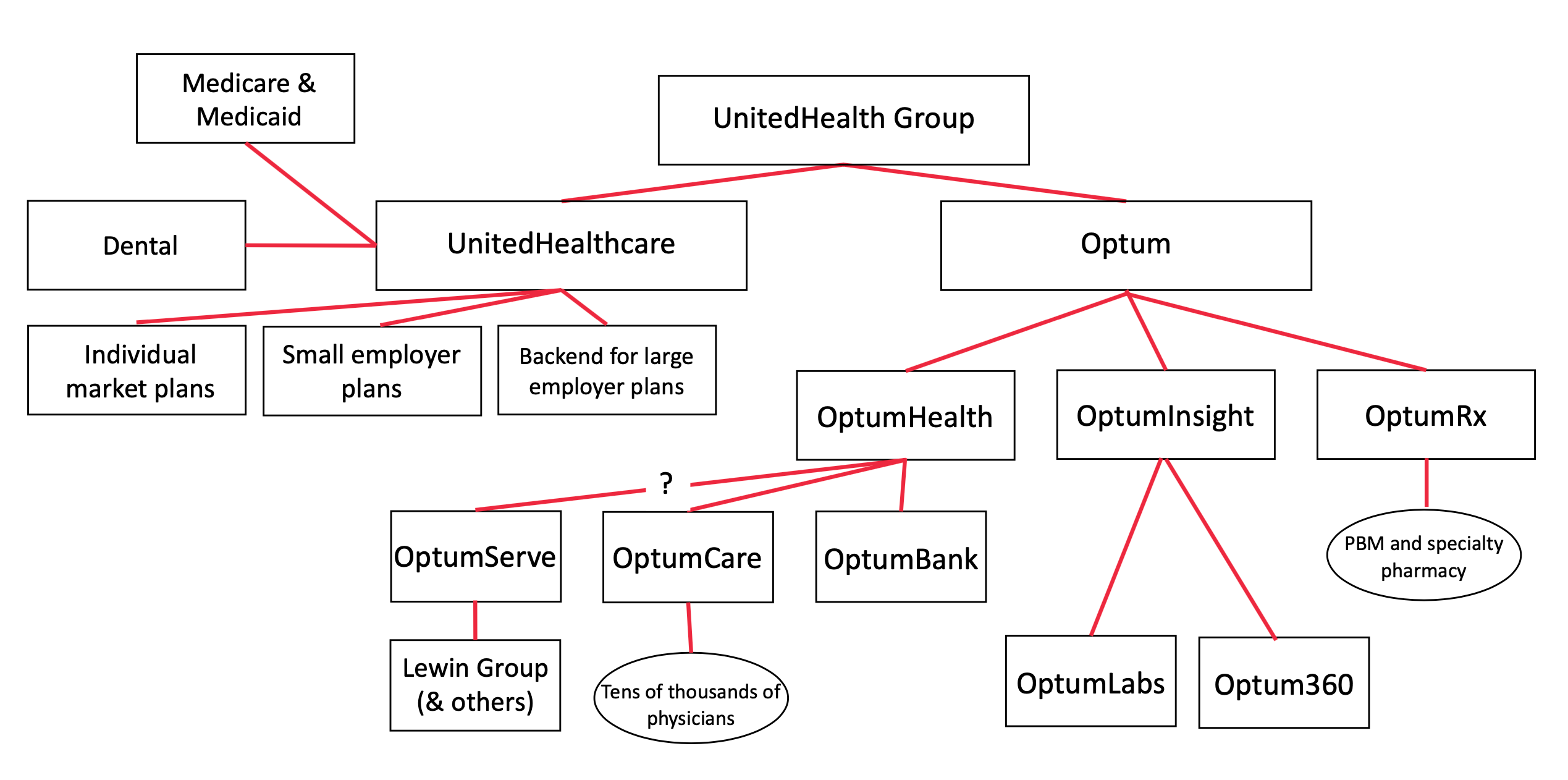
Understanding the scope of modern American healthcare requires examining the corporate lineage of UnitedHealth Group and its primary operating division, UnitedHealthcare. While many consumers interact with UnitedHealthcare simply as an insurance card in their wallet, the organization functions as a massive health care and well-being company operating across two distinct pillars: UnitedHealthcare, which provides health care coverage and benefits services, and Optum, which delivers information and technology-enabled health services.
To trace the history of this enterprise is to track the broader consolidation, corporatization, and technological transformation of the United States health care system over the past half-century. What began as a pioneering concept in managed care has expanded into a multinational enterprise influencing medical delivery, pharmacy benefits, data analytics, and clinical care models worldwide.
Foundational Origins and the Birth of Managed Care (1970s)
The roots of the company stretch back to the early 1970s during a period of significant structural change in American medicine. In 1974, a group of physicians and business leaders in the Minneapolis-St. Paul area, led by Richard T. Burke, sought to create a more organized and cost-effective approach to delivering medical services. This initiative resulted in the formation of Charter Med Incorporated, which initially served as a parent organization for a newly structured health maintenance organization (HMO) known as United Health Care.
The early strategy focused on the Twin Cities market, leveraging the region's strong tradition of cooperative healthcare innovation. In 1977, the corporate structure was reorganized, establishing United HealthCorp as a publicly traded parent management company. This corporate realignment allowed the founders to scale their managed care model beyond Minnesota.
During this era, the HMO model was gaining regulatory favor through federal legislation such as the Health Maintenance Organization Act of 1973, which provided financial incentives and structural guidelines for prepaid health plans. United HealthCorp capitalized on this regulatory framework, positioning itself as an administrative intermediary that coordinated care networks, managed utilization review, and negotiated pricing structures with hospitals and physicians to control rising medical costs.
Diversification and Strategic Acquisitions (1980s–1990s)
Throughout the 1980s, United HealthCorp pursued a strategy of aggressive geographic expansion and service diversification. The company recognized that relying solely on traditional HMO products in a single region limited its long-term growth potential. To mitigate market saturation risks, United HealthCorp began acquiring regional health plans, preferred provider organizations (PPOs), and specialized risk-management operations across the United States.
A defining moment in this expansion phase occurred in the mid-1990s under the leadership of William McGuire. In 1995, the company acquired the MetLife managed care business, a transaction that significantly accelerated its national footprint and expanded its commercial employer client base.
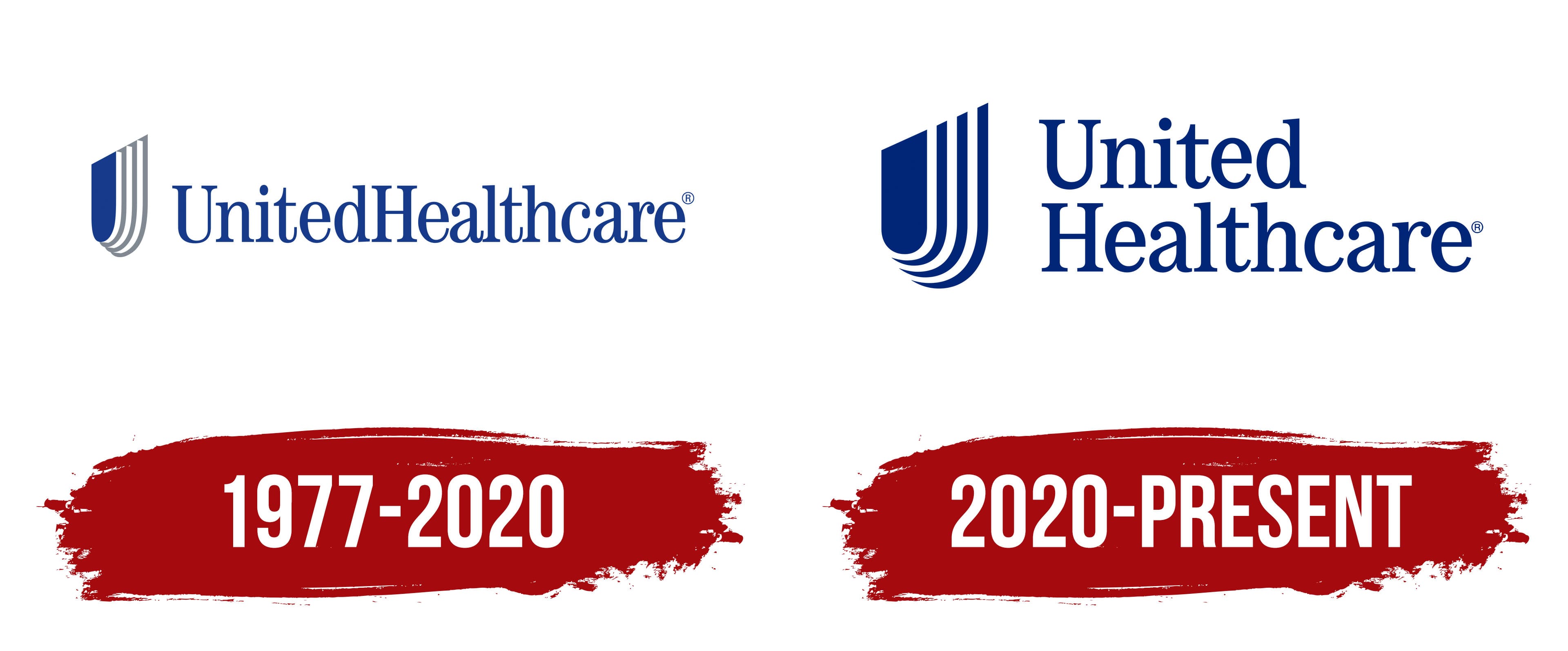
To better reflect its broadening portfolio of health-related services—which now included senior health solutions, specialty benefits, and psychological care management—the corporation officially changed its name to UnitedHealth Group in 1998. The primary health insurance underwriting and administration business was organized under the distinct brand name UnitedHealthcare.
This period also marked the early development of proprietary software platforms designed to automate claims processing, streamline provider credentialing, and analyze clinical data. By standardizing administrative workflows, UnitedHealth Group sought to achieve economies of scale that smaller, regional insurers could not replicate.
The Genesis of Optum and the Modern Era (2000s–2010s)
Entering the 21st century, UnitedHealth Group recognized that future growth required moving beyond traditional insurance underwriting toward health services, pharmacy benefit management (PBM), and healthcare data analytics. The regulatory landscape was shifting, and medical cost inflation presented ongoing margin pressures for risk-bearing insurers.
To address these challenges, the corporation undertook a massive restructuring of its non-insurance operations, consolidating its health services, technology, and pharmacy management units under a new brand umbrella: Optum, launched in 2011. Optum was structured into three primary business segments:
- OptumHealth: Focused on care delivery, consumer engagement, and clinical solutions.
- OptumInsight: Provided software, information technology, consulting, and data analytics services to hospitals, care providers, life sciences companies, and government agencies.
- OptumRx: Managed pharmacy benefits, specialty pharmacy distribution, and mail-order prescriptions.
By building Optum alongside UnitedHealthcare, UnitedHealth Group created an integrated operating model often referred to in the industry as a "payer-provider" or diversified health services ecosystem. This dual structure allowed the enterprise to capture revenue across multiple points of the healthcare delivery chain, from insuring patients to analyzing clinical outcomes, managing pharmacy supply chains, and directly employing or affiliating with physicians through acquisitions of medical groups such as DaVita Medical Group (integrated into OptumCare in 2019).
Evolution of Healthcare Segments and Services
| Segment | Primary Function | Historical Focus / Evolution |
|---|---|---|
| UnitedHealthcare Employer & Individual | Commercial health insurance for large enterprises, small businesses, and individuals. | Evolved from local HMOs to a national network offering commercial PPOs, consumer-directed health plans, and self-funded administrative services. |
| UnitedHealthcare Community & State | Managed care solutions for state Medicaid and state-supported health programs. | Expanded significantly following the implementation of the Affordable Care Act and state-level Medicaid managed care expansions. |
| UnitedHealthcare Medicare & Retirement | Health and well-being services for older Americans, including Medicare Advantage and Medicare Supplement plans. | Grew into one of the largest providers of Medicare-related private insurance products in the United States. |
| OptumRx | Pharmacy benefit management and specialty pharmacy services. | Built through strategic consolidation of PBM assets to manage drug formularies, retail pharmacy networks, and mail-order delivery. |
| OptumInsight & OptumHealth | Health care IT, data analytics, consulting, and direct patient care delivery. | Established to diversify revenue away from pure insurance risk, incorporating clinical practices, ambulatory surgical centers, and software systems. |
Regulatory Scrutiny, Legal Challenges, and Market Position
As UnitedHealth Group grew into the largest healthcare company in the world by revenue, its immense scale attracted substantial regulatory scrutiny, antitrust investigations, and public debate regarding healthcare costs, insurance claim denials, and market consolidation.
Throughout the 2000s and 2010s, consumer advocacy groups and medical associations raised concerns regarding the growing market power of large insurers and PBMs. Antitrust regulators scrutinized several major proposed acquisitions, leading to heightened oversight of how health insurers integrate with provider networks and pharmacy supply chains. Furthermore, class-action lawsuits and regulatory inquiries frequently targeted utilization management practices, such as the criteria used for prior authorization and emergency room claim approvals.
Despite these challenges, the company's financial performance remained robust, driven by the steady growth of its Medicare Advantage portfolio and the continuous expansion of Optum. The enterprise adapted to major legislative milestones, including the implementation of the Affordable Care Act (ACA) in 2010, by recalibrating its participation in individual public health insurance exchanges, initially expanding broadly before strategically withdrawing from markets where risk pools proved unstable.
Corporate Leadership and Strategic Continuity
The modern trajectory of UnitedHealth Group has been shaped by a succession of influential chief executive officers who prioritized diversification and technological investment. Following Richard T. Burke’s foundational tenure, William McGuire led the company through its explosive growth phase in the 1980s and 1990s.
Subsequent leadership under Stephen J. Hemsley and later Andrew Witty focused heavily on solidifying the integration of Optum and UnitedHealthcare. Under this executive strategy, the company positioned itself not merely as an insurance carrier, but as an indispensable technology and clinical infrastructure provider for the American healthcare system. Investments in artificial intelligence, digital consumer portals, and value-based care payment models became central pillars of the corporate strategy, aimed at shifting reimbursement mechanisms away from traditional fee-for-service toward outcome-based compensation.
Frequently Asked Questions
When was UnitedHealthcare founded?
UnitedHealthcare's corporate lineage began in 1974 with the establishment of Charter Med Incorporated in Minneapolis, Minnesota. The organization was restructured as United HealthCorp in 1977 and later renamed UnitedHealth Group in 1998, with UnitedHealthcare serving as its primary insurance and benefits division.
What is the difference between UnitedHealth Group and UnitedHealthcare?
UnitedHealth Group is the publicly traded parent corporation that oversees all business operations. UnitedHealthcare is the specific operating division responsible for health insurance coverage, benefit administration, and network management, whereas its sister enterprise, Optum, handles health services, pharmacy benefits, and data technology.
How did Optum become part of the company?
Optum was established in 2011 by UnitedHealth Group to consolidate its pre-existing health services, pharmacy benefit management (OptumRx), information technology (OptumInsight), and care delivery (OptumHealth) units into a single unified brand, diversifying the company beyond traditional insurance underwriting.
What markets does UnitedHealthcare currently serve?
UnitedHealthcare serves millions of customers across commercial employer-sponsored plans, individual policies, state-administered Medicaid programs (Community & State), and federal Medicare programs, including Medicare Advantage and Medicare Supplement plans (Medicare & Retirement).
What factors drove UnitedHealthcare's growth into a large healthcare enterprise?
The company's expansion was driven by a combination of early adoption of the HMO model, an aggressive strategy of regional and national corporate acquisitions throughout the 1980s and 1990s, the scaling of administrative technology platforms, and the strategic diversification into pharmacy benefits and health data analytics via Optum.
Conclusion and Recommended Next Actions
Examining the history of UnitedHealthcare provides critical context for understanding how the modern American healthcare market operates today, highlighting the interplay between managed care, clinical delivery, and healthcare technology. For researchers, policy analysts, or consumers seeking to evaluate health plan options, enterprise disclosures, or regulatory filings, consulting primary corporate history archives, SEC filings via the U.S. Securities and Exchange Commission, and official investor relations materials from UnitedHealth Group offers verified data on financial performance, corporate structure, and regulatory compliance.
Image Gallery