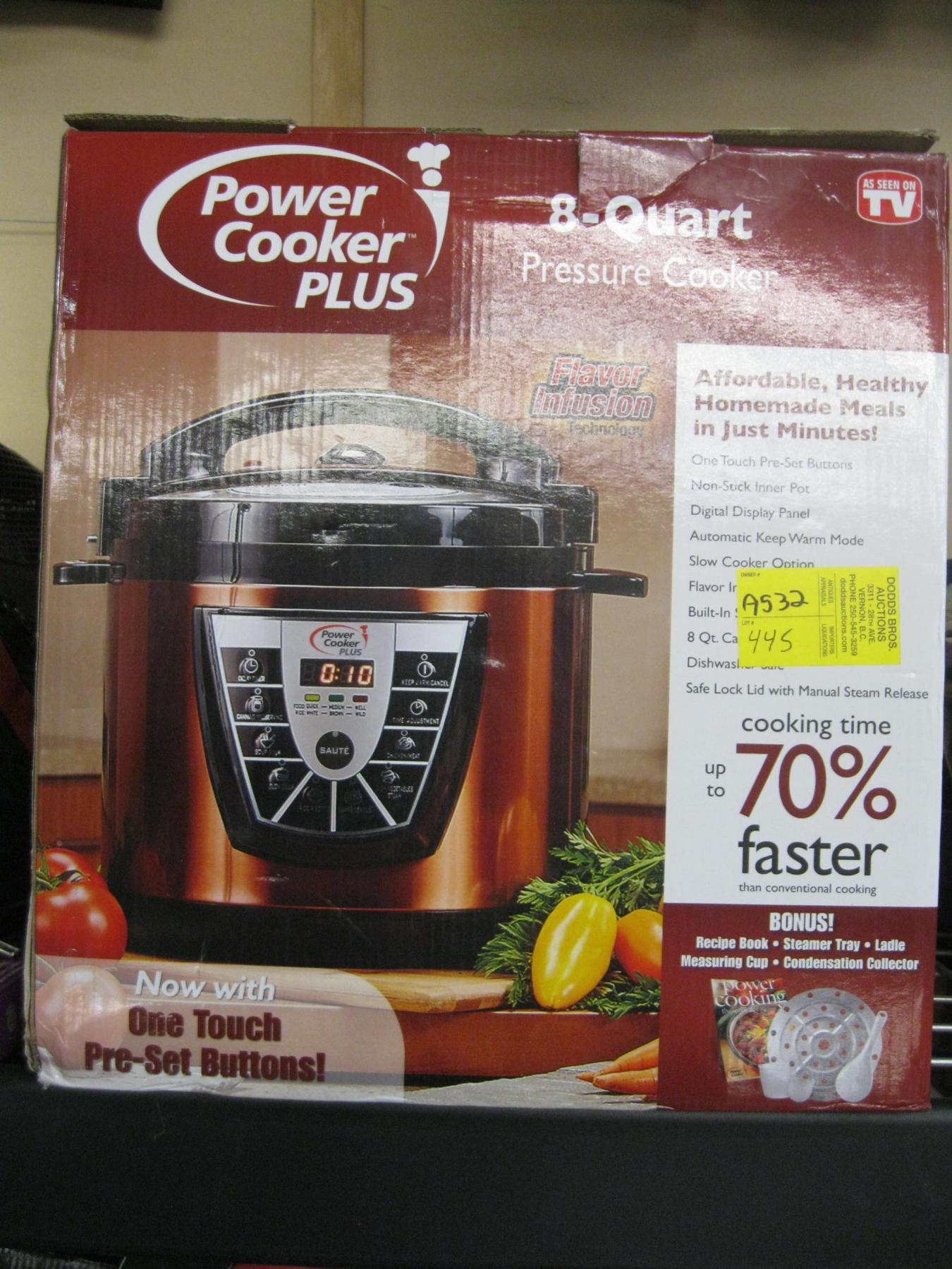
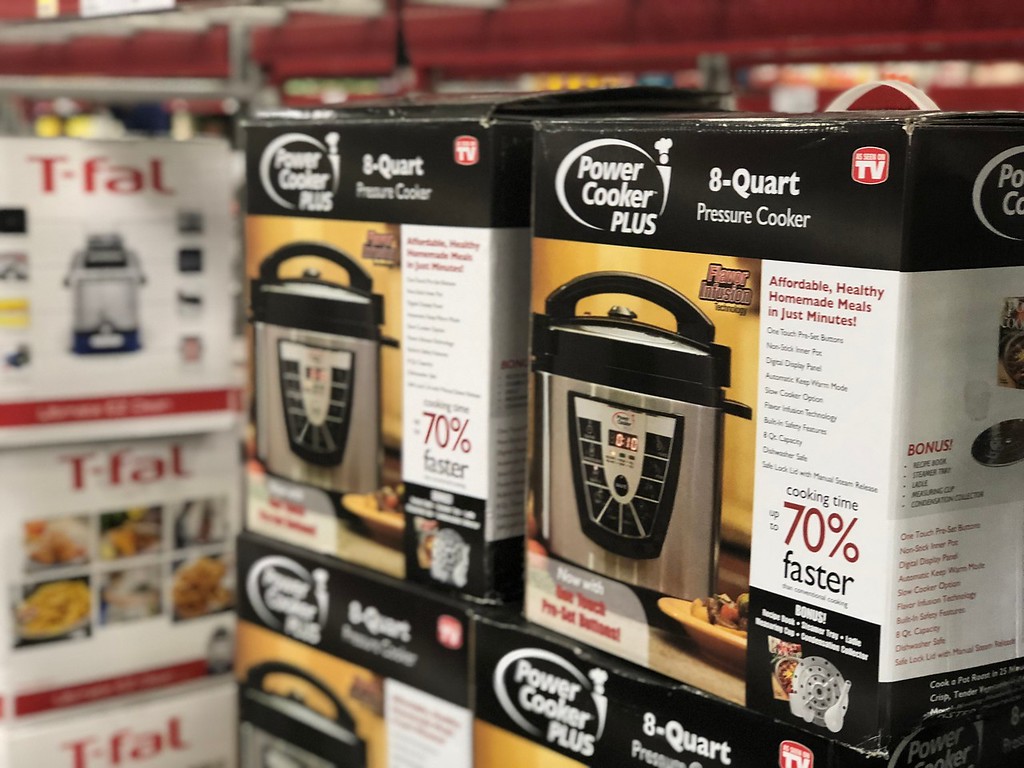
How Power Cooker Plus Transforms Home Cooking
The Power Cooker Plus transforms home cooking by combining multiple kitchen appliances into a single, programmable countertop unit that utilizes sealed pressure technology to drastically reduce meal preparation times while enhancing fl...
The Power Cooker Plus transforms home cooking by combining multiple kitchen appliances into a single, programmable countertop unit that utilizes sealed pressure technology to drastically reduce meal preparation times while enhancing flavor retention and nutrient density.
Contents
The modern kitchen has evolved from a space cluttered with single-use gadgets into a streamlined culinary laboratory where efficiency, speed, and versatility reign supreme. For decades, home cooks balanced slow cookers, rice makers, steamers, and traditional stovetop pressure vessels, navigating a maze of monitoring, timing, and cleanup. The introduction of advanced digital multi-cookers fundamentally altered this dynamic. Among these devices, the Power Cooker Plus emerged as a staple for households seeking to bridge the gap between restaurant-quality meals and the realities of a busy schedule. By leveraging closed-system thermodynamic principles, this appliance does more than simply cook food faster; it fundamentally changes how individuals approach meal planning, ingredient preparation, and flavor development.
The Mechanics of Pressure Cooking
To understand how the Power Cooker Plus revolutionizes the kitchen, one must first examine the physics behind sealed-environment cooking. Traditional boiling occurs when water reaches $212^\circ\text{F}$ ($100^\circ\text{C}$) at standard atmospheric pressure. At this threshold, liquid converts into steam, and temperature ceases to rise regardless of how much heat is applied.
A pressure cooker traps steam inside a heavy-duty, gasket-sealed chamber. As heat builds, the trapped steam increases the internal atmospheric pressure. This elevated pressure forces the boiling point of water upward—often reaching approximately $250^\circ\text{F}$ ($121^\circ\text{C}$). This higher thermal ceiling forces heat deep into the cellular structure of dense ingredients much faster than conventional methods.
Beyond sheer speed, this sealed environment prevents moisture and volatile aromatic compounds from escaping into the air. In an open pot, valuable flavors evaporate with steam. In a Power Cooker Plus, these aromatic molecules condense on the interior lid and fall back into the cooking liquid. The result is a concentration of natural flavors that often requires hours of simmering to achieve on a conventional stovetop.
Transitioning from Single-Use Gadgets to Multi-Functionality
Countertop space is a premium commodity in contemporary homes. The traditional culinary setup demanded separate investments in rice cookers, slow cookers, steam baskets, yogurt makers, and searing pans. The Power Cooker Plus consolidates these functions into a unified digital interface.
| Appliance Replaced | Traditional Limitation | Power Cooker Plus Advantage |
|---|---|---|
| Slow Cooker | Requires 6 to 8 hours; must be started early in the work day. | Can replicate slow-cooked tenderness in a fraction of the time, or execute actual slow-cooking programs when desired. |
| Stovetop Pressure Cooker | Requires manual heat adjustments, constant monitoring, and carries historical safety concerns. | Digital microprocessors automate pressure regulation, temperature control, and safety locking mechanisms. |
| Rice/Grain Cooker | Dedicated single-use footprint that sits idle for much of the week. | Calibrated programs handle white rice, brown rice, quinoa, and risotto with automated shut-off. |
| Searing Pan | Creates extra dishes and requires transferring ingredients between separate vessels. | Built-in browning and searing modes allow one-pot meal preparation from start to finish. |
This multi-function capability reduces cleanup and changes the psychological barrier to cooking from scratch. When a user realizes an entire meal—from seared meat to steamed vegetables and seasoned grains—can be executed inside a single inner pot, the friction of weeknight dinner preparation diminishes significantly.
Nutritional Retention and Flavor Infusion
A common misconception among culinary traditionalists is that fast cooking methods destroy the nutritional value of food. In reality, water-soluble vitamins and minerals often leach out of vegetables when they are boiled in large quantities of water over extended periods and then drained down the sink.
Because the Power Cooker Plus operates with minimal liquid and drastically reduced cooking durations, delicate nutrients are subjected to heat for a shorter window. Steam-pressure cooking preserves vitamin C and various B-complex vitamins far more effectively than prolonged boiling or high-heat roasting.
Furthermore, the pressure-infused environment excels at breaking down tough collagen in inexpensive cuts of meat. Tough connective tissues consist of collagen molecules bound tightly together. When exposed to moist heat under pressure, collagen hydrolyzes into gelatin. This transformation yields fork-tender chuck roasts, pork shoulders, and lamb shanks without requiring expensive cuts of meat or hours of attentive basting.
Practical Integration into Daily Meal Planning
Integrating a multi-cooker into a household routine requires shifting away from sequential cooking toward simultaneous or layered preparation. Because the device handles high-pressure environments safely and efficiently, cooks can structure their schedules around automated presets rather than kitchen surveillance.
Weeknight Time Management
For working families, the primary bottleneck of home cooking is the post-work rush. Traditional recipes that demand 45 minutes of active stovetop attention often lose out to convenience foods or takeout. The Power Cooker Plus addresses this by shifting active prep to off-peak hours or streamlining the cooking phase through automation:
- Ingredient Staging: Chop vegetables and measure proteins in advance or store them in pre-portioned containers.
- Layering and Searing: Utilize the browning function directly in the inner pot to build a foundational flavor base with aromatics like onions, garlic, and spices.
- Pressure Cycle: Add liquids, seal the lid, and select the appropriate digital preset. The internal microprocessor manages the pressure cycle, followed by a keep-warm phase if desired.
- Natural vs. Quick Release: Choose between natural pressure release (allowing pressure to drop gradually for meats to relax) or quick-release valves (for vegetables that require immediate halting of the cooking process).
Adapting Traditional Recipes
Converting conventional stovetop or oven recipes for the Power Cooker Plus requires understanding liquid ratios. Because steam cannot escape during high-pressure cycles, sauces and broths do not reduce significantly during the pressure phase.
- Liquid Reduction: Reduce added liquids by roughly 30% to 50% compared to standard stovetop recipes, unless cooking thirsty grains like rice or beans that absorb large volumes of water.
- Thickening Agents: Starches, dairy products, and thickeners like cornstarch or flour should generally be added after the pressure cooking cycle is complete. Introducing dairy under high pressure can cause curdling or scorching against the heating element.
Common Operational Mistakes and Troubleshooting
While the appliance is designed for ease of use, operators occasionally encounter performance hurdles due to misunderstandings of basic pressure dynamics. Recognizing these common pitfalls ensures consistent culinary success and maintains equipment longevity.
The Dreaded Burn Notice and Sealing Issues
The most frequent issue reported by users is the appearance of a burn warning or scorching indicator on the digital display. This typically occurs for two main reasons:
- Insufficient Liquid: The appliance relies on water vaporization to generate steam and pressure. If a recipe contains too little thin liquid or features thick tomato- or starch-based sauces at the bottom of the pot without adequate water, the base will overheat.
- Food Debris on the Heating Element: Failure to wipe the exterior bottom of the inner pot dry before insertion can cause localized hot spots between the pot and the heating plate.
Another critical maintenance point is the silicone sealing ring. This ring must be seated correctly inside the lid's wire rack. If the ring is warped, dirty, or improperly installed, the unit will fail to pressurize, continuously venting steam through the safety valve instead of locking the chamber.
Economic and Lifestyle Impacts
Beyond culinary execution, adopting a high-efficiency pressure cooker yields tangible lifestyle and economic benefits.
- Grocery Budget Optimization: Tougher, less expensive cuts of meat—such as beef brisket, pork shoulder, and bone-in poultry—are often significantly cheaper per pound than tenderloin or chicken breast. The Power Cooker Plus transforms these budget-friendly ingredients into gourmet entrees, reducing overall household food expenditures.
- Energy Efficiency: Enclosed pressure cooking uses less electricity than heating a large electric oven or running multiple stovetop burners for hours. The insulated housing retains heat effectively, translating to lower utility footprints over time.
- Culinary Confidence: The predictable, timer-based operation removes much of the guesswork from cooking. Beginners can achieve results that previously demanded advanced culinary training, encouraging more frequent home cooking and healthier eating habits.
Frequently Asked Questions
Can frozen meat be cooked directly in the Power Cooker Plus?
Yes, the appliance can safely cook frozen meat directly, though adjustments to cooking time are necessary. You must increase the cooking duration by approximately 50% compared to fresh meat and ensure the total volume of liquid meets the minimum requirement to generate sufficient steam. For optimal results and even texture, searing thawed meat beforehand is still recommended.
How do I clean and maintain the silicone sealing ring?
The silicone sealing ring absorbs food odors over time. To clean it thoroughly, remove the ring from the lid after each use and wash it in warm, soapy water or place it on the top rack of a dishwasher. Storing the lid upside down on the cooker when not in use allows air to circulate, preventing lingering odors from trapping in the silicone.
Is it safe to open the cooker immediately after the timer finishes?
Opening the unit immediately depends entirely on the pressure release method required for the specific recipe. Using the quick-release valve releases steam rapidly, which is suitable for vegetables and delicate items. However, opening meats too quickly can cause them to toughen because the muscle fibers do not have time to relax. Always verify that all internal pressure has completely dissipated before attempting to unlock the lid.
Can the inner pot be used on a traditional stovetop?
Most standard multi-cooker inner pots are crafted from aluminum with non-stick coatings designed specifically for electric heating elements. While some models feature heavy-duty stainless steel pots that tolerate stovetop or oven use, you should consult the specific product manual before exposing the inner pot to open flames or induction burners.
Why is my food watery after pressure cooking?
Watery results almost always stem from the sealed nature of the appliance. Because steam has nowhere to escape, liquids do not evaporate during the cooking cycle. To fix this, simply use the unit's sauté or simmer function with the lid removed for a few minutes after the pressure cycle completes to reduce sauces to the desired consistency.
Conclusion
The Power Cooker Plus represents a fundamental shift in domestic meal preparation. By merging physics, digital automation, and multi-functional hardware, it removes the barriers of time and complexity that traditionally discouraged home cooking. Whether converting tough, budget-friendly cuts of meat into tender feasts or executing complex grain dishes with hands-off precision, this appliance empowers home cooks to elevate their culinary output with minimal effort and maximum efficiency.
Image Gallery