Free Club Membership Software: Navigating Options, Features, and Implementation
Free club membership software provides community groups, non-profits, sports teams, and hobbyist organizations with essential digital tools to manage member databases, process renewals, and track attendance without upfront subscription...
Free club membership software provides community groups, non-profits, sports teams, and hobbyist organizations with essential digital tools to manage member databases, process renewals, and track attendance without upfront subscription costs.
Contents
Managing a community group or member-based organization requires keeping track of member directories, tracking dues, sending event announcements, and maintaining secure communication channels. For smaller organizations, startups, and volunteer-run associations, paying a monthly Software-as-a-Service (SaaS) subscription fee can strain limited financial resources. Free club membership software solutions offer an accessible entry point, allowing organizers to digitize operations without incurring fixed overhead expenses.
However, evaluating zero-cost software options requires a thorough understanding of hidden limitations, scaling constraints, and functional trade-offs. Organizations must balance immediate budget relief against data ownership, processing fees, and future growth requirements.
Understanding Free Club Membership Software
Free club membership software refers to digital platforms that offer database management, communication tools, and administrative features at zero cost to the user. These solutions generally fall into two categories: completely free, open-source software (OSS) that users self-host, and freemium proprietary platforms that offer a limited free tier backed by paid enterprise upgrades.
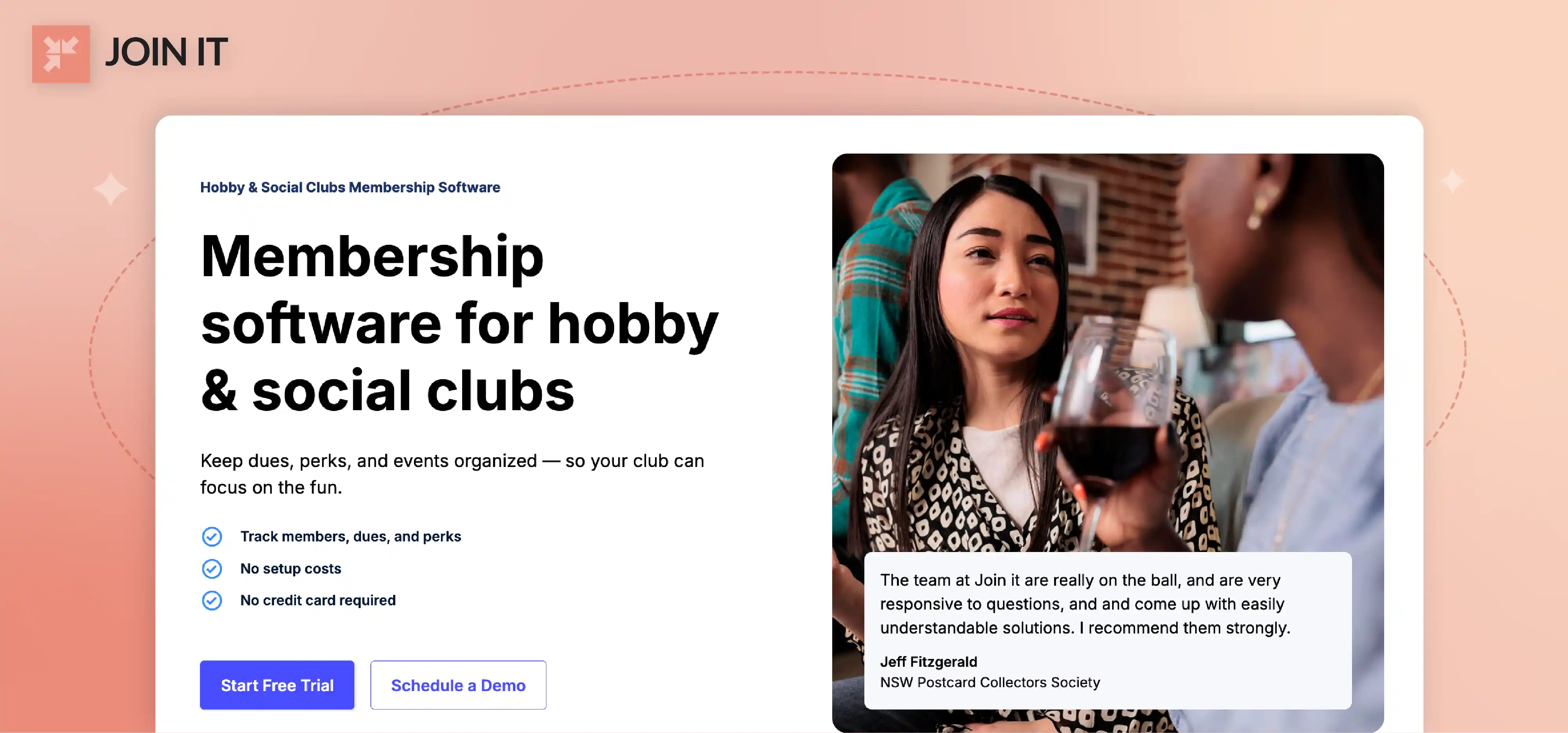
Open-source solutions give administrators complete control over their database and source code. Software like CiviCRM integrates with content management systems to provide deep customization, but it requires technical expertise to set up, secure, and maintain on a web server. Conversely, freemium cloud software—such as free tiers provided by platforms like WildApricot, Join It, or general-purpose CRM tools—handles hosting and updates automatically. However, these proprietary tiers often cap the total number of members, limit administrative user seats, or restrict advanced reporting capabilities.
Evaluating these platforms requires looking past marketing terminology to understand how vendors monetize their free offerings. Many free tiers generate revenue by charging transaction fees on event registrations or membership dues collected through integrated payment gateways. Others rely on upselling users to higher tiers once member databases expand past a specific threshold, such as 50 or 100 active profiles.
Core Features to Look For
Selecting the right platform requires identifying the essential operational functions necessary for day-to-day club management. While specific requirements vary by organization type, most successful implementations rely on a core set of features.
Member Database and Directory Management
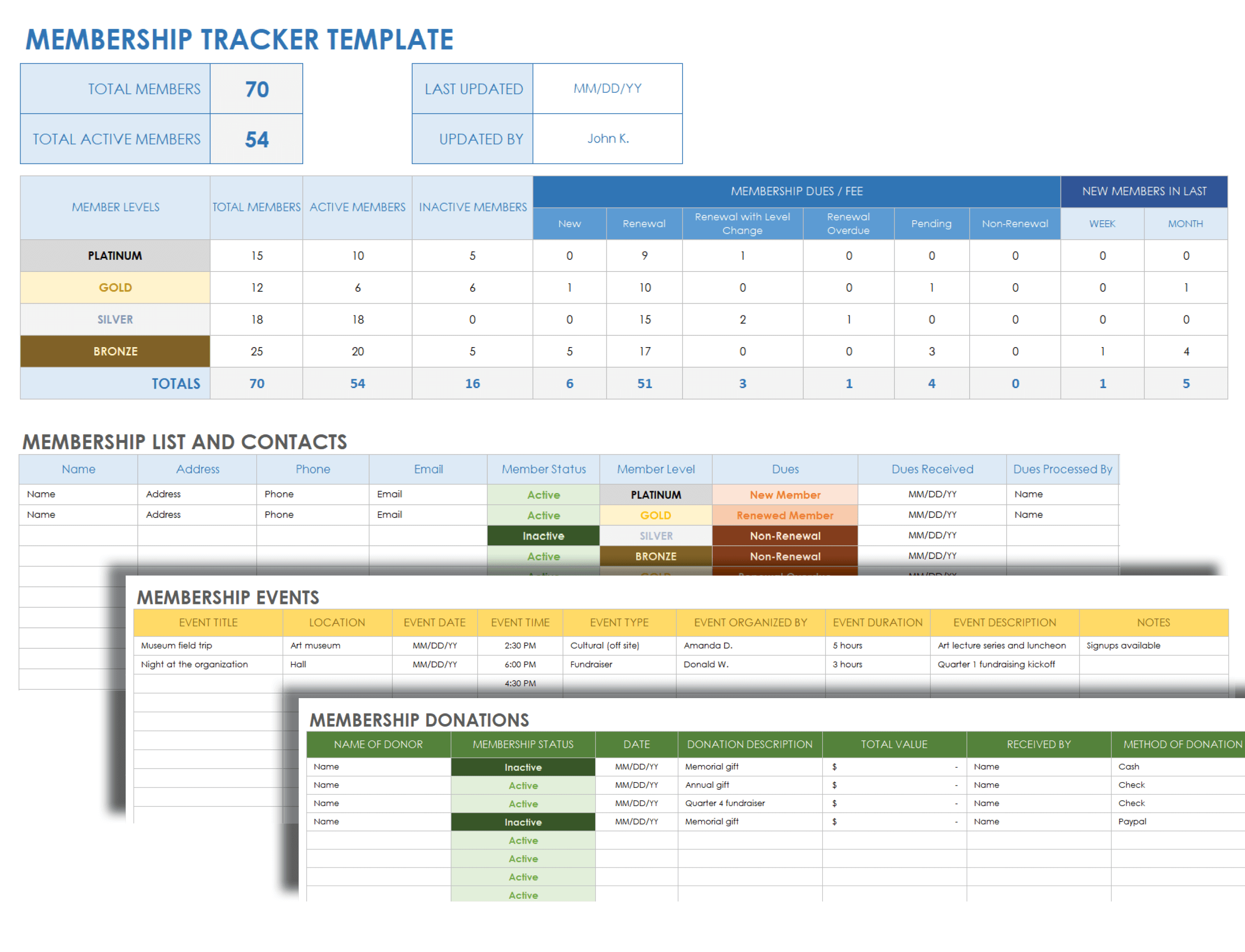
A centralized database eliminates fragmented spreadsheets and paper records. Effective software allows administrators to store contact details, track membership status, record renewal dates, and categorize members into custom groups or tiers. Self-service portals enable members to update their own profiles, reducing administrative overhead.
Communication and Messaging Tools
Maintaining engagement depends on reliable communication channels. Essential platforms include bulk email capabilities, newsletter integration, and automated notification systems for membership renewals, event reminders, and fee due dates. Built-in permission settings ensure administrators can control who sends announcements to the broader membership base.
Event Registration and Attendance Tracking
For clubs that host meetings, workshops, or social gatherings, event management tools streamline headcounts and ticketing. The software should handle RSVPs, track attendance history, and provide simple check-in capabilities at the door.
Payment and Dues Processing
Even when software is free to use, managing financial transactions securely is vital. Platforms typically integrate with third-party payment processors like Stripe or PayPal to collect dues, donations, or event fees. Administrators must verify whether the software adds transaction surcharges on top of standard payment gateway processing fees.
Comparing Free and Paid Club Management Solutions
| Feature Category | Free Tiers / Open-Source | Paid SaaS Solutions |
|---|---|---|
| Upfront Cost | $0 (Zero monthly license fee) | Monthly or annual subscription fees |
| Member Limits | Often capped (e.g., 50 to 250 profiles) or unlimited for open-source | Generally scales based on active database volume |
| Technical Requirement | Varies; open-source demands hosting setup; freemium is plug-and-play | Minimal; managed cloud infrastructure with customer support |
| Transaction Fees | Often higher payment processing or platform transaction cuts | Lower or waived platform transaction fees |
| Data Ownership | High control in self-hosted environments; standard cloud terms for freemium | Governed by vendor Terms of Service and privacy policies |
| Customer Support | Community forums, documentation, self-guided troubleshooting | Dedicated email, chat, or phone support channels |
Evaluating Open-Source Versus Cloud-Based Freemium Models
When adopting free software, organizations face a strategic choice between open-source platforms and cloud-based freemium models. Each path presents distinct advantages and operational obligations.
Open-source membership software allows technical teams to download, modify, and deploy code on their own servers. This route ensures absolute data privacy and removes arbitrary limits on member counts or custom fields. However, self-hosting incurs indirect costs. Organizations must pay for web hosting, secure SSL certificates, domain names, and technical maintenance. If a security vulnerability emerges, the organization is solely responsible for applying software patches.
Cloud-based freemium models shift technical responsibility to the vendor. The software is accessible via a web browser without installation requirements. Data is backed up automatically, and updates roll out seamlessly. The trade-off lies in scalability. Once a club surpasses the maximum allowed member count on the free tier, it must either export its data to another platform or transition to a paid monthly plan. Furthermore, organizations must review data privacy policies to ensure compliance with regional data protection standards, as third-party cloud vendors store member information on external servers.
Potential Pitfalls and Hidden Costs
Adopting free software does not eliminate all financial and operational risks. Organizations must carefully review platform terms to avoid unexpected disruptions.
- Transaction Surcharge Traps: Many free tools monetize by taking a percentage of every dollar processed through the platform. For clubs collecting hundreds of dollars in annual dues, these fees can eventually cost more than a flat-rate paid software subscription.
- Sudden Tier Modifications: Cloud vendors frequently alter their pricing models and feature limits. A free tier available today may become a paid-only feature next year, forcing organizations into abrupt migrations.
- Data Lock-In: Proprietary platforms may restrict data export formats, making it difficult to migrate member lists and historical transaction records if the club outgrows the free tool.
- Support Deficits: Free tiers rarely include dedicated customer support. Troubleshooting technical glitches, payment integration errors, or database corruption relies entirely on community forums, knowledge bases, or self-guided testing.
Implementation Steps for Organizations
Transitioning a club to a new membership management platform requires a structured approach to prevent data loss and member friction.
- Audit Current Records: Gather all existing spreadsheets, paper sign-up sheets, and payment logs. Clean the data by removing duplicate entries and outdated contact information.
- Define Requirements: List mandatory features, such as payment gateway integration or specific custom fields for member attributes, to narrow down suitable platforms.
- Test the Platform: Set up a test environment or free account. Import a small sample of dummy member data to evaluate user interface navigation and administrative workflows.
- Configure Security and Permissions: Establish role-based access controls to ensure sensitive member data remains accessible only to authorized board members or administrators.
- Onboard Members: Send a clear, instructional communication to existing members explaining how to log into the new portal, update their profiles, and verify their membership status.
Frequently Asked Questions
Is free club membership software truly 100% free?
While software license fees are zero, organizations frequently encounter indirect expenses. These can include payment gateway processing fees, third-party hosting costs for open-source installations, or paid add-ons required for specific integrations.
Can free software handle membership renewals automatically?
Many freemium platforms and open-source systems support automated renewal notices and subscription reminders. However, automated payment collection for recurring renewals often requires connecting a verified payment processor like Stripe.
What happens to my data if the free platform shuts down?
Data portability depends entirely on the platform's export capabilities. Organizations should verify that the software allows complete data exports in standard formats like CSV or Excel to ensure records remain recoverable.
Are free membership tools compliant with data privacy regulations?
Compliance depends on the software provider's security standards and where data is stored. Organizations operating in regions with strict privacy laws, such as GDPR or CCPA, must verify that their chosen platform provides secure data handling and privacy controls.
How many members can a free tier typically support?
Free cloud tiers generally impose caps ranging from 50 to 250 active member profiles. Open-source, self-hosted software does not impose artificial caps, though database size is ultimately limited by the capacity of the chosen web hosting server.
Recommended Next Actions
To successfully implement free club membership software, start by documenting your organization's exact administrative workflows and member volume. Test two distinct platforms—one open-source option and one cloud-based freemium tool—using sample data to assess usability and long-term viability before committing your community's records to a single system.
Image Gallery