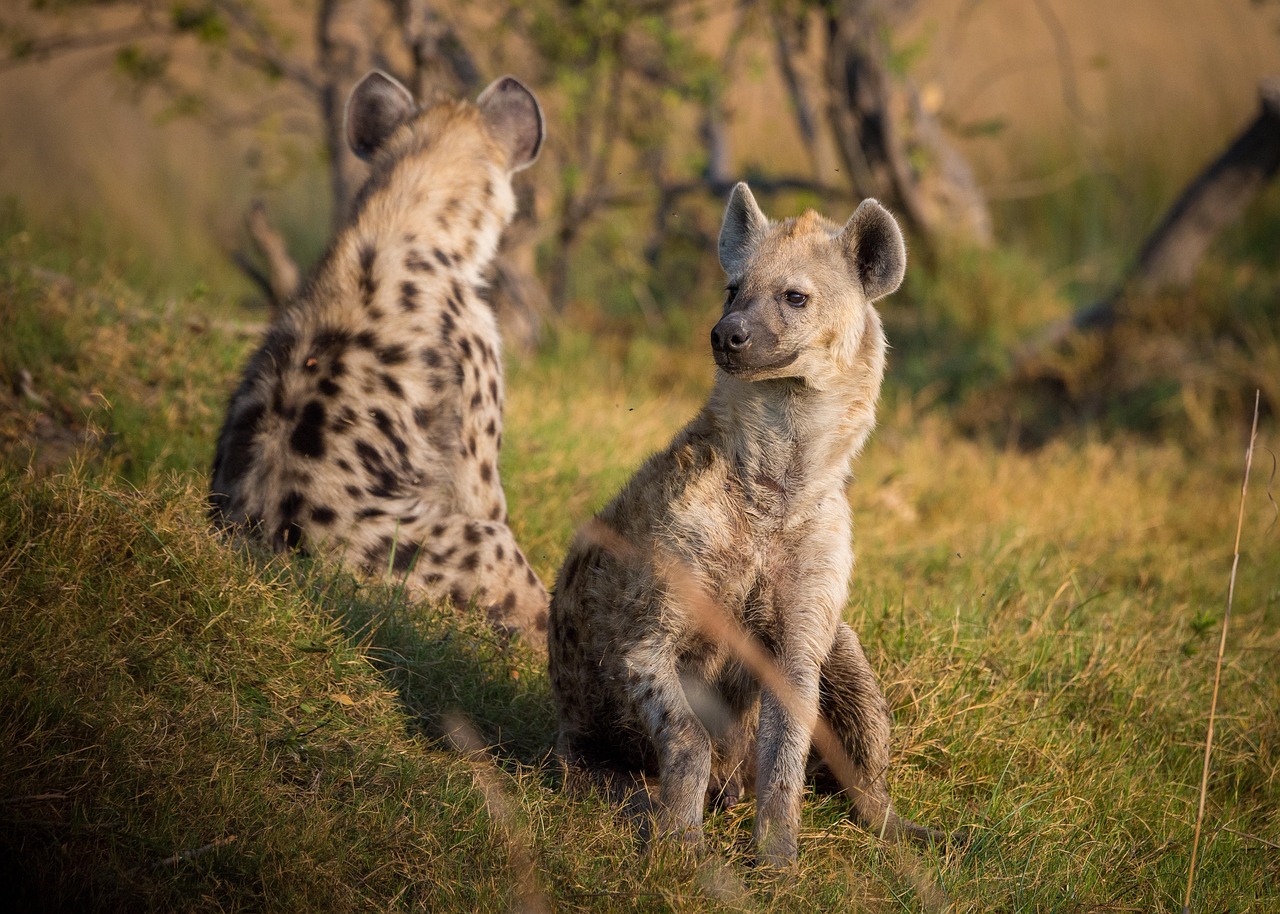
Why the Hyena's Population Matters for Ecosystems
Hyenas play a critical ecological role as apex scavengers and predators, regulating herbivore populations, suppressing disease transmission by removing carcasses, and stabilizing food webs across African savannas and grasslands. When e...
Hyenas play a critical ecological role as apex scavengers and predators, regulating herbivore populations, suppressing disease transmission by removing carcasses, and stabilizing food webs across African savannas and grasslands.
Contents
When evaluating the health of African ecosystems, conservation conversations often center on charismatic megafauna like lions, elephants, and rhinos. Yet, dismissing the spotted hyena (Crocuta crocuta), striped hyena (Hyaena hyaena), brown hyena (Parahyaena brunnea), and the aardwolf (Proteles cristata) overlooks some of the most influential engineers of the savanna. Far from being mere opportunistic thieves of other predators' kills, hyenas are complex social predators and essential cleanup crews. Their populations directly influence nutrient cycling, predator-prey dynamics, and biodiversity across vast landscapes. Understanding why hyena populations matter requires examining their multifaceted ecological functions, the threats they face, and the cascading impacts of their decline.
The Ecological Role of Hyenas as Apex Scavengers
The most immediate contribution of hyenas to savanna ecosystems lies in their role as dominant scavengers. While popular media often portrays hyenas as passive followers of lions, field research demonstrates that spotted hyenas actually hunt between 50% and 70% of their own food. Nevertheless, their specialized morphology—featuring immense jaw pressure, powerful neck muscles, and specialized teeth—allows them to consume bones, hooves, and teeth that other carnivores leave behind.
This ability to process and digest nearly every part of a carcass provides a vital ecosystem service: rapid waste removal. By stripping carcasses clean within hours, hyenas prevent the accumulation of rotting organic matter that could otherwise serve as a breeding ground for harmful bacteria and pathogens.
| Hyena Species | Primary Diet Focus | Main Geographic Range | Conservation Status (IUCN) |
|---|---|---|---|
| Spotted Hyena | Ungulates (both hunted and scavenged) | Sub-Saharan Africa | Least Concern (Decreasing) |
| Striped Hyena | Carrion, small mammals, fruit, insects | North/East Africa, Middle East, India | Near Threatened |
| Brown Hyena | Coastal carrion, small mammals, fruit | Southern Africa (Namibia, Kalahari) | Near Threatened |
| Aardwolf | Harvester termites (specialized insectivore) | Eastern and Southern Africa | Least Concern |
Disease Regulation and Biosecurity
The sanitary function of hyenas extends far beyond basic waste management. In ecosystems shared by wild ungulates and domestic livestock, the rapid consumption of infectious carcasses acts as a biological firebreak against devastating epizootic diseases.
Pathogens such as anthrax (Bacillus anthracis), rabies, and bovine tuberculosis can persist in the environment or on unconsumed remains for extended periods. When hyenas ingest infected tissue, their highly acidic digestive tracts—featuring a pH level close to 1.0—effectively destroy many pathogens, preventing spores and viruses from re-entering the soil or water supply. Without this natural sanitation system, disease outbreaks among herbivores like wildebeest, zebras, and impalas could escalate unchecked, leading to catastrophic population crashes that would ripple upward through the entire trophic pyramid.
Top-Down Regulation and Trophic Cascades
Beyond scavenging, spotted hyenas function as apex predators exerting powerful top-down pressure on herbivore communities. By selectively targeting old, sick, or young prey, hyenas help maintain the genetic vigor of herbivore herds. This predatory pressure prevents overgrazing and trampling of sensitive riparian zones and grasslands.
In multi-predator systems, hyenas interact dynamically with lions, leopards, and cheetahs. These interactions—often involving intense competition for kills—help distribute predatory pressure across the landscape. Herbivores cannot concentrate in single areas without facing continuous threat, which forces them to keep moving. This nomadic grazing behavior prevents the over-utilization of vegetation, allowing plant communities to recover and supporting a diverse array of smaller mammals, birds, and insects.
Nutrient Cycling and Soil Health
The biological activity of hyenas also drives localized nutrient cycling. Because hyenas consume large quantities of bone, their mineral-rich scat deposits high concentrations of calcium, phosphorus, and nitrogen back into the soil.
In nutrient-poor soils characteristic of certain savanna regions, these latrine sites and dens serve as localized hotspots of fertility. Plant growth around hyena dens is often denser and more nutritious, attracting smaller herbivores and creating micro-habitats that enhance overall biodiversity. Even the bones they crush and excrete break down faster into the soil profile than intact skeletal remains exposed to weathering alone, accelerating the geochemical cycle.
Threats Facing Hyena Populations
Despite their ecological importance, hyena populations face severe and growing anthropogenic pressures across their historical ranges. Recognizing these threats is essential for implementing effective conservation strategies.
- Human-Wildlife Conflict: Hyenas are frequently targeted by pastoralists seeking to protect livestock. Poisoning carcasses, snaring, and shooting remain widespread retaliatory measures.
- Habitat Loss and Fragmentation: Expanding agriculture, infrastructure development, and human settlements divide continuous landscapes into isolated patches, disrupting migratory corridors and clan territories.
- Bushmeat Trade and Persecution: In some regions, hyenas are hunted for traditional medicine or out of cultural superstitions that frame them as malevolent or cowardly creatures.
- Road Mortality: As major roadways intersect wildlife areas, vehicle collisions claim the lives of numerous hyenas, particularly nocturnal scavengers drawn to roadkill.
Conservation Strategies and Future Outlook
Protecting hyena populations requires shifting public perception from fear and aversion to an appreciation of their ecological value. Conservation organizations increasingly emphasize community-based education programs that teach livestock owners how to construct predator-proof bomas (enclosures), thereby reducing conflict at the source.
Furthermore, integrating large carnivores and scavengers into broader landscape-level conservation planning ensures that protected areas are connected by viable corridors. Preserving these species guarantees that the natural feedback loops governing disease control, nutrient cycling, and herbivore regulation remain intact for future generations.
Frequently Asked Questions
Are hyenas closely related to dogs or cats?
Genetically, hyenas belong to the suborder Feliformia, making them closer evolutionary cousins to cats, mongooses, and civets than to canids like dogs, wolves, or jackals. Despite their dog-like appearance—an example of convergent evolution—their internal anatomy, vocalizations, and social structures are uniquely distinct.
Do hyenas only scavenge food from other predators?
No. While spotted hyenas readily scavenge when the opportunity arises, research consistently shows they are formidable, highly coordinated cooperative hunters capable of bringing down large prey such as wildebeest, zebras, and even young giraffes on their own.
Why do hyenas make a laughing sound?
The famous "laughter" of the spotted hyena is not an expression of amusement, but rather a complex vocalization used to signal frustration, excitement, or social status. The pitch and frequency of the call convey the animal's age, rank, and submission level to other members of the clan.
Are hyenas endangered?
Currently, the spotted hyena is listed as Least Concern by the International Union for Conservation of Nature (IUCN) due to its broad distribution and resilient population numbers. However, striped and brown hyenas face localized declines and are classified as Near Threatened, largely due to direct persecution and habitat degradation.
What is the social structure of a spotted hyena clan?
Spotted hyenas live in complex, matrilineal societies called clans that can include up to 80 individuals. Females are larger, heavier, and socially dominant over males, maintaining strict hierarchies that govern access to food, territory, and social standing.
Practical Recommendations for Conservation Support
To support the preservation of hyenas and the ecosystems they sustain, individuals and organizations can take concrete steps:
- Support Habitat Corridors: Donate to or partner with NGOs working to secure transfrontier conservation areas and wildlife corridors in Africa.
- Promote Conflict Mitigation: Back initiatives that provide farmers with predator-proof livestock enclosures, reducing the economic incentive for retaliatory poisoning.
- Advocate Fact-Based Education: Combat wildlife misinformation by sharing scientifically accurate information regarding the vital sanitary and predatory roles carnivores play in natural habitats.
Image Gallery