Analyzing Enterprise Efficiency: A Data Center Cooling Case Study
Modern digital infrastructure demands vast amounts of energy, making thermal management a central challenge for facility operators who must balance extreme computing loads against strict power usage effectiveness targets. Enterprise da...
Modern digital infrastructure demands vast amounts of energy, making thermal management a central challenge for facility operators who must balance extreme computing loads against strict power usage effectiveness targets.
Contents
Enterprise data centers consume staggering amounts of electrical power, a substantial portion of which directly converts into heat. Maintaining optimal operating temperatures for high-density server racks is no longer merely a mechanical engineering concern; it is a core business imperative that dictates operational uptime, hardware longevity, and overall financial viability. As modern workloads scale to accommodate intensive computational demands, conventional air-cooling systems frequently reach their physical limits. This operational friction has led facility managers to explore advanced thermal architectures, liquid-to-air distribution units, and closed-loop coolant systems.
Understanding how high-performance facilities optimize their thermal profiles requires a close examination of empirical data center case studies. By evaluating specific airflow dynamics, heat rejection metrics, and fluid dynamics, engineers can replicate successful methodologies across enterprise campuses. This analysis explores the architectural requirements, cooling methodologies, efficiency metrics, and common troubleshooting steps associated with advanced thermal management in contemporary data facilities.
The Evolution of Data Center Thermal Management
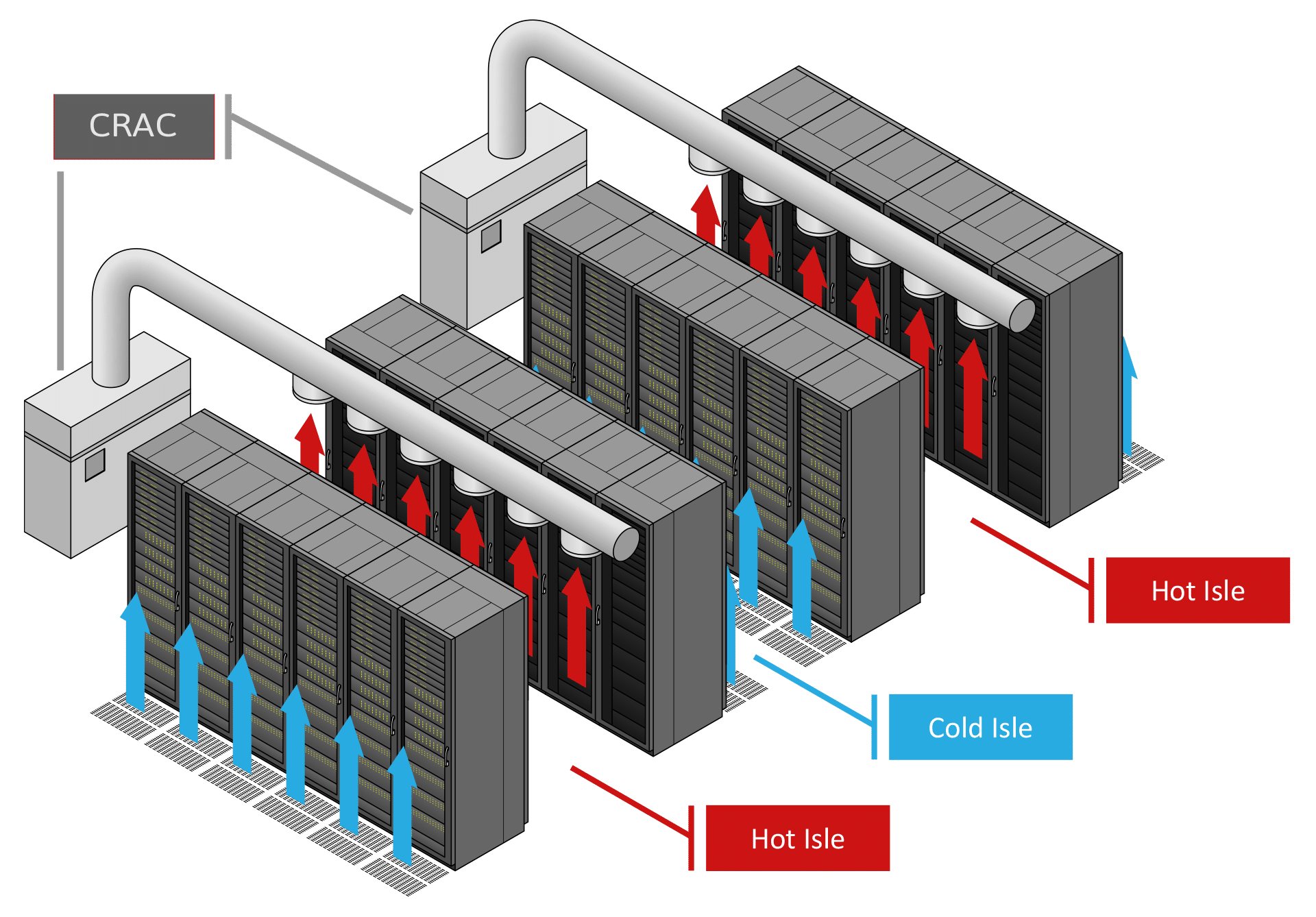
Early data facilities relied on rudimentary perimeter computer room air conditioner (CRAC) units to push chilled air through raised floor plenums. This macro-cooling approach worked adequately for low-density server deployments where heat generation remained uniform across rows. However, modern high-density hardware configurations—such as blade servers and artificial intelligence training clusters—create localized thermal hotspots that perimeter units cannot efficiently mitigate.
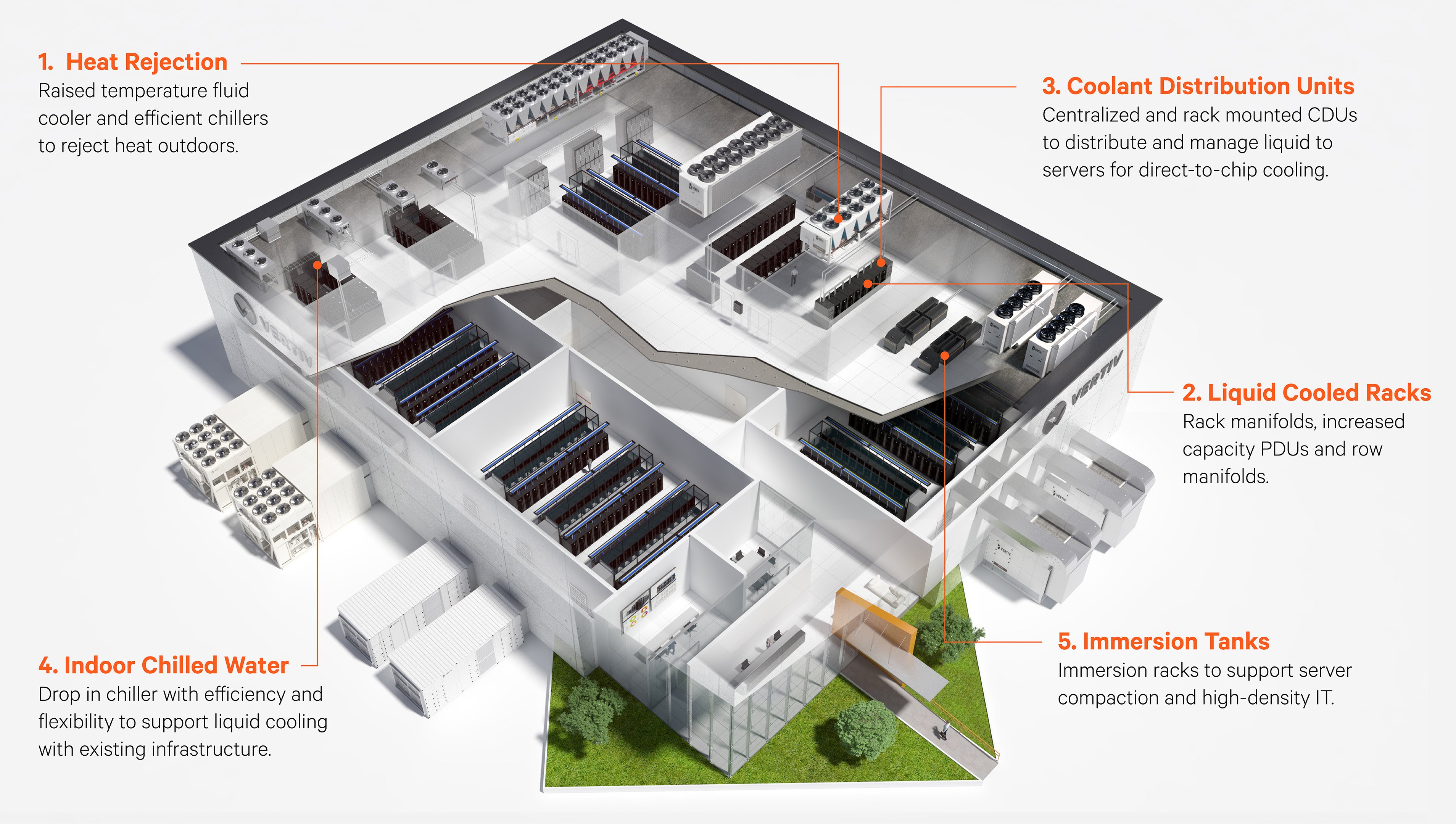
The shift toward micro-processor efficiency and increased power density necessitated a transition from room-level cooling to row-level and rack-level containment strategies. Hot aisle and cold aisle containment systems physicalized the separation of supply and exhaust air, drastically reducing mixing and bypassing. Despite these improvements, air as a thermal transfer medium has inherent physical limitations. Air possesses a relatively low volumetric heat capacity, requiring massive fan energy to move sufficient volume across heat sinks. This realization prompted the engineering sector to reintroduce liquid cooling modalities, including direct-to-chip water blocks and immersion cooling systems, which offer vastly superior thermal conductivity compared to air.
Core Components of High-Performance Cooling Architectures
Designing a resilient thermal management system requires an integrated network of mechanical, electrical, and software components. Each layer plays a specific role in extracting heat from silicon wafers and dissipating it into the external environment.
Air vs. Liquid Cooling Infrastructure
When evaluating modern facilities, engineers typically categorize thermal solutions based on the primary fluid medium used to transport heat away from the IT equipment.
- Air-Based Systems: Utilize CRAC and computer room air handler (CRAH) units combined with variable-speed fans, perforated floor tiles, and containment barriers. Best suited for standard enterprise workloads under 10 kilowatts per rack.
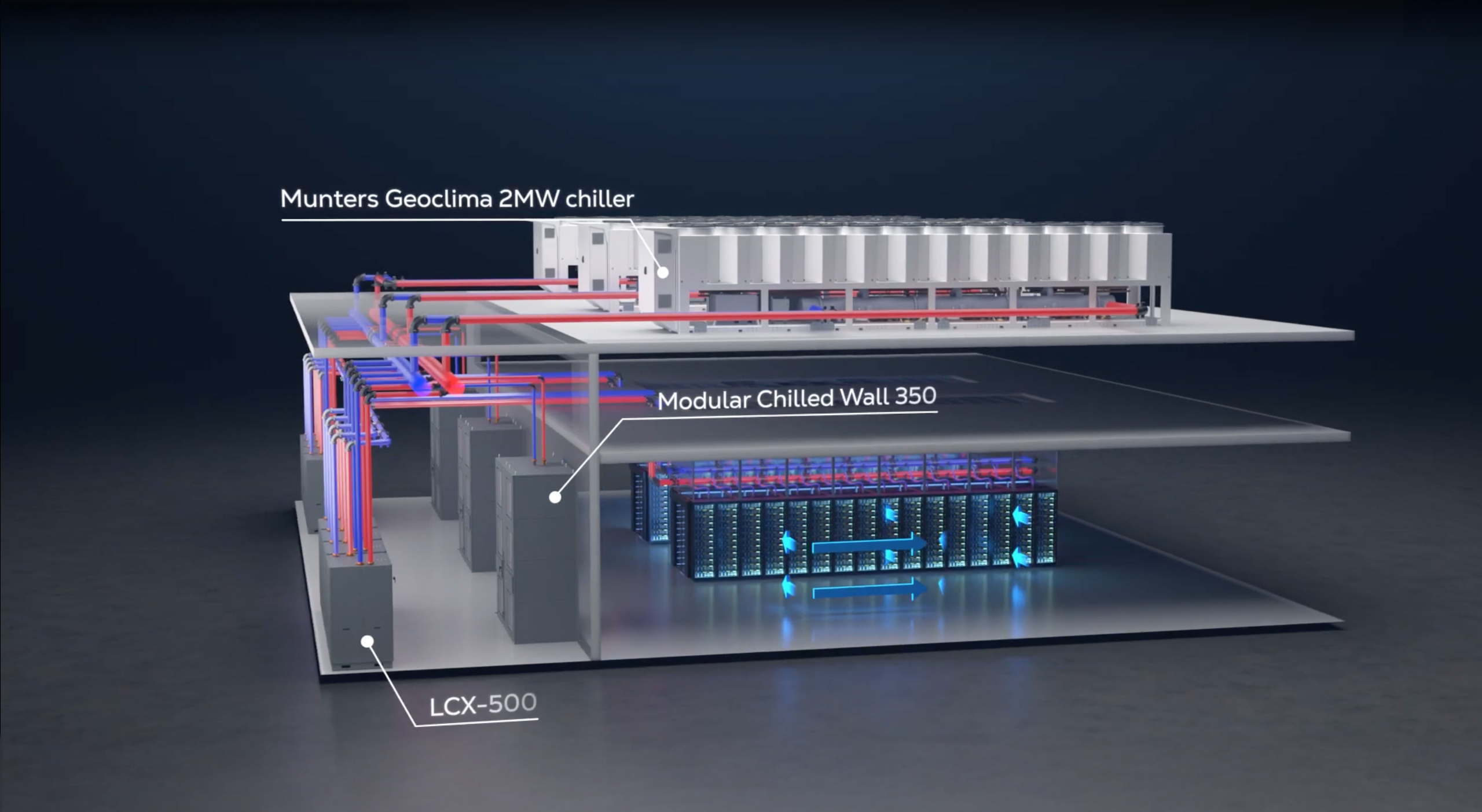
- Liquid-Assisted Systems: Employ Coolant Distribution Units (CDUs), manifold networks, and direct-to-chip cold plates. Capable of handling high-density racks exceeding 50 kilowatts by circulating specialized dielectric fluids or treated water closed-loop systems.
- Immersion Systems: Fully submerge entire server chassis in non-conductive dielectric liquids, eliminating traditional heat sinks and fans entirely while achieving exceptional thermal transfer coefficients.
| Cooling Methodology | Max Power Density (kW/Rack) | Relative Energy Efficiency | Initial Capital Expenditure | Maintenance Complexity |
|---|---|---|---|---|
| Perimeter Air (CRAC) | Up to 10 kW | Low | Moderate | Low |
| Row-Based Air & Containment | Up to 25 kW | Moderate | Moderate | Moderate |
| Direct-to-Chip Liquid | 50 kW to 100+ kW | High | High | High |
| Two-Phase Immersion | 100+ kW | Very High | High | Moderate |
Key Efficiency Metrics and Operational Targets
To evaluate the success of a thermal management deployment, facility operators rely on standardized industry metrics. The most prominent among these is Power Usage Effectiveness (PUE), defined as the total facility energy divided by the IT equipment energy.
Achieving a low PUE—approaching the theoretical ideal of 1.0—requires minimizing the parasitic power consumed by chillers, pumps, and fans. Advanced case studies frequently highlight the implementation of economizer modes, also known as free cooling, where external ambient air or water temperatures are leveraged during colder months to bypass mechanical refrigeration cycles entirely. Furthermore, continuous computational fluid dynamics (CFD) modeling allows operators to simulate airflow and fluid pressure drops before making physical adjustments to server layouts, ensuring that airflow matches thermal load dynamically.
Implementation Steps for Thermal Optimization Projects
Upgrading or designing a data center cooling infrastructure is a complex engineering undertaking that demands a rigorous, phased approach. Facility managers must avoid ad-hoc modifications that disrupt existing airflow patterns or fluid pressures.
- Thermal Audit and Load Mapping: Measure existing heat loads across all racks using intelligent power distribution units (iPDUs) and thermal sensors to identify specific hotspots and underutilized zones.
- CFD Simulation: Construct a digital twin of the data facility to model various cooling interventions, predicting the impact of containment barriers, CDU placements, or increased pump speeds.
- Infrastructure Procurement: Select enterprise-grade hardware components, ensuring compatibility between server chassis manifolds and facility-side liquid distribution loops.
- Phased Deployment: Install row-level containment or liquid distribution plumbing during scheduled maintenance windows, isolating test zones to prevent disruption to active production workloads.
- Commissioning and Balancing: Calibrate variable frequency drives (VFDs), adjust valve positions, and verify static pressure differentials across containment zones to confirm optimal performance.
Common Operational Challenges and Troubleshooting
Even meticulously designed thermal systems encounter operational hurdles. Recognizing early warning signs prevents catastrophic hardware thermal throttling or emergency shutdowns.
Managing Pressure Differentials and Bypass Airflow
A frequent issue in air-cooled environments is the occurrence of bypass airflow, where chilled supply air flows directly back into return grilles without passing through server intakes. This inefficiency forces CRAH units to work harder than necessary. Operators can resolve this by installing blanking panels in empty rack spaces and sealing cable cutout openings in raised floors.
Mitigation of Fluid Leaks in Liquid-Cooled Environments
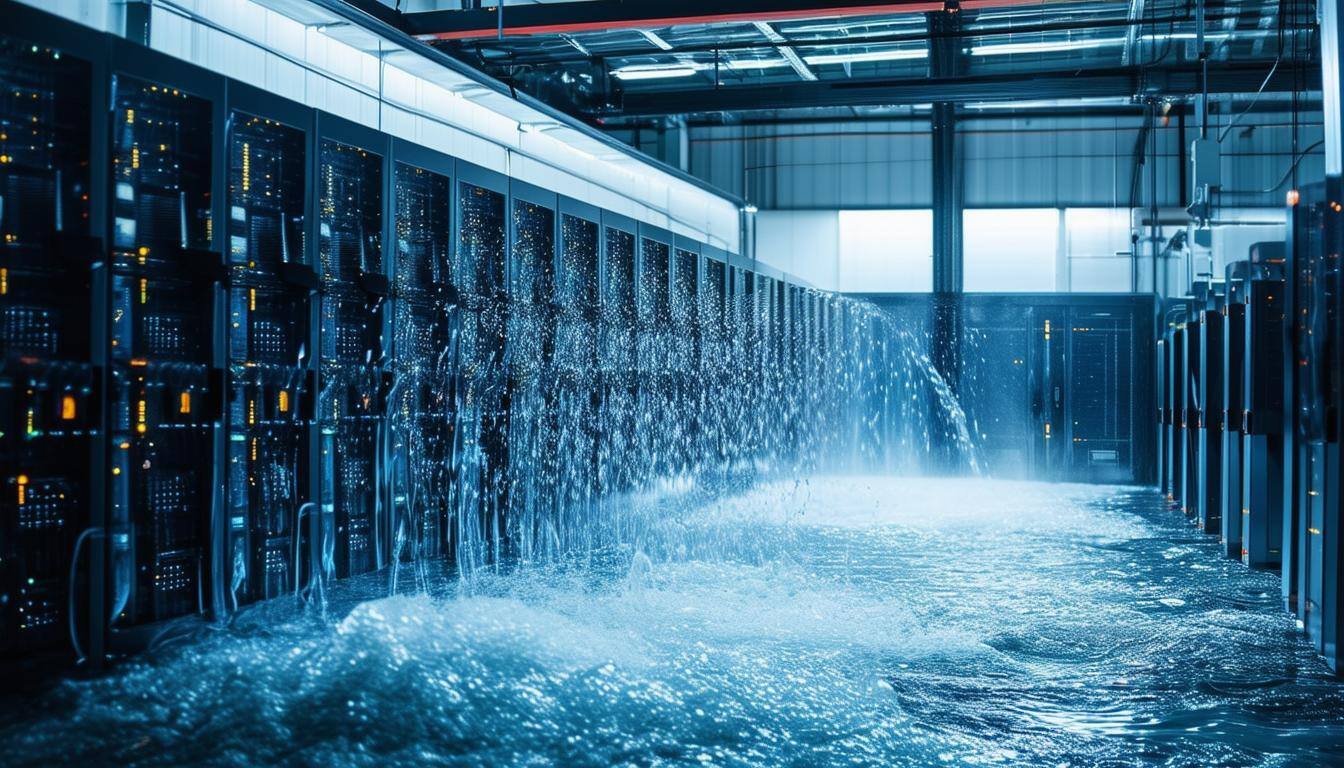
The introduction of liquid cooling inside white space environments introduces concerns regarding moisture damage. Modern case studies emphasize the integration of automated leak detection rope, quick-disconnect fittings with automatic shut-off valves, and secondary containment drip trays beneath CDUs and manifolds. Regular pressure testing and proactive maintenance schedules are mandatory to ensure system integrity.
Frequently Asked Questions
What is the primary advantage of direct-to-chip liquid cooling over traditional air cooling?
Direct-to-chip liquid cooling utilizes water or specialized coolants that have a significantly higher thermal capacity than air. This allows the system to transfer heat away from high-density processors much faster, enabling high compute density per rack without requiring massive air handler footprints or excessive fan energy.
How does Power Usage Effectiveness (PUE) factor into data center cooling evaluations?
PUE measures how efficiently a data facility uses energy, specifically indicating how much power is dedicated to computing infrastructure versus overhead systems like cooling and lighting. A lower PUE signifies that a smaller fraction of total energy is wasted on thermal management overhead.
What are the main risks associated with immersion cooling technologies?
While immersion cooling offers exceptional thermal performance, the primary challenges include specialized hardware compatibility, fluid maintenance and filtration requirements, weight distribution concerns for heavy dielectric fluid tanks, and potential challenges during hardware maintenance and component swaps.
Can legacy data centers be retrofitted for hybrid air and liquid cooling?
Yes, many legacy facilities implement hybrid approaches by deploying sidecar liquid cooling units or in-row heat exchangers to support high-density server islands while retaining traditional raised-floor air cooling for standard enterprise racks.
What role do digital twins play in modern thermal management?
Digital twins use real-time sensor data to create an exact virtual replica of the data center environment. Facility operators use these simulations to test operational changes, optimize fan and pump speeds, and predict thermal responses to sudden workload spikes safely.
Next Actions for Facility Operators
To translate these case study insights into practical improvements, facility managers should initiate a comprehensive thermal audit of their current white space environment. Begin by deploying granular temperature and humidity sensors across high-density racks to establish baseline metrics. Review existing airflow containment strategies and consult with mechanical engineering partners to evaluate the feasibility of integrating targeted liquid-to-air distribution units if computational loads exceed standard air-cooling thresholds.
Image Gallery