What is Snapchat Used for Most? Key Features and Usage Trends in 2026
Snapchat is primarily used for visual, ephemeral communication between close friends, characterized by "snaps" that disappear after being viewed. While the platform has expanded into augmented reality (AR) entertainment and short-form...
Snapchat is primarily used for visual, ephemeral communication between close friends, characterized by "snaps" that disappear after being viewed. While the platform has expanded into augmented reality (AR) entertainment and short-form video, its core utility remains maintaining social "streaks" and sharing unpolished, real-time life updates within a private, low-pressure digital environment.
Contents
Since its inception, Snapchat has carved out a unique niche in the social media landscape. Unlike platforms designed for permanent public archives or curated aesthetic perfection, Snapchat focuses on the "now." By 2026, this focus has intensified, positioning the app as the definitive space for "digital hanging out" rather than just content consumption.
The Core Function: Ephemeral Peer-to-Peer Communication
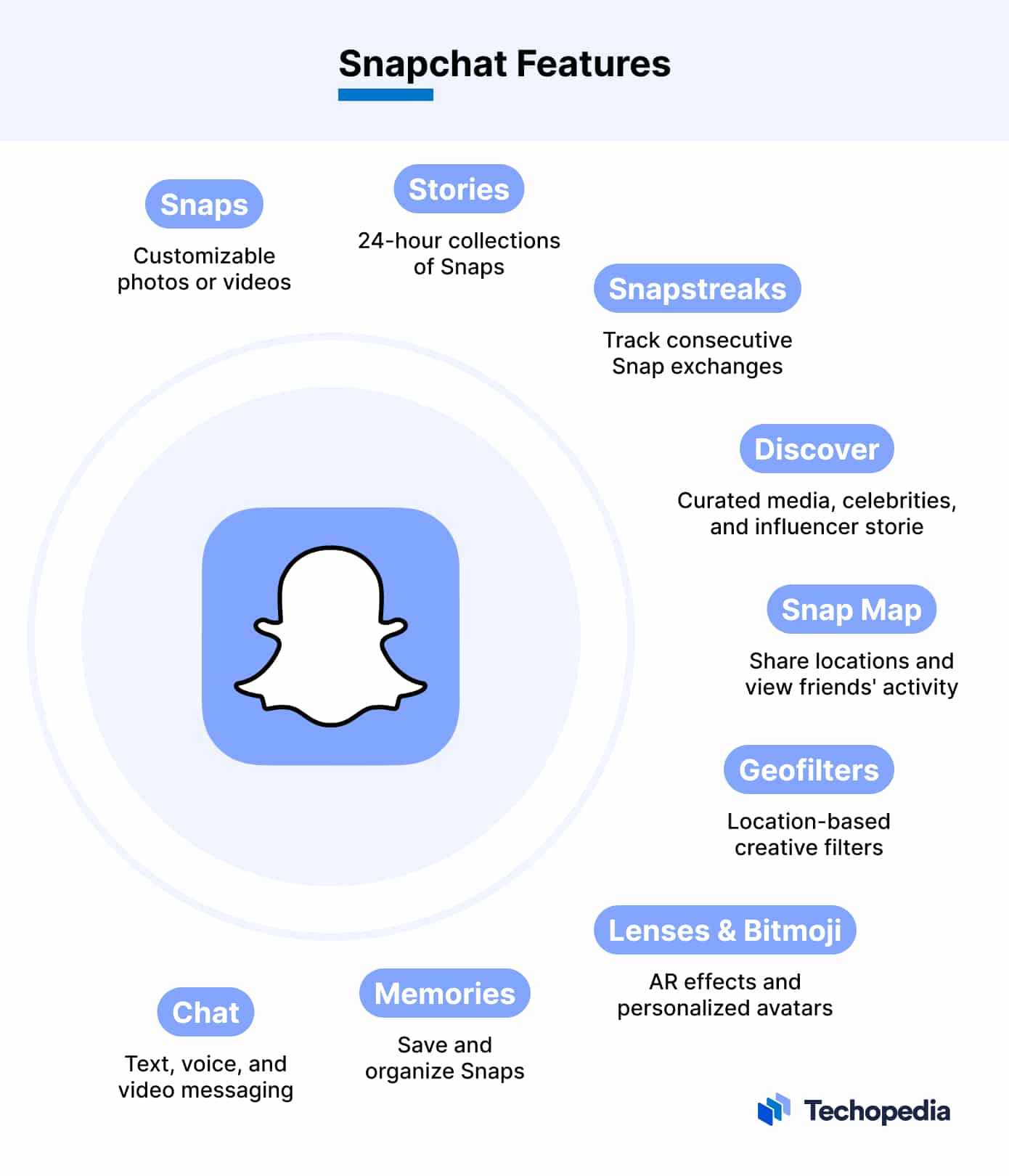
The most frequent activity on Snapchat is the exchange of individual Snaps—photos or short videos sent directly to one or more friends. The "ephemeral" nature of these messages, where content is deleted by default after viewing, serves a specific psychological purpose: it reduces the "social anxiety of the permanent record."
Users utilize the camera as the primary interface. Instead of typing "I'm at the park," a user sends a quick photo of the trees. This visual-first communication is more descriptive than text and faster than a traditional phone call. By 2026, the integration of high-definition creative tools has made these interactions more expressive, yet the intent remains the same—maintaining a continuous, informal dialogue with a "Best Friends" list.
The Psychology of Snapchat Streaks
A significant driver of daily usage is the "Snapstreak." This feature tracks how many consecutive days two users have sent Snaps to one another. For younger demographics, Streaks are more than just a number; they are a metric of social commitment and friendship strength. The desire to keep a Streak alive ensures that users return to the app at least once every 24 hours, making it one of the most "sticky" features in social media history.
Augmented Reality (AR) and Creative Expression
Snapchat is a global leader in AR technology. For many users, the app is used most for its Lenses. These are not merely decorative filters; they are sophisticated AR experiences that can transform a user's appearance, map the environment around them, or even allow them to "try on" clothes and makeup via 3D body tracking.
In 2026, AR usage on Snapchat has evolved into two distinct categories:
- Social AR: Lenses used to make Snaps more humorous or engaging, such as face-swaps or voice-changers.
- Utility AR: Tools used for scanning objects to find products, translating text in real-time, or visualizing furniture in a room.
The "Lens Studio" ecosystem allows creators and brands to upload thousands of new experiences daily, ensuring that the visual language of the app never becomes stagnant. Users often open the app specifically to see what new Lenses are trending, even if they don't end up sending a Snap to a friend.
Content Consumption: Spotlight and Discover
While peer-to-peer messaging is the heart of the app, a vast portion of user time is spent in the Discover and Spotlight sections.
Spotlight: The Creator Hub
Spotlight is Snapchat’s answer to the vertical, short-form video trend popularized by TikTok. It is used most by people looking for entertainment from the broader Snapchat community. The algorithm surfaces top-performing Snaps to a global audience, allowing users to discover creators and viral trends outside their immediate social circle. By 2026, Spotlight has become a primary source of music discovery and viral challenges.
Discover: Curated Media
The Discover tab is a curated feed of "Shows" and stories from professional media publishers like ESPN, NBC, and various digital creators. Users turn to Discover for bite-sized news, lifestyle content, and original scripted series. This section is designed for passive consumption, providing a high-production-value contrast to the raw, unedited Snaps found in the Chat section.
The Snap Map: A Real-Time Social Utility
The Snap Map is used most for coordinating real-world meetups and "seeing what's happening" in a specific location. Unlike static location sharing, the Snap Map uses "Actionmojis" (Bitmojis that change based on what the user is doing) to show if a friend is driving, sleeping, or at a specific venue.
Beyond friend-tracking, the Map serves as a discovery tool. Users can tap on "heat maps" to view public Snaps from sporting events, concerts, or breaking news locations. In 2026, the Snap Map has integrated more "Layers," such as restaurant reviews and ticket-buying options, making it a functional bridge between digital interaction and physical navigation.
Comparing Snapchat with Other Major Platforms
To understand what Snapchat is used for most, it is helpful to compare its primary utility against its main competitors as of 2026.
| Feature | Snapchat | TikTok | |
|---|---|---|---|
| Primary Intent | Direct, private communication | Content curation and discovery | Entertainment and viral trends |
| Content Lifespan | Ephemeral (disappears) | Permanent (unless Stories) | Permanent/Algorithmic |
| Social Pressure | Low (unpolished) | High (curated) | Medium (performance-based) |
| Main Interface | Camera | Feed / Reels | Vertical Video Feed |
| Key Metric | Streaks and Friendships | Likes and Followers | Views and Shares |
Advanced Features: Snapchat+ and My AI
By 2026, Snapchat has successfully moved beyond being a free-only platform. Snapchat+, the app's premium subscription service, has millions of subscribers who use it to access exclusive features like "Friend Solar Systems" (ranking friend closeness) and custom app icons. This indicates that a core segment of the user base uses the app with a high degree of intentionality and "power-user" status.
Furthermore, My AI, Snapchat’s integrated chatbot, has become a primary tool for users to ask quick questions, get gift ideas, or plan trips directly within the chat interface. My AI is used as a conversational companion, marking a shift where users interact not just with people, but with integrated artificial intelligence as part of their daily social routine.
Why Snapchat Retains its Dominance Among Gen Z and Alpha
Snapchat’s enduring popularity, even in 2026, stems from its refusal to become a "broadcast" medium for everyone. While Instagram and TikTok have pushed users toward becoming "content creators," Snapchat has remained a place where users can simply be "content sharers."
The app is used most as a "safe space" for authenticity. Because there are no public likes or comments on standard Snaps, there is no "performance" required. This lack of public scrutiny makes it the preferred app for the messy, mundane, and intimate moments of life that don't fit the aesthetic requirements of other platforms.
Common Misconceptions About Snapchat Usage
- "It’s only for "sexting": While the disappearing feature initially gained a reputation for sensitive content, the Snap Inc. Safety Center has implemented rigorous moderation and reporting tools. Most usage today is mundane and social.
- "It’s dying": Despite competition, Snapchat’s Daily Active User (DAU) count has shown consistent growth through 2026, particularly in international markets and among the youngest smartphone-using demographics.
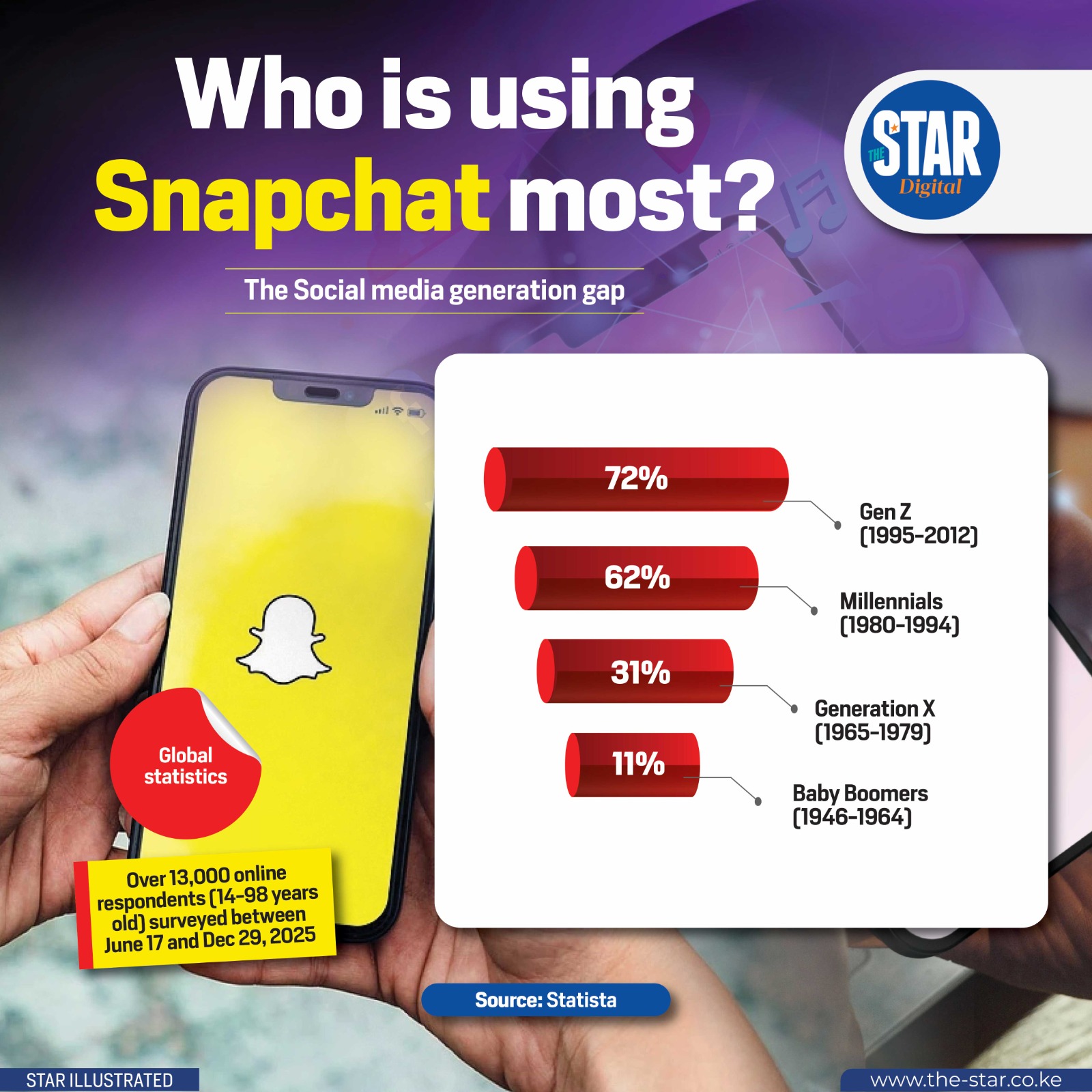
- "It’s just for kids": While Gen Z remains the largest block, the "Snapchat Generation" has aged into adulthood, and the app is now frequently used by parents and professionals for quick, visual check-ins.
FAQ
1. Why do people use Snapchat instead of just texting? Snapchat offers more context than a text message. A photo of a meal or a "duck face" selfie conveys mood, tone, and environment in a way that plain text cannot. Additionally, the creative tools (stickers, drawings, filters) make the interaction more playful and interactive.
2. Can you see if someone re-watches your Snap? Yes, Snapchat notifies the sender if a Snap is replayed. This is a deliberate design choice to maintain transparency in digital interactions, which is a key part of why the platform is trusted for private communication.
3. What is the benefit of the Snap Map for most users? For most, it is about social coordination. Knowing a friend is "at the library" or "at the mall" allows for spontaneous real-life meetups without the need for a formal invitation. The "Ghost Mode" setting allows users to opt-out if they prefer privacy.
4. Is Snapchat+ worth the subscription in 2026? For "power users" who spend several hours a day on the app, the subscription offers significant cosmetic and functional upgrades. However, for the average user who just wants to send Snaps and maintain Streaks, the free version of the app remains fully functional.
5. How does My AI interact with my Snaps? My AI can respond to text and image Snaps sent directly to it. It uses this data to provide more personalized responses, though Snap Inc. provides clear guidelines on how to clear this data for privacy reasons.
Practical Recommendation for New Users
If you are new to the platform in 2026, the best way to understand what Snapchat is used for is to start small with a "Best Friends" group. Avoid the public Spotlight feed initially and focus on sending "day-in-the-life" Snaps to a few close contacts. The value of Snapchat is rarely found in the global content, but rather in the private, visual threads that build over weeks, months, and years of daily interaction.
Image Gallery