Selecting and Utilizing Hot Food Carriers for Modern Kitchens
Modern kitchens—ranging from fast-paced commercial catering environments to high-end residential food preparation spaces—rely heavily on precise thermal management to ensure safe, high-quality meal delivery. Hot food carriers bridge th...
Modern kitchens—ranging from fast-paced commercial catering environments to high-end residential food preparation spaces—rely heavily on precise thermal management to ensure safe, high-quality meal delivery. Hot food carriers bridge the gap between cooking and serving, utilizing advanced insulation materials and active heating technologies to maintain precise food temperatures over extended periods without compromising texture or food safety standards.
Contents
The Evolution of Thermal Transport in Contemporary Culinary Spaces
The demand for reliable hot food transport has grown significantly as consumer expectations for food delivery, off-site catering, and batch-cooking efficiency continue to rise. Historically, keeping food hot during transit involved rudimentary insulated boxes or improvised wrapping that frequently resulted in temperature drops, soggy textures, or bacterial growth risks. Today’s modern kitchens require engineered solutions capable of meeting strict health regulations while preserving the structural integrity and moisture balance of delicate culinary creations.
Thermal management in modern kitchens relies on two primary mechanics: passive insulation and active heating. Passive carriers use high-density polyurethane foam or vacuum-insulated panels to trap thermal energy generated during cooking. Active carriers, by contrast, incorporate electronic heating elements, rechargeable lithium-ion battery packs, or plug-in capabilities to actively regulate internal temperatures. Understanding the distinction between these systems helps culinary professionals and home enthusiasts match their equipment choices to specific operational timelines and menu requirements.
Core Categories of Hot Food Carriers
Navigating the market requires evaluating the distinct classifications of carriers available for professional and residential applications. Each type serves specific operational profiles, load capacities, and logistical constraints.
Top-Loading Insulated Boxes
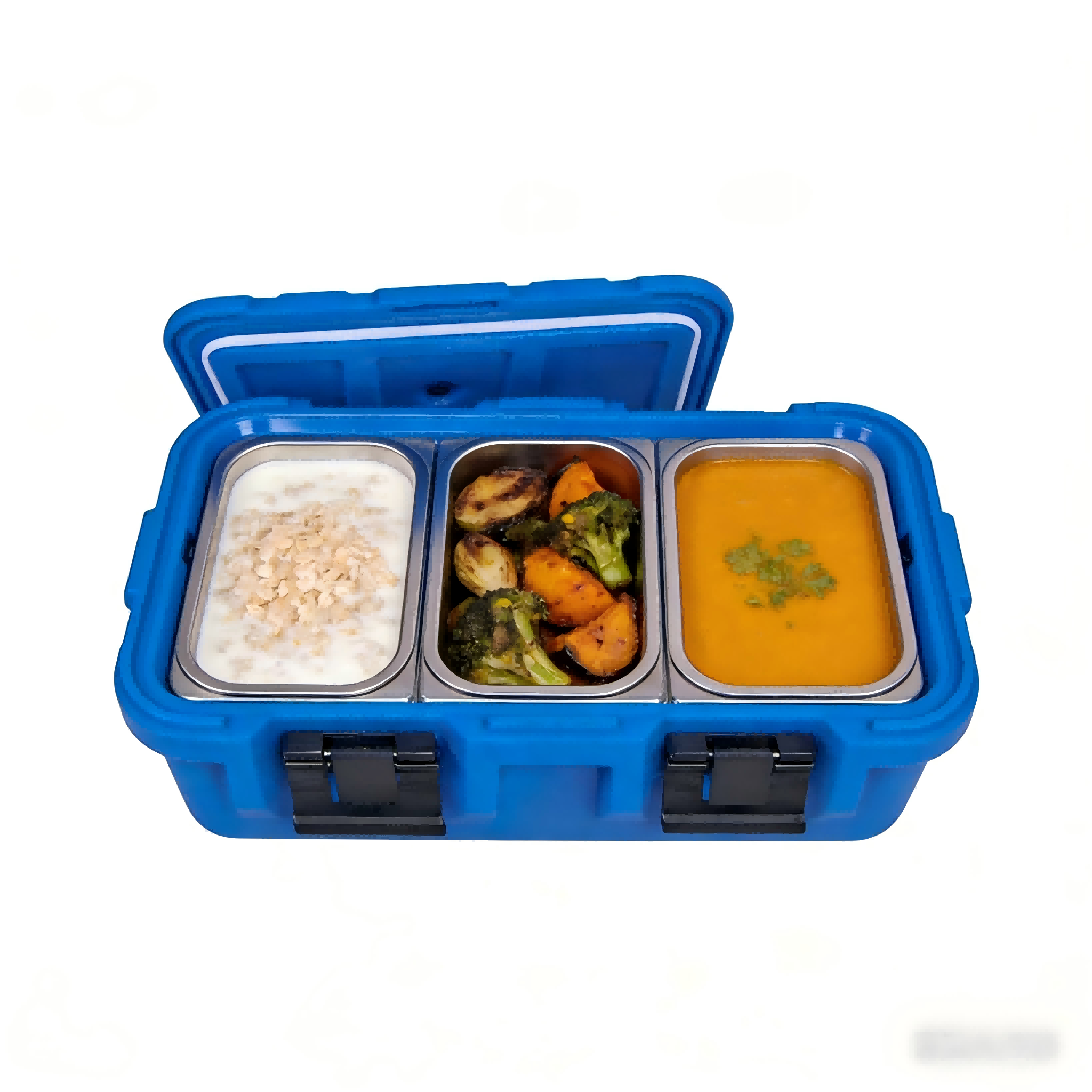
Top-loading carriers are staple equipment for transporting hotel pans, gastronorm containers, or individual meal trays. Typically constructed from rotational-molded polyethylene shells filled with thick foam insulation, these units excel at retaining heat for four to six hours. Their lightweight design makes them ideal for catering staff, delivery drivers, and mobile food vendors who need robust protection against physical impact and heat loss.
Front-Loading Cabinet Systems
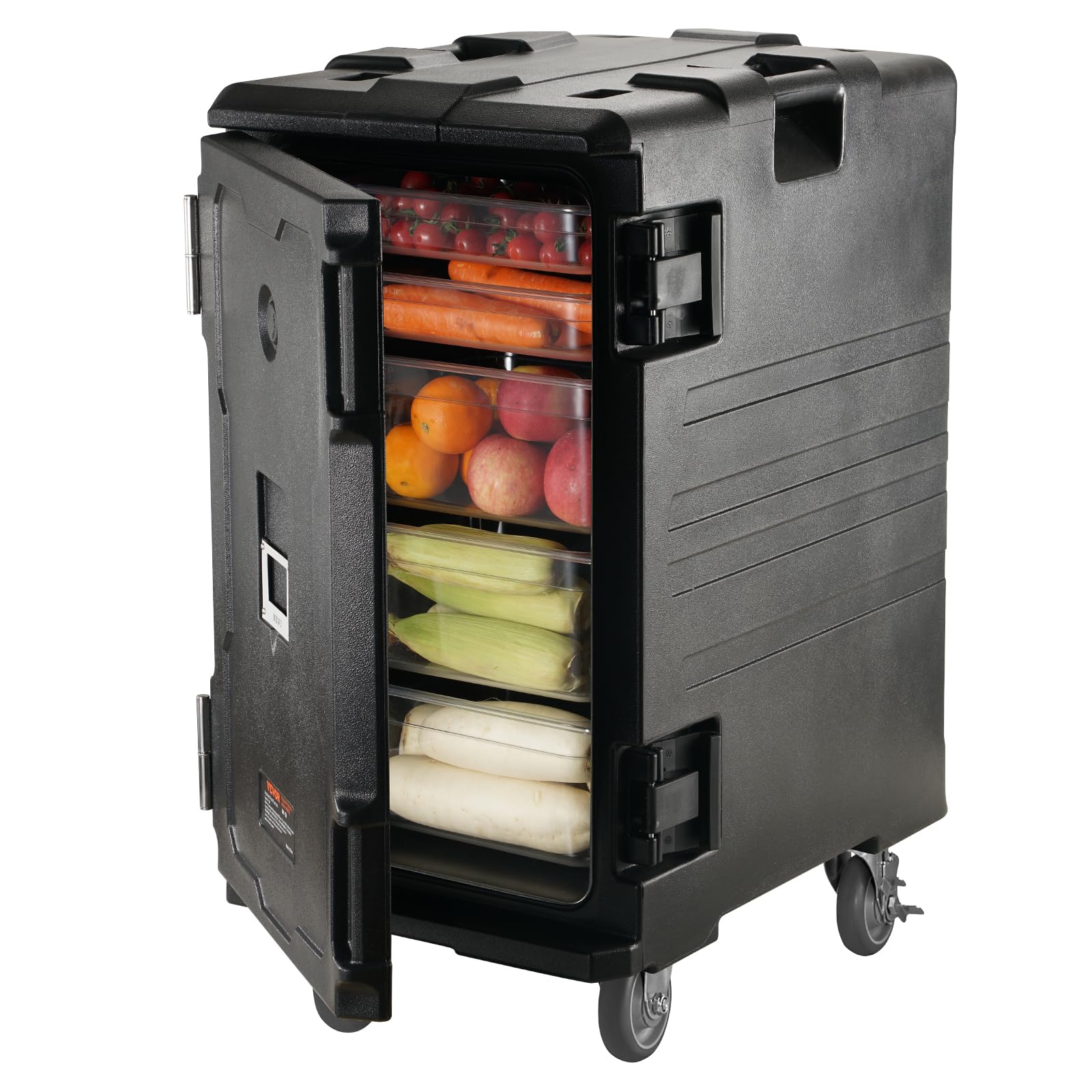
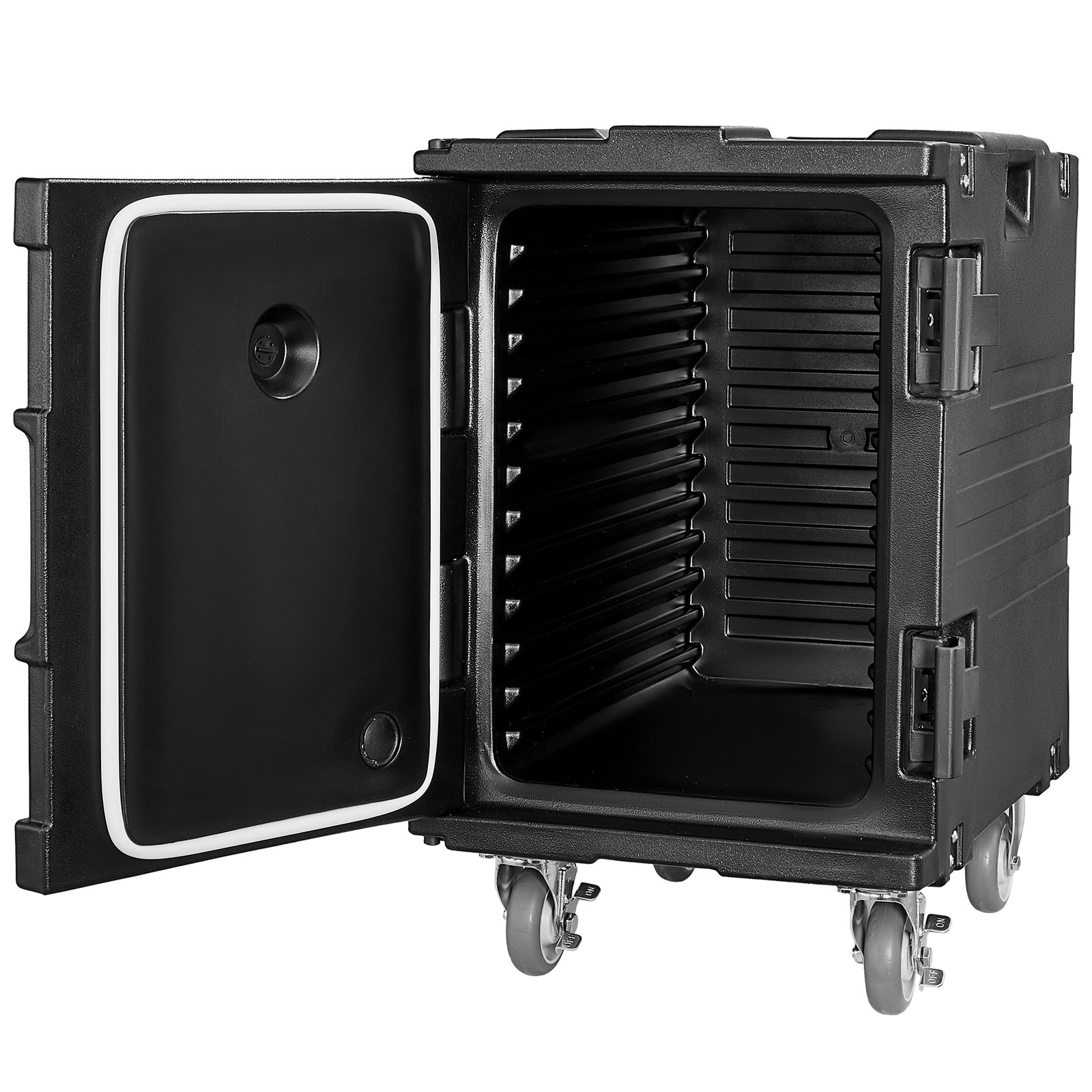
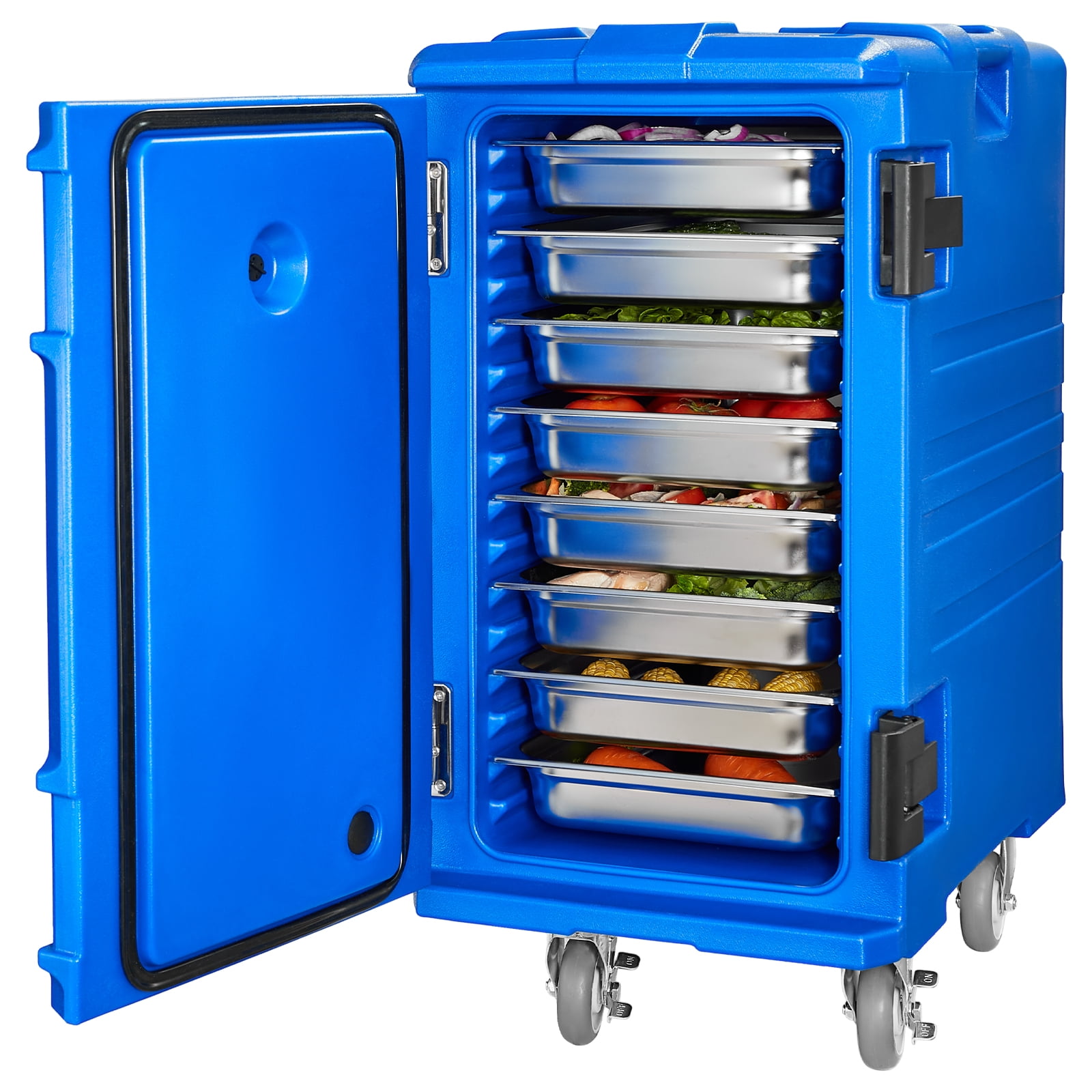
Front-loading cabinets offer modular versatility for high-volume operations. These units accommodate multiple sheet pans, trays, or variable-depth food pans on adjustable slide rails. Front-loading models are frequently manufactured in both passive configurations and active thermoelectric or corded variants. They allow kitchen staff to organize complex multi-course menus efficiently and access individual pans without releasing the thermal envelope of the entire cabinet.
Bag-Style and Soft-Sided Carriers
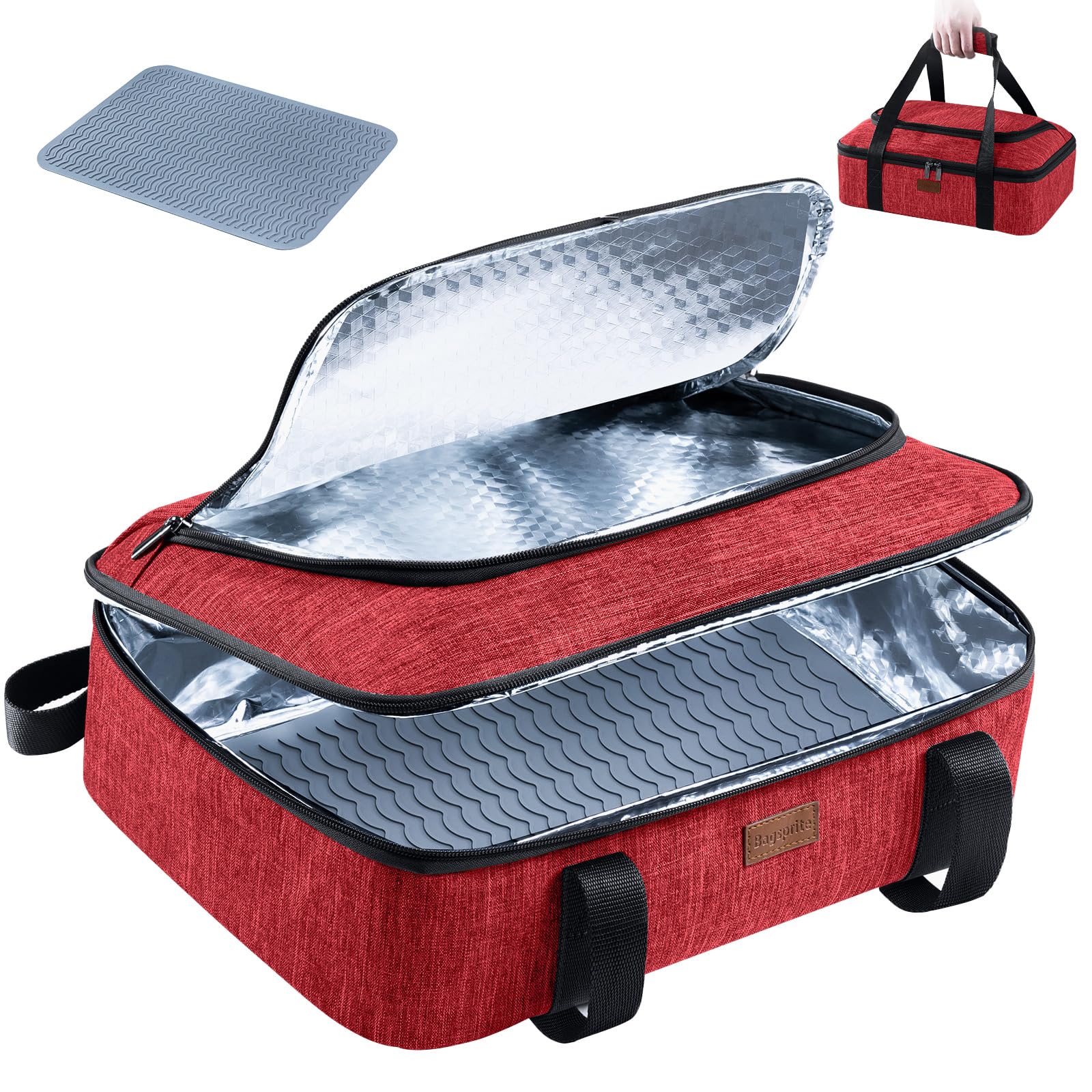
For localized delivery, quick-service restaurants, and direct-to-consumer meal delivery, soft-sided thermal bags provide a flexible alternative. Constructed from durable water-resistant outer fabrics like heavy-duty nylon, these carriers feature multi-layer foil linings and dense fiber batting. While they generally offer shorter heat-retention windows than rigid rotational-molded boxes, their collapsible nature and ergonomic strap systems optimize storage and transport efficiency for urban couriers.
Key Technical Specifications and Performance Metrics
Evaluating hot food carriers requires looking past marketing claims and analyzing verifiable engineering specifications. The performance of a thermal carrier depends on several interrelated factors:
- Thermal Decay Rate: Measured in degrees lost per hour under standardized ambient conditions, this metric indicates how effectively the insulation barrier resists heat transfer.
- Capacity and Gastronorm Compatibility: Ensuring the interior dimensions accommodate standard GN 1/1, 1/2, or 1/3 pans prevents shifting during transit and maximizes space utilization.
- Ingress Protection (IP) and Durability: For outdoor catering and rigorous transport, exterior shells must resist moisture, cracking, and denting while featuring secure, heavy-duty latching mechanisms.
- Power Requirements (Active Units): Active carriers require careful review of voltage, wattage draw, and battery cycle life to ensure reliable performance during extended off-grid transport.
| Carrier Type | Primary Heat Retention Method | Typical Duration | Best Suited For | Maintenance Complexity |
|---|---|---|---|---|
| Top-Loading Rigid | Polyurethane Foam Insulation | 4 to 6 Hours | Catering pans, bulk sides, soups | Low (Washdown safe) |
| Front-Loading Cabinet | Foam or Active Heating/Holding | 4 to 8+ Hours | High-volume banquets, multi-course transport | Medium (Requires electrical checks if active) |
| Soft-Sided Delivery Bags | Foil Linings & Fiber Batting | 1 to 3 Hours | Restaurant takeout, courier delivery | Low (Spot clean / machine washable liners) |
| Induction-Charged Units | Base Plate Heat Storage | 2 to 4 Hours | Fine dining plating, mobile cart service | Medium (Requires dedicated charging docks) |
Operational Integration and Food Safety Compliance
Deploying hot food carriers within a modern kitchen workflow demands strict adherence to food safety protocols. Regulatory bodies, such as the United States Food and Drug Administration (FDA) in its Food Code, mandate that hot-held TCS (Time/Temperature Control for Safety) foods must be maintained at a minimum internal temperature of 135°F (57°C) or higher to prevent rapid bacterial proliferation within the temperature danger zone.
Kitchen operators must implement standard operating procedures (SOPs) for pre-heating carriers. Placing hot food into a cold, unconditioned carrier results in significant thermal energy transfer into the surrounding walls, dropping the food below safe holding thresholds before transit even begins. Pre-heating can be achieved by loading boiling water into the unit for 15 minutes, using a designated electric pre-heater, or cycling an active unit prior to food insertion. Furthermore, calibrating digital probe thermometers regularly ensures that internal food temperatures remain verified throughout the journey from kitchen pass to final service.
Common Mistakes and Troubleshooting Strategies
Mismanaging thermal transport equipment leads to premature wear, energy inefficiency, and food safety hazards. Recognizing these pitfalls helps maintain operational consistency.
Overlooking Moisture Management
Hot, freshly cooked foods release steam. If a carrier seals too tightly without a designated steam vent or pressure relief valve, moisture condenses on the interior ceiling and drips back onto the food, ruining crispy textures and creating soggy starches. Selecting carriers with adjustable vent caps or utilizing breathable parchment paper layers helps mitigate excessive condensation buildup.
Neglecting Gasket Maintenance and Latch Tension
Rubber or silicone door gaskets degrade over time due to grease exposure, high heat, and frequent friction. A compromised gasket allows thermal bridging, drastically shortening the effective holding window of the carrier. Regular inspection, cleaning with mild detergents, and replacing worn latches or hinges preserve the airtight seal necessary for optimal thermal performance.
Improper Pan Pairing
Using mismatched pan depths or failing to utilize pan lids forces the carrier's internal volume to work inefficiently. Empty space within a carrier acts as a thermal sink, accelerating heat loss. Operators should fill empty slots with dedicated thermal mass packs (hot bricks or gel packs) when transporting partial loads.
Frequently Asked Questions
How long can food safely stay hot in a high-end insulated carrier?
High-density insulated carriers typically maintain safe hot-holding temperatures (above 135°F) for four to six hours, provided the unit was pre-heated and filled to near capacity. Active heated carriers can maintain safe temperatures indefinitely as long as an external power source or charged battery remains connected.
Can hot food carriers be used for keeping items cold?
Yes. Many rigid insulated carriers are thermally neutral, meaning they resist ambient temperature transfer in both directions. By replacing hot items with frozen gel packs or ice plates, these same units function effectively as cold transport containers for salads, cold proteins, or dairy items.
What is the best way to clean and sanitize commercial food carriers?
Routine maintenance involves washing interior and exterior surfaces with a solution of warm water and mild food-safe detergent, followed by a chlorine or quaternary ammonium sanitizer rinse. Avoid abrasive scouring pads that scratch rotational-molded plastic or compromise foil linings. Always allow carriers to air dry completely with doors propped open to prevent mold and mildew growth.
Are active electric carriers safe to use in rainy weather?
Most commercial active carriers feature weather-resistant connectors and splash-proof control panels (often rated IPX4 or higher). However, operators must consult manufacturer guidelines regarding corded operation in wet environments and ensure that GFCI (Ground Fault Circuit Interrupter) outlets are utilized to prevent electrical hazards.
How do I prevent food from getting soggy inside a sealed hot carrier?
To prevent condensation-induced sogginess, use pans with slightly ajar or vented lids when appropriate, or line the top of the container with clean cotton tea towels or paper toweling to absorb excess moisture vapor before it drips onto fried or roasted foods.
Next Actions and Operational Recommendations
To optimize your kitchen's thermal transport workflow, audit your current menu items against your delivery timelines and holding distances. If your operation frequently experiences temperature drops during transport exceeding two hours, transition from soft-sided bags to rotational-molded top-loaders or invest in active heating inserts. Establish a mandatory daily checklist covering gasket inspections, pre-heating routines, and digital temperature loggings to protect product quality and regulatory compliance.
Image Gallery