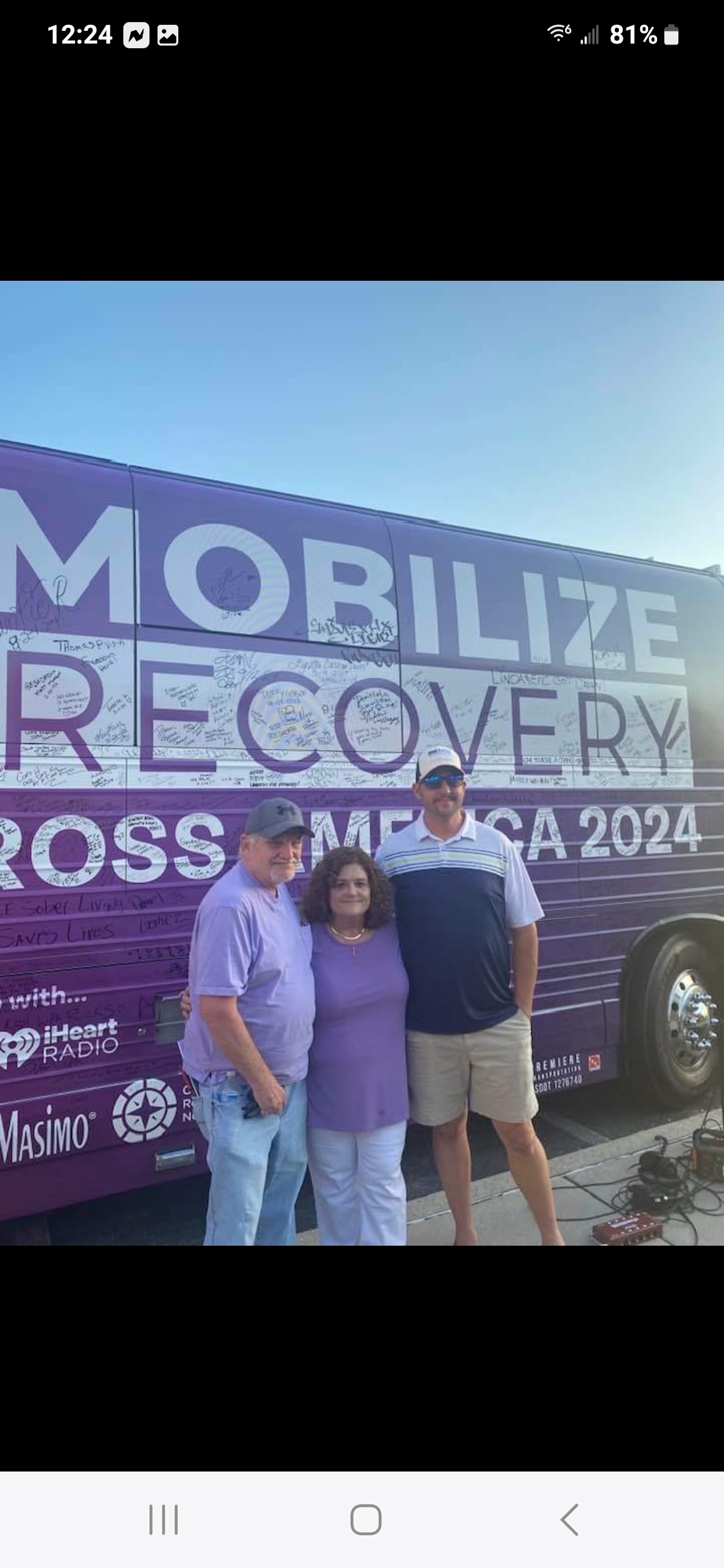
Why Hope of East Tennessee Matters for Recovery
Hope of East Tennessee matters for recovery because it provides essential, structured residential and outpatient treatment services that address substance use disorders in a region heavily impacted by the opioid crisis. By offering com...
Hope of East Tennessee matters for recovery because it provides essential, structured residential and outpatient treatment services that address substance use disorders in a region heavily impacted by the opioid crisis. By offering comprehensive clinical care, transitional housing, and evidence-based support systems, organizations like Hope of East Tennessee bridge critical gaps in the continuum of care, helping individuals achieve long-term stability and reintegrate safely into their communities.
Contents
Understanding the Landscape of Recovery in East Tennessee
The region of East Tennessee has faced severe socioeconomic and public health challenges over the past two decades, largely driven by the broader American opioid epidemic. Rural isolation, economic shifts, and limited healthcare infrastructure in certain counties have historically compounded the difficulties individuals face when seeking treatment for substance use disorders. In this environment, regional non-profit and community-based recovery providers serve as a lifeline.
Substance use disorder is a complex chronic condition that alters brain structure and function, making professional intervention necessary for many individuals. When local facilities lack adequate bed capacity or comprehensive programming, individuals often cycle through emergency rooms, the criminal justice system, or experience recurrent relapses without ever receiving stabilizing care. Understanding why regional organizations matter requires looking closely at how they address these systemic gaps through targeted clinical interventions and community-integrated support models.
Core Services and Treatment Modalities Provided
Effective recovery support requires a multi-layered continuum of care. Organizations that anchor regional recovery typically offer a spectrum of services tailored to different stages of the healing process. These services ensure that care is neither too restrictive nor too brief to effect meaningful behavioral change.
Residential Treatment and Safe Environments
For individuals transitioning away from active addiction, residential treatment offers a stable, substance-free environment removed from environmental triggers.
- 24-Hour Supervision: Providing safety, medical monitoring during early withdrawal phases (or coordination with medical detox facilities), and structured daily routines.
- Peer Support Networks: Fostering community among residents who share similar lived experiences, reducing feelings of isolation and shame.
- Life Skills Training: Teaching budgeting, employment readiness, and emotional regulation to prepare individuals for independent living.
Outpatient and Continuing Care Services
Recovery does not end when a residential stay concludes. Outpatient programs allow individuals to maintain their employment and family responsibilities while receiving ongoing clinical support. Intensive Outpatient Programs (IOPs) provide several hours of therapy per week, focusing on relapse prevention strategies, cognitive behavioral techniques, and family education.
Comparison of Recovery Support Options in East Tennessee
Navigating the landscape of addiction treatment involves understanding the differences between various levels of care. The table below outlines standard service categories available within regional recovery frameworks.
| Service Level | Primary Focus | Typical Duration | Best Suited For |
|---|---|---|---|
| Residential Rehabilitation | 24/7 structure, immersive therapy, and safe housing | 30 to 90 days | Individuals with severe substance use disorders or unstable home environments |
| Intensive Outpatient (IOP) | Clinical therapy and relapse prevention several days a week | 8 to 12 weeks | Individuals stepping down from residential care or those with stable housing |
| Recovery Housing | Peer-supported, drug-free living arrangements | Variable (6+ months) | People seeking ongoing accountability during early or sustained recovery |
| Outpatient Counseling | Individualized mental health and addiction counseling | Ongoing / As needed | Individuals managing mild symptoms or maintaining long-term sobriety |
Addressing Barriers to Treatment Access
One of the primary reasons localized recovery resources matter is their ability to mitigate common barriers to entry. Cost, geographical isolation, and the social stigma associated with seeking help frequently prevent individuals from accessing care.
Financial constraints remain a major hurdle for many families affected by addiction. Regional facilities often work within state-funded frameworks, accept Medicaid, or offer sliding-scale fees to ensure that treatment is not exclusively reserved for those with private wealth or robust insurance coverage. Furthermore, localized centers reduce travel burdens for families who wish to participate in family therapy and support sessions, which are crucial components of sustained recovery.
The Role of Evidence-Based Practices and Holistic Care
Modern addiction treatment relies on evidence-based practices (EBPs) that have been scientifically validated to improve long-term outcomes. Facilities that matter for recovery integrate these methodologies into daily operations rather than relying solely on anecdotal approaches.
- Cognitive Behavioral Therapy (CBT): Helps clients identify and modify distorted thinking patterns and behaviors associated with drug and alcohol use.
- Medication-Assisted Treatment (MAT): When clinically indicated, combining behavioral therapy with medications to normalize brain chemistry, block the euphoric effects of opioids or alcohol, and relieve physiological cravings.
- Trauma-Informed Care: Recognizing that a vast majority of individuals with substance use disorders have histories of adverse childhood experiences or severe trauma, ensuring that treatment avoids re-traumatization.
Community Reintegration and Long-Term Stability
Achieving sobriety is only the first phase of the recovery journey; maintaining it requires community reintegration. When regional organizations foster strong partnerships with local employers, educational institutions, and judicial diversion programs, they create pathways for individuals to rebuild their lives.
Employment assistance, housing placement, and legal aid coordination reduce the recidivism and relapse rates associated with post-treatment disenfranchisement. By treating the whole person within the context of their community, regional recovery initiatives help restore civic participation and family stability across East Tennessee.
Frequently Asked Questions
What types of substance use disorders do regional recovery centers treat?
Most comprehensive regional facilities treat dependencies related to alcohol, opioids (including prescription painkillers and heroin), stimulants, and prescription medications. Assessment processes determine the specific clinical needs of each individual upon intake.
Are these recovery services covered by insurance?
Coverage varies depending on the specific facility, the level of care required, and the individual's insurance policy. Many centers accept state Medicaid, commercial health insurance plans, or offer sliding-scale payment structures for qualifying residents.
What is the difference between residential treatment and recovery housing?
Residential treatment provides intensive, clinical, 24-hour therapeutic programming with licensed counselors and medical oversight. Recovery housing (or sober living) offers a substance-free living environment with peer accountability, typically utilized after completing primary treatment while individuals work or attend school.
How do family members participate in the recovery process?
Family involvement is encouraged through educational workshops, family counseling sessions, and support groups. These resources help loved ones understand the nature of addiction, establish healthy boundaries, and repair relational trust.
What should someone do if they are experiencing an immediate medical emergency?
If an individual is experiencing a life-threatening medical emergency, acute overdose, or severe withdrawal complications, they should immediately call 911 or go to the nearest hospital emergency department before seeking long-term residential placement.
Next Steps and Finding Support
For individuals or families seeking guidance on navigating recovery options in East Tennessee, the initial step involves reaching out directly to regional assessment centers or behavioral health authorities. Verifying insurance benefits, understanding intake requirements, and scheduling a professional clinical evaluation will clarify the most appropriate level of care. Prioritizing timely intervention can significantly alter the trajectory of substance use disorders and support lasting healing.
Image Gallery